Aventura, Florida: The Complete Guide for 2026
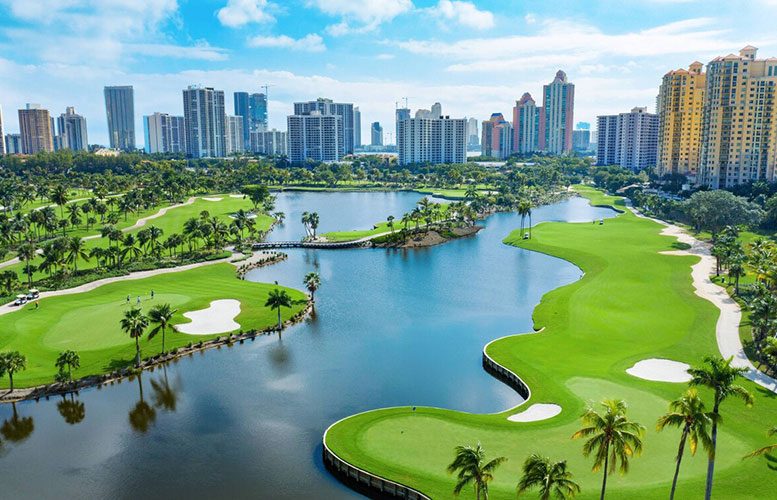
Aventura, Florida: The Complete Guide for 2026
If you’re researching Aventura, Florida, here’s the answer up front: this is a roughly 3.5-square-mile city in northeast Miami-Dade County, almost entirely built around condominiums, anchored by one of the largest malls in the country, and priced for buyers who want walkable luxury near the water rather than a deal. There is no meaningful single-family home market left inside city limits. If you want a yard, you’re looking at Ojus, North Miami Beach, or further west. If you want elevator living with concierge service, marina access, and a five-minute walk to Nordstrom, Aventura still does that better than almost anywhere else in South Florida. This guide covers what it actually costs, who it’s actually for, and where people get surprised after closing.
I’ve walked buyers through this market for years, and the pattern repeats itself: someone sees a photo of the marina at sunset, gets excited, and skips the homework on HOA health and insurance costs. That homework is the whole point of this guide. By the end, you should know exactly what tier of building fits your budget, what questions to ask before you write an offer, and whether Aventura is even the right city for what you’re trying to do.
Who This Guide Is For
Aventura pulls three kinds of buyers: retirees and snowbirds downsizing from single-family homes, relocators from the Northeast and Canada who want a lock-and-leave condo, and investors chasing rental yield near the mall corridor. If you’re a young family chasing a big backyard on a budget, this isn’t your city, and I’ll tell you that directly instead of wasting your time.
Each of these three buyer types shows up with a different set of priorities, and it’s worth being specific about them. The retiree downsizing from a five-bedroom house in Long Island or Toronto usually cares most about single-level living, minimal maintenance, and proximity to healthcare, which is why Aventura Hospital’s central location matters more to this buyer than it does to a 30-year-old. The relocator working remotely for a company based in New York or Chicago is usually renting first, testing the area for six to twelve months, and then buying once they’ve confirmed the commute pattern and the school situation actually works for their family. The investor is running numbers on furnished rental yield near the mall, and for that buyer, building selection matters as much as price per square foot, because a building with a strong short-term rental track record will outperform a cheaper unit in a building that restricts leasing.
If none of those three descriptions fit you, and what you actually want is a quarter-acre lot with room for a pool and a dog run, keep reading anyway, because the New Construction section below points you toward Ojus, which is close enough to get Aventura’s amenities without giving up the yard.
Where Aventura Actually Sits on the Map
Aventura is boxed in by water and neighbors on all sides, which is exactly why land here doesn’t come up for sale often. To the east, the Intracoastal Waterway separates it from Golden Beach and the barrier island. To the south, William Lehman Causeway connects it to Sunny Isles Beach in under five minutes. To the north, it borders Hallandale Beach and unincorporated Broward County. To the west, it runs into Ojus, which is unincorporated Miami-Dade and where most of the area’s new single-family construction is actually happening (Greenview at Presidential, going up on a former golf course site, is one of the only new guard-gated single-family communities built this close to Aventura in about 25 years).
Inside the city, the two corridors that matter most are Biscayne Boulevard (US-1), which runs the commercial spine north to south, and NE 34th Avenue / Country Club Drive, which winds through the Turnberry golf course and most of the residential towers. Ives Dairy Road and Miami Gardens Drive get you to I-95 in about 10 minutes. Fort Lauderdale-Hollywood International Airport is roughly 20 to 25 minutes north; Miami International is 30 to 40 minutes south depending on traffic, which on 826 and 95 is not a small variable.
The city’s boundaries matter more than most buyers realize, because Aventura’s schools, taxes, and city services stop at a very specific line. Cross Ives Dairy Road heading west and you’re in unincorporated Miami-Dade, paying different millage and zoned into a different school. Cross the causeway south and you’re in Sunny Isles Beach, a separate municipality with its own condo stock and its own beach access that Aventura itself doesn’t have (Aventura has no oceanfront, only Intracoastal and inland waterway frontage, which surprises buyers who assumed “close to the water” meant “close to the beach”). If beach access matters to you specifically, that’s a Sunny Isles Beach or Hallandale Beach conversation, not an Aventura one.
Commute testing matters here more than in most South Florida cities, because the mall corridor concentrates traffic in a way a lot of buyers underestimate until they’ve lived through a Saturday afternoon in December. Before you write an offer, drive from the building you’re considering to your actual job or your kids’ school at the actual time you’d be making that drive, not at 11am on a Tuesday when the sales agent takes you on the tour.
The Condo Market: What You Actually Pay in 2026
This is the section most guides gloss over, so let’s be specific. Aventura’s condo stock breaks into three real tiers, and the difference between them isn’t just price, it’s construction era, and that matters more than people realize.
Entry tier (built 1970s-90s): Buildings like Point East, Bay Colony, and some of the older Turnberry-era towers along Country Club Drive offer 1-bedroom resale units from roughly $300,000 to $450,000, with 2-bedrooms often in the $450,000 to $650,000 range. HOA fees here run $700 to $1,200 a month. The catch: these buildings are now subject to Florida’s post-Surfside Structural Integrity Reserve Study (SIRS) law, and several older associations in this corridor have already levied five and six-figure special assessments to fund concrete and roof work. Never write an offer in a building over 30 years old without asking for the milestone inspection report and reserve study first.
I’ve seen this play out in real time: a buyer falls in love with a $380,000 two-bedroom in an older building, the price looks like a steal compared to the mid-tier towers, and then the reserve study comes back showing the association is $2 million short on funding for roof and concrete restoration. That gap doesn’t disappear, it gets billed to owners as a special assessment, sometimes in a single lump sum due within 60 days. The “deal” turns into a $25,000 to $60,000 surprise bill about a year after closing. This is not a hypothetical, it’s the exact pattern that’s played out across dozens of older Miami-Dade buildings since the Surfside collapse forced the state to finally require real reserve funding.
Mid tier (built 2000s-2020s): Marina Palms, Peloro, and the Fairmont-branded residences fall here. Expect $600,000 to $1.2 million for 2 and 3-bedroom units, HOA fees from $1,200 to $2,000 a month, and amenity packages that include marina slips, resort pools, and fitness centers. These buildings are newer, so reserve funding is generally healthier, but confirm it in writing rather than assuming.
This is where most of the relocators and move-up buyers I work with actually land. A family relocating from New Jersey with $900,000 to spend, wanting three bedrooms, in-unit laundry, and a building that isn’t going to hit them with a surprise assessment, is going to spend most of their tour time in this tier. It’s the sweet spot: new enough to have modern code compliance and healthier reserves, established enough to have real resale comps and a track record you can actually evaluate.
Luxury tier: Williams Island, Privé, the Estates at Acqualina, and the Turnberry Ocean Club-adjacent product sit from $2 million into the $20 million-plus range for penthouses. HOA fees at this level regularly run $2,500 to $4,000-plus a month. You’re paying for private marinas, spa floors, and staff, not square footage efficiency.
For a full breakdown of which specific buildings are worth buying and which have deferred maintenance risk, see the Aventura Condo Guide: Which Buildings Are Worth Buying and Why. If you’re trying to figure out what actually fits a first-time buyer’s budget here, I wrote a separate breakdown at First-Time Buyer in Aventura: What the Entry Level Looks Like, because “entry level” in Aventura still means a condo purchase, not a starter house.
Insurance and the Real Monthly Number
Homeowners insurance on Aventura condos has climbed hard since 2022, and it’s a bigger line item than most out-of-state buyers expect. Master policy costs get passed through in the HOA fee, but unit owners still need HO-6 walls-in coverage, which commonly runs $1,500 to $4,000 a year depending on building age and flood zone. Add property taxes (Miami-Dade millage plus no homestead exemption if it’s not your primary residence) and the real carrying cost on a $700,000 condo can land $1,000 to $1,500 a month above the mortgage. Run the full six-line number before you fall in love with a unit.
Here’s what that six-line number actually looks like on a $700,000 mid-tier unit: principal and interest on a conventional loan at current rates runs roughly $3,800 to $4,200 a month depending on your down payment. Add HOA at $1,500. Add property taxes, figure roughly $1,000 to $1,100 a month if it’s not homesteaded. Add HO-6 insurance at $250 to $300 a month. Add flood insurance if the building requires it separately, another $50 to $150 a month. That’s a real monthly number in the $6,600 to $7,200 range before utilities, and it’s the number a lot of buyers don’t see until they’re deep into a mortgage pre-approval, which is too late to be surprised by it.
Waterfront Living and the Marina Lifestyle
Aventura’s identity is the water. Most of the residential towers sit along the Intracoastal or the man-made waterways that wind through the Turnberry footprint, and a meaningful share of buyers here are paying specifically for the view and the dock access, not just the square footage. Marina Palms, Williams Island, and the Yacht Club Drive buildings all offer deeded or leasable boat slips, which matters if you actually own a boat versus just liking the idea of one.
Buyers underestimate two things about waterfront condo living here: first, that “waterfront” and “water view” are priced very differently and agents aren’t always precise about which one you’re getting; second, that flood insurance and wind mitigation requirements are stricter on true waterfront parcels, which shows up in your closing costs and annual premium. A unit on a low floor with direct waterfront exposure can carry a meaningfully higher flood premium than an identical floor plan on a high floor facing inland, even in the same building, because flood zone classification and wind exposure both factor into the rate. If dock access is the whole reason you’re buying, confirm the slip is deeded to the unit and not just a first-come, first-served amenity, because those two arrangements are very different in practice and in resale value.
For a deeper look at which buildings actually have usable marina access versus a nice view from the 20th floor, see Waterfront Living in Aventura: Intracoastal Views and Marina Access.
Schools and Families
Aventura is a smaller family market than people assume, but it’s a strong one if you know where to look. Aventura City of Excellence School (ACES) is a K-8 charter school run by the city itself, consistently rated among the top public schools in Miami-Dade, and it’s a genuine draw for families relocating with young kids. For high school, Don Soffer Aventura High School opened in 2021 as the city’s first public high school, also charter-run, and it filled a real gap since Aventura families previously had to zone out to Michael Krop Senior High.
This matters more than it sounds like on paper. Before ACES and Don Soffer existed, a family that wanted to live in an Aventura condo but also wanted a strong public school had to make a real tradeoff, either zone into a school outside the city or pay for private. Now a family can buy a two-bedroom in Marina Palms and have a legitimate top-rated K-12 public option inside city limits, which is part of why the mid-tier buildings near the school corridor have held value well through rate cycles that hit other Miami-Dade condo submarkets harder.
If you’re buying specifically for the schools, verify current zoning and charter lottery status directly with the school before you write an offer, because charter enrollment isn’t guaranteed by address the way traditional zoned schools are. Both ACES and Don Soffer give priority to Aventura residents, but priority is not the same as automatic admission, and lottery timing changes year to year. I go through the full picture, including private options in the Aventura-Sunny Isles corridor, in Aventura Schools: What Families Need to Know.
New Construction: What’s Actually Coming
Here’s the reality most marketing won’t tell you: there is almost no vacant land left inside Aventura city limits, so “new construction” here means new condo towers replacing older parcels or golf course frontage, not new subdivisions. A handful of towers are in various stages of pre-construction and delivery through 2026 and beyond, priced at a premium over resale because buyers are paying for updated building codes, better storm-hardening, and healthier reserve funds from day one.
That premium is worth understanding in real terms. A new-construction unit will typically price 20 to 35 percent above a comparable resale unit in a mid-tier building, but you’re buying into an association with zero deferred maintenance, current-code hurricane engineering, and a reserve fund that starts fully funded instead of playing catch-up. For a buyer planning to hold for 10-plus years, that premium can pencil out against the special assessment risk sitting in older buildings. For a buyer planning to flip in three years, it’s a harder number to justify, since you’re also competing against every other new unit still being marketed by the developer.
If new construction is genuinely your priority and you’re flexible on being inside Aventura versus immediately adjacent, it’s worth looking a few minutes west into Ojus, where Greenview at Presidential is delivering new single-family homes with private pools on a former golf course, guard-gated, concrete block construction on both stories, impact glass throughout. It’s the first new single-family community built this close to Aventura in about 25 years, and realistic entry pricing starts around $1 million. That’s a fundamentally different product than a condo, worth knowing about if a yard actually matters to you. HOA fees there run higher than a typical subdivision because of the guard-gated infrastructure, roughly mid $500s to $800-plus a month based on comparable communities, so get the exact number in writing from the sales office before you get attached to a floor plan. For the tower-by-tower breakdown of what’s coming and what it costs inside Aventura proper, read New Construction Condos in Aventura: What Is Coming and What It Costs.
Daily Life: The Mall, Founders Park, and Walkability
Aventura Mall is the single biggest reason this city functions the way it does. It’s one of the largest shopping centers in the United States, anchored by Nordstrom, Bloomingdale’s, and Macy’s, with a full luxury wing (Louis Vuitton, Chanel, and the rest of that tier) and enough restaurants that plenty of residents genuinely never leave the immediate area for dinner. If you buy in one of the towers along NE 34th Avenue or Country Club Drive, you can walk to the mall, which is a real lifestyle draw, not marketing language.
Founders Park, on Country Club Drive, is the city’s main green space, with sports fields, a splash pad, and event space, and it’s one of the only spots in Aventura that feels like a traditional park rather than a resort amenity deck. Waterways Park and the Aventura Circle running/biking loop around the golf course are the other two spots locals actually use daily.
Grocery and errand life is easy here: there’s a Whole Foods and Publix within a few minutes of most buildings, and Aventura Hospital sits centrally in the city, which matters more to retirees and families than most buyers think about until they need it. Beyond the essentials, the city runs a genuinely active shuttle and community events calendar, including free outdoor concerts and movie nights at Founders Park, which is part of why a lot of retirees describe Aventura as feeling more like a self-contained small town than a slice of greater Miami, despite sitting minutes from both Miami and Fort Lauderdale’s job centers.
For the full day-in-the-life picture, including traffic patterns on Biscayne Boulevard during snowbird season (January through April, when the roads genuinely get worse), see Life in Aventura: Mall, Marina, Waterways, and What Daily Life Really Looks Like.
Investment and Resale Considerations
Aventura condos rent well, particularly in the mid-tier buildings near the mall, where furnished short-and-medium-term rentals draw consistent demand from snowbirds and corporate relocators. But this is not a market where you buy low and flip fast. Resale timelines on older buildings have stretched as buyers get more cautious about reserve funding and pending assessments post-Surfside, and that caution is justified. A building with a fully funded reserve and a recent milestone inspection will sell faster and hold value better than a comparable unit in a building still catching up on required funding.
The rental math itself varies a lot by tier. Entry-tier units can produce stronger gross yield on paper because the purchase price is lower, but that math falls apart fast if a special assessment lands mid-hold. Mid-tier buildings near the mall corridor tend to be the most consistent performers for furnished medium-term rentals, because corporate relocators and snowbirds will pay a premium for a newer building with better amenities and a shorter commute to the mall’s restaurant row. Luxury-tier units rarely make sense as pure rental plays, the carrying costs are too high relative to achievable rent, and buyers at that level are usually holding for lifestyle or appreciation rather than yield.
If you’re evaluating Aventura as a rental or long-term hold rather than a primary residence, run the numbers on HOA increases over the last three years before you buy, not just the current fee, because that trajectory tells you more about the building’s financial health than the sticker price does. A building that’s raised its HOA fee 8 to 12 percent a year for three straight years is telling you something about either deferred maintenance catch-up or genuinely rising insurance and staffing costs, and either way you need to underwrite the next three years, not just today’s number. The full numbers, including cap rate ranges by tier and what’s actually renting versus sitting, are in Aventura Condo Investment: What the Numbers Look Like in 2026.
The Honest Tradeoffs
No sugarcoating here, because that’s not what South Florida Insider is for.
You will not get a yard. If a yard is non-negotiable, Aventura isn’t your city, full stop. Ojus, Miami Gardens, or Hollywood will fit better.
HOA fees are not optional and they are not static. Every building in this market is under pressure to fund reserves properly after Surfside, and fees have risen faster than most owners expected over the last three years. Budget for increases, not just today’s number.
Traffic during snowbird season is real. Biscayne Boulevard and the mall corridor slow down noticeably from January through April. If you work a strict commute schedule, test drive it during that window before you buy, not in the quiet summer months.
Insurance costs are a real line item, not a footnote. Between the master policy passthrough in your HOA fee and your own HO-6 policy, budget more than you would in a comparable inland market.
Older buildings carry real inspection risk. Anything built before the mid-1990s needs a hard look at its milestone inspection report and reserve study before you go under contract. This isn’t optional due diligence, it’s the difference between a smart purchase and a five-figure surprise assessment eighteen months after closing.
Financing can be tighter than buyers expect. Some lenders flag older buildings or associations with underfunded reserves as non-warrantable, which limits your loan options and can push you toward a higher rate or a larger down payment. Get your lender to confirm a building is warrantable before you fall in love with a specific unit, not after your offer is accepted.
Who Aventura Is Actually For
If you want walkable luxury, marina access, top-tier schools for younger kids, and you’re comfortable with condo ownership and its costs, Aventura remains one of the strongest plays in Miami-Dade for 2026. If you’re chasing a bargain, a yard, or you’re allergic to HOA governance, look elsewhere in the metro, whether that’s Hollywood, Pembroke Pines, or the new single-family product going up just west in Ojus.
For the broader relocation picture, including how Aventura compares to Sunny Isles Beach and Hallandale Beach on price and lifestyle, start with Moving to Aventura: Miami-Dade’s Upscale Condo City on the Water, and check the Aventura Real Estate Market Update: Condo Prices and Trends in Mid-2026 for where pricing sits right now versus six months ago.
If you’re weighing Aventura against other options and want a straight answer on whether it fits your budget and priorities, that’s a conversation worth having before you tour buildings, not after.


More articles you might like
Moving to Aventura: Miami-Dade's Upscale Condo City on the Water
19 min readAventura vs. Boca Raton: Condo Life vs. Suburban House, Which Fits Your Budget?
20 min readFirst-Time Buyer in Aventura: What the Entry Level Looks Like
13 min readAventura Schools: What Families Need to Know (2026 Guide)
13 min readNew Construction Condos in Aventura: What Is Coming and What It Costs
14 min read