Aventura Condo Investment: What the Numbers Look Like in 2026
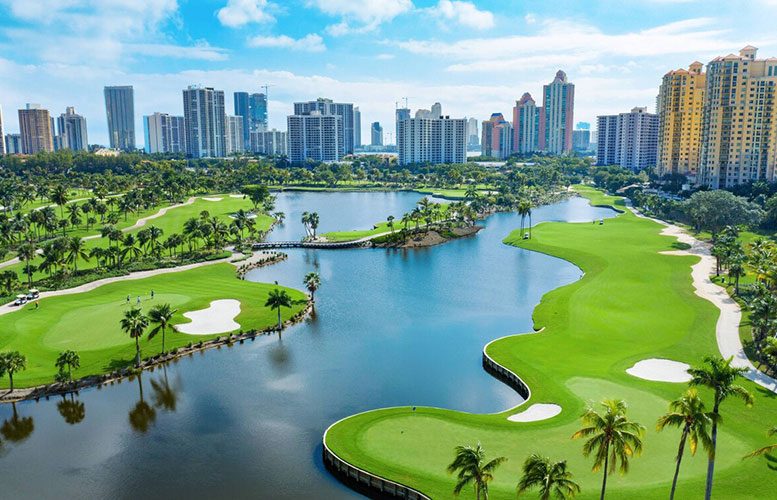
Here’s the honest answer up front: you’re looking at gross rental yields in the 3% to 6% range depending on the building, with older 1980s and 1990s towers producing the better cash flow and newer waterfront buildings producing the better long-term appreciation. Aventura is not a high cap rate market. It’s a stable demand market with a mature, largely built-out condo inventory, and the investment case depends heavily on which building you buy, what shape its reserves are in, and whether you’re optimizing for monthly cash flow or long-term equity growth.
This is the real Aventura condo investment math for 2026, building by building, cost by cost, without the sales pitch.
Aventura Condo Investment: What the Numbers Look Like in 2026
Aventura is a different animal from the newer construction markets further north or west. There’s very little raw land left to build on, so the condo stock is a mix of established towers from the 1970s through the 2000s and a smaller number of newer luxury developments finished in the last decade. That mix is exactly why the numbers vary so much from building to building.
As a baseline for 2026, here’s roughly where things sit:
- Entry-level Aventura condos (Point East, Aventura Lakes, older Mystic Pointe towers): purchase prices generally $200,000 to $380,000 for a 2-bedroom, achievable rent $2,200 to $2,700/month.
- Mid-tier waterfront and Intracoastal buildings (Hamptons South and West, Coronado at Turnberry Isle, mid-range Peninsula units): purchase prices $450,000 to $850,000 for a 2-bedroom, achievable rent $3,000 to $4,000/month.
- Luxury and new-build waterfront (Marina Palms Yacht Club, Prive at Island Estates, Williams Island towers): purchase prices $900,000 to $2M+ for a 2-bedroom, achievable rent $4,500 to $7,000/month.
Run those numbers as gross yield (annual rent divided by purchase price) and the entry-level buildings consistently land at the top of the range, 5% to 6.5% gross, while the luxury towers land at the bottom, 2.8% to 3.8% gross. That’s the core tension every Aventura investor has to resolve: cheaper buildings cash flow better, but they also carry more deferred maintenance risk and slower appreciation. Newer buildings protect your principal better but rarely pay for themselves on rent alone.
Where you land on that spectrum should come down to what you actually need the property to do. An investor who wants the condo to cover its own mortgage payment and then some has a very different building list than an investor who’s parking cash in a market they trust and doesn’t need the rent check to hit a specific number every month. Too many buyers pick a building based on a walkthrough and a view, then reverse engineer the financial argument after the fact. In Aventura, do it the other way around.
For a broader look at where Aventura sits as a market right now, our Aventura Real Estate Market Update: Condo Prices and Trends in Mid-2026 breaks down pricing trends across the whole city, not just from an investor’s lens.
Rental Demand: Who’s Actually Renting in Aventura
The reason Aventura holds up as a rental market, even with modest cap rates, comes down to who wants to live here and why they’re renting instead of buying.
Aventura Mall is one of the highest-grossing malls in the country and anchors a huge amount of retail and service employment in the corridor. Add in the corporate presence along Biscayne Boulevard and the Turnberry Isle office and hospitality footprint, and you get a steady base of working professionals who want to live within a few minutes of their job.
The second driver is relocation. A meaningful share of Aventura’s renters are people relocating to South Florida from the Northeast or from Latin America who rent for six to eighteen months before buying. They want walkability to the mall, easy access to Williams Island and the marina lifestyle, and proximity to Sunny Isles Beach and Hallandale without paying beachfront prices. That’s a renter profile that pays reliably and tends to renew.
The third driver, and the one investors underweight, is empty nesters and part-time residents who rent out their unit for six to nine months a year while they’re not in South Florida. This creates real demand for professionally managed, well-run buildings with strong rental policies, which is a point we’ll come back to.
There’s a fourth group worth naming directly because it shows up in almost every Aventura lease I see: corporate and medical relocations tied to Aventura Hospital and the cluster of medical offices along the Biscayne corridor, plus finance and real estate professionals who work in Bal Harbour or Sunny Isles but want a quieter home base. None of these renters are chasing a trendy neighborhood. They’re choosing Aventura because it’s convenient, safe, and predictable, which is exactly the kind of tenant an investor wants: someone renting for practical reasons, not lifestyle reasons, who’s less likely to break a lease early.
If you’re weighing Aventura against buying in for the long term yourself rather than renting it out, our Moving to Aventura: Miami-Dade’s Upscale Condo City on the Water guide walks through what daily life looks like here, which is useful context for understanding what your tenant is actually buying into.
Cap Rates and Cash Flow: Real Numbers by Building Type
Let’s get specific, because “3% to 6%” isn’t useful without seeing where the money actually goes. Here’s a realistic breakdown for a 2-bedroom, 2-bath unit in three different Aventura building tiers, using 2026 pricing.
Entry-tier example (older Mystic Pointe tower)
- Purchase price: $320,000
- HOA: $650/month
- Property taxes: roughly $5,200/year (non-homestead)
- Insurance (unit owner policy, not master): roughly $1,800/year
- Achievable rent: $2,500/month ($30,000/year)
- Gross yield: 9.4% of purchase price in rent before expenses, net yield after HOA, taxes, insurance, and 8% vacancy/management allowance: roughly 3.8% to 4.2%
Mid-tier example (Hamptons South, renovated 2-bedroom)
- Purchase price: $625,000
- HOA: $1,050/month
- Property taxes: roughly $9,800/year
- Insurance: roughly $2,400/year
- Achievable rent: $3,400/month ($40,800/year)
- Net yield after expenses: roughly 2.8% to 3.3%
Luxury tier example (Marina Palms, 2-bedroom with marina view)
- Purchase price: $1,150,000
- HOA: $1,650/month
- Property taxes: roughly $18,500/year
- Insurance: roughly $3,600/year
- Achievable rent: $5,200/month ($62,400/year)
- Net yield after expenses: roughly 2.4% to 2.8%
The pattern holds every time you run it: entry-tier and mid-tier buildings with reasonable HOA fees outperform luxury towers on cash flow, but luxury towers have historically appreciated faster and carry less exposure to the special assessment problem we’re about to cover, which for Aventura in 2026 is not a small issue.
The Number Most Yield Calculators Skip: Property Management
Every example above assumes an 8% vacancy and management allowance, and that number matters more than most first-time investors think. If you’re self-managing from out of state, or even from a few miles away while you’re working a full-time job, you’re going to underestimate how much time tenant screening, board approval paperwork, and maintenance calls actually take in an Aventura building. A local property manager typically runs 8% to 10% of collected rent for a single unit, sometimes with a flat placement fee of half a month’s rent to a full month’s rent when they find a new tenant.
On the entry-tier example above, that’s roughly $200 to $300 a month coming off your net. Skip it and self-manage, and you save that money, but you also become the person the board calls when a tenant’s air conditioning goes out on a Sunday, or the person chasing down a late payment on the fifteenth of the month. Factor management costs into your numbers before you buy, not after your first vacancy, because the yield you calculated on a spreadsheet and the yield you actually collect are two different numbers if you didn’t plan for this line item.
HOA Fees, Special Assessments, and the Hidden Cost of Older Buildings
This is the single biggest thing that separates a good Aventura condo investment from a bad one right now, and it has nothing to do with rent.
Florida passed SB 4-D after the Surfside collapse, which now requires Milestone Structural Inspections for condo buildings three stories or taller once they hit 30 years old (25 years for buildings within three miles of the coast, which covers most of Aventura), plus Structural Integrity Reserve Studies (SIRS) that force associations to fully fund reserves for roofs, structure, plumbing, and other major components rather than waiving reserves the way many buildings did for decades.
A lot of Aventura’s condo stock was built in the 1970s and 1980s. Point East, several of the original Mystic Pointe towers, and parts of the Turnberry Isle complex are well past that 25 to 30-year threshold. That means associations that spent decades under-collecting for reserves are now required to catch up all at once, and that shows up two ways for an investor: monthly HOA dues that have climbed 20% to 40% over the past two years in some buildings, and special assessments that can run anywhere from a few thousand dollars to $50,000+ per unit depending on what the SIRS finds.
To put a real number on that risk: a buyer who closes on a $320,000 entry-tier unit assuming a 4% net yield, then gets hit with a $30,000 special assessment eighteen months later because the association delayed its reserve funding, has effectively erased close to three years of net cash flow in a single check. That’s not a hypothetical. It’s happened in more than one older Aventura building over the past two years, and it’s the single most common way an investor loses money in this market, not from a bad tenant or a slow rental season, but from a building financial problem that was fully visible in the paperwork before closing.
Before you buy any Aventura condo as an investment in 2026, you need three documents, not one:
- The most recent Milestone Inspection report, if the building is old enough to require one.
- The current Structural Integrity Reserve Study and confirmation of how it’s being funded.
- The last two years of board meeting minutes, specifically looking for any discussion of upcoming assessments.
Buildings that already completed their milestone work and fully funded reserves before 2024 are in a much stronger position than buildings still working through the process. That’s not always visible in the listing price. Two nearly identical units in two different buildings can have wildly different real costs of ownership once you factor in where each association stands on this timeline. Our Aventura Condo Guide: Which Buildings Are Worth Buying and Why goes building by building on this exact question, which is worth reading before you write an offer.
New Construction vs. Resale: The Investment Math
Aventura itself is essentially built out at this point. There isn’t much raw land left for ground-up towers within the city limits, which is different from what you’ll see in Sunny Isles Beach or further north along Biscayne. What limited new construction does exist in and around Aventura tends to command a real premium, often $700 to $1,100+ per square foot, versus $350 to $600 per square foot for well-maintained resale units in the mid-tier buildings.
The investment argument for new construction isn’t cash flow, it never is at that price point. It’s three things: no deferred maintenance or special assessment risk for at least a decade, warranty coverage on major systems, and easier financing since new buildings don’t carry the SIRS and milestone baggage that spooks some lenders on older stock. If you’re specifically evaluating what’s being built and what it costs, our New Construction Condos in Aventura: What Is Coming and What It Costs piece has the current pipeline and pricing.
For most investors chasing yield rather than appreciation, resale in a financially healthy older building beats new construction on the numbers. For investors with a 10+ year hold horizon who want to minimize surprise costs and maximize resale liquidity later, new construction or recently completed buildings like Marina Palms make more sense even at a lower starting yield.
Aventura vs. Sunny Isles Beach vs. Hallandale Beach: Where the Yield Actually Sits
Investors comparing Aventura almost always cross-shop it against Sunny Isles Beach and Hallandale Beach, so it’s worth being direct about how they stack up.
Sunny Isles Beach generally trades at a premium to Aventura, often 15% to 25% higher per square foot for comparable finish levels, because it’s oceanfront and has more short-term rental flexibility in certain buildings. That flexibility can push effective yield higher for an investor willing to manage a rental more actively, but it also means higher insurance costs and more building-to-building variation in rules, since some Sunny Isles associations allow leasing multiple times a year and others don’t.
Hallandale Beach, just north of Aventura along the same corridor, tends to price lower per square foot and can produce gross yields a point or two higher than Aventura’s mid-tier, but the rental demand base is less consistent. Hallandale doesn’t have an anchor like Aventura Mall pulling steady renter traffic, and building quality varies more widely block to block.
The practical takeaway: Aventura sits in the middle of that trio on price, offers the most consistent and predictable renter pool of the three, and trades some upside yield for lower vacancy risk and a more liquid resale market when you eventually sell. If you want the highest number on a spreadsheet today, Hallandale or select Sunny Isles buildings can beat Aventura. If you want the rent check to show up reliably every month for the next decade with fewer surprises, Aventura is usually the safer bet.
Financing Investment Condos in Aventura: What’s Different in 2026
Financing an investment condo in Aventura is not the same process as financing a primary residence, and it’s gotten harder, not easier, over the past two years.
Non-owner-occupied condo loans typically require 25% to 30% down versus 10% to 20% for a primary residence, and lenders run a condo questionnaire on the building before they’ll approve the loan. If a building has an unresolved SIRS, deferred maintenance findings, or litigation, Fannie Mae and Freddie Mac guidelines can flag it as “unwarrantable,” which either kills conventional financing entirely or pushes you into a portfolio loan with a higher rate.
This is a real factor in older Aventura buildings right now. Several towers that haven’t fully completed their milestone and reserve work are effectively cash-buyer-only markets at the moment, which actually creates opportunity for investors who can pay cash or use portfolio lending, since it thins out the buyer pool and can put downward pressure on price. It also means you should get the condo questionnaire status confirmed before you fall in love with a unit, not after you’re under contract.
Rates on portfolio and non-warrantable condo loans typically run half a point to a full point higher than a conventional investment property loan, and that spread needs to go into your yield math the same way HOA dues and taxes do. An investor comparing two buildings with identical rent and price but different warrantable status is often looking at a real difference of several hundred dollars a month once financing costs are accounted for correctly.
Rental Restrictions and Association Rules to Check Before You Buy
Not every Aventura building lets you rent the way you’d assume. Association rules vary significantly, and they directly affect your return:
- Minimum ownership before leasing. Some buildings, particularly in the Turnberry Isle and Williams Island footprints, require you to own the unit for one full year before you’re allowed to lease it.
- Lease term minimums. Most Aventura buildings prohibit anything shorter than a 6 to 12-month lease. Short-term and Airbnb-style rentals are effectively banned in almost all Aventura condo associations, unlike some buildings in Sunny Isles or downtown Miami.
- Leasing caps. Certain associations cap the percentage of units in the building that can be leased at any one time, sometimes as low as 20% to 25%. If a building is already near its cap, you may not be able to lease your unit even if you want to.
- Tenant approval and board interviews. Almost all Aventura buildings require tenant background checks and board approval, which adds two to four weeks to your leasing timeline and needs to be built into your vacancy assumptions.
None of this is disqualifying, but it needs to be confirmed with the building’s current rules, not the rules from five years ago, before you count on a specific rental strategy working. A building that allowed unrestricted leasing three years ago may have added a cap since, especially if the association got concerned about the ratio of owner-occupants to renters affecting financing for future buyers in the building. That ratio matters more than people realize, because a building with too high a percentage of rentals can itself become harder to finance, which then affects your own resale value down the line.
Who Should (and Shouldn’t) Buy an Aventura Condo as an Investment
Aventura makes sense as an investment for a buyer who wants a stable, professionally managed, high-demand rental market and is comfortable with mid-single-digit yields in exchange for lower vacancy risk and strong long-term buyer demand when it’s time to sell. It’s a buy-and-hold market, not a flip market, and it rewards patience and due diligence on building financials far more than it rewards finding an “undervalued” unit.
Picture two buyers. The first is a relocator from New York who wants to park $600,000 in South Florida real estate, doesn’t need the monthly rent to hit a specific number, and plans to eventually move into the unit themselves once they retire in eight to ten years. Aventura’s mid-tier and luxury buildings fit that buyer well, because the priority is capital preservation and eventual personal use, not maximizing monthly cash flow.
The second buyer is a local investor building a small rental portfolio who needs each property to cash flow on its own from month one. That buyer belongs in the entry-tier buildings, Point East, Aventura Lakes, older Mystic Pointe towers, where the purchase price is low enough that even a modest rent covers the mortgage, HOA, and taxes with room left over, assuming the building’s reserves are actually funded.
It’s probably not the right fit if you need double-digit cash-on-cash returns, you’re not prepared to underwrite a building’s reserve study and milestone status before you buy, or you’re planning on short-term rental income, since almost no Aventura association allows it.
If you’re new to the area and still getting oriented on where Aventura fits within the broader market, start with our Aventura, Florida: The Complete Guide for 2026 for the full picture of the city, and if waterfront specifically is part of your investment thesis, the Waterfront Living in Aventura: Intracoastal Views and Marina Access guide covers which stretches of the Intracoastal actually command the rent premiums that justify the entry price.
The Bottom Line
Aventura condo investment in 2026 isn’t about chasing the highest number on paper. It’s about matching the building to your strategy. Older, well-funded buildings with reasonable HOA dues give you the best cash flow, typically 4% to 6% net of expenses if you buy right and the reserves are actually funded. Newer and luxury buildings give you lower day-one yield but less special assessment exposure and stronger long-term appreciation. The worst outcome in this market isn’t a mediocre cap rate, it’s buying into an older building with an unfunded SIRS and getting hit with a six-figure special assessment eighteen months after closing. Do the reserve study homework before you do the rent comp homework, and the rest of the numbers tend to take care of themselves.
If you want a second set of eyes on a specific building’s financials before you make an offer, that’s the kind of due diligence worth doing before you’re under contract, not after. DM me “AVENTURA” and I’ll walk you through the milestone status and reserve funding on the buildings you’re actually looking at.
More articles you might like
Aventura vs. Boca Raton: Condo Life vs. Suburban House, Which Fits Your Budget?
20 min readAventura, Florida: The Complete Guide for 2026
19 min readFirst-Time Buyer in Aventura: What the Entry Level Looks Like
13 min readAventura Schools: What Families Need to Know (2026 Guide)
13 min readNew Construction Condos in Aventura: What Is Coming and What It Costs
14 min read