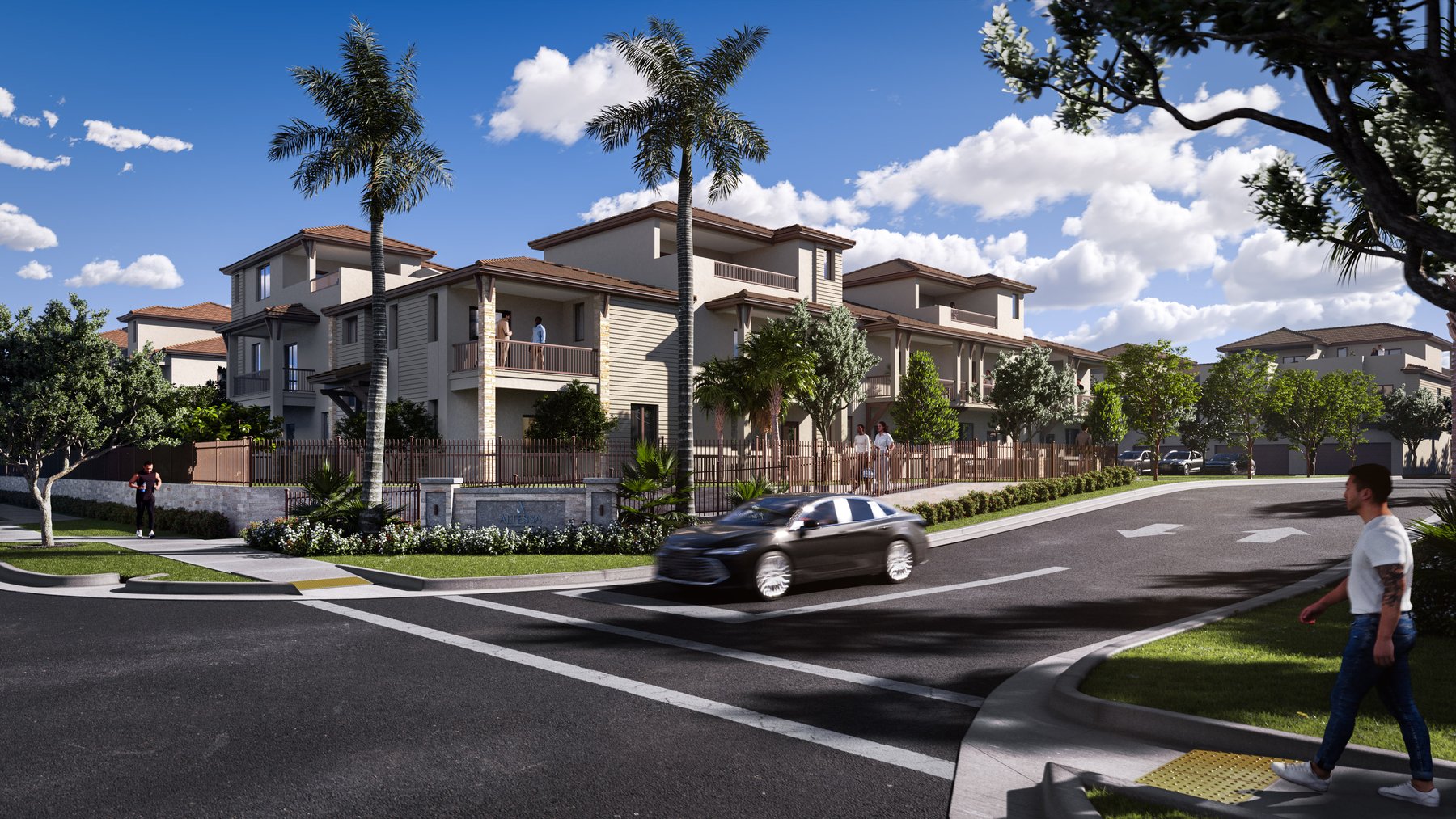
Miramar New Construction (2026): Communities, Builders, and What to Know Before You Buy
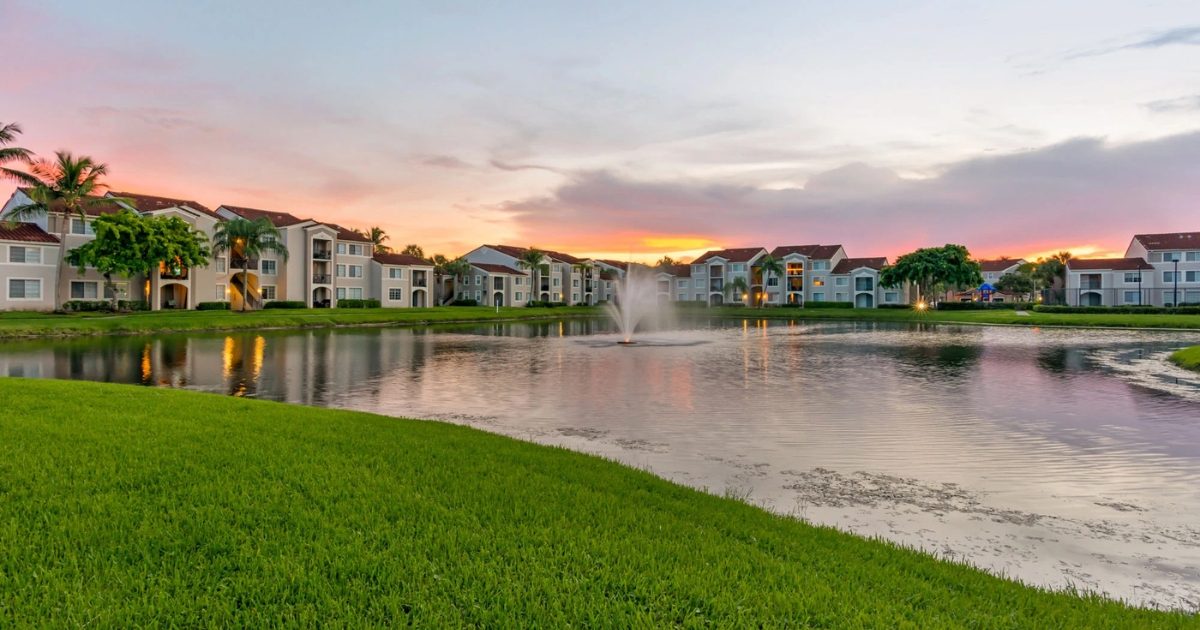
If you’re searching “miramar new construction” hoping to find a handful of active master-planned communities with model homes and builder incentives, here’s the honest answer up front: that boom mostly already happened. Miramar’s big westward build-out ran from the early 2000s through the mid-2010s, and the city is now pressed up against Broward County’s development boundary along the Everglades. What’s left in 2026 is real, but it looks different than it did fifteen years ago. It’s infill lots, town center redevelopment, townhome product, and the occasional builder release on a parcel that got skipped the first time around.
That’s not a bad thing. It just means you need to know where to actually look, what you’re buying into, and how it compares to the established communities that already carry the Miramar name. This guide walks through where new construction still exists, who’s built here, what things cost, and the HOA and CDD realities that catch a lot of buyers off guard.
Why Miramar’s New-Construction Boom Already Happened
Miramar sits in southwest Broward County, wedged between Pembroke Pines to the north, Miami-Dade County to the south, and the Everglades to the west. For two decades, that western edge was where the growth happened. Builders like GL Homes, Lennar, and the company formerly known as Engle Homes/TOUSA carved out large gated communities west of Flamingo Road and Dykes Road, and the city’s population roughly tripled between 2000 and 2020.
The difference between Miramar and a place like Parkland or western Pembroke Pines is simple: Miramar mostly ran out of room first. The Urban Development Boundary that limits sprawl into the Everglades sits close to the city’s western edge, so there isn’t a next phase of raw land waiting to be platted the way there still is farther north and west in Broward. Communities like Monarch Lakes, Silver Lakes, Riviera Isles, Sunset Lakes, Beacon Cove, and Miramar Isles are the finished product of that era. They’re excellent neighborhoods, but if you’re looking for a “new construction” tag on one of those addresses today, you’re looking at a resale market, not a builder’s inventory list.
This matters for how you plan a search. A lot of buyers start their research the same way they would for a growing suburb, checking a builder’s website every few weeks for a new release, waiting for a “coming soon” sign to go up on a corner lot they drive past. In Miramar, that approach mostly wastes time, because the land that would support a new release simply isn’t there in most parts of the city. Understanding that up front saves you months of refreshing the wrong search.
If you want to see what an active, still-expanding new-construction pipeline looks like by comparison, look north to Parkland, where communities like Cascata at MiraLago and Saltgrass at Heron Bay are still releasing new phases. Miramar isn’t in that stage of its life cycle anymore, and pretending otherwise just sets you up for a frustrating search.
Where New Construction Still Exists in Miramar Right Now
Town Center and Civic Center Redevelopment
The most active new-construction activity in Miramar today is concentrated around the downtown core near Civic Center Place, the Miramar Cultural Center, and ArtsPark. This is where the city has pushed mixed-use redevelopment, meaning newer residential product (often multifamily or attached) built alongside retail, office, and civic space rather than a traditional single-family subdivision. If walkability to a downtown core, proximity to city hall, and a more urban footprint appeal to you more than a gated community with a lake view, this is the part of Miramar to watch.
This corridor tends to attract a different buyer than the western gated communities. Think younger professionals who want a shorter commute to the Miramar Park of Commerce, empty nesters trading a big lot for low maintenance, or investors looking at rental demand near civic and cultural amenities. The unit sizes here tend to run smaller than what you’d find in a western single-family community, and the trade-off is proximity and walkability instead of square footage and yard space. If that trade makes sense for how you actually live, it’s worth putting this area at the top of your list rather than treating it as a fallback.
Infill Parcels and Remaining Western Lots
There are still scattered infill opportunities, individual lots or smaller parcels within or adjacent to established communities that get developed as builders acquire land that didn’t move in the first wave. These come and go, they’re rarely large enough to build a marketing campaign around, and they don’t always show up in a basic MLS search the way a big master-plan does. If this interests you, it’s worth having a buyer’s agent actively watching Broward County permit filings and plat records rather than waiting for a builder’s website to announce something.
Realistically, this is a handful of homes a year, not a subdivision. A builder picks up an odd-shaped parcel that didn’t fit the original master plan, or a corner lot that sat vacant because it backed up to a drainage canal or a power easement, and builds four or five homes on it. These sell fast, often before they ever hit a public listing, because local agents and repeat buyers hear about them through word of mouth. If a true infill lot in Miramar is genuinely what you want, tell your agent that specifically and ask them to monitor permit activity, not just active listings, because by the time a permit shows up on the MLS as a listing, you may already be behind other buyers who found out earlier.
Townhomes and Smaller-Footprint Product
As land gets scarcer, builders shift to a denser product. Townhomes and smaller-lot attached homes are the realistic new-construction option for a lot of Miramar buyers right now, especially first-time buyers and downsizers who don’t need a half-acre lot. Expect attached or semi-attached layouts in the 1,400 to 2,200 square foot range, often with a one or two-car garage and a small yard or none at all.
This product type also tends to come with a different HOA structure than the sprawling single-family communities. Because the association is maintaining shared roofs, exterior walls, and common landscaping rather than just gates and a clubhouse, the monthly dues can actually run higher on a per-square-foot basis than a detached home in an older community, even though the base purchase price is lower. That’s a detail a lot of first-time buyers miss when they’re comparing a townhome’s sticker price against a single-family resale and assuming the townhome is automatically the cheaper monthly payment once you add everything up.
The Builders Who’ve Shaped Miramar
Even though the era of huge master-planned announcements has slowed, it helps to know who built what, because it tells you what to expect from construction quality, HOA structure, and resale character.
- GL Homes built extensively in the western Miramar corridor, and their communities tend to have larger lots and more traditional Florida Mediterranean architecture.
- Lennar has a long history across Broward’s western suburbs, including product similar to what you’ll find in communities like Solterra in Sunrise, where their floor plan approach (open-concept, Next Gen suite options, standardized elevations) is consistent from city to city. If you’re comparing a Lennar product in Miramar to one elsewhere, the Solterra floor plans breakdown is a useful reference for how their sizing and layout naming conventions work.
- Pulte, KB Home, D.R. Horton, and Century Communities have all been active in Broward’s western suburbs over the last two decades and occasionally pick up smaller Miramar parcels or nearby product in Pembroke Pines.
The practical takeaway: national builders use the same floor plan libraries across multiple South Florida cities. If you can’t find current Miramar inventory from a builder you like, check their releases in Pembroke Pines or Miami-Dade’s West Miramar-adjacent areas, since the product is often nearly identical. A Lennar floor plan that shows up under one community name in Pembroke Pines might reappear almost unchanged under a different community name a few miles away, just with a different elevation package and a different HOA structure wrapped around it. Knowing that lets you shop the builder, not just the city, which widens your realistic options considerably.
It also helps to understand how these builders think about a market like Miramar today. When a national builder picks up a small parcel in an already-built city, they’re not planning a ten-year phased release the way they would on raw land out west. They’re planning a single, tighter release, sometimes 20 to 40 homes, sold out over 12 to 24 months. That means the sense of urgency builders create (“only three lots left”) is often more real here than it is in a sprawling ten-phase community, simply because there genuinely isn’t a next phase behind it.
Price Ranges: What New Construction Actually Costs In and Around Miramar
Pricing on Miramar new construction moves with the product type, so don’t anchor to a single number.
- Townhomes and attached product: roughly the mid $400,000s to low $600,000s depending on size, garage configuration, and proximity to I-75 or Miramar Parkway.
- Detached single-family infill: when it’s available, expect it to price closer to $650,000 to $900,000+, since it’s competing against a mature, amenity-rich resale market in communities like Riviera Isles and Monarch Lakes.
- Town center mixed-use residential: pricing varies widely depending on unit size and whether it’s a rental conversion product or for-sale, so this needs a direct check against current listings rather than a rule of thumb.
These are directional ranges, not a quote. New construction pricing changes with builder incentives, lumber and labor costs, and interest rate buydowns that shift monthly, so treat any number here as a starting point for a conversation, not a contract.
It also helps to run the comparison the other direction. A resale home in Monarch Lakes or Silver Lakes with a similar bedroom count and square footage often lists in a comparable range to new detached infill product, sometimes lower once you factor in a dated kitchen or bathroom that a buyer plans to update anyway. The real difference isn’t always the sticker price, it’s what’s included. New construction gives you a builder warranty (typically one year on workmanship, two years on systems, and ten years on structural items under Florida’s statutory warranty framework), impact windows and a newer roof that meets current wind mitigation codes, and the ability to choose finishes during the build. A resale home might need a new roof in five years or updated impact glass that the current owner never installed. Neither option is automatically the better financial move, it depends on how you value cash today versus certainty over the next decade, and that’s a conversation worth having with your agent and your lender before you fall in love with either option.
Financing also plays a role in how these numbers actually land in your monthly payment. Builders in Miramar’s price range regularly offer rate buydowns through their preferred lender, sometimes 1 to 2 points below the prevailing rate for the first year or two, in exchange for using their lender instead of shopping the rate independently. That can make a new townhome’s effective monthly payment competitive with a resale home priced tens of thousands of dollars lower. Always run the actual numbers side by side, comparing total cost over the time you expect to own the home, not just the rate on the sheet.
HOA and CDD Realities in Miramar Communities
This is where a lot of buyers get surprised, and it’s worth taking seriously before you fall in love with a floor plan.
Miramar’s westward communities were largely built with community development districts financing the roads, drainage, and utility infrastructure that made the land buildable in the first place. A CDD fee is not the same thing as your HOA dues. It’s a separate, bond-backed assessment that shows up on your property tax bill, and it can run anywhere from a few hundred to well over a thousand dollars a year depending on the community and how much of the original bond debt is still outstanding.
The mistake I see buyers make constantly is comparing a listing’s advertised HOA fee against a home in a non-CDD community and assuming they’re apples to apples. They’re not. If you want the full mechanics of how CDDs work, how they’re structured, and how to spot one before you’re under contract, read What Is a CDD Fee in Florida? A South Florida Buyer’s Guide. It’s required reading before you make an offer on anything in Miramar’s western communities.
HOA dues on top of that vary widely. A townhome community with shared roofs and landscaping might run $300 to $500 a month. A gated single-family community with a clubhouse, pool, and 24-hour security gate can run higher. Ask for the HOA’s most recent budget and reserve study, not just the current monthly number, because a community that’s underfunding reserves today can hit you with a special assessment tomorrow.
Here’s a concrete way to think about it. Say you’re comparing two homes, both around 2,000 square feet, both priced near $650,000. One is a townhome in a newer product near the town center with a $420 monthly HOA fee and no CDD. The other is a detached home in an established western community with a $180 monthly HOA fee but a $1,100 annual CDD assessment on the tax bill. Add it all up on a monthly basis and the two homes land within about $30 of each other, even though the sticker HOA numbers looked wildly different at first glance. The only way to catch that is to ask for the full picture, tax bill included, before you compare two properties as if the HOA line on the listing sheet tells the whole story.
It’s also worth asking how much of the CDD bond is still outstanding and over what term. Some CDDs are 15 years into a 30-year bond, meaning the assessment is scheduled to step down (or disappear entirely) partway through your ownership. Others reset or add new debt when the district takes on additional infrastructure work, like resurfacing roads or upgrading drainage. Your title company or the HOA management company can usually provide the bond amortization schedule if you ask directly, and it’s a five-minute request that can change how you think about the long-term cost of a specific address.
New Construction vs. Buying Resale in an Established Miramar Community
Here’s the reality most agents won’t say out loud: if you want to live in Silver Lakes, Riviera Isles, Sunset Lakes, Beacon Cove, or Monarch Lakes, you’re buying resale. Full stop. Those communities are built out, and any “new construction” search that returns results in those neighborhoods is going to be a rare teardown-and-rebuild situation, not standard inventory.
That’s not a downside. These communities have mature landscaping, established HOAs with track records you can actually evaluate, and known resale patterns. You’re trading the new-home builder warranty and the ability to pick your own finishes for a home you can walk through today, negotiate on, and move into faster.
Think about a typical buyer scenario. A family relocating from out of state for a job near the Miramar Park of Commerce wants to close within 60 days and get kids enrolled in school for the fall semester. New construction, even on an infill lot with a fast build schedule, usually can’t hit that timeline unless the home is already near completion as a builder spec home. A resale home in Silver Lakes or Monarch Lakes, by contrast, can close in 30 days and let that family move in before the school year starts. For a buyer on a real-world clock, that timing difference alone often settles the new-versus-resale question before price or finishes even enter the conversation.
Compare that to a different scenario: a couple downsizing from a large lot in Miramar Isles who don’t need a fast close and specifically want low-maintenance living with modern finishes they never have to renovate. For them, waiting on a townhome release near the town center, or watching for an infill parcel, makes more sense, because timeline pressure isn’t part of their decision and the trade-off of new finishes and lower maintenance genuinely outweighs the wait.
If having true new-construction options matters more to you than a specific Miramar zip code, it’s worth widening the search. Pembroke Pines, directly north of Miramar, has more active new-home activity and a similar commute profile, similar school access, and a comparable price range. For buyers who are flexible on exact city but firm on “I want to buy new,” that’s often the smarter move than waiting for a rare Miramar infill release.
If you do want a sense of how a builder documents a specific community, floor plan by floor plan, comparable guides like the ones for Parkland Royale or Vineyards show the level of detail worth demanding before you sign anything, square footage by elevation, not just a marketing brochure square footage range.
Commute, Schools, and Corridor Context
Miramar’s location is a real selling point regardless of whether you buy new or resale. I-75 runs through the western part of the city and connects north to Fort Lauderdale and Sawgrass Mills, and south into Miami-Dade toward Hialeah and Miami International Airport. Miramar Parkway and Pembroke Road are the primary east-west corridors, and Flamingo Road and University Drive handle north-south traffic.
The Miramar Park of Commerce, one of the largest employment corridors in Broward County, sits along I-75 and houses distribution, office, and light industrial employers. If you or a household member commutes there, that proximity is worth weighing heavily, since it can shave real time off your day compared to commuting in from Parkland or Weston. A resident in a western Miramar community can often reach the Park of Commerce in under 15 minutes outside of peak congestion, a commute that would run closer to 30 to 40 minutes from communities further north or west in Broward.
For buyers commuting into Miami-Dade, Miramar’s southern location is another practical advantage worth naming directly. I-75 south connects to the Palmetto Expressway corridor, putting Hialeah, Doral, and Miami International Airport within a realistic daily commute, something that’s noticeably harder from communities further north like Parkland or Coral Springs. If your job or your spouse’s job pulls south into Miami-Dade regularly, that difference alone can be worth more than a slightly bigger lot elsewhere in Broward.
On schools, Miramar is served by Broward County Public Schools, with Everglades High School and Miramar High School among the zoned options depending on exact address. Zoning boundaries shift and get redrawn, so never assume a school assignment based on the neighborhood’s reputation. Confirm the exact zoned school for any address you’re serious about directly with Broward County Public Schools before you write an offer, especially if school assignment is a top priority.
It’s also worth checking proximity to charter and magnet options if that matters to your family. Broward County has a robust magnet program, and several Miramar-area families choose to apply into programs outside their zoned school rather than rely solely on address-based assignment. If school choice is part of your decision, ask about magnet application windows and lottery timing well before closing, since those deadlines don’t wait for your move-in date.
How to Buy New Construction the Smart Way in Miramar
-
Get a buyer’s agent before you walk into a builder’s sales office. The person sitting at that desk represents the builder, not you. Their contract, their incentives, their negotiating room, all of it is built to protect the builder’s margin. Bringing your own representation costs you nothing extra in most cases, since the builder typically pays the buyer’s agent commission out of the deal they already structured.
-
Ask for the CDD and HOA disclosures in writing, not a verbal estimate. Get the actual assessment schedule, not just this year’s number, since CDD payments can step down or occasionally increase depending on the bond’s amortization schedule.
-
Negotiate the incentive, not just the price. Builders in a market with active new-home competition (which includes most of Broward’s western suburbs) are often more flexible on rate buydowns, closing cost credits, or design center allowances than on the base price itself. Ask what’s actually negotiable before you assume the price on the sheet is fixed.
-
Get an independent inspection even on new construction. A builder’s warranty doesn’t replace a third-party set of eyes. New homes have punch-list items, and a pre-closing inspection catches things the builder’s own walkthrough checklist misses.
-
Compare against nearby resale before you commit. If a builder’s asking price in a town center product is close to what a similar-sized resale home costs in Riviera Isles or Silver Lakes, run the real math on lot size, amenities, and HOA structure before assuming new automatically wins.
-
Widen your search radius if new construction is the priority. If being in true new-construction inventory matters more than the specific Miramar address, Pembroke Pines and other nearby western Broward suburbs may get you there faster and with more selection.
-
Ask about the actual construction timeline, not the sales office estimate. A sales rep quoting a six-month build on a to-be-built home is giving you the best-case scenario. Permitting delays, material backorders, and inspection scheduling with Broward County can push that out. If your move is tied to a lease expiration or a school start date, build in a real buffer rather than planning around the optimistic date.
-
Understand what “spec home” pricing actually includes. A builder spec home, one already under construction or completed with pre-selected finishes, often prices differently than a to-be-built home you customize from scratch. Spec homes can be a faster close and sometimes carry a better incentive because the builder wants it off their books, but you lose the ability to change the layout or upgrade certain finishes. Ask directly whether a listed price is for a spec home or a to-be-built slot before you compare it against another builder’s price sheet.
The Bottom Line
Miramar new construction in 2026 is real but limited. The city’s major master-planned build-out already happened, and what’s active today is mostly infill, town center redevelopment, and townhome product rather than sprawling new single-family communities. If your heart is set on an established Miramar neighborhood like Monarch Lakes, Silver Lakes, or Riviera Isles, plan on buying resale and shop it like any mature community, checking HOA financials and reserve studies carefully. If buying brand new is the non-negotiable, keep your search flexible enough to include Pembroke Pines and other nearby suburbs where builders still have active releases.
Either way, know the CDD and HOA numbers before you fall for a floor plan, get your own representation before you walk into a sales office, and treat the builder’s price sheet as a starting point for negotiation, not a final answer. That’s how you buy smart in Miramar, new construction or not.

Watch: learn more
Go deeper with my South Florida Insider videos.
Solterra: Everything You Need to Know Before You Visit
Solterra: Everything You Need to Know Before You Visit
More articles you might like
Miramar, Florida: The Complete Guide (2026)
13 min read
Is Avenir Worth It? An Honest Look at Multiple builders's Palm-Beach-Gardens Community
20 min read
Vineyards in Davie: The New Construction Guide (Floor Plans, Pricing, What to Know)
15 min read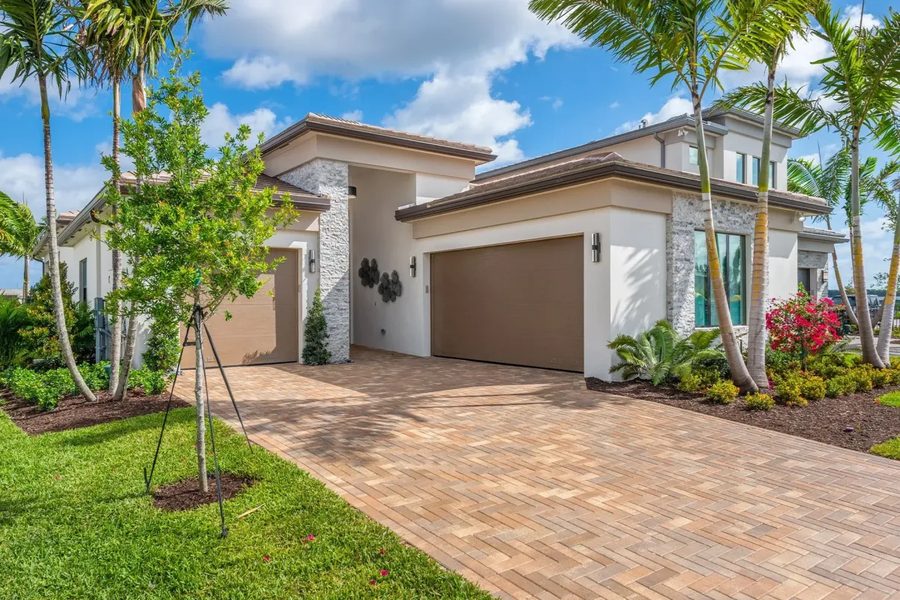
Westview at Doral in Doral: The New Construction Guide (Floor Plans, Pricing, What to Know)
14 min readVineyards Davie New Construction: The Complete Guide to Floor Plans, Pricing, and What to Know Before You Buy
16 min read