Vineyards in Davie: The New Construction Guide (Floor Plans, Pricing, What to Know)
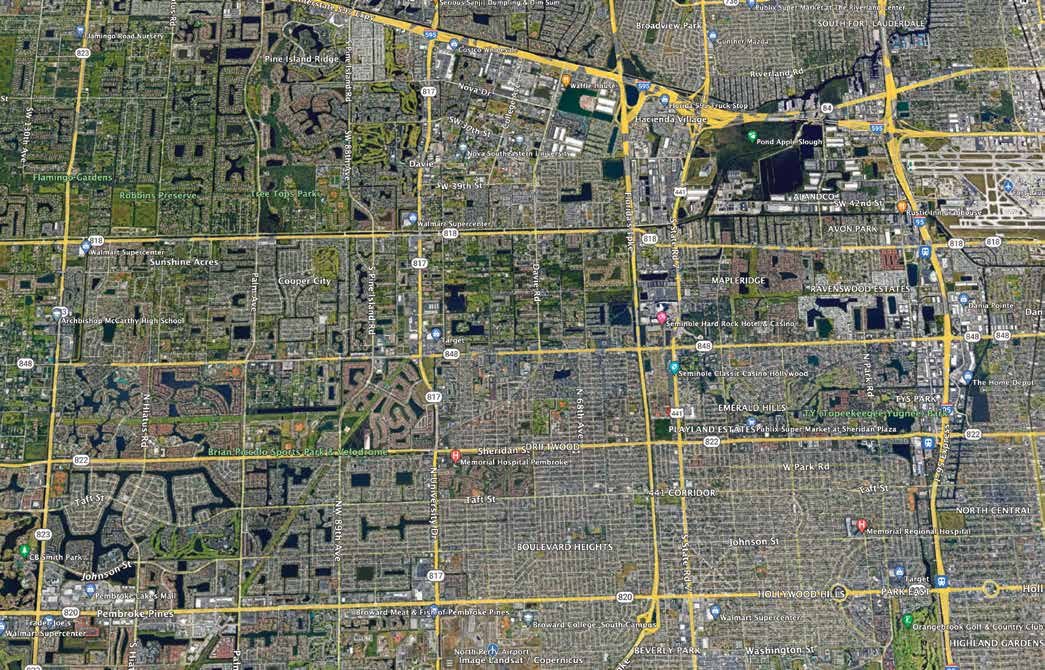
If you’re searching for vineyards davie new construction, here’s the short version: D.R. Horton is building a small, master-planned community of townhomes and single-family homes at 7224 SW 46th Street in Davie, just off Griffin Road, with four townhome floor plans, one single-family plan, smart home technology built in standard, and amenities still coming online. This guide walks through what’s actually being built, what it costs to live there long-term, and how to approach the builder so you don’t get steamrolled by a sales office that’s trying to move inventory.
Davie has quietly become one of the more active new construction corridors in Broward County. Between Vineyards, Marigold, Estates by Turnberry, and The Oaks of Davie, buyers now have four distinct new construction products within a few miles of each other, each aimed at a different budget and lifestyle. Vineyards is the entry point of that group. Understanding where it fits, and where it doesn’t, is the difference between making a wise decision and overpaying for the wrong product.
Vineyards Davie New Construction: What D.R. Horton Is Building
Vineyards is a D.R. Horton community built under the builder’s Emerald Series line, which is the company’s standard-inclusions tier (as opposed to their Express or Freedom lines, which strip features down further). The community sits at 7224 SW 46th Street, Davie, FL 33314, off Griffin Road in southwest Davie. You can reach the sales office directly at 954-231-2586.
The product mix is straightforward: townhomes and single-family homes, all built on a small footprint. This isn’t a sprawling 800-unit master plan like some of the newer western Broward communities. It’s a compact infill site with a mail kiosk, a small lake, a fountain, and a trellis feature marked in the site plan. The community amenities, a swimming pool, cabana, and playground, are listed as “Coming Soon” in D.R. Horton’s brochure, which means if you’re buying early in the build-out, you’re buying on a promise, not a finished amenity package. That’s normal for new construction, but it’s worth knowing going in.
D.R. Horton is a national public homebuilder, which matters here in two ways. First, they build fast and they build a lot of units, so you’re not dealing with a boutique builder who might run into capital problems mid-construction. Second, they’re a production builder, which means limited customization, firm build schedules, and sales staff who work off a script designed to close deals efficiently. Neither of those is a knock. It just means you should walk in knowing how the process works.
Where Vineyards Sits in Davie (And What That Means for Your Commute)
Location is the first tradeoff to understand. Griffin Road in this stretch of southwest Davie puts you within a few minutes of I-595, which is the corridor most people use to get to Fort Lauderdale-Hollywood International Airport, downtown Fort Lauderdale, or west toward Sawgrass Mills and the Sawgrass Expressway. That’s a real advantage if you commute east toward the coast for work or fly frequently.
Davie itself has a split identity that’s worth understanding before you buy anywhere in the city. The eastern and central parts of Davie, closer to University Drive and Nova Southeastern University, feel more suburban and built out. The western reaches, historically Davie’s “horse country,” still carry that semi-rural, large-lot character with equestrian zoning in pockets. Vineyards sits in the more developed southwest section, closer to Griffin Road’s commercial corridor, not out in the horse property zone. If you came to Davie because you pictured yourself with a horse in the backyard, Vineyards is not that. It’s a production-built townhome and small single-family community on a compact lot, closer to shopping, restaurants, and the highway than to pasture land.
That tradeoff, walkability to commerce and highway access versus land and rural character, is the single biggest thing to get clear on before you tour the model. Southwest Ranches, a few miles further west, still has real acreage, agricultural zoning, and no HOA at all if that’s actually what you’re after. Vineyards is a different lifestyle entirely, built for someone who wants a new, low-maintenance home close to everything, not someone chasing land.
The Floor Plan Lineup: Townhomes vs. Single-Family
D.R. Horton’s Vineyards brochure lists five floor plans total: four townhomes and one single-family plan. If you want a deeper breakdown of each layout, we cover the room-by-room detail in Vineyards Floor Plans Explained (2026): Sizes, Layouts, and Which One Fits. Here’s the summary.
Townhomes (Bonnet, Gilliam, Westland, Stranahan)
All four townhome plans are two-story with a one-car garage.
- Bonnet: 3 bedrooms, 2.5 baths, 1,738 square feet under air, 1,992 total square feet. This is the smallest and likely the entry price point in the community.
- Gilliam: 4 bedrooms plus a flex room, 2.5 baths, 1,863 square feet under air, 2,142 total square feet. The flex room is worth paying attention to if you work from home or want a formal office instead of converting a bedroom.
- Westland: 4 bedrooms plus a flex room, 2.5 baths, 1,908 square feet under air, 2,174 total square feet. Nearly identical footprint to the Gilliam with a slightly larger layout.
- Stranahan: 4 bedrooms, 3 full baths, 1,929 square feet under air, 2,175 total square feet. This is the only townhome plan with three full baths instead of 2.5, which matters if you’re housing multigenerational family or want a full bath for a downstairs guest suite.
The one-car garage across all four townhome plans is a real limitation if you’re a two-car household. Factor in guest parking and street parking realities before you assume a second vehicle fits comfortably.
Single-Family (Merrit)
- Merrit: 4 bedrooms, 2 baths, 1,739 square feet under air, 2,332 total square feet, single story, on a zero-lot-line homesite, with a two-car garage. There’s also a flex option in lieu of the fourth bedroom, so you can configure it as a 3-bedroom-plus-office if that fits your household better.
The Merrit is offered in Classic Coastal and Contemporary Modern elevations, which is D.R. Horton’s way of giving you two exterior looks without actually changing the floor plan underneath. Zero-lot-line means the home sits close to one property line, which keeps yard maintenance minimal but also means less side-yard privacy than a traditional lot. If low-maintenance and single-story living matter more to you than a big yard, this is the plan to focus on.
What’s Included: Construction, Smart Home, and Finishes
This is where D.R. Horton’s Emerald Series actually earns its price point, and it’s worth knowing what you’re getting standard versus what other builders charge extra for.
Structural and hurricane-ready construction: concrete monolithic slab, masonry block walls, an engineered roof system with hurricane clips, cement roof tile, and impact-resistant glass throughout. In a county where wind mitigation credits directly affect your homeowners insurance premium, impact glass and a hurricane-clipped roof system standard (not as an upgrade) is a meaningful cost saving over the life of the home. Paver driveways are also standard.
Kitchens: granite countertops, a waterfall island, 42-inch soft-close cabinets, and Whirlpool stainless steel appliances. Townhomes get a tankless water heater standard, which is a genuine upgrade most builders charge extra for and one that pays for itself in a two-story home with limited utility closet space.
Bathrooms: quartz countertops, frameless glass showers, and 24x24 porcelain tile flooring throughout the home.
Smart home technology, standard on every home: D.R. Horton markets this as “Home Is Connected,” and it includes a Qolsys IQ Panel II 7-inch touchscreen with a built-in 5-megapixel camera, an ADC WiFi video doorbell, a Z-Wave smart thermostat, a Z-Wave smart light switch, a Z-Wave smart door lock, and a WiFi-enabled garage door opener. This is a legitimate differentiator. A lot of production builders sell this as a $3,000 to $5,000 add-on package. D.R. Horton is including it standard across the Emerald Series, and it’s worth factoring into your comparison if you’re cross-shopping other Davie communities.
Warranty coverage: D.R. Horton’s own 1-year builder warranty, a 10-year structural warranty backed by RWC (Residential Warranty Corporation, a third-party warranty administrator, not D.R. Horton itself), a 10-year Carrier HVAC warranty, and third-party inspections during the build. The 10-year structural warranty being backed by an independent company rather than self-insured by the builder is worth asking about directly, because it means a claim doesn’t depend solely on D.R. Horton’s financial health decades from now.
Pricing: What D.R. Horton Hasn’t Published (And What To Ask)
Here’s the honest answer: D.R. Horton’s Vineyards brochure does not list pricing. That’s not unusual for production builders, who tend to hold pricing close and adjust it community by community, sometimes lot by lot, based on current sales pace and incentive structure. If a website or a third party is quoting you a specific number for Vineyards right now, verify it directly with the sales office before you anchor to it, because production builder pricing moves faster than most people expect.
What you should do instead of guessing is walk in with the right questions:
- What is the current base price for each plan, and does it include the lot, or is there a separate lot premium?
- What incentives are currently active, closing cost credits, rate buydowns, design center credits, and do they change month to month based on sales targets?
- Is the price you’re quoted locked for a specific release, or does it float until you’re under contract?
- What’s the current build timeline for a home that isn’t started yet versus a quick move-in home already under construction?
For context on where Vineyards likely slots into the broader Davie new construction market: Marigold, built by Pulte Homes, starts from $1,335,990, and The Oaks of Davie, built by Rhino Homes, starts from $1,550,000. Both of those are single-family luxury products on larger lots, an entirely different tier than a 1,700 to 1,900 square foot D.R. Horton townhome. Vineyards is built to be the more attainable option in this corridor, not a competitor to those price points. If you want the full pricing and HOA breakdown we’ve compiled, see Vineyards Review (2026): Prices, Floor Plans, HOA, CDD, and Who It’s For and Vineyards Davie New Construction: The Complete Guide to Floor Plans, Pricing, and What to Know Before You Buy.
HOA and CDD: What You Need to Get in Writing
This is the section most buyers skip, and it’s the one that costs people the most money over time.
D.R. Horton’s brochure confirms there will be an HOA responsible for maintaining the community’s shared amenities, the pool, cabana, and playground once they’re built, along with the small common areas like the lake, mail kiosk, and entry features. What the brochure does not list is the actual monthly HOA dues. Don’t assume, ask for the current HOA budget or estimated dues in writing before you go under contract.
On the CDD question (Community Development District, a separate taxing structure some large master-planned Florida communities use to finance infrastructure), Vineyards is a small, compact infill site rather than a sprawling master plan with new roads, drainage systems, and utility infrastructure built from scratch. Smaller infill sites like this are less commonly subject to a CDD than large master-planned communities, but “less commonly” is not “never.” Confirm directly with the sales office whether a CDD applies to this specific site, and if it does, get the current CDD assessment and the payoff schedule in writing. This is the same due diligence we walk through in Estates by Turnberry HOA & CDD Fees: What You’ll Actually Pay Every Month, and the same discipline applies here. An HOA fee you know about going in is a budget line. An HOA fee (or CDD assessment) you discover after closing is a problem.
Also ask what the HOA covers versus what you’re responsible for. In a townhome, exterior maintenance, roof, and common landscaping are often bundled into the HOA fee. In the single-family Merrit plan on a zero-lot-line homesite, that responsibility split can look different. Get it in writing, not verbally from a sales rep who may not be there in two years.
How Vineyards Compares to Other Davie New Construction
Davie right now gives you a genuine range of new construction options, and Vineyards is only the right call for a specific kind of buyer.
If you want the lowest entry point into new construction in Davie, with smart home tech included standard, a one-car garage townhome format, and you’re comfortable buying into a community where amenities are still “Coming Soon,” Vineyards is your community. It’s also the only option in this group offering true townhome product, which matters if a smaller footprint and lower maintenance responsibility is the actual goal, not a compromise.
If you want a single-family home on a full-size lot with more separation from your neighbors and you have more budget to work with, Marigold starting from $1,335,990 or The Oaks of Davie starting from $1,550,000 are the better fit. And if lot size is the entire point, 20,000 to 25,000-plus square foot homesites with a guest casita option, Estates by Turnberry occupies the $1.7 million to $2.2 million range and is built for a completely different buyer than anyone shopping Vineyards. We break down that specific tradeoff, and whether the premium is worth it, in Is Estates by Turnberry Worth It? An Honest Look at CC Homes’s Davie Community and Estates by Turnberry Floor Plans Explained (2026): Sizes, Layouts, and Which One Fits.
The reality is these four communities aren’t really competing with each other. They’re serving four different budgets and four different lifestyles within a two to three mile radius of each other. Vineyards wins on price of entry and included technology. It loses on lot size, garage capacity, and amenity maturity if you’re buying in the early phases.
The Smart Way to Approach the D.R. Horton Sales Office
Production builder sales offices are set up to move inventory efficiently, and that’s not a criticism, it’s just how the model works. A few things to know before you walk in:
The on-site sales rep represents the builder, not you. They’re not doing anything dishonest by default, but their job is to close the sale at the best price for D.R. Horton. If you want someone negotiating specifically for your interests, on price, on which lot you get, on what incentives you qualify for, bring your own agent before you sign anything, not after. In most cases, using your own buyer’s agent costs you nothing extra, because the builder has already built that commission into their pricing structure.
Ask about quick move-in inventory versus to-be-built homes separately. Quick move-in homes (already under construction or finished) often come with better incentives because the builder wants them off the books. To-be-built homes give you more say over lot selection and sometimes finish options, but you’re waiting longer and pricing may not be locked as firmly.
Get everything in writing before you sign. HOA dues, CDD status if applicable, current incentives, and the specific inclusions list for your plan and elevation. Sales offices update incentive packages regularly, and what’s true this month may not be true next month.
Have your own inspector, not just the builder’s third-party inspection, do a walkthrough before closing. D.R. Horton’s brochure references third-party inspections during the build process, which is a good sign, but an independent inspection paid for by you, not the builder, protects your interests specifically.
Bottom Line on Vineyards Davie New Construction
Vineyards is D.R. Horton’s play for the attainable end of Davie’s new construction market: four townhome plans from 1,738 to 1,929 square feet, one single-family plan at 1,739 square feet, smart home technology standard, hurricane-ready construction standard, and a small master-planned site with amenities still coming online. It’s the right fit if you want new construction in Davie without stretching into the $1.3 million-plus range that Marigold, The Oaks of Davie, and Estates by Turnberry occupy, and if a compact, low-maintenance footprint close to Griffin Road and I-595 fits your lifestyle better than acreage.
Before you write a contract, get three things nailed down in writing directly from the sales office: current base pricing for your specific plan and lot, the actual HOA dues, and whether a CDD applies to this site. Everything else in the brochure, the smart home package, the hurricane-rated construction, the warranty structure, is solid and well-documented. The numbers that aren’t published yet are exactly the numbers that determine whether this is the right decision for your budget. Ask for them plainly, get them in writing, and you’ll walk into this community with your eyes open instead of hoping the sales office fills in the blanks in your favor.
Watch: learn more
Go deeper with my South Florida Insider videos.
Solterra: Everything You Need to Know Before You Visit
Solterra: Everything You Need to Know Before You Visit
More articles you might like
Is Vineyards Worth It? An Honest Look at D.R. Horton's Davie Community
13 min readVineyards Floor Plans Explained (2026): Sizes, Layouts, and Which One Fits
13 min readIs Estates by Turnberry Worth It? An Honest Look at CC Homes's Davie Community
16 min readEstates by Turnberry Floor Plans Explained (2026): Sizes, Layouts, and Which One Fits
14 min readEstates by Turnberry in Davie: The New Construction Guide (Floor Plans, Pricing, What to Know)
15 min read