Golf, FL Real Estate Market 2026: Prices, Trends & What Buyers Should Expect
If you’re searching for the golf fl real estate market 2026 prices trends and what buyers should expect, here’s the direct answer: the Village of Golf is one of the smallest, most private, and most expensive residential markets in Palm Beach County, homes typically sell between $1.2 million and $3 million or more, inventory is almost always thin, and buyers who want a bargain or a wide selection are looking in the wrong place. This isn’t a market you shop casually. It’s a market you wait for.
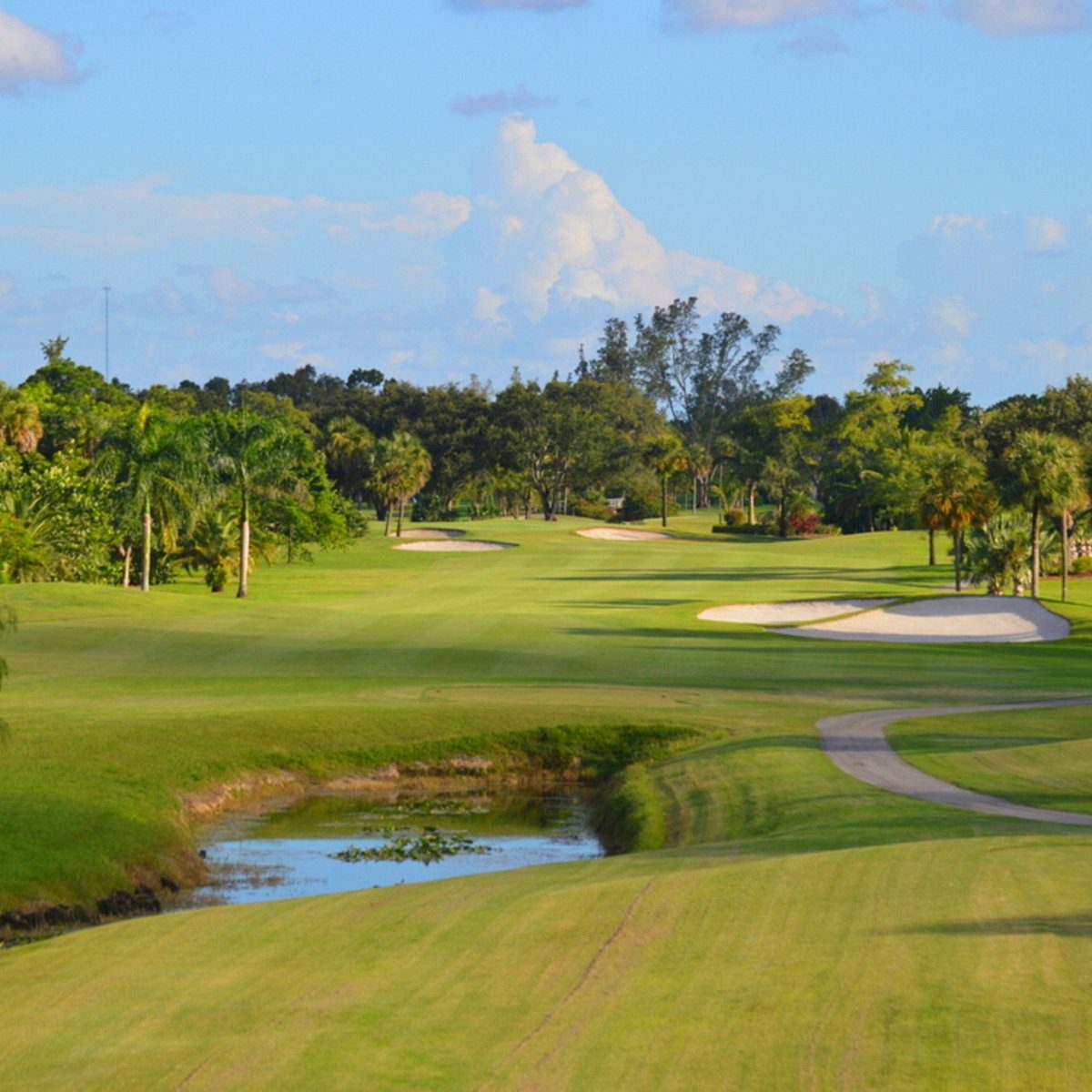
I’ve worked enough Palm Beach County relocation clients to know that “Golf, FL” confuses people at first. It’s not a neighborhood inside a bigger city. It’s its own incorporated municipality, the Village of Golf, tucked between Lantana and Lake Worth Beach, built around a private golf course and defined almost entirely by large estate lots and mature oak canopy. There is no downtown, no strip mall, no through traffic. That’s the whole point of the place, and it’s exactly why the real estate here behaves differently than anywhere else in the county.
The Real Answer: What Golf, FL Homes Cost in 2026
Let’s start with numbers, because that’s what most buyers actually want.
In 2026, home prices in the Village of Golf typically run:
- Entry-level estate homes: roughly $1.1 million to $1.5 million, usually on smaller lots by Golf standards (still large compared to most of Palm Beach County) or homes that need updating
- Mid-range estates: $1.5 million to $2.3 million, generally updated, on half-acre-plus lots, sometimes with pool and mature landscaping already in place
- Top-tier estates: $2.5 million to $4 million and up, often golf course frontage, larger acreage, or newer construction replacing an older teardown
There is no condo market here, no townhome tier, no starter-home segment. If you’re coming from a market where “new construction” means a production builder putting up a few hundred homes a year, recalibrate. The Village of Golf isn’t building subdivisions. Any new construction here is a custom or semi-custom estate replacing something older, one lot at a time.
For buyers who want new construction pricing and floor plans to compare against, it’s worth looking at what’s happening elsewhere in the county right now, like the Agave Boca new construction guide in Boca Raton, which shows what builder pricing and floor plans look like when a community is actually being built out. Golf offers none of that. What it offers instead is scarcity, privacy, and land.
Where Golf, FL Actually Sits on the Map
The Village of Golf sits west of Federal Highway, bordered by Lantana to the south and Lake Worth Beach to the north, roughly between Hypoluxo Road and Lantana Road. It’s a blink-and-you-miss-it municipality, geographically small, with its own police department and its own governance separate from the surrounding cities.
What that location actually gets you:
- Palm Beach International Airport is about 10 to 15 minutes away
- I-95 and the Florida Turnpike are both close, giving quick access north to West Palm Beach and Palm Beach Gardens or south to Boynton Beach and Delray Beach
- Lake Worth Beach’s downtown and the Intracoastal are a short drive
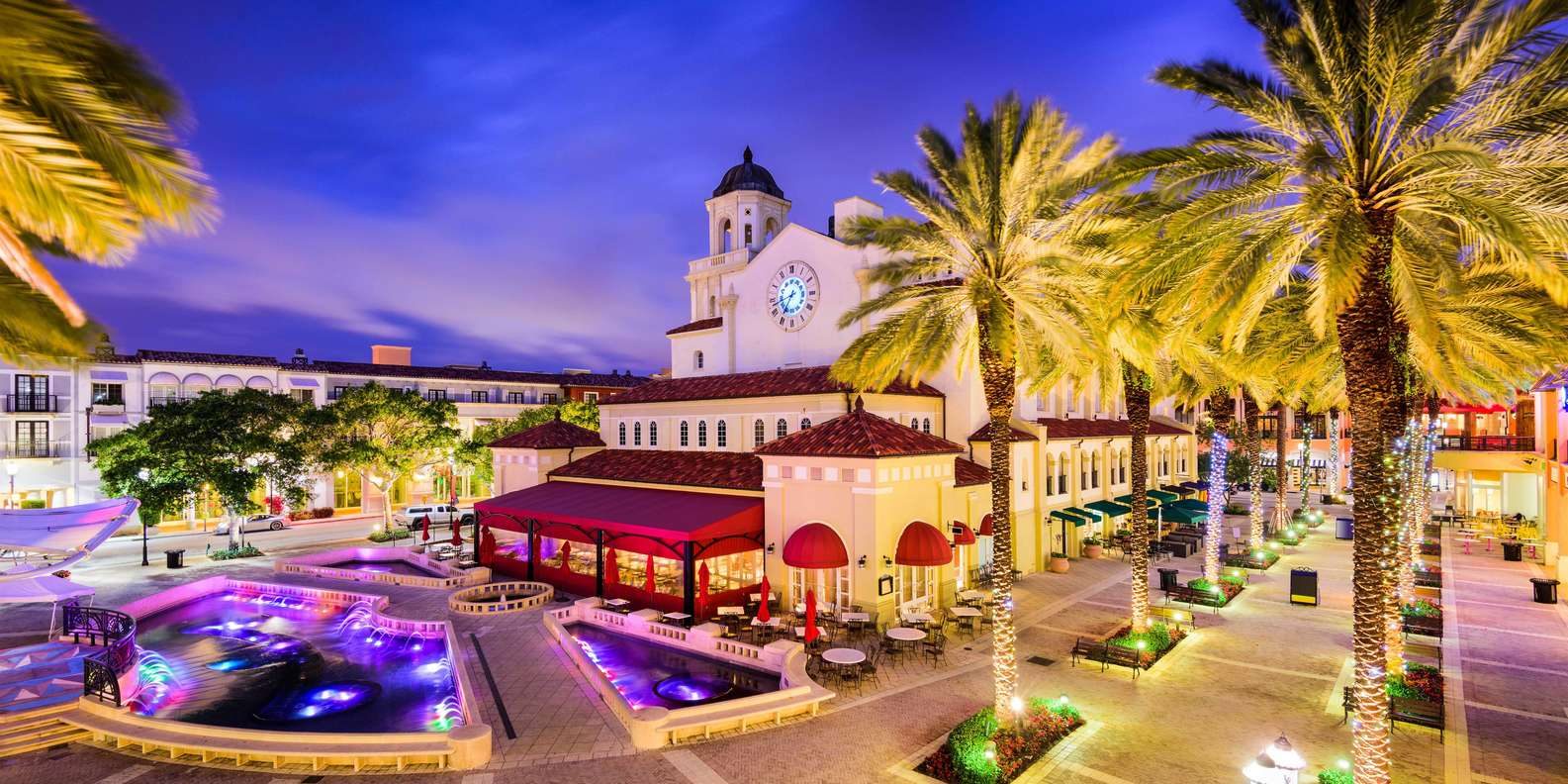
- Downtown West Palm Beach, CityPlace/Rosemary Square, and the Palm Beach social scene are roughly 20 to 25 minutes north
It’s a location play as much as a lifestyle play. You get privacy and land, but you’re still close to everything that makes Palm Beach County work for daily life. That’s a big reason buyers who can afford it don’t leave once they’re in.
Golf, FL Real Estate Market 2026: Prices, Trends & What Buyers Should Expect
Here’s the part most generic real estate content skips: what’s actually changing in this market right now, and what that means for someone shopping in 2026.
Trend 1: Almost no new inventory is coming. The Village of Golf is essentially built out. There’s no meaningful undeveloped land left for a builder to come in and add supply. That means the number of homes in Golf is basically fixed, and it will stay that way. Every sale is a resale, and demand doesn’t have anywhere to expand to.
Trend 2: Land value is doing more of the work than the structure. In a lot of Palm Beach County suburbs, you’re paying for square footage and finishes. In Golf, you’re paying heavily for the lot itself, the setback, the privacy, and the canopy. Two homes with similar square footage can price a few hundred thousand dollars apart based on lot size and position alone.
Trend 3: Buyers are increasingly comparing Golf against nearby suburbs, not against each other. Because inventory is so thin, serious buyers are cross-shopping Golf against places like Palm Beach Gardens, Jupiter, and West Palm Beach’s closer-in neighborhoods, then deciding whether the privacy premium is worth it. If you’re doing that comparison yourself, West Palm Beach vs. Palm Beach Gardens and Jupiter vs. Palm Beach Gardens are useful reference points for what you’d be trading away or gaining by looking outside Golf.
Trend 4: Cash and pre-approved buyers move first. With such a small pool of listings, sellers and their agents aren’t interested in financing contingencies that drag things out. Buyers who show up prepared, with financing locked or cash in hand, are the ones who actually get under contract when something comes up.
Trend 5: Renovation activity is picking up. Because there’s so little land to build on, more buyers are choosing to purchase an older estate and renovate rather than wait years for something move-in ready to list. That’s pushed up demand (and pricing) for homes on the largest, best-positioned lots even when the structure itself needs work.
What Makes Golf, FL Different From Everywhere Else in Palm Beach County
Most suburbs in this county sell you convenience, schools, or amenities. Golf sells you the absence of things. No commercial corridor running through it. No cut-through traffic. No visible density. It’s one of the few places left in Palm Beach County where a half-acre or full-acre lot with mature trees isn’t a fantasy, it’s the standard.
That comes with real tradeoffs buyers need to understand before they fall in love with the idea of it:
- No retail or dining inside the village. You’re driving out for groceries, restaurants, and everyday errands. Lantana and Lake Worth Beach are both close, but nothing is walkable inside Golf itself.
- Very limited home style variety. You’re choosing among large single-family estates. There’s no option to downsize into a townhome or condo and stay in the village.
- HOA and governance is unusually hands-on. Because it’s a small, self-governed municipality built around maintaining a specific character, expect real scrutiny on exterior changes, landscaping, and any renovation work. This isn’t a place to buy if you want to make dramatic changes without review.
- Schools are zoned through Palm Beach County public schools, not a dedicated Golf school system, so families should evaluate zoned schools the same way they would for Lantana or Lake Worth Beach addresses.
If any of that sounds like the wrong fit, it’s worth reading Is Golf a Good Place to Live? Honest 2026 Review before you go further down the road with an agent or a lender. It’s a small, specific lifestyle, and it’s not for everyone, even among buyers who can afford it.
Inventory Reality: What You’ll Actually Find on the Market
This is the section most listicles skip because the honest answer isn’t exciting: there usually isn’t much to see.
At any given time in 2026, active listings in the Village of Golf are often in the single digits. Sometimes there’s nothing on the market at all. That changes how you have to approach the search:
- You need an agent with relationships, not just MLS access. Off-market and pre-market conversations happen in a village this small. Whoever hears about a listing first, or about a homeowner thinking of selling, has a real advantage.
- You need to be pre-approved (or have proof of funds) before you start touring. With so little inventory, there’s no time to shop lenders after you find a home you like.
- You need to be realistic about timeline. If you need to move in the next 60 to 90 days, Golf may not be able to deliver the right home in that window. Buyers who get the best outcomes here often give themselves 6 to 12 months and stay patient.
- You should walk in knowing your must-haves versus nice-to-haves. Because there’s so little to choose from, rigid criteria (a specific lot size, a specific orientation, a specific number of bedrooms) can shrink an already small pool to nearly zero.
For a step-by-step breakdown of what the actual purchase process looks like here, from financing to inspections to closing, the Buyer’s Guide to Golf, FL walks through it in more detail than we can cover in a market overview.
HOA, Governance, and the Fine Print
Because the Village of Golf is its own municipality rather than an HOA-governed subdivision inside a larger city, the rules here work a little differently than what most Palm Beach County buyers are used to.
- Architectural review is real and active. Exterior renovations, new construction, and significant landscaping changes typically go through village review. Budget time for this in any renovation plan.
- There’s no CDD (Community Development District) fee structure here the way you’d see in a large new-build community in western Palm Beach County or Broward. Golf is an established village, not a new development financing its own infrastructure through bonds.
- Village-level services (including its own police department) are funded through the village’s own tax structure, which is part of why property taxes and overall carrying costs here run higher than in a standard HOA subdivision. Buyers should have their lender and closing team confirm exact millage and any village-specific assessments before writing an offer, since these numbers shift year to year.
- Turnover is genuinely low. Many owners have been in their homes for decades. When a property does come up for sale, it’s often the first time it’s changed hands in a generation. That’s part of why comparable sales data can be sparse and appraisals sometimes take extra explanation.
Who Golf, FL Actually Works For
Being honest about fit matters more here than in almost any other Palm Beach County market, because the price of entry is high enough that getting it wrong is expensive.
Golf tends to work well for:
- Buyers who want a large, private lot and don’t want to negotiate on that
- Families or couples who are not price sensitive and value low density over walkability
- Golf-focused buyers who want proximity to the private course as a lifestyle anchor
- Buyers relocating from other ultra-low-density markets who find typical Palm Beach County suburbs too built up
Golf tends to be the wrong fit for:
- First-time buyers or anyone needing an entry-level price point
- Buyers who want walkable retail, dining, or nightlife nearby
- Anyone who wants flexibility to renovate or add on without village review
- Buyers who need a fast close on a tight timeline, given how thin inventory usually is
If you’re weighing Golf against other Palm Beach County suburbs for a family relocation, Best Palm Beach County Suburbs for Families Relocating in 2026 is a good next read, since it lays out how Golf stacks up against larger, more amenity-rich communities that might actually serve a growing family better.
How Golf, FL Compares to Nearby Suburbs
Buyers usually don’t consider Golf in isolation. They’re weighing it against a short list of nearby options, and the comparison usually comes down to privacy versus convenience.
- Golf vs. Lake Worth Beach: Lake Worth Beach gives you walkable downtown, restaurants, and a more eclectic, artsy feel, at a fraction of the price and with far more inventory. You give up the estate-lot privacy Golf offers.
- Golf vs. Lantana: Lantana is more affordable, has a laid-back coastal feel, and puts you closer to the beach itself. You trade Golf’s density and privacy for a more typical suburban lot size.
- Golf vs. Palm Beach Gardens: Palm Beach Gardens offers far more inventory, newer construction, top-tier schools, and significant retail and dining, but you’re back into a denser, more typical HOA-community setup. If that tradeoff interests you, West Palm Beach vs. Palm Beach Gardens breaks down that comparison directly.
- Golf vs. Jupiter or the Westlake area further north: Buyers who want new construction with modern floor plans and community amenities often end up comparing Golf’s older estate stock against newer builds in areas like Westlake, FL, which has a completely different price structure, HOA setup, and buyer profile. It’s worth reading the Westlake buyer’s guide alongside Golf’s if new construction flexibility matters to you.
None of these are better or worse across the board. They’re different tradeoffs, and the right answer depends on whether privacy and lot size or inventory and amenities matter more to your household.
The 2026 Buying Process: What to Expect Timeline-wise
Here’s a realistic sequence for anyone serious about buying in the Village of Golf this year:
- Get pre-approved or document proof of funds first. Don’t start touring without this in hand. With inventory this thin, you won’t have time to catch up once something lists.
- Work with an agent who actively tracks Golf, not just Palm Beach County broadly. Ask directly how many Golf transactions they’ve closed and whether they have relationships with owners or agents in the village.
- Expect a search window of 6 to 12 months, not weeks. Build that into your relocation or transition timeline so you’re not forcing a decision out of urgency.
- When something does list, move within days, not weeks. Have your inspector and closing attorney or title company already identified so you can move immediately once you’re under contract.
- Budget for higher carrying costs, including village-level taxes and services, and confirm exact numbers with your lender before finalizing an offer, since older estate properties sometimes carry higher insurance costs given age of construction and roof.
- If renovation is part of the plan, get a sense of the village’s architectural review process early, ideally before you close, so there are no surprises about what changes are and aren’t allowed.
Bottom Line
The Village of Golf isn’t a market you time or negotiate your way into a deal on. It’s a market you position yourself for, financially and logistically, and then wait for the right lot to become available. Prices in 2026 mostly run from the low $1 millions into the $3 million-plus range, inventory stays thin because the village is essentially built out, and the entire appeal comes down to privacy, land, and low density that’s genuinely rare this close to the rest of Palm Beach County’s amenities.
If that tradeoff fits what you’re looking for, start the process early, get your financing locked, and find an agent who actually tracks this specific market rather than Palm Beach County broadly. If it doesn’t fit, there’s no shortage of strong alternatives nearby, from Lake Worth Beach to Palm Beach Gardens to newer build communities further north, each with a very different price point and lifestyle trade.
Have questions about whether Golf fits your specific situation, budget, or timeline? Send a message with what you’re working with and I’ll give you a straight answer, not a sales pitch.

More articles you might like
Buyer's Guide to Golf, FL: What to Know Before You Purchase
16 min readIs golf a Good Place to Live? Honest 2026 Review
13 min read
Coconut Creek Real Estate Market (2026): Prices, Trends, and What It Means for Buyers
18 min read
Weston Real Estate Market Update: Prices and Conditions in Mid-2026
13 min read
Westlake, FL Real Estate Market 2026: Prices, Trends & What Buyers Should Expect
13 min read