Weston vs Coral Springs: Which Broward County Suburb Is Better for Families?
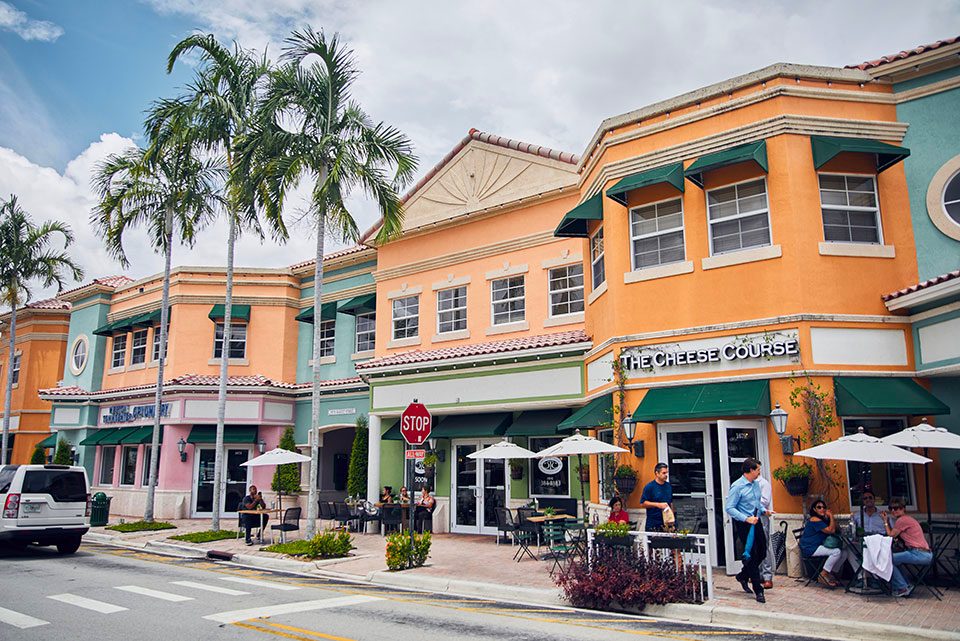
Weston vs Coral Springs: Which Broward County Suburb Is Better for Families?
If you’re deciding between Weston and Coral Springs, here’s the short answer: Weston gives you tighter HOA control, a more polished built environment, and Cypress Bay High School, one of the top-20 schools in Florida, with no magnet lottery required. Coral Springs gives you A-rated schools too, but at roughly $100,000 to $150,000 less, plus a downtown that’s actively being built out instead of already finished. Neither is wrong. It depends on what you’re optimizing for: prestige and predictability, or value and upside.
I get this question constantly from families relocating from the Northeast, California, and Latin America. Both suburbs show up on every “best places to raise a family in Broward County” list, and for good reason. But they’re not interchangeable, and the families who end up happiest are the ones who picked based on their actual priorities, not just a rank order they found on a real estate blog. So let’s actually break this down: price, schools, HOA and CDD costs, property taxes and insurance, lifestyle, commute, inventory, and who each suburb is really built for.
Price: What You Actually Get for Your Money
This is where most people make their decision, whether they admit it or not. Let’s look at real numbers.
Weston typical single-family values sit around the mid-$700,000s. That’s the baseline for a standard family home in an established Weston neighborhood, not a stretch listing. Once you move into the bigger estate communities, especially anything gated with acreage or a golf course view, you’re looking at $900,000 up past $2.5 million. Weston is not a suburb where you back into affordability. You’re paying for the school zoning, the planning, and the polish, and the market prices accordingly.
Coral Springs median for single-family homes runs around $657,000. That’s not “cheap,” this is still Broward County in 2026, but it’s a meaningful gap from Weston, often $100,000 to $150,000 for a comparable square footage and lot size. If you’re trying to stretch your down payment further, or you want a bigger house for the same monthly payment, Coral Springs is the more efficient dollar.
Run the math on what that gap actually means month to month. On a $150,000 difference in purchase price, financed at a typical 30-year rate, you’re looking at somewhere in the neighborhood of $900 to $1,000 more per month for the Weston version of the same lifestyle, before you even factor in higher HOA dues or a bigger tax bill on the higher assessed value. That’s not a rounding error. That’s a car payment, a chunk of a private school tuition if you ever went that route, or a real dent in your monthly savings rate. I ask every family the same question before they commit to Weston pricing: would that extra $900 to $1,000 a month change how you live day to day, or is it genuinely comfortable padding? The honest answer usually tells you which suburb you actually belong in.
Here’s the honest framing I give people: if Weston pricing makes you wince, don’t force it. I’ve watched buyers stretch into Weston, get the mortgage approved, and then spend two years house-poor and stressed instead of enjoying the move. If the number works comfortably, Weston delivers real value for what you’re paying for. If it doesn’t, Coral Springs isn’t a consolation prize, it’s a legitimately smart alternative that still gets your kids into strong schools. For a deeper look at what Weston pricing actually breaks down to by home type, see Weston Luxury Homes: What the Premium Market Looks Like in 2026 and First-Time Buyer in Weston: What the Entry Level Looks Like.
Schools: The Real Reason Both Suburbs Command a Premium
Schools are usually the actual decision driver, even when buyers lead with “we want a safe neighborhood.” Let’s be specific instead of vague.
Weston and Cypress Bay High School
Weston is zoned for Cypress Bay High School, which consistently ranks as a top-20 school in the entire state of Florida. The part that matters most: you get this zoning by simply owning a home in the right boundary. No magnet application, no lottery, no waitlist gamble. That certainty is worth real money to families who’ve watched other Florida school assignments turn into a stressful annual guessing game, especially families coming from places like New York or New Jersey where you had to fight for a good district and still might not get it. In Weston, if you buy in the boundary, your kid is in. That’s the entire transaction. I go deep on why this specific school zoning drives so much of Weston’s pricing in Weston Schools: The Reason Families Pay the Premium.
Coral Springs’ A-Rated Schools
Coral Springs isn’t a downgrade here, it’s just less singularly famous than Cypress Bay. The city has solid A-rated schools throughout its established neighborhoods, and it sits directly adjacent to Parkland, which means some Coral Springs zoning overlaps with the same school quality families move to Parkland specifically to access, minus the Parkland price tag. If your goal is “strong schools without paying the absolute ceiling,” Coral Springs is the suburb doing that job well in Broward County right now. This is exactly the value play I point to when a family tells me they want Parkland-level education but can’t or won’t stretch to Parkland-level pricing.
The Honest Comparison
If your kid is entering high school and Cypress Bay zoning is realistic for your budget, it’s hard to argue against Weston on pure school pedigree. But if you’re comparing “very good A-rated school” against “one specific nationally-ranked school,” and the price gap is $100,000-plus, a lot of families are better served putting that difference toward a bigger emergency fund, a better location within Coral Springs, or simply a less stressful monthly payment. I also tell families with younger kids, elementary or middle school age, to think about this over a ten-plus year horizon. A lot can change in a school district over a decade. What can’t change as easily is whether you overextended yourself on a mortgage in year one.
HOA and CDD Costs: Where Weston’s Reputation Gets Complicated
This is the part people underestimate, especially buyers relocating from states where HOAs are looser or nonexistent.
Weston is famous, or infamous depending on who you ask, for being hyper-regulated. The signage rules, the landscaping standards, the architectural review boards, they’re not a rumor. Weston is essentially built out at this point, so you’re buying into an existing, tightly-managed structure rather than a community still figuring itself out. That control is exactly why Weston looks so consistently manicured, but it also means less flexibility for your own property and, frequently, higher HOA dues layered on top of an already premium home price. If you’re someone who wants to park a boat trailer in the driveway, paint your front door a bold color, or put up holiday lighting your neighbors might consider excessive, Weston’s HOA is going to have an opinion about it, and that opinion is enforceable.
Coral Springs has HOA structures too, but they vary more by specific neighborhood and tend to be less uniformly strict across the city. You’ll find pockets that feel a little dated precisely because the regulation isn’t as centralized or aggressive as Weston’s. That’s a tradeoff, not a flaw. Less enforcement means more freedom for your own property, but it also means less guarantee that your neighbor’s landscaping stays up to your standard.
The CDD fee question matters in both suburbs but especially anywhere touching newer development in Broward. A CDD (Community Development District) fee is separate from your HOA dues, it funds infrastructure like roads, drainage, and amenities, and it surprises a lot of out-of-state buyers who don’t know to ask about it upfront. I’ve had clients get a preapproval, find their dream listing, and then discover a CDD fee that adds a few hundred dollars a month to what they thought their total housing cost was. Always get the exact HOA and CDD numbers in writing before you fall in love with a listing in either suburb. I break down the neighborhood-by-neighborhood differences, including where the strictest rules live, in Weston Neighborhoods and Communities: What to Know Before You Choose.
Property Taxes and Insurance: The Ongoing Cost Nobody Budgets For
Both suburbs sit in Broward County, so the millage rate framework is similar, but the total tax and insurance bill is not, because it’s driven by the assessed value of the home, not just the location. A $2 million Weston estate is going to carry a property tax bill that dwarfs a $650,000 Coral Springs home, even though the tax rate itself isn’t wildly different between the two cities. That’s simple math, but it surprises buyers who only budgeted for the mortgage payment and forgot the county sends a separate, very real bill every November.
Insurance is the other piece people underestimate, and this is a South Florida issue, not just a Weston or Coral Springs issue. Homeowners insurance in Broward has gotten more expensive and more selective across the board over the last few years, and it’s tied to your home’s age, roof condition, and construction, not just its ZIP code. A newer or recently re-roofed home in either suburb is going to insure noticeably cheaper than an older home with an aging roof. If you’re comparing a resale Weston property against a newer Coral Springs build, factor that into your real monthly cost, not just the sticker price of the house. This is exactly the kind of number I pull for clients before they write an offer, because it changes the comparison more than people expect.
Lifestyle: Manicured and Finished vs. Actively Transforming
Weston’s Day-to-Day
Weston is the most meticulously planned suburb in Broward County. It’s incredibly safe, the infrastructure is mature, and the town center area gives you a real sense of place, restaurants, green space, community events, without needing to drive into Fort Lauderdale for basic quality of life. Tons of transplants from the Northeast and Latin America have already made this move, so you won’t feel like an outsider walking into an established social scene. Weekend life in Weston tends to revolve around the town center, youth sports leagues that are genuinely competitive, and a community calendar that stays full without you having to leave the city limits. The tradeoff is that Weston can feel like a bit of a bubble. It’s polished, it’s regulated, and because it’s largely built out, new inventory is thin. You’re often buying resale, not new construction, unless you’re looking at select infill projects. For what daily life actually looks like beyond the real estate numbers, read Life in Weston: Town Center, Parks, Dining, and the Day-to-Day Reality, and if new construction specifically is on your radar, New Construction in Weston: What Is Available and Is It Worth the Premium? covers what’s actually being built and whether the premium is justified.
Coral Springs’ Day-to-Day
Coral Springs is mid-transformation, and that’s actually its most interesting quality right now. The city is building an actual walkable downtown from scratch at Cornerstone Plaza, with new dining and retail coming online. It’s not flashy yet, and some pockets genuinely feel a little dated compared to Weston’s uniform polish. But for a family that wants Parkland-adjacent schools without the Parkland price, and who likes the direction the city is heading rather than needing it finished today, Coral Springs is a serious, legitimate contender, not a fallback option. Families who move here early in this transformation are essentially betting on the city’s own investment in itself, and so far that bet has been paying off in both quality of life and home values.
Commute: Neither Is Built for a Miami Rush Hour
Be honest with yourself about your commute before you pick either suburb. Both Weston and Coral Springs sit toward the western edge of Broward County, and if your job is in downtown Miami or Brickell, that drive will test your soul during rush hour regardless of which one you choose. What might be a 35-minute drive at 10am can easily push past 45 minutes to an hour during the 7 to 9am and 4 to 6:30pm windows, and that’s before you factor in an accident or construction on I-95.
That said, there are differences. Coral Springs sits closer to the Sawgrass Expressway and has more direct access toward I-95 and the Turnpike for a Fort Lauderdale-bound commute. Weston’s location, further south and west, tends to add real time if you’re commuting toward Miami-Dade daily, on top of the Everglades-adjacent geography that limits how many roads actually get you out of the area during peak hours. There simply aren’t as many east-west arteries out of Weston as there are out of Coral Springs, which matters more than people expect until they’re sitting in it every weekday.
If your job allows hybrid or remote work, this matters far less. If you’re commuting into Miami five days a week, factor that drive time into your decision with the same seriousness you’re giving the school ratings, because it will affect your quality of life more than almost any other variable on this list. I’ve had clients fall in love with a Weston listing and then, four months after closing, quietly tell me the commute is the one thing they’d reconsider if they were buying again.
Inventory: Buying Into a Finished Product vs. a Growing One
Weston is essentially built out. That’s not a knock, it’s just the current state of the market. It means less new construction, thinner overall inventory, and more competition for the resale homes that do come up, particularly anything zoned for Cypress Bay. If you want a brand-new build in Weston, your options are limited and often carry a premium relative to comparable resale. Homes that hit the market in the right pocket of Weston, especially anything move-in ready with an updated kitchen, tend to move fast, and buyers who wait for the “perfect” listing sometimes watch two or three good ones sell out from under them first.
Coral Springs, by contrast, still has room to grow, and that’s visible in the Cornerstone Plaza redevelopment and the broader push to modernize the city’s core. New buyers get more selection and, in some cases, better long-term appreciation upside precisely because the city hasn’t finished evolving yet. Buying into a city mid-transformation carries a different kind of opportunity than buying into one that’s already reached its ceiling.
For a full picture of current Weston market conditions specifically, including how tight resale inventory really is right now, see Weston Real Estate Market Update: Prices and Conditions in Mid-2026.
A Quick Way to Test Which One Fits Your Family
If you’re still stuck, try this exercise instead of staring at listing photos. Picture two families. Family one has a fixed, comfortable budget around $650,000 to $700,000, wants a bigger yard for the money, and doesn’t mind if their downtown is still a work in progress. That family is going to be happier in Coral Springs, full stop, and stretching for Weston would likely mean a smaller house or a tighter monthly budget for a school zoning edge they might not even end up needing depending on where their kids land academically.
Family two has $900,000-plus to work with comfortably, has already decided Cypress Bay is worth prioritizing over almost everything else, and values predictability, manicured streets, and an established social scene over having the newest downtown in the county. That family should stop cross-shopping and just focus their search inside Weston, because comparing it to Coral Springs at that point is just going to create decision fatigue without changing the outcome.
Most families fall somewhere in between, which is exactly why this comparison matters instead of just picking whichever suburb ranks higher on a national “best places to live” list.
Who Should Choose Weston
Weston makes the most sense if:
- Cypress Bay High School zoning is a non-negotiable priority and the budget comfortably supports mid-$700,000s and up.
- You want a finished, highly-regulated community with predictable rules and a manicured aesthetic, and you don’t mind giving up flexibility for that consistency.
- Your commute is primarily local, hybrid, or remote, not a daily Miami rush-hour drive.
- You’re comfortable buying resale rather than new construction, since inventory is genuinely thin.
- You’ve already run the property tax and insurance numbers on a higher-value home and the total monthly cost still feels comfortable, not just “approved.”
If Weston checks these boxes for your family, it’s one of the strongest suburb decisions you can make in Broward County. For the full relocation picture, from neighborhoods to schools to what it actually costs to live there day-to-day, Weston, Florida: The Complete Guide for People Considering a Move is the place to start.
Who Should Choose Coral Springs
Coral Springs makes more sense if:
- You want strong, A-rated schools without stretching to the top of your budget, saving roughly $100,000 or more compared to Weston for a similar home.
- You’re drawn to a city that’s actively investing in itself, and you’re comfortable with a downtown core that’s still under construction rather than finished.
- You want more inventory and negotiating room, rather than competing over a thin resale pool.
- Your daily commute leans toward Fort Lauderdale or the Sawgrass corridor rather than a straight shot south into Miami-Dade.
- You’d rather put the price difference toward savings, a bigger emergency fund, or simply a lower monthly payment than spend it on a single school zoning.
Some buyers treat Weston vs. Coral Springs as a status decision. It shouldn’t be. It’s a math and lifestyle decision, and the honest answer depends entirely on what your family actually needs, not which suburb sounds more impressive at a dinner party.
The Bottom Line
Weston and Coral Springs both deliver on the core promise families are chasing when they relocate to Broward County: safety, strong schools, and a real sense of community. Weston does it with more polish, tighter control, and one of the best public high schools in Florida, at a real price premium and with limited new inventory. Coral Springs does it with more affordability, more room to grow, and A-rated schools that don’t require the top-of-market budget.
Neither suburb is the “correct” answer in a vacuum. The correct answer is whichever one matches your actual budget, your commute tolerance, and how much you value predictability over upside. Families who make this decision by running their own numbers, not by copying whatever a neighbor or coworker chose, are consistently the ones who tell me a year later they’d make the same choice again.
If you’re still weighing whether Weston’s premium is worth it for your specific situation, or whether it makes more financial sense to buy in Coral Springs and put the savings elsewhere, that’s exactly the kind of decision worth talking through with someone who knows both markets in detail, not just the surface-level comparison. DM me “WESTON” or “CORAL SPRINGS” and I’ll walk you through current listings, real HOA numbers, and what your specific budget actually gets you in each suburb.

More articles you might like
Weston vs Coral Springs: Which Broward Family Suburb Wins?
16 min readWeston, Florida: The Complete Guide for People Considering a Move
18 min readWeston Luxury Homes: What the Premium Market Looks Like in 2026
13 min readFirst-Time Buyer in Weston: What the Entry Level Looks Like
13 min readNew Construction in Weston: What Is Available and Is It Worth the Premium?
14 min read