Investing in Weston Real Estate: Is It Worth It in 2026?
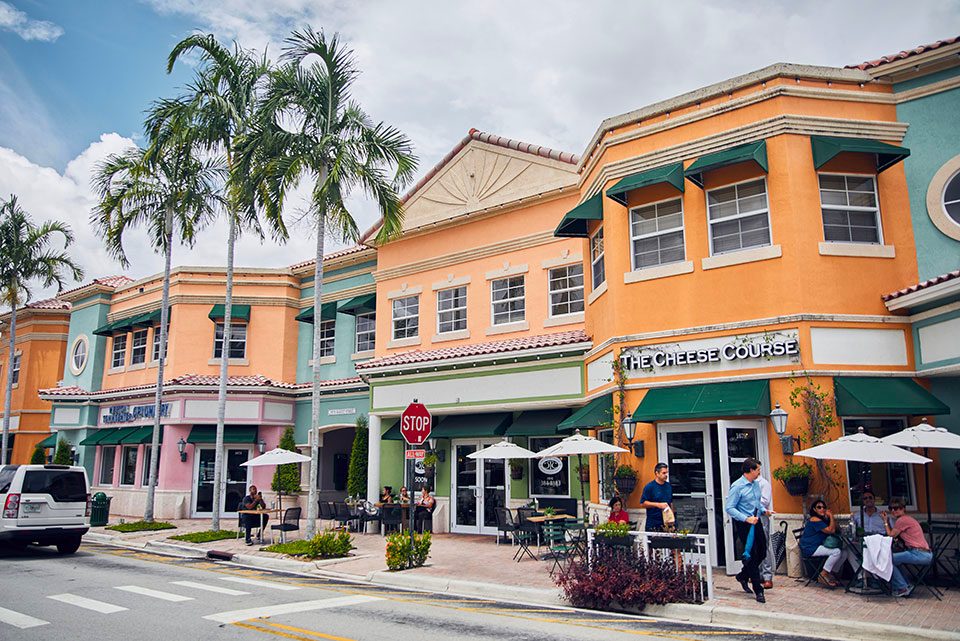
If you’re asking whether investing in Weston real estate is worth it in 2026, here’s the direct answer: it depends entirely on what kind of investor you are. If you want cash flow from day one, Weston will disappoint you. If you want a stable, school-driven rental market with real long-term appreciation and low vacancy risk, Weston is one of the safer bets in Broward County. It is not a market where you buy a duplex and retire on the rent check. It’s a market where you buy one well-located house, hold it, and let Cypress Bay High School zoning and a built-out supply of land do the heavy lifting over a ten-year horizon.
I’ve walked clients through this exact decision more times than I can count, usually families who already own a home in Weston and are trying to decide whether to keep it as a rental instead of selling when they move, or out-of-state investors who found Weston’s school ratings online and assumed the rental math would work like it does in a growth market. It doesn’t, and you need to know that before you write an offer.
Investing in Weston Real Estate: Is It Worth It in 2026? The Short Version
Weston is a meticulously planned, largely built-out suburb west of Fort Lauderdale, zoned for Cypress Bay High School, a top-20 school in Florida with no magnet lottery required. Typical single-family values sit in the mid-$700,000s, with the larger estate communities running from $900,000 up past $2.5 million. That price floor alone tells you who your renter pool is: relocating professionals, corporate transferees, and families testing the schools before they commit to buying. It is not a market of young renters chasing affordability, and it’s not a market with a lot of multifamily inventory to scale into.
For a full ground-level look at the city itself, the Weston, Florida: The Complete Guide for People Considering a Move covers the neighborhoods, commute, and lifestyle in more depth than I can fit here. This piece is specifically about the investment math.
Three things drive whether Weston works for you as an investor:
- Entry price relative to achievable rent (the cap rate problem)
- HOA rental restrictions (the part almost nobody checks before closing)
- What kind of return you’re actually optimizing for (cash flow vs appreciation)
Let’s go through each one honestly.
The Weston Rental Market: Who’s Actually Renting Here
Weston’s renter pool is narrower and more specific than most Broward suburbs, and that’s actually a feature, not a bug, if you understand it correctly.
The School-Driven Renter
This is Weston’s signature renter type. A family relocating from the Northeast or California for a job in Miami or Fort Lauderdale wants to lock in Cypress Bay zoning immediately, but they aren’t ready to buy sight unseen or they’re still selling a home up north. They rent in Weston for a year, sometimes two, while they get their bearings. These are low-risk tenants: dual-income households, good credit, motivated to keep the home in good shape because they may want to buy in the same community later. If you own a rental in a good Weston zip code (33326, 33327, or 33331) during the July and August school-shopping season, you will not sit vacant long.
The Corporate Relocation Renter
Weston has a real base of corporate relocations tied to South Florida’s healthcare, insurance, and professional services employers, plus the general pull of executives moving into the Miami-Fort Lauderdale corridor who want a quieter, more orderly place to land than the city itself. These tenants typically want a one-year lease, sometimes with a corporate guarantor, and they pay on time because someone else is often footing part of the bill.
Who Is Not Renting in Weston
Weston is not attracting a large population of young single renters, service-industry workers, or price-sensitive tenants. There isn’t much of that inventory to begin with (few apartment complexes, almost no small multifamily), and the price point filters that demographic out. If your investment thesis depends on a large, flexible renter pool at multiple price points, Weston is the wrong city. Coral Springs and Coconut Creek, both discussed in Weston vs Coral Springs: Which Broward Family Suburb Wins?, have more of that range.
HOA and CDD Restrictions: The Part Most Investors Miss
This is where I lose investors, because it’s the part the listing photos never mention and the part most out-of-state buyers never think to ask about until after closing.
Rental Caps
A meaningful number of Weston’s HOA and condo communities cap the percentage of homes in the community that can be leased at any given time, often somewhere in the 10 to 20 percent range depending on the association. If the cap is already hit when you close, you legally cannot rent your unit until another owner’s lease ends or the association’s list opens up. This is not a rumor, it’s written into the governing documents, and it varies community by community. I go deeper on which communities run tighter versus looser in Weston Neighborhoods and Communities: What to Know Before You Choose, because this is exactly the kind of detail that differs block to block in Weston.
Minimum Lease Terms
Short-term and vacation rentals are effectively dead on arrival in Weston. Nearly every HOA prohibits leases under six months, and many require a full one-year minimum. Weston was built as a family suburb, not a tourism or seasonal-rental market, and the associations enforce that by design. If your business plan involves Airbnb or VRBO income, do not buy in Weston. Go look at areas of Fort Lauderdale or Hollywood closer to the beach where short-term rental activity is actually permitted and expected.
Tenant Approval and Background Checks
Most Weston associations require tenant applications, HOA interviews, and background checks before a lease can start. This adds friction and time to your leasing process (budget two to four weeks, not two to four days), but it also screens out a lot of the risk that landlords deal with in less regulated markets. It’s part of why Weston’s overall tenant quality tends to be higher than the Broward average.
The Practical Takeaway
Before you make an offer on any property in Weston with rental income in mind, get the HOA’s rules on rentals in writing. Ask specifically: is there a rental cap, and is it currently full? What’s the minimum lease term? Is there a tenant application fee or approval process, and how long does it take? Skipping this step is the single most common mistake I see investors make here, and it’s completely avoidable.
Cap Rates and Cash Flow: Running the Real Numbers
Let’s do the math honestly, because this is where Weston separates from cash-flow markets fast.
Take a typical Weston single-family home purchased around $750,000. A comparable home in a similar Weston community might rent in the range of $3,800 to $4,500 per month depending on size, community, and whether it backs up to water or a golf course. Run the gross numbers:
- Annual rent at $4,200/month: $50,400
- Minus HOA dues (commonly $150 to $500+ monthly depending on the community, more if it’s a gated estate section): call it $3,600/year
- Minus property taxes (Broward County, non-homestead rate applies to investment property, typically 2 to 2.3 percent of assessed value): roughly $16,500/year on a $750,000 assessment
- Minus insurance (South Florida property insurance has climbed significantly; budget $4,000 to $7,000/year for a home this size): call it $5,500/year
- Minus a realistic vacancy and maintenance reserve: call it 8 percent of gross rent, or about $4,000/year
That leaves net operating income somewhere around $20,800 on a $750,000 purchase, before any mortgage payment. That’s a cap rate around 2.8 percent. Even in a best-case scenario where taxes are lower or rent runs toward the top of the range, you’re realistically looking at a cap rate in the 3 to 4.5 percent band. That is not a cash-flow number. If you’re financing the purchase with anything more than 40 to 50 percent down at current mortgage rates, this property is very likely cash-flow negative or barely breaking even in year one.
Compare that to smaller Broward markets with lower entry prices and less restrictive HOAs, where cap rates in the 5 to 6.5 percent range are more achievable. Weston is not that market, and it was never designed to be.
Where the Real Return Comes From
Weston’s investment case isn’t the monthly check, it’s the combination of low vacancy risk, high-quality tenants, and a supply story that supports long-term appreciation. Because Weston is essentially built out (there’s very little raw land left to develop, as covered in New Construction in Weston: What Is Available and Is It Worth the Premium?), the existing housing stock has real scarcity value. New competing inventory isn’t going to flood the market and cap your appreciation the way it might in a suburb still being built out in phases. That scarcity, combined with the Cypress Bay school draw that isn’t going anywhere, is what has historically supported Weston values even when financing costs rise.
Appreciation vs Cash Flow: What Kind of Investor Wins in Weston
Be honest with yourself about which of these you are, because Weston only rewards one of them.
You Should Consider Investing in Weston If:
- You’re already a Weston homeowner relocating and deciding whether to sell or rent your current property. Keeping it as a rental, especially if you have a favorable existing mortgage rate, often makes more sense than selling into a market where you’d have to rebuy at current rates.
- You’re a long-horizon investor (7 to 10+ years) who wants low volatility, low vacancy, and is comfortable with thin or even slightly negative near-term cash flow in exchange for appreciation and equity paydown.
- You want a hedge property for a family member. Some of my clients buy in Weston specifically because they plan to have a child or grandchild attend Cypress Bay eventually, and renting it out in the meantime covers the carrying costs.
- You’re buying with substantial cash or a large down payment, which changes the return math significantly since you’re not fighting current financing costs against a thin cap rate.
You Should Look Elsewhere If:
- You need positive monthly cash flow now to make the deal work.
- You want a short-term rental or vacation rental income stream.
- You want to scale into multiple units quickly. Weston’s price point and HOA friction make that slow and expensive.
- You’re purely chasing yield. Coral Springs, Coconut Creek, and parts of Pembroke Pines and Sunrise offer better cap rates with less restriction, even if they lack Weston’s specific school pedigree.
Where Investors Should (and Shouldn’t) Buy in Weston
Not every pocket of Weston behaves the same way for an investor, and this is where local knowledge actually saves you money.
Better Bets
Homes in established, moderately priced single-family sections with looser rental policies tend to perform best for investors, particularly ones close to Weston’s Town Center corridor where walkability and the day-to-day lifestyle (covered in Life in Weston: Town Center, Parks, Dining, and the Day-to-Day Reality) is a real draw for relocating tenants who want to feel settled quickly. These homes rent faster because they check the boxes tenants actually care about: good schools, safe streets, and a walkable center.
Harder Bets
The ultra-high-end estate communities, the $1.5 million-plus tier covered in Weston Luxury Homes: What the Premium Market Looks Like in 2026, are a much thinner rental pool. There simply aren’t that many tenants who want to pay $8,000 to $12,000 a month to rent a house instead of buying one. These properties can work as long-term appreciation holds for cash buyers, but don’t expect a deep or fast-moving rental market at that price tier.
Entry-Level Weston
On the other end, the First-Time Buyer in Weston: What the Entry Level Looks Like segment (condos and smaller attached homes) can actually pencil out better on a cap rate basis because the purchase price is lower relative to achievable rent. The trade-off is that condo and townhome associations in Weston tend to have the tightest rental caps of all, so double and triple-check the association’s current rental percentage before you commit.
Weston vs Other Broward Suburbs for Investors
If you’re cross-shopping Weston against other Broward suburbs purely as an investment (not a place to live), here’s the honest comparison. Weston wins on tenant quality, vacancy risk, and long-term appreciation stability because of the school zoning and the built-out land supply. It loses on cap rate, on rental flexibility because of HOA restrictions, and on scalability because the entry price limits how many doors you can realistically acquire.
Coral Springs and Coconut Creek, both discussed at length in Weston vs Coral Springs: Which Broward Family Suburb Wins?, offer meaningfully better yield with still-solid A-rated schools, just without the specific Cypress Bay pedigree that Weston families pay a premium for. If your investment strategy is about maximizing return per dollar invested, that comparison is worth running before you commit to Weston specifically.
Current Market Conditions Worth Knowing
Pricing and inventory shift throughout the year, and Weston’s low-turnover, built-out nature means small supply changes move the market more than they would in a bigger, faster-growing suburb. Before you make an offer, check the most recent numbers in Weston Real Estate Market Update: Prices and Conditions in Mid-2026 so you’re working from current data, not a year-old snapshot. And if schools are the core of your rental demand thesis (they should be), Weston Schools: The Reason Families Pay the Premium breaks down exactly why Cypress Bay zoning commands what it does, and why that demand isn’t likely to soften anytime soon.
The Bottom Line
Investing in Weston real estate in 2026 is worth it if you understand what you’re actually buying: low vacancy, high-quality tenants, real HOA friction, thin cap rates, and a strong long-term appreciation case tied to scarce land and a top school zone that isn’t replicable. It is not a cash-flow market, and if someone tells you otherwise, they haven’t run the numbers on current insurance and tax costs against current rents.
My advice to clients considering this: don’t buy in Weston as your first investment property if you need the income to work immediately. Buy in Weston as a long-term hold, ideally a property you already own or one you can put significant cash into, and let the school zoning and the limited supply do what they’ve done for years, which is protect and grow the value while a well-qualified tenant covers most of your carrying costs along the way. If you want cash flow this year, look one exit further west or south. If you want a property you’re comfortable holding for a decade, Weston still makes sense.
If you’re weighing a specific property, HOA document, or address in Weston and want the real numbers run before you make an offer, that’s exactly the kind of conversation worth having before you’re under contract, not after.
More articles you might like
Weston, Florida: The Complete Guide for People Considering a Move
18 min readWeston vs Coral Springs: Which Broward Family Suburb Wins?
16 min readWeston Luxury Homes: What the Premium Market Looks Like in 2026
13 min readFirst-Time Buyer in Weston: What the Entry Level Looks Like
13 min readNew Construction in Weston: What Is Available and Is It Worth the Premium?
14 min read