Solterra, Sunrise HOA & CDD Fees: What You'll Actually Pay Every Month
If you’ve been circling Solterra’s website looking at base prices, here’s the number that actually matters before you fall for a model home: on top of your mortgage, budget $385 to $496 a month in HOA dues, plus a CDD special assessment that runs roughly $2,160 to $2,544 a year. That CDD adds another $180 to $212 a month. Add it together and you’re looking at $565 to $708 a month in fixed community costs before your loan payment even enters the picture.
Most buyers touring Solterra in Sunrise hear “HOA” and stop there. That’s a mistake. The CDD is a separate charge, it’s not optional, and it’s not small. This post breaks down exactly what you’re paying, where it comes from, how it’s billed, and how to build a real monthly budget before you write an offer.
The Real Monthly Number at Solterra (Before the Mortgage)
Here’s the math laid out plainly:
- HOA dues: $385 to $496 per month, depending on which collection you buy into
- CDD assessment: approximately $2,160 to $2,544 per year, which works out to about $180 to $212 per month
- Combined non-mortgage housing cost: roughly $565 to $708 per month
That’s before property taxes, before homeowners insurance, before flood insurance if it applies, and before your actual principal and interest payment. A lot of buyers relocating from states with no HOA culture at all, or from HOAs that run $50 to $100 a month, see this number for the first time at the closing table. Don’t let that be you. This is the exact kind of detail we cover buyer by buyer in the full Solterra, Sunrise Review (2026), because the “from” price on a builder’s website was never the real monthly cost.
It’s worth saying plainly: none of this means Solterra is a bad buy. It means the sticker price you see in a Google ad or a Zillow listing is not the number you should be planning your household budget around. Every new construction community in this part of Broward has some version of this gap between “advertised price” and “real monthly cost.” Solterra isn’t hiding anything, the numbers are public once you ask, but almost nobody asks on their first visit.
HOA vs CDD: What’s the Difference and Why It Matters
These are two completely different mechanisms, and conflating them is where most first-time new construction buyers get surprised.
The HOA (Homeowners Association) is the ongoing operating budget for the community. It funds the manned gate staffing, the resort-style pool maintenance, the clubhouse upkeep, the fitness center, landscaping in common areas, and the bike and walking paths. This is money you pay every single month, forever, for as long as you own the home. It typically increases gradually over time as insurance, labor, and maintenance costs rise.
The CDD (Community Development District) is a completely different animal. A CDD is a local government unit created specifically to finance the infrastructure that made the community possible in the first place, things like roads, utility lines, drainage, and other site work that had to be built before a single home could go up. The developer doesn’t pay for that infrastructure out of pocket. Instead, the CDD issues bonds to cover it, and homeowners repay that bond debt over a fixed term (commonly 20 to 30 years) through the annual assessment.
The practical difference for your wallet: HOA dues can theoretically be voted down or restructured by the association over time. CDD assessments are tied to bond repayment schedules and don’t move much until the bonds are paid off, which for a community delivering in phases starting late 2026 is a long way out.
There’s a legal difference too, and it matters if you ever want to challenge a fee. HOA dues are a private contractual obligation between you and the association, governed by the community’s declaration and bylaws. A CDD is a unit of local government under Florida law, with its own elected or developer-appointed board, its own public meetings, and its own ability to levy assessments the same way a county can levy property taxes. You can attend CDD board meetings. You cannot vote down a bond obligation the way you might push back on a proposed HOA special assessment. Understanding that distinction up front saves you from asking your Realtor “can we negotiate the CDD” during a contract review. You can’t. It’s already baked into the land.
The Solterra HOA: What’s Included and What It Costs
At $385 to $496 a month depending on your collection, here’s what that buys you:
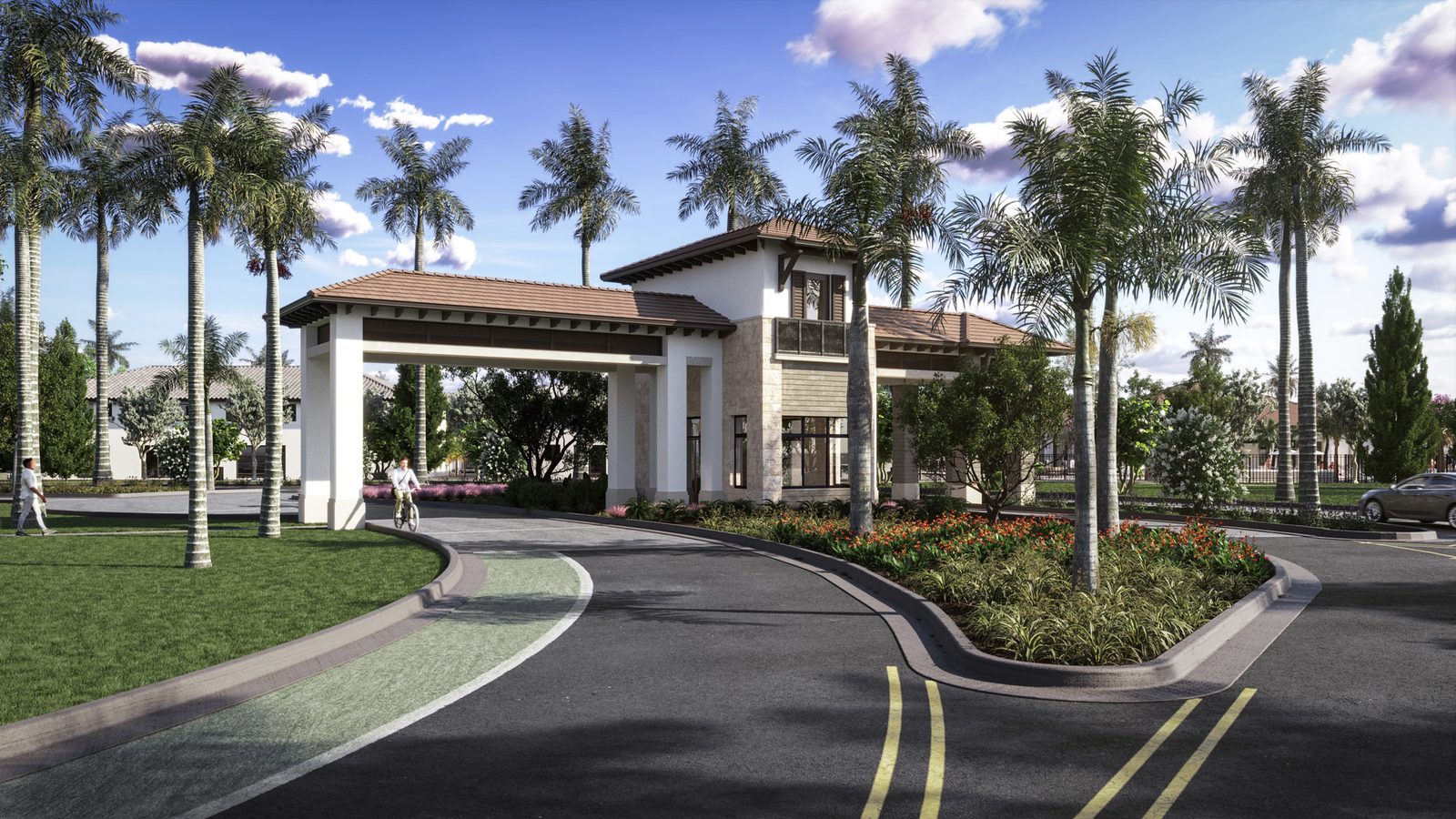
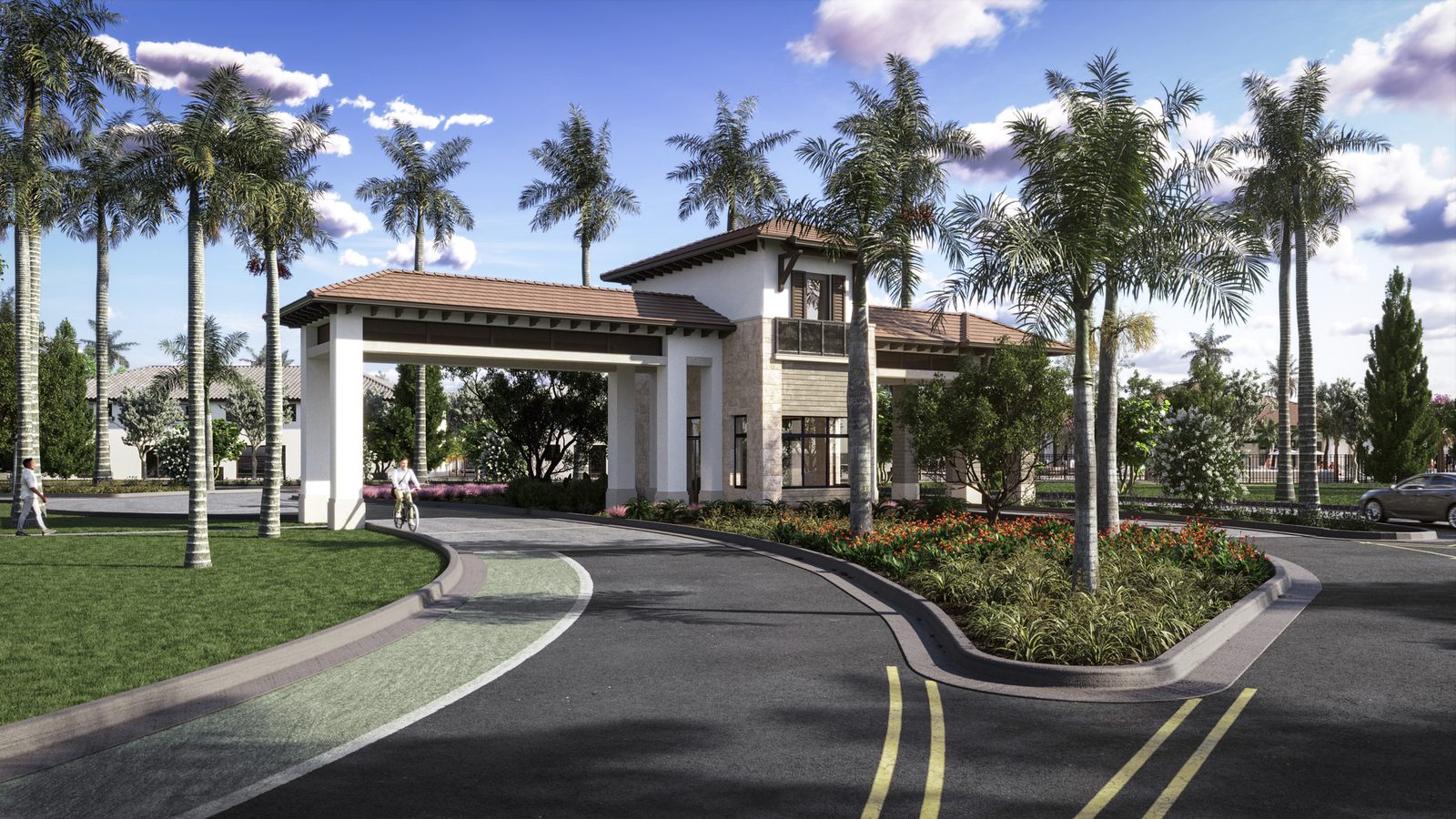
- Manned, gated entry (a real staffing cost, not a keypad)
- Resort-style community pool
- Clubhouse for gatherings and community events
- Fitness center
- Bike and walking paths throughout the community
- Common area landscaping and maintenance
For a gated, amenity-rich new construction community in west Broward, that range is competitive, not outrageous. What matters is which end of the range you land on. The villas and townhome collections generally sit toward the lower end, while the single-family collection with more square footage and a larger footprint per lot tends toward the higher end. If HOA amount is a deciding factor for you, get the exact number tied to your specific floor plan before you go under contract, not the community-wide range.
Also worth asking directly at the sales center: what’s the reserve funding policy. A well-run HOA sets aside money for major future repairs (roof replacements on the clubhouse, pool resurfacing, gate equipment) so a special assessment doesn’t hit residents out of nowhere in year eight or ten. A newer community like Solterra, still delivering phases through late 2026, won’t have years of reserve history to point to yet. That’s not a red flag on its own, it’s just something to note and revisit once the community is closer to built out.
The CDD Assessment: How It’s Billed and Why It Catches Buyers Off Guard
Here’s the part that trips people up: the CDD assessment at Solterra isn’t a separate bill that shows up in your mailbox every month. It’s collected through your annual Broward County property tax bill. That means it’s baked into your escrow if your mortgage lender impounds taxes and insurance, which most conventional and FHA loans do.
This is exactly why so many buyers don’t notice it until their first full tax bill arrives, or until their loan officer calculates their escrow account and the monthly payment comes back higher than the “principal and interest” number the builder’s sales center quoted. The $2,160 to $2,544 annual CDD assessment translates to roughly $180 to $212 a month once you divide it out for budgeting purposes, but it won’t appear as its own line on a mortgage statement. It’s folded into the property tax portion of your PITI (principal, interest, taxes, insurance) payment.
The move: ask your lender to run a full PITI estimate that includes the CDD-inflated tax bill, not just a generic Broward County tax rate estimate. A lot of preapproval letters use a placeholder tax percentage that doesn’t reflect a CDD-loaded community. Confirm the real number before you fall in love with a floor plan.
One more detail buyers rarely ask about: whether the CDD debt is structured as a “true up” or bonded assessment on the specific lot you’re buying, and whether there’s an option to prepay it. Some CDDs allow homeowners to pay off their portion of the bond balance in a lump sum, which removes that piece of the annual assessment going forward (you’d still pay the ongoing operations and maintenance portion of the CDD, which is smaller and separate from the bond repayment portion). It’s not the right move for most buyers, especially first-time buyers stretching for a down payment, but for a cash-heavy buyer or an investor holding long-term, it’s worth asking the CDD district manager directly rather than assuming it’s not an option.
Collection by Collection: How Fees Change With What You Buy
Solterra is sold across a few distinct product types, and the total monthly community cost shifts depending on which one you choose.
Villas, from $543K (no garage)
This is the entry point into Solterra. No garage means driveway or assigned parking, which is part of why the base price is lower. This collection tends to land at the lower end of the HOA range, but the CDD assessment applies community-wide, so don’t assume a lower purchase price means a proportionally lower CDD hit. The villa collection is also where FHA financing tends to make the most sense, since the lower base price keeps the 3.5% minimum down payment within reach for more buyers. If you’re a single buyer, a couple without kids yet, or someone downsizing from a larger resale home and don’t need a garage, this is the collection to tour first.
Townhomes, low $600s (1-car garage)
The step-up collection adds a one-car garage and generally more square footage than the villas. Mid-range HOA within the $385 to $496 band. This is often the sweet spot for move-up buyers and young families who want more storage and a garage without jumping to the single-family price point. The garage matters more than it sounds like on paper, South Florida heat makes covered parking a real quality-of-life difference, and it also gives you enclosed storage for bikes, beach gear, and the inevitable accumulation of boxes that comes with any relocation.
Single-Family, $750K to $839K
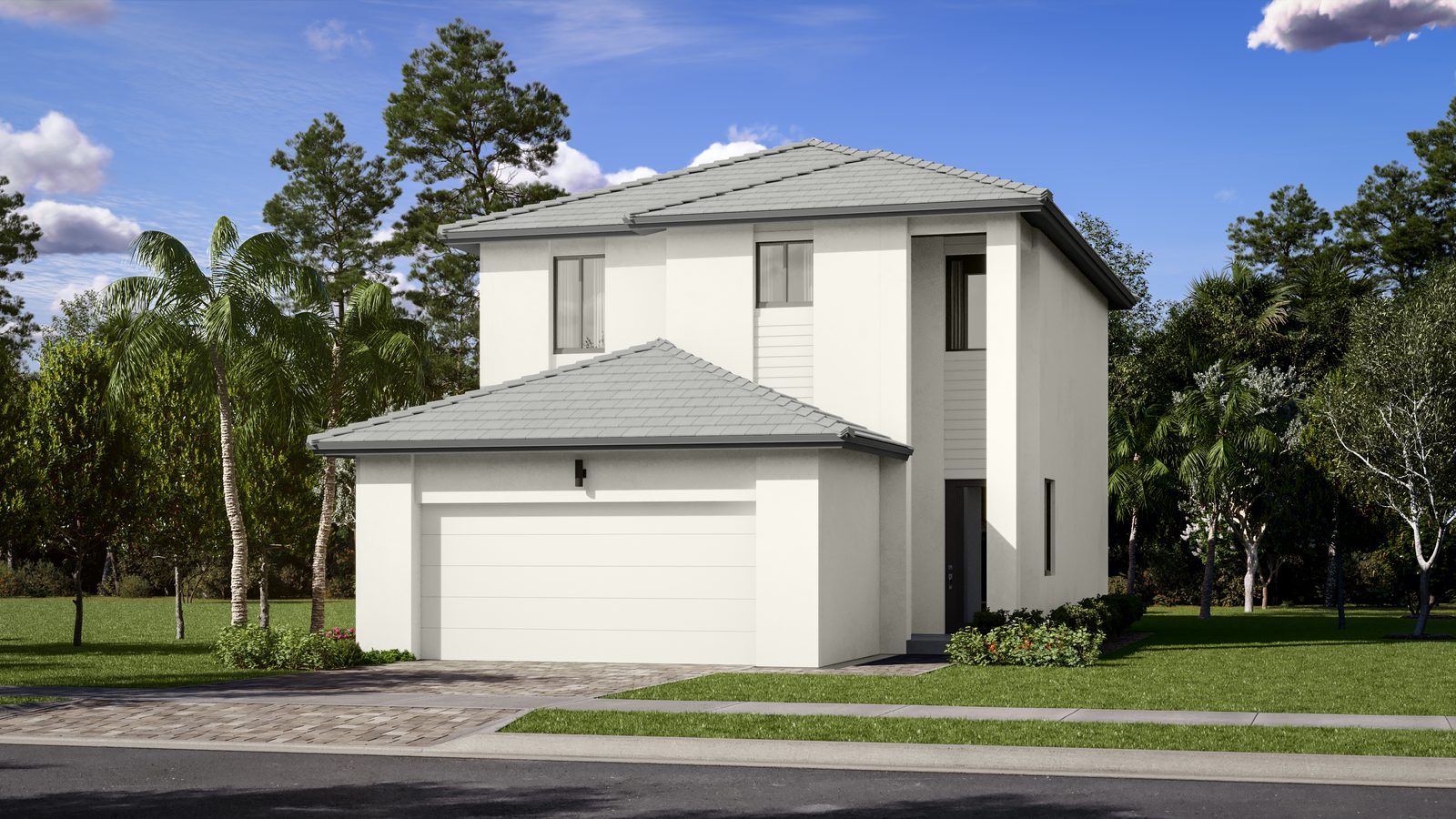
The largest homes in the community, on larger lots, and typically the collection where HOA dues sit closer to the top of the range. If you’re comparing Solterra’s single-family product against resale single-family homes elsewhere in Sunrise or Plantation, remember to add both the HOA and CDD into your comparison. A resale home with no CDD and a $150 HOA can look artificially cheaper on a spreadsheet if you’re only comparing sticker price and mortgage payment. But that resale home also comes with an older roof, older AC, no impact glass unless it’s been retrofitted, and none of the new-construction warranty coverage that comes standard with a Lennar build. The real comparison isn’t HOA versus HOA, it’s total cost of ownership over the first ten years, repairs included.
For a full walkthrough of how square footage, bedroom count, and layout map to these three collections, the Solterra, Sunrise Floor Plans Explained (2026) breakdown goes room by room so you’re not guessing which plan actually fits your household.
Three Buyers, Three Real Numbers
Numbers land differently depending on who’s reading them, so here’s how this plays out for three different buyer profiles who actually walk into communities like Solterra.
The first-time buyer, FHA, villa collection. Say you’re 29, relocating for work, no prior home purchase, and you qualify for FHA with 3.5% down. On a $543,000 villa, that’s roughly $19,000 down plus closing costs. Your monthly number stacks principal and interest, mortgage insurance (standard on FHA), CDD-loaded property taxes, homeowners insurance, and HOA at the lower end of the range, likely closer to $385 to $420 a month for this collection. The total is meaningfully higher than a “starting from” ad number, but it’s also a real, fixed, predictable monthly cost with a brand-new home, impact glass, and a manned gate, which is a very different risk profile than a 25-year-old resale home with an aging roof and no CDD.
The young family, conventional loan, townhome collection. A couple with one or two kids, 10 to 20% down, buying in the low $600s for the extra bedroom and the one-car garage. Their HOA lands mid-range, and the CDD hit is identical in dollar terms to every other buyer in the community regardless of which collection they’re in. Their bigger budgeting question usually isn’t the HOA or CDD, it’s whether their household income comfortably covers the full PITI number once both fees are included, not just the number a builder’s online calculator spits out using a generic tax estimate.
The move-up buyer, single-family, cash-heavy. Someone selling a home elsewhere in Broward or relocating from out of state with significant equity, buying in the $750K to $839K range with a larger down payment. Their HOA sits at the top of the range, but as a percentage of their total housing cost, both the HOA and CDD are a smaller slice of the pie than they are for the first-time buyer. This is also the buyer most likely to ask about prepaying their CDD bond balance, since they have the cash reserves to consider it seriously.
Same community, same fee structure, three very different monthly realities. That’s exactly why “the HOA is $385 to $496” isn’t a useful answer on its own. The useful answer is what that number means for your specific loan type, down payment, and collection.
Budgeting the Real Number: A Step-by-Step Example
Let’s run an actual scenario so this isn’t abstract. Say you’re looking at a townhome in the low $600s.
Step 1: Estimate your loan payment. On a $620,000 purchase with 10% down, you’re financing roughly $558,000. At current rates, principal and interest alone lands somewhere in the $3,600 to $3,900 range monthly, depending on the day you lock.
Step 2: Add property taxes, CDD-inflated. Broward County taxes plus the CDD assessment folded in will push your tax escrow meaningfully higher than a non-CDD community. Budget conservatively here rather than using a generic county average.
Step 3: Add homeowners insurance. South Florida insurance costs have their own conversation entirely, but for new construction with impact glass and CBS (concrete block structure) build, you’re in a better position than older resale stock. Still, budget it as its own line, not an afterthought.
Step 4: Add HOA. $385 to $496 a month, separate from your mortgage escrow, paid directly to the association.
Step 5: Total it up. When you stack principal, interest, CDD-loaded taxes, insurance, and HOA together, your real monthly housing number is meaningfully higher than the “starting from” price you saw in a Google ad. That’s not a reason to walk away from Solterra. It’s a reason to know the real number before you’re emotionally attached to a specific lot and elevation.
This is the same math we walk through with every buyer who reaches out before visiting the sales center, and it’s covered in more depth alongside pricing and lot-by-lot detail in the Solterra Sunrise New Construction: The Complete Buyer’s Guide.
FHA Financing at Solterra: Why the Villas and Townhomes Matter
Here’s a detail that doesn’t get enough attention: the villa and townhome collections at Solterra are FHA eligible, which means qualified buyers can get in with as little as 3.5% down instead of the 10 to 20% down that conventional loans typically require. For a lot of first-time relocation buyers, that’s the difference between buying now and waiting two more years to save a bigger down payment.
But FHA financing comes with its own math that interacts directly with the HOA and CDD numbers in this post. FHA loans require mortgage insurance premiums, both upfront and monthly, which add to your PITI on top of everything already covered above. FHA also has its own condo and PUD approval process for HOA communities, meaning not every HOA-governed community qualifies for FHA financing automatically. If FHA is your path, confirm directly with your lender that the specific building and collection you’re touring is currently FHA-approved, not just that “Solterra” broadly qualifies. Approval status can be collection-specific and can change as phases deliver.
What Happens When the CDD Bonds Pay Off
A question I get constantly from buyers who’ve done their homework: does the CDD assessment ever go away? The honest answer is that the bond repayment portion eventually does, once the district retires the debt that financed the original infrastructure, typically 20 to 30 years from issuance. What doesn’t go away is the operations and maintenance portion of the CDD, which is a smaller ongoing charge that funds upkeep of the infrastructure the bonds paid to build (drainage systems, certain roadways, and similar public-facing infrastructure within the district).
For a buyer planning to hold long-term, that’s genuinely good news, your fixed costs trend down over decades, not up. For a buyer planning to sell in five to seven years, it’s mostly irrelevant to your own holding period, but it does matter to your resale buyer’s math, and it’s a reasonable thing to understand so you can explain it accurately when you eventually list. A well-informed seller who can clearly explain the CDD structure to a nervous buyer closes faster than one who shrugs and says “ask the HOA.”
How Solterra’s Fees Compare to Other West Broward New Construction
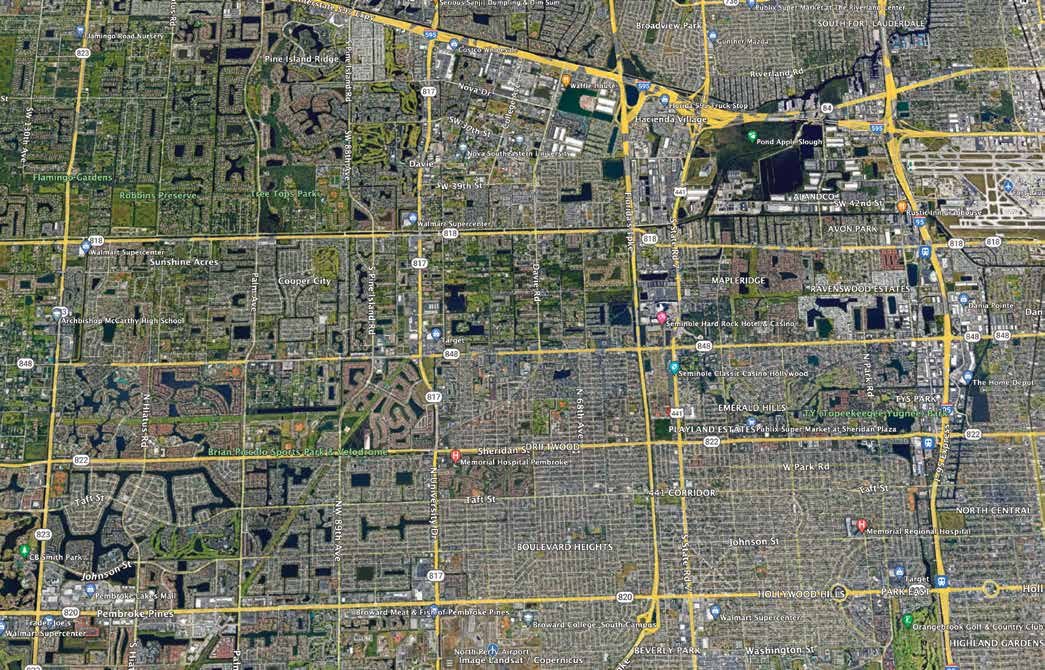
Solterra sits right at the intersection of the I-595, Sawgrass Expressway, and I-75 corridors, which is exactly the kind of location that commands both new construction premiums and CDD-funded infrastructure. That’s not unique to Solterra. Most new gated communities built in this stretch of west Broward over the last several years carry some form of CDD or special assessment, because the roads, drainage, and utility work behind a former golf course or greenfield site has to get paid for by someone, and it’s rarely the developer eating that cost long-term.
What makes Solterra worth a serious look isn’t the absence of a CDD, it’s the value proposition once you accept the CDD is part of the deal: a manned gate, resort-style amenities, and new construction with impact glass and CBS construction, at price points starting under $550K for the villas. For buyers relocating from out of state who are used to paying for both an HOA and property taxes without a CDD line, the adjustment is mental as much as financial. Once you know the real number, it’s not a dealbreaker, it’s just math you plan around.
When you’re comparing Solterra to other gated new construction along this same corridor, ask the same three questions every time: what’s the HOA, is there a CDD or special assessment layered on top, and what specifically does the HOA fund. Two communities can quote you similar HOA numbers and have completely different real costs once one has a CDD and the other doesn’t, or once one’s HOA includes cable and internet and the other’s doesn’t. Never compare communities on price per square foot alone. Compare them on total fixed monthly cost, amenities included, and build quality.
Common Mistakes Buyers Make at the Sales Center
After walking enough buyers through this process, the same handful of mistakes show up over and over.
Mistake one: asking about the HOA and stopping there. The sales rep isn’t lying if they answer your HOA question accurately and never volunteer the CDD number unprompted. It’s on you (or your Realtor) to ask specifically, “is there a CDD or special assessment on top of the HOA, and what’s the annual amount.”
Mistake two: using the builder’s online payment calculator as your real budget. These calculators often default to conventional financing assumptions, generic tax rates, and sometimes exclude the CDD entirely. Treat them as a rough starting point, not a number to build your household budget around.
Mistake three: registering at the sales center before bringing your own Realtor. Once you’ve walked in and registered as a guest without representation, most builders won’t retroactively add a buyer’s agent to your file, and that costs you a free layer of protection and negotiation on something that will cost you hundreds of thousands of dollars.
Mistake four: comparing “from” prices across communities without normalizing for fees. A community advertising a lower base price with a heavier CDD and HOA load can end up costing more monthly than a community with a higher base price and no CDD at all. Always run the full PITI plus HOA comparison, never the sticker price comparison.
Working With a Realtor Here Costs You Nothing
One thing that surprises a lot of relocation buyers: on new construction, the builder pays your buyer’s agent’s commission. It doesn’t cost you anything extra to have your own Realtor walk Solterra with you, review the contract line by line, flag exactly which CDD tier and HOA amount applies to your specific plan and lot, and negotiate on your behalf before you sign anything at the sales center.
The sales rep at the model home works for the builder. Their job is to sell you a home, not to make sure the CDD math works for your budget. Reach out before you register at the sales center, because once you’ve registered without representation, most builders won’t let you add a buyer’s agent after the fact.
The Bottom Line on Solterra’s Real Monthly Cost
Solterra in Sunrise is a legitimate option for value-focused and first-time buyers who want gated, resort-style new construction without a Parkland-level budget, and the fees, once you know them, aren’t a red flag, they’re just part of the real number. Budget $385 to $496 a month for HOA, another $180 to $212 a month for the CDD (billed through your property tax bill, not a separate invoice), and build your mortgage estimate around a PITI number that includes both, not just principal and interest.
If a top-rated school zone is your absolute first priority, Solterra may not be the pick, since school assignments for this specific site aren’t confirmed at this stage of delivery. But for buyers prioritizing gated security, new construction quality, and a monthly number in the mid-$500s and up range, this community earns a real look. Full pricing, floor plans, and current availability for Solterra are updated as new phases release.
Drop your budget and whether you’re FHA or conventional in the comments or reach out directly, and I’ll tell you honestly whether Solterra fits or if there’s a better-fit community in the same corridor for what you’re trying to do.
Watch: learn more
Go deeper with my South Florida Insider videos.
Solterra: Everything You Need to Know Before You Visit
Solterra: Everything You Need to Know Before You Visit
More articles you might like
Altessa at Wilton Manors HOA & CDD Fees: What You'll Actually Pay Every Month
20 min readSolterra HOA & CDD Fees: What You'll Actually Pay Every Month
17 min read
Mainstreet HOA and CDD Fees: What You'll Actually Pay Every Month
13 min readEverton, Lantana HOA and CDD Fees: What You'll Actually Pay Every Month
18 min read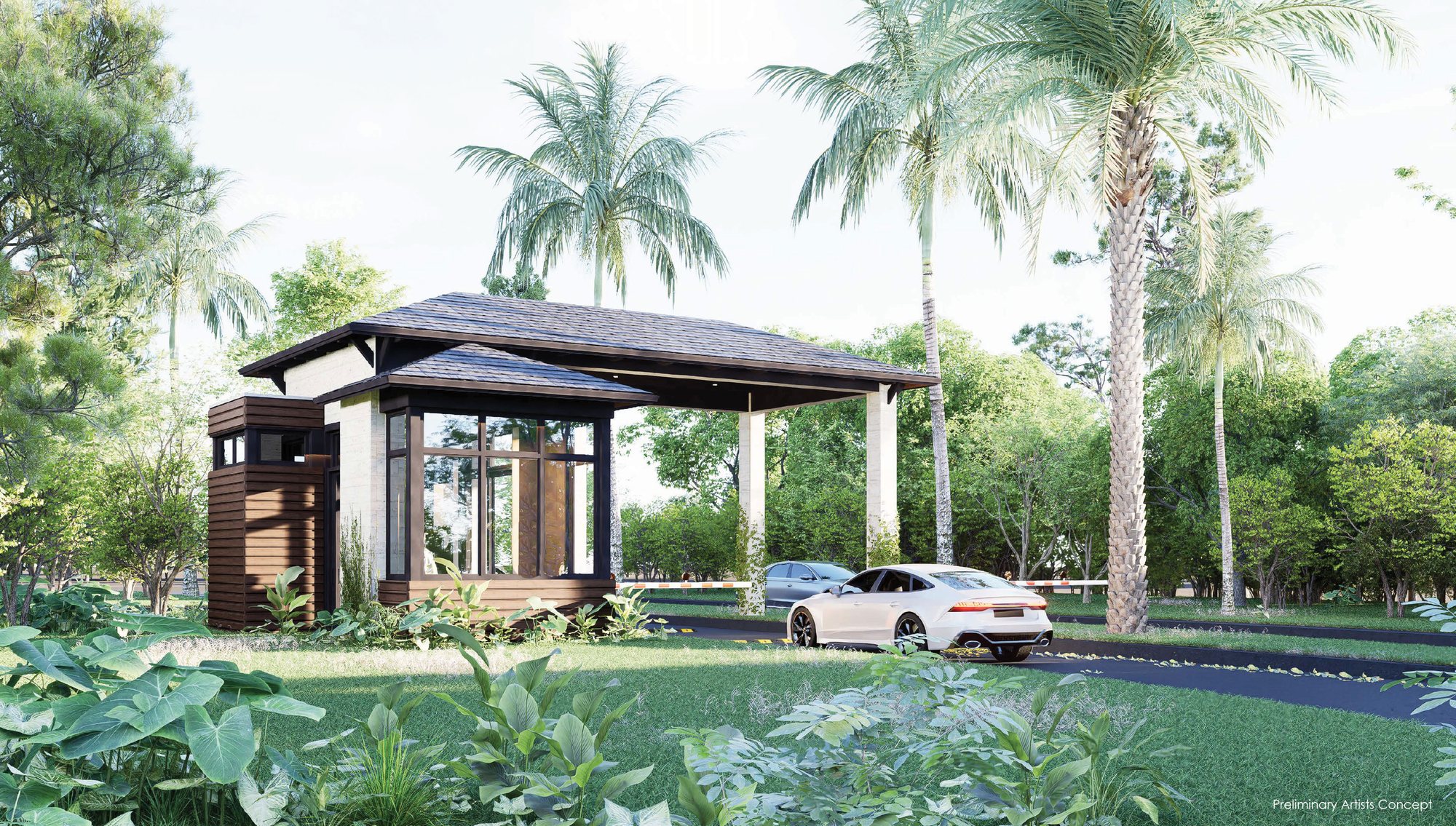
Estates by Turnberry HOA & CDD Fees: What You'll Actually Pay Every Month
18 min read