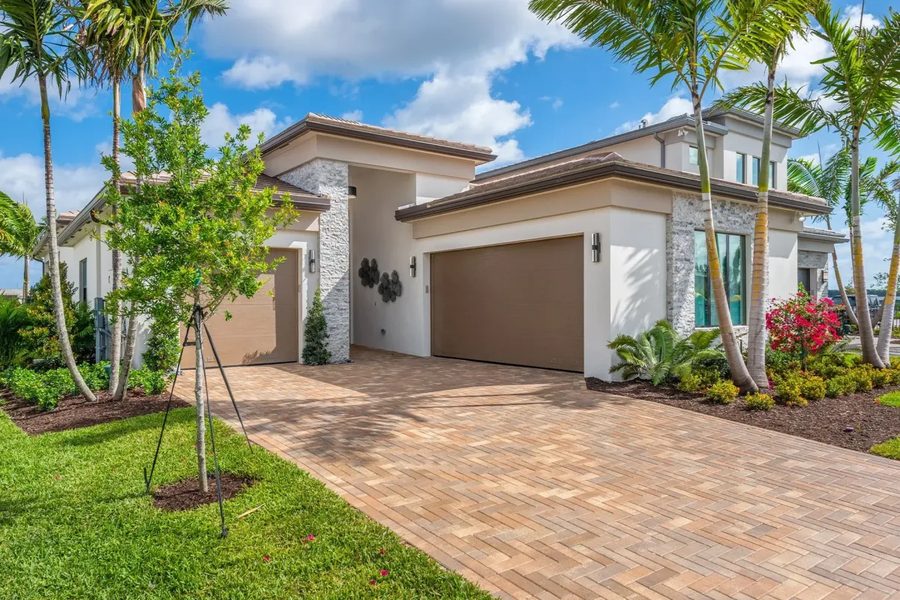
Solterra, Sunrise Review (2026): Prices, Floor Plans, HOA, CDD, and Who It's For
Solterra, Sunrise Review: The Short Answer
If you’re searching “Solterra, Sunrise review” because you’re trying to figure out whether this Lennar community is worth a Saturday drive out to west Broward, here’s the short version: Solterra is a gated, amenity-loaded new construction community with three distinct product types, real HOA fees that range from $385 to $496 a month, a confirmed CDD assessment on top of that, and prices that start at $543,990 for a villa and climb toward $838,990 for the larger single-family homes. It’s not the cheapest new construction in Broward County, and it’s not trying to be. It’s built for buyers who want a low-maintenance, secured community close to the Sawgrass corridor and are okay paying for it.
This review breaks down exactly what you’re getting for that money: the builder, the three collections and their real floor plans, the actual carrying costs once HOA and CDD and taxes are added up, what a CDD actually obligates you to, how Solterra stacks up against buying resale in the same zip code, the amenities, the location, and who should (and shouldn’t) put Solterra on their shortlist.
Where Solterra Sits in the Fort Lauderdale Metro
Solterra is at 7440 NW 24th Place in Sunrise, Florida, 33313. That’s west-central Broward County, squarely inside the greater Fort Lauderdale metro, and it’s a location that matters more than most buyers realize when they’re comparing new construction communities.
From Solterra you’re minutes from Sawgrass Mills, one of the largest outlet malls in the country, and you’ve got quick access to I-95, the Florida Turnpike, and the Sawgrass Expressway. That’s the real value of the address: three major arteries within a short drive means you can get to Fort Lauderdale, Plantation, Weston, or up into Palm Beach County without fighting surface street traffic the whole way. On a normal weekday, that puts downtown Fort Lauderdale and Fort Lauderdale-Hollywood International Airport in the 20 to 25 minute range depending on which corridor you take, and it puts you close enough to the Sawgrass Expressway that a trip north to Coral Springs or south to Miramar doesn’t eat your whole evening. If your work takes you toward downtown Fort Lauderdale or the airport, or if you’re relocating from out of state and want a central jumping-off point in Broward, this corridor earns its keep.
Sunrise itself is an established, built-out city, not a brand-new master-planned suburb carved out of farmland. That means Solterra is infill new construction, wedged into a mature area with existing shopping, schools, and services already in place. You’re not waiting on a future publix or a promised urgent care that hasn’t broken ground yet. Everything is already running: BJ’s Wholesale, Sawgrass Mills, and the retail corridor along Flamingo Road and Oakland Park Boulevard are already built out, and the surrounding neighborhoods have decades of established infrastructure. That’s a trade-off. You don’t get the wide-open feel of a greenfield community out in western Broward, and you won’t find sweeping lake views or acreage lots here, but you also aren’t waiting years for the surrounding infrastructure to catch up, and you’re not gambling on whether a promised amenity ever actually gets built.
For buyers weighing school assignments, Sunrise falls under Broward County Public Schools, and like anywhere in the county, the specific elementary, middle, and high school assignment depends on the exact address within the community. That’s not something to guess at from a brochure. If school zoning is a deciding factor for your family, pull the actual zone from Broward County Public Schools’ locator using Solterra’s address before you write a contract, not after.
Who Builds Solterra and What “Everything’s Included” Actually Means
Solterra is built by Lennar, confirmed directly from the builder’s brochure and the seller’s broker of record, Lennar Realty Inc. Lennar is one of the largest homebuilders operating in Broward County, and that scale cuts both ways. On one hand, you’re not dealing with a small regional builder that might not be around in ten years for warranty issues. On the other hand, Lennar runs a high-volume sales process, which means less room to negotiate structural changes to a floor plan and a sales office that’s managing multiple buyers at once, not just you.
Lennar markets under its “Everything’s Included” program, which means the base price you see on the availability sheet already bundles in features that other builders charge as upgrades: things like stainless appliances, quartz counters, and impact windows are typically standard rather than add-ons. That matters when you’re comparing a Lennar base price against a competitor’s base price that looks cheaper on paper but adds $30,000 to $50,000 in “must-have” options before you get to a comparable spec. It’s the same trap buyers fall into when they compare a base car price against a fully loaded trim: the number on the sign isn’t the number you’ll actually pay unless you know what’s already included.
If you want the deeper walkthrough on financing paths and how the included features stack up plan by plan, the Solterra Sunrise New Construction: The Complete Buyer’s Guide to Floor Plans, Pricing, and HOA Costs goes further into that comparison. This review is focused on the numbers and the honest fit assessment.
The Three Collections and Real Floor Plan Prices
Solterra is organized into three collections, and understanding the difference between them is the single most important thing before you set a budget.
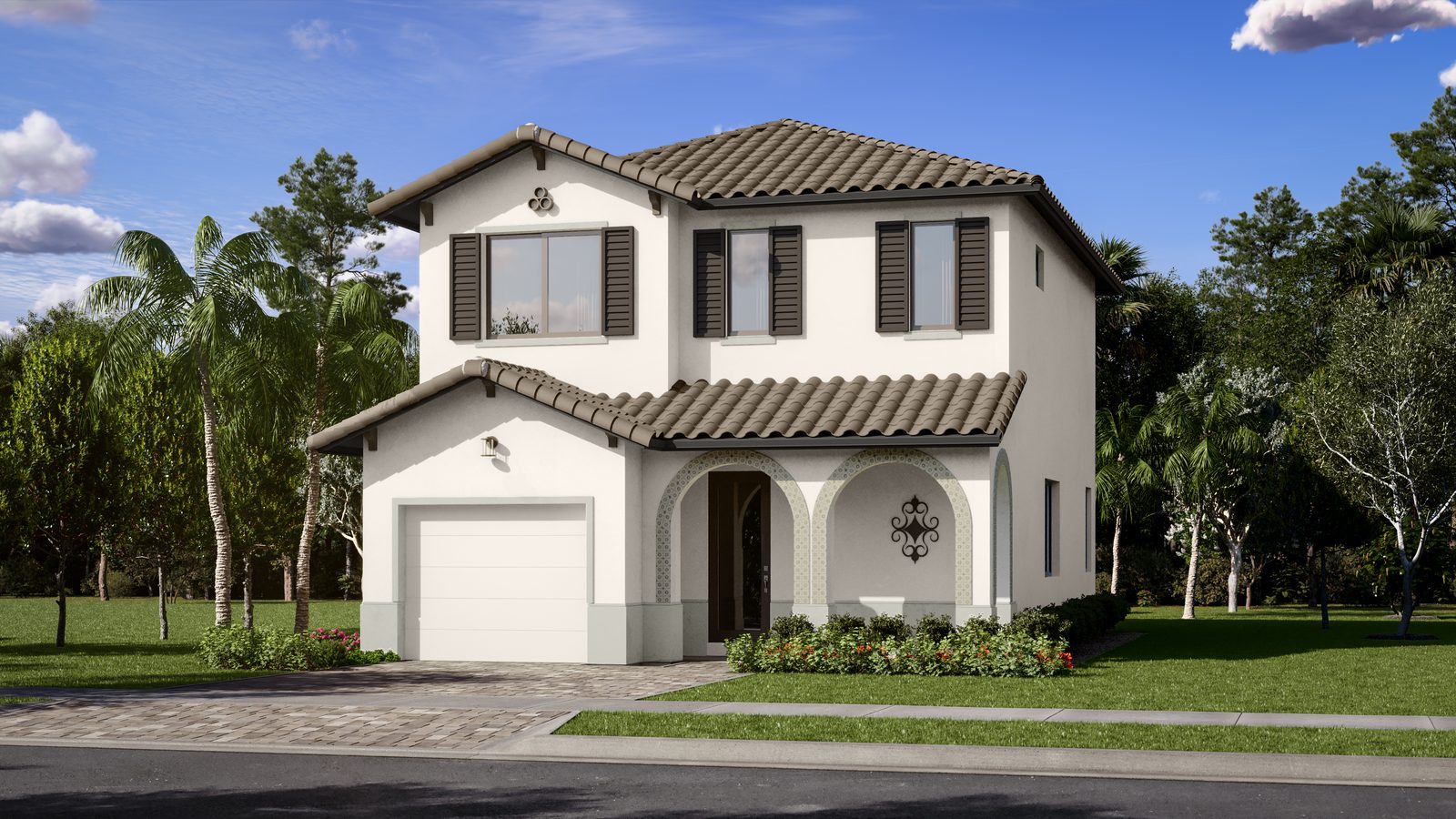
Aurora: The Villas
Aurora is the entry point, and it’s villa product, meaning attached or semi-attached homes with no garage. Both floor plans are two stories.
- Elaris: 1,426 square feet, 2 bedrooms plus an office, 2.5 baths, no garage, starting at $543,990.
- Olaria: 1,633 square feet, 3 bedrooms, 2.5 baths, no garage, starting at $563,990.
Aurora is FHA eligible, which opens the door to buyers who don’t have 20 percent down sitting in an account. That’s a real differentiator in this price range, since a lot of new construction attached product in Broward skips FHA approval entirely. For a buyer putting 3.5 percent down on the Elaris at $543,990, that’s roughly $19,040 to close on the down payment alone, before closing costs, which is a materially different number than the 20 percent, or roughly $108,798, a conventional loan would require on the same home.
Lusso: The Townhomes
Lusso steps up to townhome product with an attached garage, still two stories.
- Amara: 1,776 square feet, 3 bedrooms, 2.5 baths, 1-car garage, starting at $615,990.
- Bellini: 1,785 square feet, 3 bedrooms, 2.5 baths, 1-car garage, starting at $630,990.
- A third Lusso plan, Marani, rounds out the collection at a similar footprint and price tier.
Lusso is also FHA eligible, which is worth noting because a lot of buyers assume garage-equipped townhomes automatically fall outside FHA guidelines. Here they don’t. That garage matters more than it sounds like on paper too. In South Florida, covered parking is real storage space for hurricane shutters, bikes, and the extra refrigerator, and it’s one less thing exposed to summer heat and afternoon storms.
Radiance: The Single-Family Homes
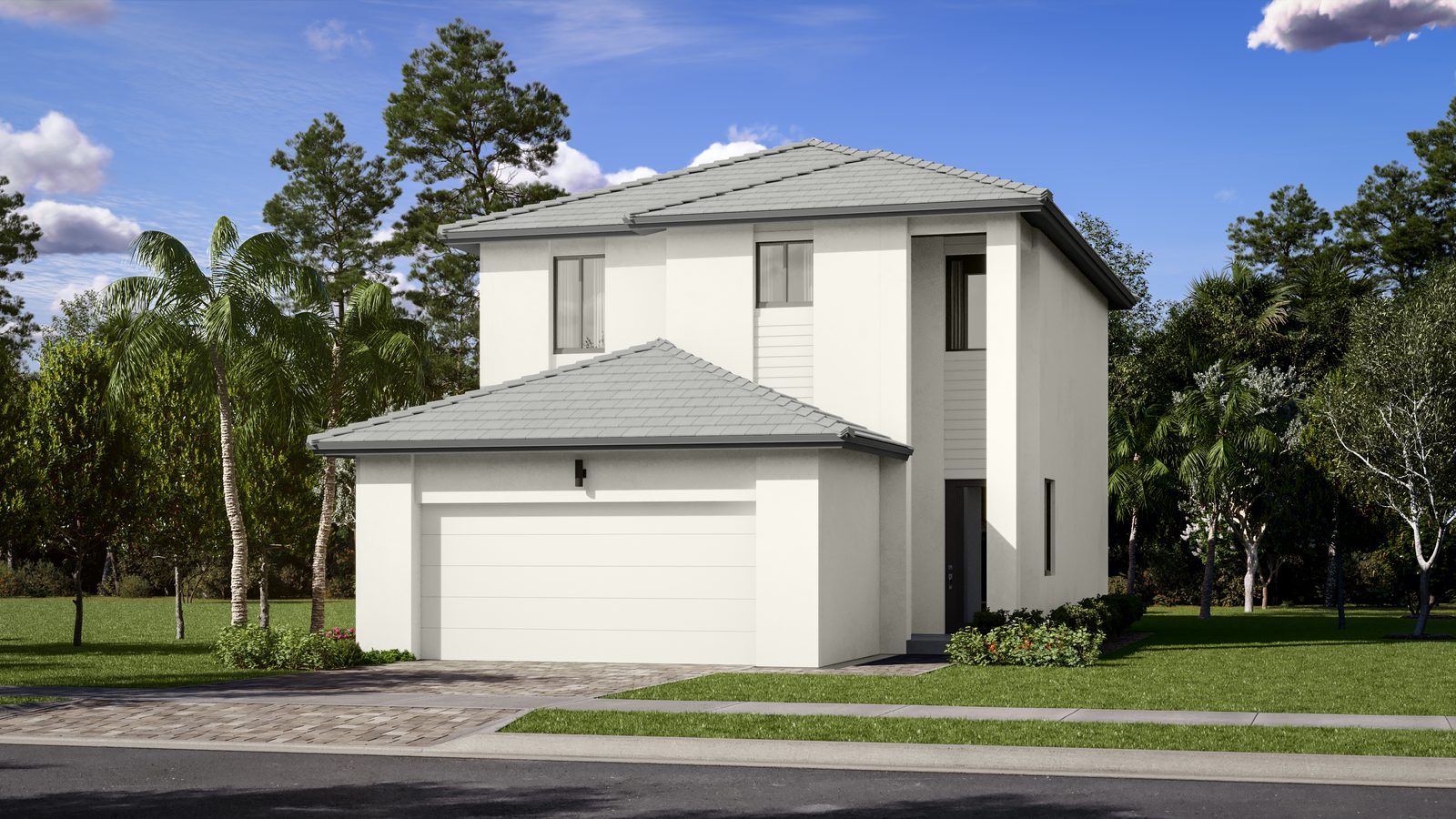
Radiance is the top tier, true single-family homes starting at $750,990 and running up toward the high end of the community’s range, around $838,990. This is conventional financing only, no FHA option as of the current availability sheet. If you’re planning to use an FHA loan, Radiance is off the table and you need to be looking at Aurora or Lusso.
Across all three collections, Solterra offers 10 total floor plans, so there’s more granularity in size and layout than the four named above, but the pattern holds: Aurora is the no-garage entry point, Lusso adds a garage and more square footage, and Radiance is full single-family living at a meaningfully higher price and a higher CDD load.
The Real HOA, CDD, and Tax Math
This is where most community write-ups get vague, and it’s the section that actually changes whether Solterra fits your budget. Solterra sits inside a Community Development District, confirmed directly from the brochure’s HOA and tax disclosure page, which means every buyer here carries three separate costs beyond principal and interest: a monthly HOA due, an annual CDD special assessment, and a property tax rate that’s fixed at 1.55 percent across all three collections.
Here’s the breakdown by collection:
| Collection | HOA (monthly) | CDD / Special Assessment (annual) | Tax Rate |
|---|---|---|---|
| Aurora (Villas) | $496 | $2,160 | 1.55% |
| Lusso (Townhomes) | $385 | $2,160 | 1.55% |
| Radiance (Single-Family) | $385 | $2,544 | 1.55% |
Notice that Aurora, the cheapest collection to buy into, actually carries the highest HOA of the three at $496 a month. That’s likely tied to exterior maintenance and roof coverage on the attached villa product, since villas typically bundle more building upkeep into the HOA than a detached single-family home does. Don’t assume the cheapest purchase price means the cheapest monthly carry.
Putting real numbers against it, here’s what a buyer at the entry price of each collection is actually carrying every month in HOA, CDD, and property tax, before a mortgage payment even enters the picture:
- Elaris (Aurora, $543,990): roughly $703/month in property tax, plus $496 HOA, plus $180/month CDD (the $2,160 annual figure divided across 12 months). That’s about $1,379 a month in fixed costs on top of the mortgage.
- Amara (Lusso, $615,990): roughly $796/month in property tax, plus $385 HOA, plus $180/month CDD. That’s about $1,361 a month.
- Radiance entry ($750,990): roughly $970/month in property tax, plus $385 HOA, plus $212/month CDD. That’s about $1,567 a month.
These are estimates based on the 1.55 percent rate applied to the purchase price and the HOA/CDD figures from the current disclosure sheet. Your actual tax bill will depend on the assessed value the Broward County Property Appraiser sets after closing, and CDD assessments can shift year to year as the district retires bonds. But the math above should be close enough to build a real budget around, which is more than most listing sheets give you.
The reality is, a lot of buyers fixate on the base price and forget that CDD debt is a real, recurring obligation, not a one-time closing cost. If you’re stretching to hit the $543,990 Aurora price point, make sure you’re also comfortable with roughly $1,380 a month in HOA, CDD, and tax on top of your mortgage payment before you commit.
What a CDD Actually Is, and Why It’s Not the Same as an HOA
A lot of buyers hear “CDD” and assume it’s just another name for the HOA. It isn’t, and treating it like one is how people end up surprised at closing or, worse, surprised a year later when the assessment shows up on the tax bill.
A Community Development District is a special taxing unit set up to finance the infrastructure that made the community buildable in the first place: roads, water and sewer lines, drainage, the gate, and often the clubhouse and pool. The developer fronts that cost through bond financing, and the CDD assessment is how homeowners pay that bond back over time, similar in concept to a mortgage on the infrastructure itself. That’s why the CDD figure shows up as a fixed annual number tied to your parcel rather than a variable fee the HOA board can raise or lower at a meeting.
Here’s what that means practically for a Solterra buyer. First, the CDD assessment is typically collected as part of your property tax bill, not as a separate HOA-style invoice, so it shows up once a year rather than monthly, even though it’s smart to budget for it monthly like we did above. Second, CDD debt is generally tied to the property, not the person, meaning it’s a long-term obligation baked into owning that specific home, not something that goes away if you refinance. Third, some CDD bonds get paid off over 15, 20, or even 30 years, so ask directly, either through the HOA documents or the closing attorney, how many years remain on Solterra’s district bond and whether early payoff is an option if you want to eliminate that line item down the road.
None of this makes a CDD a bad thing. It’s a normal, common financing structure across new construction in Florida, and it’s how a lot of the amenities and infrastructure at Solterra got built without the entire cost being loaded into your purchase price upfront. But it’s a real, binding number, not a marketing footnote, and you should read the actual CDD disclosure document, not just this summary, before you sign.
Solterra vs. a Resale Home in Sunrise: The Real Trade-off
Every buyer looking at Solterra should also be cross-shopping resale inventory in Sunrise and the surrounding Plantation and Tamarac zip codes, because the comparison clarifies what you’re actually paying for.
A resale home in an established Sunrise neighborhood, built in the 1980s or 1990s, will generally carry a lower HOA, often no CDD at all, and a lower price per square foot than Solterra’s new construction pricing. What it won’t give you is a builder warranty, current-code hurricane impact windows as a standard feature, or a brand new roof, water heater, and AC system that don’t need attention for the next decade or more. It also won’t give you the manned gate and resort amenity package Solterra offers, unless you’re specifically shopping an older gated community that already has those features built in and is charging its own HOA for them.
The honest way to frame the decision: buying at Solterra, you’re paying a premium, largely captured in that HOA and CDD line, for newness, warranty coverage, and amenities you don’t have to maintain yourself. Buying resale, you’re often getting a lower monthly carrying cost but taking on more of the maintenance risk and losing the FHA-friendly attached product that Aurora and Lusso offer at this price point. Neither answer is universally right. It depends on whether you value predictable monthly costs and turnkey condition over a lower HOA and the chance to put your own money into upgrades over time instead of paying for them baked into someone else’s spec.
Amenities and Security
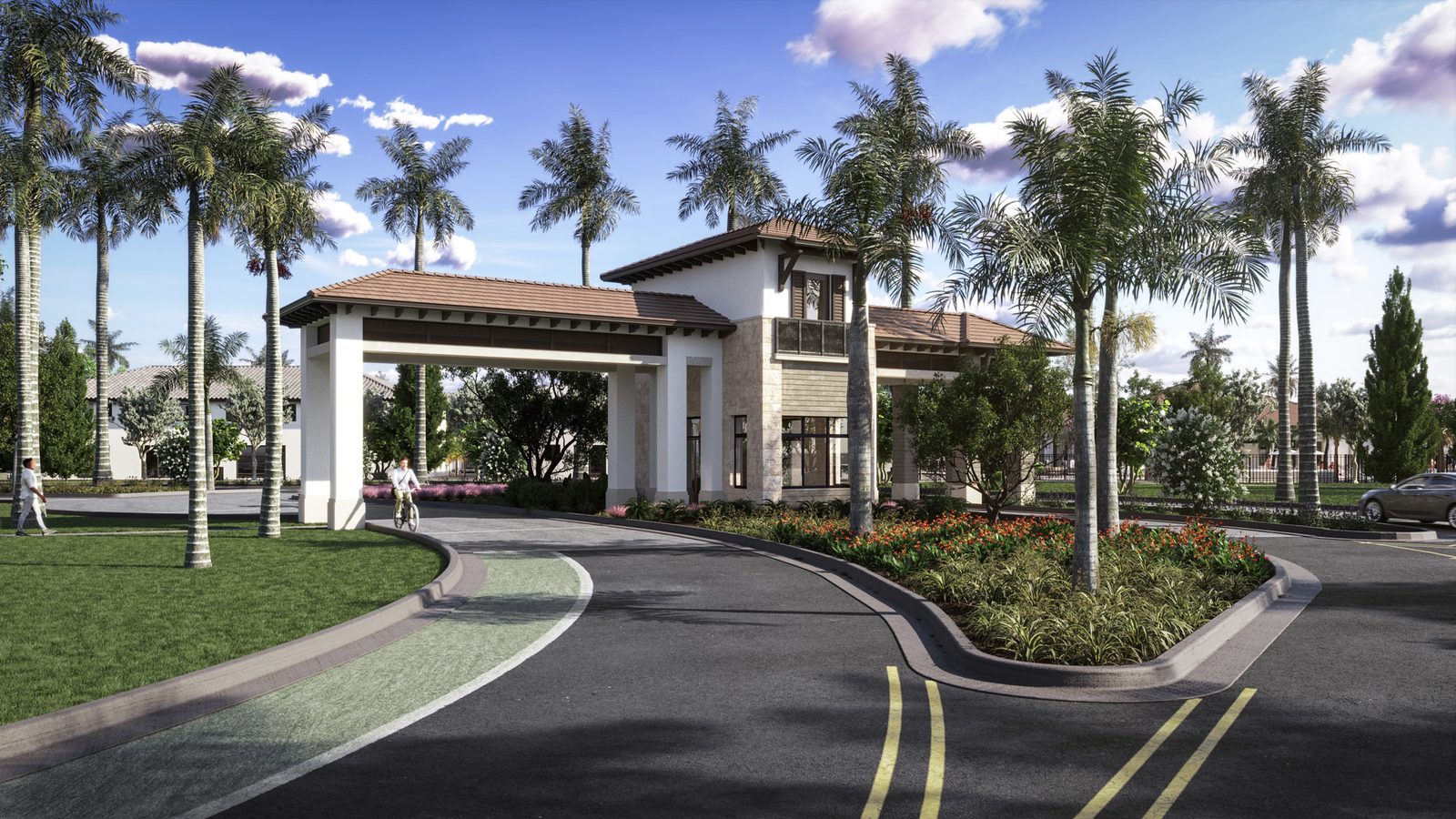
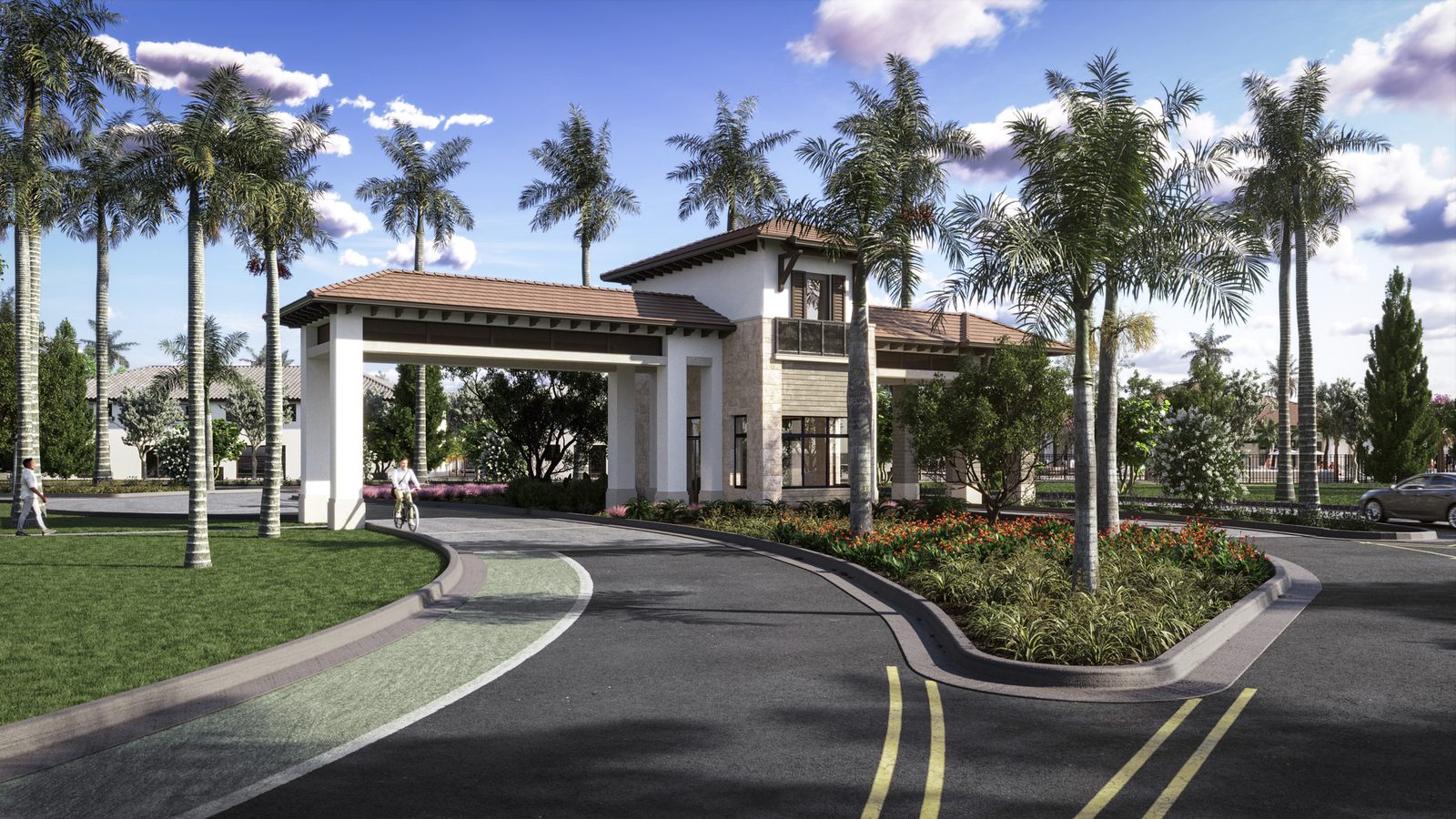
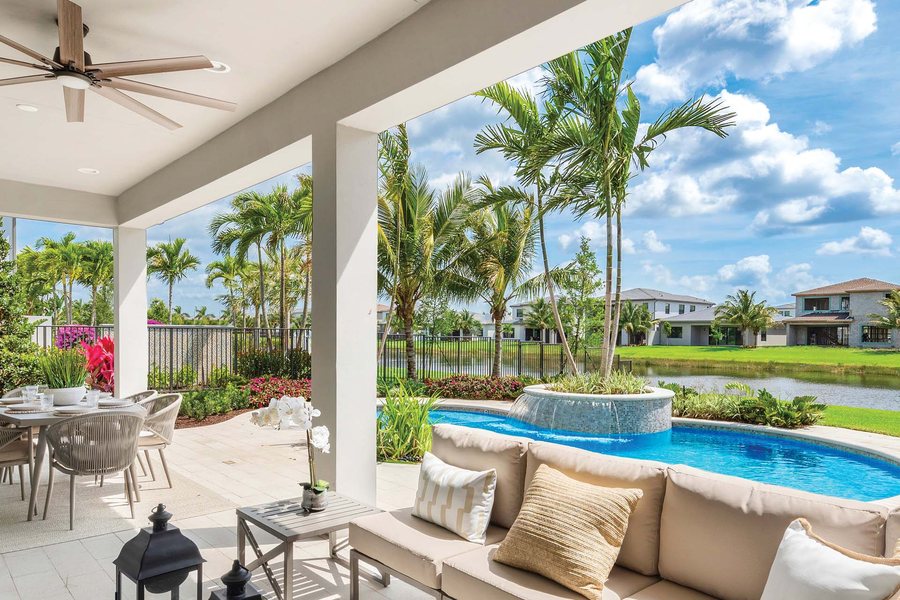
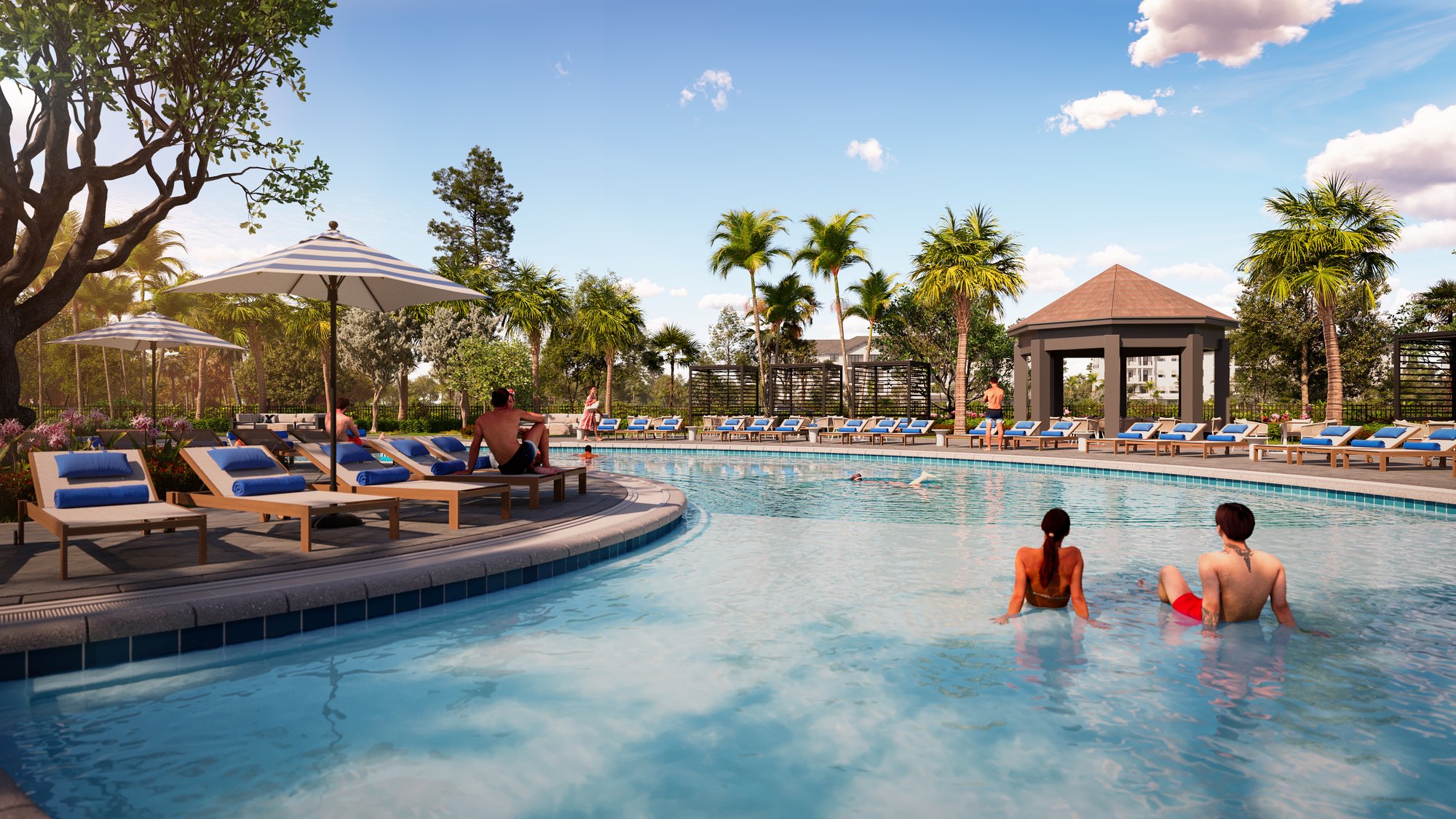
Solterra is gated with manned security, not just a keypad at the entrance. Inside the gates, the amenity package includes a clubhouse, resort-style pool (the brochure references pools, plural, suggesting more than one pool area across the community), a fitness center, green parks with a playground, and a lounge space. That’s a fuller amenity package than a lot of similarly priced Broward communities offer, and it’s part of what’s driving the HOA number, especially on the villa side.
If a resort feel with staffed security matters to you, Solterra delivers it. If you’d rather skip the amenity overhead and put that $385 to $496 a month toward a bigger mortgage on a home with more land, that’s a legitimate trade-off to weigh, and it’s one worth running the numbers on before you fall in love with the clubhouse.
Two Buyer Scenarios: Who Actually Buys at Solterra
It helps to see this play out with real numbers instead of abstract categories.
Scenario one: a young couple using FHA financing. A teacher and a nurse, combined household income around $95,000, with 3.5 percent down saved up and not much more. Aurora’s Elaris at $543,990 puts them at roughly a $19,040 down payment, and the FHA eligibility is the reason Solterra is even on their list, since most single-family new construction in this price range in Broward requires a conventional loan. Their monthly nut, mortgage plus the $1,379 in HOA, CDD, and tax, is tight against that income, and this is exactly the buyer who needs to run the full numbers before touring, not after falling for the model unit.
Scenario two: a relocating family from out of state paying cash or with a large down payment. They’re moving for work, want to be settled fast, and don’t want to manage a renovation or inherit someone else’s deferred maintenance. Radiance at $750,990 and up makes sense here. They can absorb the $1,567 a month in fixed costs without financing stress, they value the manned gate for a family moving somewhere unfamiliar, and the finished amenity package means their kids have a pool and a playground on day one instead of waiting for phase two to get built out.
Most real buyers at Solterra land somewhere between these two, but if you can see yourself closer to one end than the other, that tells you which collection to actually tour first instead of walking the whole community.
Who Solterra Is Right For
Solterra makes the most sense for a specific type of buyer, and being honest about that upfront saves everyone a wasted weekend.
First-time buyers using FHA financing fit well here, specifically in Aurora or Lusso. The FHA eligibility on both of those collections is a genuine advantage over a lot of new construction townhome and villa product in Broward that builders don’t bother getting FHA-approved.
Buyers who want low-maintenance living close to Sawgrass Mills and the I-95/Turnpike/Sawgrass Expressway triangle will get real utility out of the location. If your commute runs toward Fort Lauderdale, Plantation, or even up into Palm Beach County, this address cuts real time off your drive compared to communities further west.
Relocation buyers who want security and a finished amenity package on day one, rather than a community still building out its clubhouse and pool years after the first residents move in, will appreciate that Solterra’s amenities are part of the current offering, not a future promise.
Buyers who are financing through conventional loans and want a detached single-family home should look at Radiance, understanding that the CDD and tax load climbs along with the purchase price.
Downsizers and buyers who don’t want yard work should take a hard look at Aurora specifically. The villa product’s higher HOA is largely buying you out of exterior maintenance and lawn care, which is worth something if you’re coming out of a house where you spent every Saturday on upkeep.
Who Should Skip Solterra
If a low HOA is your top priority, Solterra isn’t it. Even the cheapest HOA tier here, $385 a month on Lusso and Radiance, is a real number, and Aurora’s $496 a month is on the higher end for villa product in this price range. If you’ve compared other west Broward or Sunrise-area new construction and found HOAs in the $200s, that gap adds up to thousands of dollars a year.
If you need a private, fenced backyard for kids or dogs and you’re looking at Aurora or Lusso, be careful. Villa and townhome product in this price range typically comes with small patio or courtyard space rather than a traditional yard. Radiance, as detached single-family product, is the collection to look at if yard space is a requirement, not the villas or townhomes.
If you’re relying on FHA financing and you have your heart set on a detached single-family home, Solterra’s Radiance collection won’t work for you right now since it’s conventional financing only. You’d need to either shift to Aurora or Lusso, or look at other new construction single-family communities in the area with FHA approval already in place.
If you’re deeply sensitive to CDD debt as a concept and would rather own a home with none of that obligation attached to the parcel, no matter how the monthly math works out, an older resale neighborhood without a district assessment is going to be a better fit for your peace of mind than Solterra, regardless of the amenities.
How Solterra Fits the Broader West Broward New Construction Picture
Sunrise isn’t the only city in west Broward building new right now, but Solterra’s combination of a gated, staffed-security entrance, a full clubhouse and pool amenity package, and FHA eligibility on two of its three collections is a specific combination that not every competing community matches. Some nearby new construction skips the manned gate to keep HOA dues lower. Others build single-family only and skip the FHA-eligible attached product entirely. Some communities further west in Broward offer larger lots and a lower price per square foot but put you further from the I-95 and Turnpike access that makes Solterra’s location work for commuters.
Solterra is trying to cover more of the buyer spectrum in one gated community, from a $543,990 FHA-eligible villa up to an $838,990 conventional single-family home, and that range is worth understanding before you assume “Solterra” means one specific price point or product type. When you’re cross-shopping, ask the same three questions at every community: what’s the actual HOA, is there a CDD and how much of the bond is still outstanding, and does the collection you want actually qualify for the financing you’re bringing to the table. Communities that look cheaper on the sign price sometimes catch up fast once you run those same three questions.
If you want the full breakdown of every floor plan, current availability, and a walk-through of how financing options play out plan by plan, the Solterra Sunrise New Construction: The Complete Buyer’s Guide to Floor Plans, Pricing, and HOA Costs covers that in more depth than a review can. And if you want to see current availability, renderings, and the site plan directly, the Solterra community page has the latest inventory.
Bottom Line
Solterra, Sunrise is a legitimate option if you want gated, amenity-rich new construction in a location that puts three major Broward corridors within easy reach, and you’re willing to budget for HOA dues between $385 and $496 a month plus a confirmed CDD assessment on top of your tax bill. It’s not the lowest-carrying-cost new construction in Broward County, but it’s also not overpriced for what’s included, especially with FHA eligibility on the Aurora and Lusso collections opening the door to buyers who’d otherwise be priced out of new construction entirely.
Before you tour, run your own numbers against the table above. Know which collection you actually qualify for based on your financing, understand what the CDD bond actually obligates you to, and decide whether the amenity package is worth the monthly premium over a lower-HOA alternative or a comparable resale home nearby. If you want a second set of eyes on how Solterra compares to what else is available in Sunrise, Plantation, and the rest of west Broward right now, that’s a conversation worth having before you sign a contract, not after.
If you’re weighing Solterra against other new construction in the area and want a direct comparison built around your actual budget and financing, reach out and I’ll walk through it with you. DM me “SOLTERRA” and I’ll send over the current availability sheet along with a side-by-side on what else is delivering in west Broward this year.
Watch: learn more
Go deeper with my South Florida Insider videos.
Solterra: Everything You Need to Know Before You Visit
Solterra: Everything You Need to Know Before You Visit
More articles you might like
Mainstreet Review (2026): Prices, Floor Plans, HOA, CDD, and Who It's For
18 min read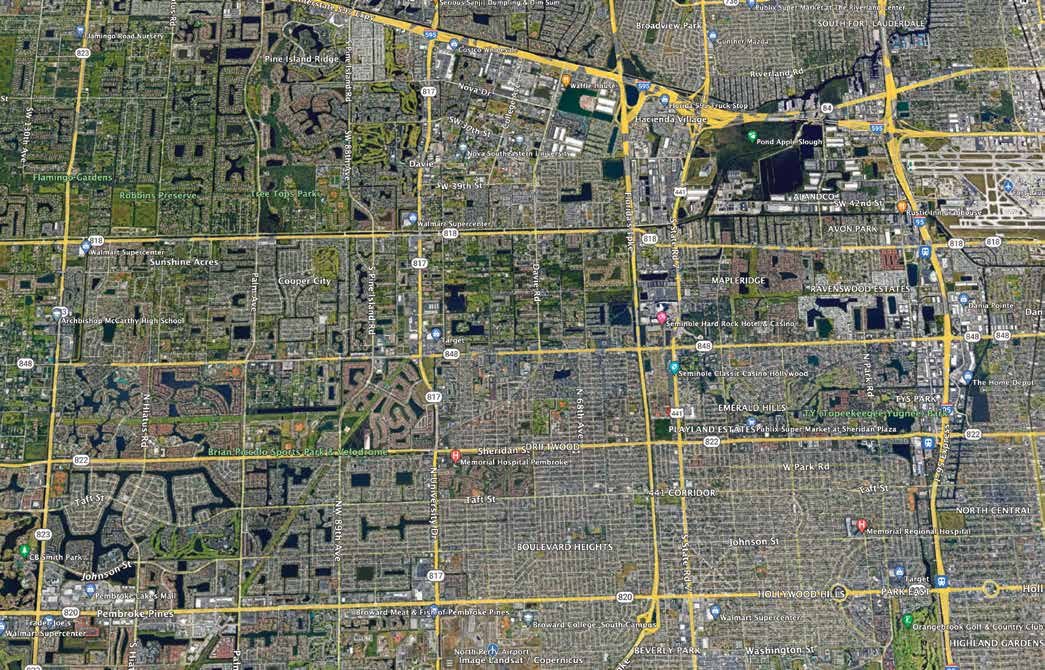
Vineyards Review (2026): Prices, Floor Plans, HOA, CDD, and Who It's For
15 min read
Altessa at Wilton Manors Review (2026): Prices, Floor Plans, HOA, CDD, and Who It's For
18 min read
Cascata at MiraLago Review (2026): Prices, Floor Plans, HOA, CDD, and Who It's For
15 min read
Avenir Review (2026): Prices, Floor Plans, HOA, CDD, and Who It's Actually For
13 min read