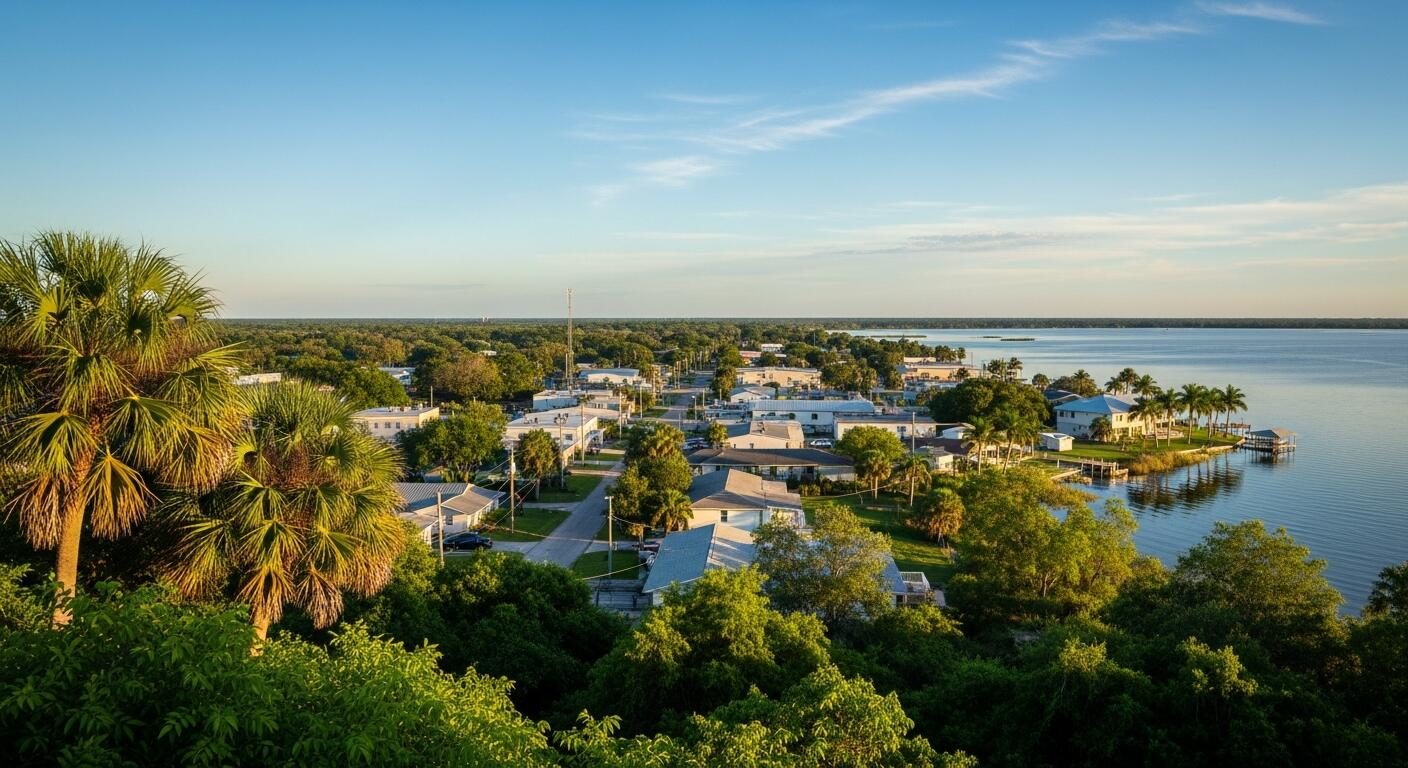
Buyer's Guide to Ocean Ridge, FL: What to Know Before You Purchase
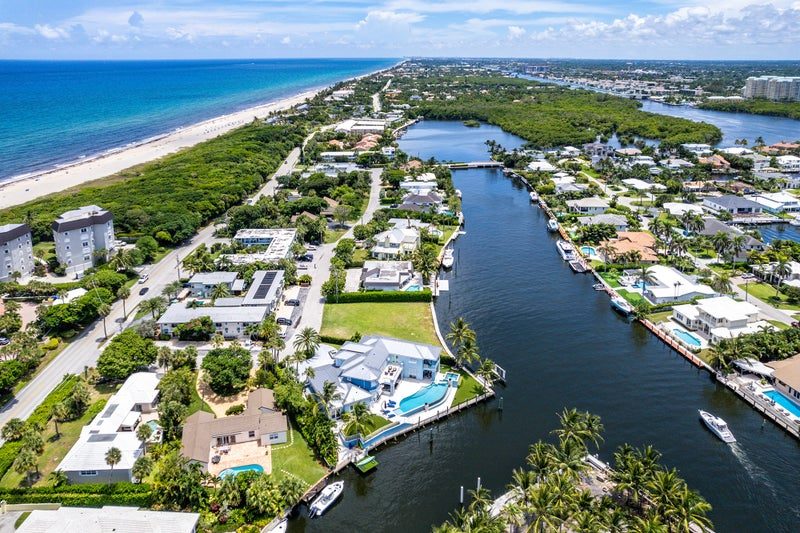
If you are asking what you need to know before buying in Ocean Ridge, here it is up front: this is not a community you buy into, it is a town, and a small one. There are roughly 1,800 residents spread across a barrier island a little over three miles long, no traffic lights, no condo towers, and a 35-foot height limit that has kept it that way since the town incorporated in 1947. Whatever you have seen in other Palm Beach County guides about builder incentives and community amenity packages does not apply here. In Ocean Ridge, the real decision is which of three buying zones you are in (oceanfront, Intracoastal, or interior), what flood zone your parcel sits in, and whether you are buying a finished house or buying land with a house on it that you intend to remove.
This guide covers the price tiers by zone, what teardown-rebuild actually looks like in a town with strict setback and height codes, the due diligence items that matter here specifically, and who Ocean Ridge is genuinely a good fit for versus who should be looking a few miles in either direction.
Buyer’s Guide to Ocean Ridge, FL: What to Know Before You Purchase
Ocean Ridge sits on the barrier island between Boynton Beach to the west and north, and the town of Gulf Stream (with Delray Beach just past it) to the south. Manalapan and the small mobile-home cooperative of Briny Breezes sit just to the north across the Boynton Inlet. State Road A1A, called Ocean Boulevard through town, runs the length of it, with the Atlantic Ocean on one side and a mix of Intracoastal frontage and interior residential streets on the other. The zip code is 33435, shared with parts of Boynton Beach, which is worth knowing because it means online searches by zip code will pull in a lot of mainland inventory that has nothing to do with Ocean Ridge itself.
The town runs its own police department, its own building and zoning department, and its own permitting process, separate from unincorporated Palm Beach County. That matters more than it sounds like it should. A renovation or new build here goes through Ocean Ridge’s building department, not the county’s, and the town is known for being deliberate rather than fast. If you are used to the permitting timelines in a large master-planned Boynton Beach or Delray development, budget more time here.
There is no commercial zoning to speak of inside town limits. No grocery store, no gas station, no restaurant row. Residents drive into Boynton Beach or across the bridge into Delray Beach for daily errands, which is either a feature or a dealbreaker depending on what you want out of a beach town. For a broader look at how Ocean Ridge compares on pricing and trend lines against its neighbors, our Ocean Ridge real estate market breakdown goes deeper on the numbers side. This guide is about what the money actually buys and what to check before you sign a contract.
What $1.2M, $3M, and $7M+ Actually Buys
Ocean Ridge does not have a single “market price.” It has three distinct sub-markets that barely overlap, and the difference between them is almost entirely about which side of A1A you are on and how close you are to open water.
Interior homes: roughly $1.2M to $2.5M
These are homes on the streets between A1A and the Intracoastal, or on the handful of interior blocks that do not touch water at all. Most of the housing stock here dates to the 1950s through 1970s, Old Florida ranch and mid-century construction, on lots that run a quarter acre and up. At the lower end of this range you are typically buying a home that has not been substantially updated since the original build, on a lot that a lot of buyers are quietly evaluating for tear-down potential rather than move-in condition. At the upper end, $2M to $2.5M, you are getting either a fully renovated or newer-built home, still without water access, but on a larger or better-positioned lot.
Intracoastal-front homes: roughly $3M to $7M
Add a dock, a seawall, and direct Intracoastal frontage and the number roughly triples. These homes trade heavily on lot width and water depth at the dock, since boat access is the whole reason buyers pay the premium. Older Intracoastal homes on this stretch often need seawall work, and a buyer who skips a marine inspection here is taking on real risk. Renovated or newer Intracoastal homes with a protected dock and no bridge restrictions to open water command the top of this range.
Direct oceanfront: roughly $5M to $15M+
Oceanfront lots in Ocean Ridge are narrow relative to Manalapan or Gulf Stream to the north and south, which keeps total price down relative to those towns even though the per-foot land value is comparable. A smaller original oceanfront cottage on a full oceanfront lot can transact in the $5M to $7M range purely for the land. A fully rebuilt or newly constructed oceanfront estate, especially on a wider parcel near the north end toward the inlet, can clear $15M. There are very few of these transactions in a given year, so any single closed sale moves the “average” a lot. Treat oceanfront comps with caution and lean on someone who tracks this specific fifteen-block stretch, not county-wide oceanfront averages.
Across all three tiers, expect Ocean Ridge to price meaningfully below comparable Manalapan or Gulf Stream real estate for a similar lot, and meaningfully above comparable Boynton Beach mainland real estate. That gap is the town’s whole value proposition: barrier island living and a private, low-density feel, without Gulf Stream’s country-club price floor.
Oceanfront, Intracoastal, or Interior: The Three Buying Zones
Before you tour a single house, decide which zone you are actually shopping, because the due diligence, the insurance cost, and the resale pool are different for each.
Oceanfront (east of A1A)
You are buying primarily for the ocean, the sunrise, and privacy. You are also buying into the Coastal Construction Control Line, which means any new construction or substantial renovation needs a Florida DEP permit in addition to the town’s building permit. Insurance is the highest of the three zones. Beach renourishment, erosion, and the condition of any existing dune or seawall matter enormously, and older homes here are frequently purchased purely for the land.
Intracoastal (west-facing waterfront)
You are buying for boat access and calmer water views, generally at a lower per-square-foot land cost than oceanfront. The trade-off is you need to verify seawall condition, dock permits, and whether the parcel has a fixed bridge or the Boynton Inlet between your dock and open water, which affects what size vessel you can actually run.
Interior
No flood premium relative to the waterfront tiers, no seawall to inspect, and the most straightforward closing process of the three. What you give up is water access and the water view, which is the reason most buyers choose Ocean Ridge over Boynton Beach mainland in the first place. If you are buying interior, be honest with yourself about whether the town’s other draws (low density, beach proximity, small-town feel, A-rated school zones nearby) are enough for you without water frontage. If they are not, you may be better served in a Boynton Beach or Delray Beach neighborhood at a lower price with a shorter walk to amenities.
If you are still deciding between Ocean Ridge and nearby suburbs while you weigh proximity to family-oriented infrastructure, our Best Palm Beach County Suburbs for Families Relocating in 2026 guide lines several of these towns up side by side.
New Construction and Teardown-Rebuild: How Building Works Here
There is no builder community in Ocean Ridge. No sales center, no model row, no phase releases. What “new construction” means in this town is one of two things.
Buy an older home for the land, tear it down, and build custom. This is the dominant path for buyers who want a modern home in Ocean Ridge. You are purchasing an existing 1950s-1970s structure, often at a price that reflects the land value more than the house, then working with a local custom builder and architect to design and permit a new home under the town’s current code. Expect the town’s 35-foot height limit, setback requirements, and lot coverage rules to shape the design more than they would in a typical Palm Beach County subdivision. Permitting through Ocean Ridge’s building department, plus DEP review if you are oceanfront or doing seawall work, routinely takes longer than buyers coming from a master-planned community expect. Budget 12 to 18 months from permit submission to certificate of occupancy on a full custom rebuild, and treat any faster estimate with skepticism until you have talked to the town directly.
Buy a completed spec home. A number of local builders and small development groups buy the older home, do the teardown themselves, and sell the finished new-build. You pay a premium over the land-plus-construction cost for someone else having carried the permitting risk and timeline, but you skip the 12 to 18 month process and know exactly what you are getting. These come to market throughout the year in ones and twos, not in phases, so they move fast when they are well-priced.
Either way, there is no builder incentive package, no rate buydown, no design center walkthrough. You are either hiring a custom team or buying a finished product from whoever built it. If you want a sense of what a structured, phased new-construction buying process looks like by comparison, our Agave Boca new construction guide covers a true builder community, which is a genuinely different buying experience than anything in Ocean Ridge.
The Due Diligence Checklist Every Ocean Ridge Buyer Needs
This is the section that actually protects your money. Go through each item before you go hard on a contract.
-
Flood zone and elevation certificate. Pull the FEMA flood zone for the exact parcel, not the town average. Oceanfront and Intracoastal lots are frequently in AE or VE, interior lots vary. Request the elevation certificate and get a real flood insurance quote before you waive your inspection contingency, not after.
-
Seawall and dock condition (waterfront only). Have a marine contractor inspect the seawall, not just a general home inspector. Seawall replacement on the Intracoastal side is a five and six figure expense depending on linear footage, and it is one of the most common surprises in waterfront deals here.
-
Septic versus sewer. Not every parcel in Ocean Ridge is on municipal sewer. Confirm which utility serves the specific address, and if it is septic, get the system inspected and understand the town’s timeline (if any) for mandated sewer conversion in that area.
-
Age and condition of the roof and impact protection. Insurance underwriting in coastal Palm Beach County is unforgiving of older roofs. If the home does not have impact windows or approved shutters, price that into your insurance estimate and your renovation budget.
-
Coastal Construction Control Line status (oceanfront only). Confirm whether the parcel sits seaward of the CCCL. If it does, any new construction or major renovation needs Florida DEP permitting in addition to the town’s process, which adds both time and design constraints.
-
Height, setback, and lot coverage limits. If you are buying with any intent to renovate or rebuild, get the town’s current zoning code for that lot before you close, not after. Ocean Ridge’s 35-foot height cap and setback rules are strict by design, and they will determine whether the home you are picturing is actually buildable on that lot.
-
Evacuation zone. Ocean Ridge is barrier island, meaning it is typically among the first areas placed under mandatory evacuation ahead of a hurricane. This is a lifestyle fact more than a financial risk, but buyers relocating from inland markets are often surprised by it.
-
HOA status, or lack of one. Most of Ocean Ridge carries no HOA and there is no CDD, since the town itself functions as the governing authority. A few small enclaves do have light HOAs. Confirm this specifically for the parcel, do not assume based on the neighborhood.
Flood Zones, Insurance, and Coastal Construction Rules
Insurance is the line item that catches relocating buyers off guard in Ocean Ridge more than any other. Because the town is barrier island with a mix of AE and VE flood zones on the water-facing sides, windstorm and flood premiums run well above what buyers coming from inland Palm Beach County or out of state are used to. Get a real quote, not an estimate, before you remove your financing or inspection contingency. On older homes, especially pre-1990s construction without impact glass, private windstorm carriers may decline coverage entirely, pushing you toward Citizens Property Insurance Corporation as the only option, which changes your total cost of ownership meaningfully.
If you are planning any renovation or rebuild on an oceanfront lot, the Coastal Construction Control Line adds a second permitting layer through the Florida Department of Environmental Protection, on top of the town’s own building department. This is not optional and it is not fast. Factor it into your timeline from day one if a rebuild is part of your plan, not something you figure out after closing.
Schools, Commute, and Daily Life
Ocean Ridge itself has no schools. Depending on the exact address, homes here typically zone into Palm Beach County School District schools in the Boynton Beach or Delray Beach attendance areas, which can include Galaxy Elementary, Congress Community Middle, and Atlantic Community High, among others. Zoning boundaries shift periodically, so confirm the specific assigned schools for any address you are considering directly with the district before you buy, rather than relying on a general guide.
Daily commute means crossing one of the bridges into Boynton Beach (via Woolbright Road or Ocean Avenue) or continuing south into Delray Beach. I-95 access from the barrier island runs 10 to 15 minutes depending on the bridge and time of day, and Palm Beach International Airport is roughly 20 to 25 minutes north. Grocery shopping, everyday dining, and most services mean a short drive off the island, which is standard for this stretch of coast but worth being clear-eyed about if you are used to walkable retail.
For buyers cross-shopping Ocean Ridge against other Palm Beach County lifestyle options, our comparisons of West Palm Beach versus Palm Beach Gardens and Jupiter versus Palm Beach Gardens are useful for understanding how a quiet barrier island town like Ocean Ridge stacks up against denser, more amenity-rich suburbs further north.
Who Ocean Ridge Is Right For (and Who Should Look Elsewhere)
Ocean Ridge fits buyers who want a genuinely quiet, low-density barrier island address, are comfortable driving off the island for daily errands, and either already have the budget for a finished oceanfront or Intracoastal home or are prepared to take on a custom teardown-rebuild with the town’s permitting timeline. It also fits buyers who specifically do not want a condo tower or a large master-planned HOA community and are willing to pay a premium for that.
It is a weaker fit for buyers who want walkable retail and restaurants at their front door, buyers who need a fast close on a move-in-ready renovated home in the interior tier (inventory there is thin and dated), and buyers with a tight construction timeline who cannot absorb a 12 to 18 month permitting and build process if a rebuild is part of the plan. For an unfiltered look at day-to-day life in the town beyond the real estate numbers, our honest 2026 review of Ocean Ridge is worth reading before you commit.
Frequently Asked Questions
What is the price range for homes in Ocean Ridge, FL? As of 2026, interior non-waterfront homes generally run $1.2M to $2.5M, Intracoastal-front homes run roughly $3M to $7M, and direct oceanfront estates start around $5M and can exceed $15M depending on lot size and whether the home has already been rebuilt.
Is there new construction in Ocean Ridge, FL? There are no builder-run communities here. New construction means buying an older home for the land, tearing it down, and building custom through the town’s permitting process, or buying a completed spec home from a local builder who already carried the project through.
Does Ocean Ridge have an HOA or CDD? Most of the town carries no HOA and there is no CDD, since Ocean Ridge is its own incorporated municipality rather than a master-planned development. A small number of enclaves have light HOAs, so confirm this on a home-by-home basis before you write an offer.
Bottom line: buying in Ocean Ridge is less about picking a floor plan and more about picking a zone, understanding what that zone actually costs in insurance and construction risk, and going in with the town’s permitting timeline already priced into your plan. Get the flood zone, the seawall report if you are on the water, and the current zoning code for the specific lot before you go hard on a contract, and you will avoid the surprises that catch most out-of-town buyers here.


Watch: learn more
Go deeper with my South Florida Insider videos.
Solterra: Everything You Need to Know Before You Visit
Solterra: Everything You Need to Know Before You Visit
More articles you might like
Ocean Ridge, FL Real Estate Market 2026: Prices, Trends & What Buyers Should Expect
17 min readIs Ocean Ridge a Good Place to Live? Honest 2026 Review
17 min read
Buyer's Guide to Westlake, FL: What to Know Before You Purchase
13 min read
Buyer's Guide to Tequesta, FL: What to Know Before You Purchase
18 min read
Buyer's Guide to South Palm Beach, FL: What to Know Before You Purchase
19 min read