Life on the Hollywood Broadwalk: What It Is Actually Like to Live Here
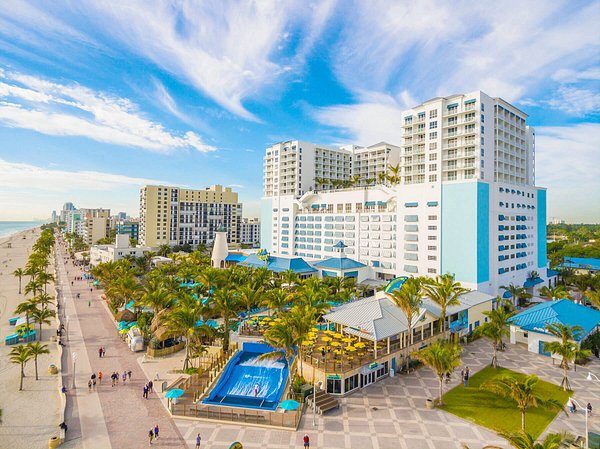
Life on the Hollywood Broadwalk means giving up your car for most of the week and getting a 2.5-mile oceanfront promenade, a walkable strip of cafes and mom-and-pop shops, and a slower, more local version of beach living than you’ll find in Fort Lauderdale or Miami Beach. It also means tourists on rental bikes at 9am, HOA fees that can run four figures a month on the nicer buildings, and a barrier island that floods its parking lots before it floods its streets. If you’re weighing whether to actually live here, not just visit, here’s what nobody puts in the listing photos.
Life on the Hollywood Broadwalk: What It Is Actually Like to Live Here
The short version: it’s genuinely one of the best walkable beach environments in South Florida, and it’s also a place where you trade privacy and quiet for proximity and lifestyle. People who move here because they want to walk to coffee, walk to the sand, and know their neighbors tend to love it for years. People who move here expecting a quiet retirement community with ocean views tend to sell within eighteen months. The Broadwalk itself isn’t the problem in either case. It’s whether you actually understand what living next to a public, heavily used oceanfront promenade is like at 7am on a Tuesday versus 7pm on a Saturday in March.
This guide covers the geography, the housing stock, the real costs, the seasonal rhythm, and who this actually fits, based on how the corridor functions day to day rather than how it photographs.
What the Broadwalk Actually Is
The Hollywood Broadwalk is a paved, oceanfront pedestrian and bike path that runs roughly 2.5 miles along the Atlantic, from around Sheridan Street on the north end down to Georgia Street on the south end, near where the Diplomat Beach Resort sits close to the Hallandale Beach line. No cars. It’s shared by walkers, joggers, cyclists, and rental scooters, and the city enforces a posted speed limit and separate lanes in sections, though in practice enforcement is inconsistent and collisions between cyclists and pedestrians happen, especially in the busiest stretch near the Hollywood Beach Theatre.
That stretch, roughly between Johnson Street and Garfield Street, is the heart of it. The bandshell hosts free concerts and events, there’s a Sunday evening drum circle that’s been a fixture for years, and the Beach Art Walk sets up periodically along here. West of the Broadwalk in this section is a small retail pocket, the Oceanwalk shops, with beachwear, ice cream, and casual restaurants. Margaritaville Hollywood Beach Resort anchors the north-central section and brings its own steady stream of visitors and noise. If you want more context on the city beyond the beach corridor, the Hollywood, Florida: The Complete Relocation Guide for 2026 covers the inland neighborhoods, Downtown Hollywood, and how the beach fits into the bigger picture.
North of Sheridan, the Broadwalk quiets down considerably. Fewer vendors, fewer tourists, more locals walking dogs and pushing strollers. South toward the Diplomat, it picks back up with resort traffic. Knowing which stretch of the 2.5 miles you’re actually buying near matters more than the fact that you’re “on the Broadwalk” at all, because the experience at Custer Street is not the experience at Harrison Street.
Who Actually Lives Here: The Real Broadwalk Demographic
The full-time Broadwalk population is a mix that surprises people who assume it’s all retirees or all tourists in disguise. You’ve got longtime South Florida locals who bought decades ago and have no intention of leaving, a growing number of remote workers who want to walk to the ocean before logging on, snowbirds who own but aren’t here June through October, and a real Latin American and Canadian buyer base that treats these condos as both a residence and an investment. Short-term rentals are legal in many buildings here, which is part of what keeps the corridor lively but also means your neighbor’s unit might turn over every four days.
That mix creates the texture of the place. It’s not a quiet retirement strip and it’s not a party corridor either, it’s somewhere in between, closer in feel to a laid-back beach town than to the high-rise density of Sunny Isles or the club scene of South Beach. For a broader read on how the different pockets of the city compare, from the beach to the inland neighborhoods, see Hollywood, Florida Neighborhoods: Where to Live Based on What You Want.
A Day in the Life: Walking, Biking, Coffee, Dog Walks
Mornings on the Broadwalk start early. Joggers and dog walkers are out before 7am, especially in the cooler months, because by 9am in July the heat makes anything more than a slow walk unpleasant. Coffee shops and small breakfast spots along the corridor fill up steadily through the morning. If you live within a block or two, this is genuinely one of the better car-free morning routines in Broward County: coffee, a walk on the sand, back home before you’ve opened your laptop.
Midday shifts toward tourists. Rental bike stands do steady business, families with kids head to the beach, and the retail pockets near the theatre get busy. Locals who work from home or have flexible schedules tend to avoid this window if they’re trying to actually get somewhere on foot, since foot and bike traffic peaks.
Evenings are the best part for most residents. Sunset walks, dinner at one of the casual seafood or Latin spots along the corridor, and on Sundays the drum circle draws a real crowd, locals included. Weeknights outside of season are noticeably calmer than weekend nights, and locals learn quickly which nights to plan around versus which nights to enjoy.
Dog ownership is common here and the Broadwalk itself functions as a daily dog-walking loop for a lot of residents, though leash rules are enforced and beach access for dogs is limited to specific areas and times, not the whole stretch.
Housing on and Near the Broadwalk: What You’re Actually Buying
Condo Buildings and Price Ranges
Almost everything directly on or facing the Broadwalk is a condo, not a single-family home, since the barrier island is built out and zoned for multifamily along the oceanfront. Building stock ranges from older 1970s and 1980s towers that have been renovated to varying degrees, up through newer luxury product closer to Margaritaville and the Diplomat.
Realistic pricing as of 2026: studios and small 1-bedrooms in older buildings a block or two back from the water run roughly $200,000 to $325,000. Direct oceanfront 1-bedrooms in decent buildings typically run $450,000 to $650,000. Larger 2 and 3-bedroom oceanfront units, especially in newer or fully renovated towers, run $700,000 to well over $1 million. These are ranges, not quotes, buildings vary a lot based on age, renovation status, and whether they allow short-term rentals, which affects both price and buyer pool.
If waterfront specifically, rather than oceanfront condo living, is what you’re after, including canal-front single-family homes with Intracoastal access, that’s a different product in a different part of the city. The Waterfront Living in Hollywood, Florida: Canal Homes and Intracoastal Access guide breaks down that side of the market, which tends to sit west of the barrier island in neighborhoods like Hollywood Lakes and Lakes Section.
HOA Fees, Insurance, and the Real Cost of Oceanfront
This is where a lot of buyers get surprised after closing. Beachfront HOA fees in Hollywood commonly run $700 to $1,400 a month, and on older, amenity-heavy buildings they can run higher, especially post-2021 as associations across Florida ramped up reserve funding requirements following the Surfside collapse. Structural inspections and reserve studies are now mandatory for condo buildings over three stories and a certain age under Florida law, and buildings that were underfunded are passing special assessments on to owners, sometimes tens of thousands of dollars per unit. Before buying, ask directly for the building’s most recent milestone inspection, reserve study, and any pending or recently passed special assessments. This isn’t optional due diligence on the barrier island, it’s the single biggest financial variable in oceanfront condo ownership right now.
Windstorm and flood insurance stack on top of HOA fees and are non-negotiable this close to the water. Budget separately for both, and don’t assume the HOA’s master policy covers your unit’s interior, it typically doesn’t. For a wider view of where pricing across the city currently stands, including how beach condos compare to inland product, see Hollywood, Florida Real Estate Market: Where Prices Stand in 2026.
The Trade-offs Nobody Tells You
Parking Is a Real Problem
The barrier island was not built for the number of cars that want to be on it. Street parking near the Broadwalk is metered and limited, many older buildings have inadequate on-site parking for the number of units, and finding a second parking spot for guests is often genuinely difficult. If you’re buying, confirm exactly how many deeded or assigned parking spots come with the unit, because “parking available” in a listing can mean anything from a private garage spot to a waitlist for a shared lot.
Noise Depends Entirely on Which Block
A unit directly facing the Broadwalk in the Johnson to Garfield corridor will hear music, bikes, and foot traffic from early morning into the night, especially in season. A unit facing west toward the Intracoastal, or one set back a block, is a different experience entirely, often quiet enough that you’d never guess you’re steps from a busy tourist corridor. This single variable, which direction your unit faces and how close it sits to the theatre and Margaritaville, matters more to daily quality of life than almost anything else in the listing.
Short-Term Rentals Change the Building’s Character
Not every building allows short-term rentals, but many do, and buildings that permit them have a meaningfully different feel than owner-occupied buildings. More turnover, more strangers in the elevator, and in some cases more wear on shared amenities. If you want a quiet, primarily full-time-resident building, ask specifically about the rental policy and the current owner-occupancy percentage before you fall for a unit.
Seasonal Rhythms: Snowbirds, Spring Break, Hurricane Season
Hollywood Beach runs on a real seasonal cycle. November through April is peak season, snowbirds return, tourism climbs, restaurants and the Broadwalk itself are noticeably busier, and traffic getting on and off the barrier island via Hollywood Boulevard or Sheridan Street gets heavier. March brings spring break crowds, concentrated more around Margaritaville and the central Broadwalk than the quieter north and south ends, but felt island-wide in parking and noise.
Summer is quieter on the residential side, since a chunk of the seasonal population leaves, but it’s also hurricane season, June through November, and living on a barrier island means paying real attention to evacuation zones. Most of Hollywood Beach sits in Broward County’s Evacuation Zone A, the first zone called for mandatory evacuation ahead of a hurricane. That’s a factor for insurance, for how seriously you take storm prep, and for anyone who travels frequently and needs a plan for securing a unit remotely.
Getting Around: Car-Optional, Not Car-Free
Day to day, most errands are walkable: coffee, dinner, the beach, pharmacy essentials, and the Broadwalk itself as recreation. The Hollywood Trolley runs seasonally along the beach and connects to parts of Downtown, which helps for shorter hops without a car. But almost everyone here still owns a car, because a full grocery run at Publix, doctor’s appointments, and anything off the barrier island (including the drive inland to Downtown Hollywood at Young Circle, roughly 10 to 15 minutes west) requires one. Fort Lauderdale-Hollywood International Airport is about 15 to 20 minutes from the beach depending on traffic and time of day, which is a genuine convenience for frequent travelers and one reason this corridor attracts part-time residents.
Schools, Safety, and Everyday Errands
Hollywood Beach is zoned into Broward County Public Schools, and families with school-age kids should confirm current zoning directly, since assignment lines shift and beach-area families often end up choosing between zoned schools and magnet or charter options elsewhere in the district. The full breakdown of zoned schools, ratings, and how beach and inland Hollywood compare is in Hollywood, Florida Schools: What Parents Need to Know. In practice, most families who prioritize school-specific choice end up looking inland in neighborhoods like Hollywood Hills or Emerald Hills rather than staying directly on the barrier island.
Safety on the Broadwalk itself is generally good, it’s well lit, well used, and patrolled, but like any dense tourist corridor there’s petty theft (unattended bags, bikes) and the occasional late-night incident tied to bars and crowds in season. It’s not a corridor most locals describe as unsafe, but it’s not a sleepy suburban street either.
How Hollywood Beach Compares to Fort Lauderdale Beach and Miami Beach
The honest comparison, since most buyers looking here are cross-shopping: Fort Lauderdale Beach, particularly around Las Olas, is denser, more upscale, and more expensive, with a younger, more nightlife-driven crowd. Miami Beach is bigger, more international, and significantly pricier, with traffic and congestion that make car ownership genuinely painful. Hollywood Beach sits below both on price, has a slower, more neighborhood-scale feel, and the Broadwalk itself, being car-free for 2.5 miles, is a genuinely unique amenity neither of those cities has in the same form. What you give up versus Fort Lauderdale or Miami Beach is some polish and some nightlife. What you gain is affordability and a corridor built for walking rather than driving.
Who the Broadwalk Is Actually Right For
This fits people who want a real walkable routine, who don’t mind sharing their neighborhood with tourists in exchange for daily beach access, and who are financially prepared for condo-specific costs (HOA, insurance, potential assessments) rather than the flat costs of a single-family home. It fits remote workers, retirees who want an active lifestyle rather than a quiet one, and investors comfortable with the short-term rental math, which the Hollywood, Florida Investment Property: Rental Market and Returns in 2026 guide covers in more depth.
It does not fit people who want quiet as a top priority, who want a yard, or who haven’t budgeted for the real, sometimes unpredictable costs of older beachfront condo ownership under Florida’s current post-Surfside inspection and reserve rules. Those buyers are usually better served looking a few blocks inland or at the canal-front product covered in the waterfront guide, or considering the broader case for the city covered in Moving to Hollywood, Florida: The Underrated Coastal City Between Fort Lauderdale and Miami.
If you’re trying to figure out whether the Broadwalk fits your actual life, not just your Pinterest board, walk it at 7am on a weekday and again at 7pm on a Saturday before you make an offer. Those two walks will tell you more than any listing photo will. DM me “BROADWALK” and I’ll send you a current list of what’s actually for sale on and near it, building by building, with real HOA numbers.
More articles you might like
Waterfront Living in Hollywood, Florida: Canal Homes and Intracoastal Access
13 min readHollywood, Florida: The Complete Relocation Guide for 2026
19 min readNew Construction in Hollywood, Florida: What Is Being Built and What It Costs
13 min readHollywood, Florida Schools: What Parents Need to Know in 2026
14 min readFirst-Time Buyer in Hollywood, Florida: Coastal Broward at an Accessible Price
20 min read