Hollywood, Florida Investment Property: Rental Market and Returns in 2026
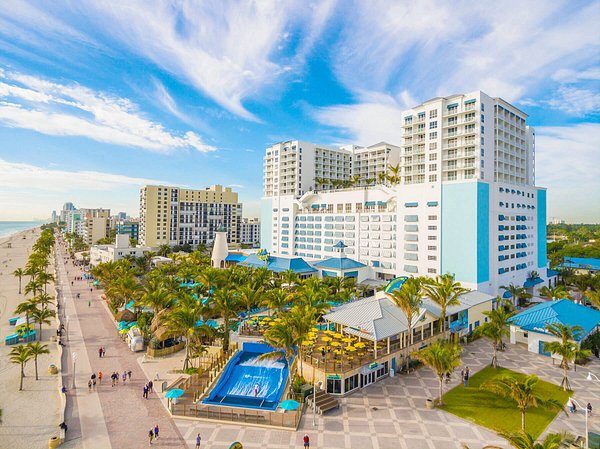
If you are running numbers on Hollywood, Florida investment property, here is the honest answer before the details: rental market and returns in 2026 depend almost entirely on which part of Hollywood you buy in and whether you are running a long-term lease or a licensed short-term rental. Inland single-family and townhome rentals are producing cap rates in the 4 to 5.5 percent range on current purchase prices. Beachside condos and condo-hotel units can post higher gross rental income from tourism and Broadwalk demand, but insurance, HOA fees, and management fees eat a bigger chunk of it. Neither number is exciting compared to 2019, but both are real, and Hollywood still has more room to run than Fort Lauderdale or Hollywood’s more expensive coastal neighbors because entry prices haven’t caught up to the demand yet.
This guide breaks down where the returns actually are, what short-term rental rules really allow, what it costs to carry a rental property here, and which buyer profile fits which neighborhood. It replaces the general “cap rates and short-term rental opportunity” summary with real numbers and real streets.
Hollywood, Florida Investment Property: Rental Market and Returns in 2026, By The Numbers
Hollywood sits between Fort Lauderdale and Aventura, with I-95, US-1 (Federal Highway), and A1A running north to south, and it has a rental base that comes from three different economies: tourism along the Broadwalk, hospitality and gaming jobs tied to Seminole Hard Rock Hotel and Casino in west Hollywood, and ordinary South Florida workforce demand from people priced out of Fort Lauderdale and Aventura. That mix matters because it means Hollywood rental demand isn’t just a beach story. Investors who only look at the Broadwalk are missing where a lot of the steadier, lower-drama cash flow actually is.
On the numbers: a typical single-family rental in west or central Hollywood, purchased in the $425,000 to $525,000 range, is renting long-term for roughly $2,900 to $3,600 a month depending on size and condition. Condos and townhomes inland, in the $220,000 to $340,000 range, are renting for $1,900 to $2,600 a month. Beachside condos, which run considerably higher per square foot, rent long-term in the $2,400 to $3,400 range for a one- or two-bedroom, but their real upside (and real risk) is in nightly and weekly rental where licensed.
Gross rent multipliers in Hollywood right now sit around 14 to 16 for long-term single-family, which is in line with the rest of Broward, a bit better than Fort Lauderdale’s coastal core, and noticeably better than similar product in Hollywood Beach or Hallandale.
Long-Term Rental Cap Rates by Hollywood Neighborhood
Cap rate is only useful when you compare it neighborhood to neighborhood, because taxes, insurance, and HOA structure change the math as much as the rent does. Here is how it actually breaks down across Hollywood.
Emerald Hills and Hollywood Lakes
Emerald Hills, the golf course community west of I-95, and Hollywood Lakes, the historic waterway-lined neighborhood just west of the beach, are both appreciation plays first and cash flow plays second. Entry prices for single-family homes in Emerald Hills run $500,000 to $750,000, and Hollywood Lakes runs higher, often $700,000 to $1.3 million depending on canal frontage. Rents don’t scale at the same pace, so cap rates land closer to 3.5 to 4.5 percent. What you’re buying instead is tenant quality (these areas pull long-tenure renters, often relocating families deciding whether to buy) and a lower vacancy rate. If your strategy is a 5- to 10-year hold with refinancing or eventual resale in mind, this is where equity growth has historically outpaced the rest of Hollywood.
Boulevard Heights, Driftwood, and West Hollywood
This is where the cash-flow numbers actually work. Boulevard Heights and Driftwood, west of 441/State Road 7, and the neighborhoods closer to Sheridan Street and Hollywood Boulevard near Seminole Hard Rock Hotel and Casino, offer single-family and townhome purchase prices in the $380,000 to $480,000 range with rents commonly $2,700 to $3,300 a month. That combination produces the strongest cap rates in the city, frequently 5 to 5.5 percent before financing. Tenant demand here is driven heavily by hospitality, gaming, and healthcare workers (Memorial Regional Hospital’s main campus is a short drive east), which means steady, income-verifiable renters rather than speculative tourist churn. This is the zip code range (33021, 33023, 33024, 33025) where a disciplined buy-and-hold investor gets the best ratio of purchase price to rent.
Downtown Hollywood and Young Circle
Downtown Hollywood, anchored by Young Circle and the ArtsPark, has been the most visibly changing part of the city over the last several years, with new mixed-use and mid-rise residential construction replacing older strip retail. Rents for new-build one- and two-bedroom units run $2,100 to $2,900, and purchase prices for those same units land in the $320,000 to $480,000 range. Cap rates here run in the middle, roughly 4 to 4.75 percent, but the demand driver is different from the rest of Hollywood: young professionals and downsizers who want walkability to restaurants, the Circle House Coffee scene, and Tri-Rail access without paying Fort Lauderdale prices. If you’re tracking where Hollywood is adding actual new inventory, the New Construction in Hollywood, Florida breakdown covers what’s being built downtown and what it costs, which matters for investors comparing new-build HOA and warranty terms against older resale stock.
Short-Term Rental Reality on Hollywood Beach
This is the part most out-of-town investors get wrong, so it needs a direct answer: you cannot assume a Hollywood property, even one near the beach, is eligible for nightly or weekly rental. Florida law limits how much cities can restrict short-term rentals in properties that were already operating that way before local ordinances tightened, but Hollywood, like most of Broward, regulates short-term rental through zoning districts and, for condos, through the building’s own governing documents. Most of the city’s single-family and townhome zoning requires longer minimum stays. The buildings actually set up for nightly and weekly rental cluster along Hollywood Beach and the Broadwalk, including condo-hotel product where short-term rental is the building’s intended use, not an exception to it.
Zoning: Where STR Is Actually Legal
Before you buy anything with a short-term rental plan attached, get the zoning district in writing from the City of Hollywood and, if it’s a condo, pull the association’s rental restrictions directly from the documents, not from what a listing agent tells you verbally. Buildings marketed as “STR-friendly” near the Broadwalk are usually condo-hotel or resort-zoned product (the type of building near Margaritaville Hollywood Beach Resort is the classic example), where nightly rental is baked into the building’s licensing and rental program. Standard residential condo towers a few blocks off the beach often prohibit rentals under 6 months or even 12 months entirely, regardless of city zoning. This is the single most common way investors lose money in Hollywood: buying beach-adjacent, assuming Airbnb income, and finding out after closing that the HOA doesn’t allow it.
If beach lifestyle and rental income are both priorities, it’s worth reading Life on the Hollywood Broadwalk to understand which stretch of the beach actually supports the tourist foot traffic that makes nightly rental profitable versus the quieter residential sections north and south of it where demand thins out fast.
The Numbers: STR Income vs Costs
In buildings where short-term rental is licensed and allowed, a one-bedroom unit can gross $45,000 to $65,000 a year depending on proximity to the Broadwalk, view, and how aggressively it’s managed, versus $28,000 to $35,000 a year on a long-term lease for the same unit. That sounds like an obvious win until you run the cost side. HOA fees on beachside towers, especially those built before the state’s post-Surfside reserve funding requirements, have climbed sharply, often $700 to $1,200 a month or more once full reserve funding is factored in. Add property management fees (typically 20 to 30 percent of gross for full-service short-term rental management), higher wind and flood insurance, higher turnover cleaning and maintenance costs, and occupancy that dips hard in the September through November shoulder season, and net returns on STR often land closer to, and sometimes below, what a well-run long-term rental produces on the same capital. Short-term rental in Hollywood can work, but it is a hospitality business with real operating costs, not passive income, and it only works in buildings where it’s actually permitted.
What It Costs to Own: Taxes, Insurance, HOA
This is the section most rental market write-ups skip, and it’s where the real returns get made or lost.
Property taxes in Broward run roughly 1.9 to 2.1 percent of assessed value effective rate for non-homestead property, and investment property doesn’t get the homestead exemption or the 3 percent annual assessment cap. Non-homestead property is capped at a 10 percent annual increase instead, which matters if you’re buying something that’s about to be reassessed closer to its purchase price after a sale.
Insurance is the line item that has changed the most since 2020. Wind and flood coverage on anything east of US-1, and especially anything in a flood zone near the Intracoastal or canals, has risen substantially. Budget conservatively, meaning get a real quote before you write an offer, not an estimate based on the seller’s current (often outdated, non-transferable) policy. For canal-front and waterfront property specifically, insurance underwriting has gotten stricter on roof age and elevation certificates, which is worth understanding before you shop that segment; the Waterfront Living in Hollywood guide covers what canal and Intracoastal-access ownership actually costs to carry, insurance included.
HOA and condo fees vary enormously by building age and reserve funding status. Since Florida’s 2022 and 2023 condo safety reforms, older buildings are being forced into full reserve funding and, in some cases, large special assessments for structural repairs. Before buying any Hollywood condo as a rental, request the association’s most recent milestone inspection and reserve study, not just the current monthly fee. A building with an artificially low HOA fee today because it’s been underfunding reserves is a liability, not a bargain.
Where the Rental Demand Comes From
Understanding who actually rents in Hollywood helps you underwrite realistic vacancy and turnover, not textbook assumptions.
Hospitality and gaming workers tied to Seminole Hard Rock Hotel and Casino, one of the largest employers in Broward, drive steady demand for one- and two-bedroom rentals in west and central Hollywood, particularly along the Hollywood Boulevard and Sheridan Street corridors.
Healthcare workers connected to Memorial Regional Hospital and its satellite facilities rent throughout central and south Hollywood, and tend to be reliable, income-verifiable tenants.
Commuters using the Hollywood Tri-Rail station rent in downtown and areas near the station, valuing the ability to reach Fort Lauderdale, Miami, and the airports without a daily I-95 commute.
Relocators and downsizers priced out of Fort Lauderdale’s beach and Las Olas markets rent in Hollywood Lakes and Emerald Hills while they decide whether to buy, which is part of why those areas hold value even with lower cap rates. If you want the fuller picture of who is moving to Hollywood and why, the Complete Relocation Guide for 2026 covers the demand side of this from the buyer’s perspective, which is the same population feeding your rental pool.
Tourists and seasonal renters, concentrated almost entirely near the Broadwalk and Hollywood Beach, drive the short-term rental economy discussed above, and largely evaporate outside of season in buildings that depend on nightly bookings alone.
Financing an Investment Property in Hollywood
Investment property financing in Florida generally requires 20 to 25 percent down for a conventional loan, with rates running noticeably above owner-occupied rates, often 0.5 to 0.75 points higher. Condo financing adds another layer of scrutiny post-Surfside: lenders now routinely require a review of the association’s reserve funding and any pending or recent special assessments before approving a loan, and a building flagged as under-reserved or non-warrantable can make financing difficult or force an all-cash purchase. This is another reason inland single-family and townhome product has been easier for investors to finance and close on time compared to older beachside condo towers going through reserve catch-up.
DSCR (debt service coverage ratio) loans, which qualify based on the property’s rental income rather than the buyer’s personal income, have become a common tool for investors scaling past their first Hollywood rental, particularly for buyers who already own several properties and don’t want each one showing up on personal debt-to-income calculations.
Best Strategies by Buyer Type
The cash-flow investor should be looking at Boulevard Heights, Driftwood, and the corridor near Sheridan Street and Seminole Hard Rock, where purchase prices are still under $500,000 and rents support a 5 percent-plus cap rate. This is the segment with the least glamour and the best numbers.
The appreciation-focused investor with a longer horizon should look at Emerald Hills and Hollywood Lakes, accepting a lower cap rate today in exchange for the strongest historical equity growth and the lowest tenant turnover in the city.
The hands-on operator willing to run a hospitality business, not just collect a check, should focus exclusively on licensed short-term rental buildings on or near the Broadwalk, verify zoning and association rules before writing an offer, and underwrite realistic off-season vacancy rather than peak-season numbers extrapolated across 12 months.
The buy-and-hold beginner looking for the lowest-maintenance entry point should consider downtown Hollywood’s newer condo and townhome product, where new construction warranties reduce near-term repair risk and rents are supported by steady downsizer and young-professional demand. For context on where prices actually stand across the city right now, the Hollywood, Florida Real Estate Market update tracks pricing trends by segment, and the Hollywood Neighborhoods guide is worth reading alongside this one to match a specific street-level area to your budget and strategy.
Bottom Line
Hollywood, Florida investment property in 2026 rewards research over assumption. The rental market is real and the returns are there, but they look different depending on whether you’re buying a west Hollywood single-family rental with a 5 percent cap rate and steady hospitality-worker demand, or a Broadwalk condo where nightly rental income is strong but so are the insurance and HOA costs eating into it. The mistake to avoid is buying based on a general “Hollywood is hot” assumption without checking the specific zoning district, the specific building’s rental rules, and a real insurance quote before you’re under contract.
If you’re evaluating a specific property, the numbers above are a starting point, not a substitute for pulling that building’s reserve study, that zoning district’s rental rules, and a real insurance quote before you write an offer. Send me the address and I’ll walk through what the actual returns look like.



More articles you might like
Hollywood, Florida: The Complete Relocation Guide for 2026
19 min readNew Construction in Hollywood, Florida: What Is Being Built and What It Costs
13 min readHollywood, Florida Schools: What Parents Need to Know in 2026
14 min readFirst-Time Buyer in Hollywood, Florida: Coastal Broward at an Accessible Price
20 min readWaterfront Living in Hollywood, Florida: Canal Homes and Intracoastal Access
13 min read