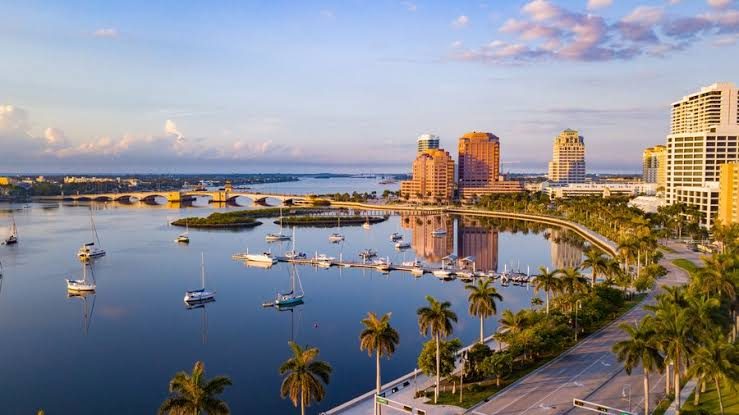
Buyer's Guide to Highland Beach, FL: What to Know Before You Purchase
Buyer’s Guide to Highland Beach, FL: What to Know Before You Purchase
If you’re putting together a buyer’s guide to Highland Beach, FL, what to know before you purchase comes down to three things: the town is almost entirely built out, the housing stock is split sharply between older oceanfront condos and Intracoastal estate lots, and the number that will actually decide your budget is the HOA fee, not the sale price. Highland Beach doesn’t behave like a typical Palm Beach County suburb. There’s no downtown, no new subdivision going up next year, and no first-time buyer starter home stock to speak of. It’s a three-mile-long barrier island town wedged between Delray Beach and Boca Raton, and buying here means understanding a market with its own rules.
Most buyers come to Highland Beach already knowing they want ocean or Intracoastal access and quiet over convenience. What they don’t always know is how differently this market behaves once you get past the listing photos. Two condos with nearly identical square footage and view can carry monthly costs $800 apart because one building funded its reserves properly and the other didn’t. A “move-in ready” Intracoastal home can turn into a teardown once you see the seawall and dock inspection. None of that shows up in the MLS photos.
This guide walks through what the money actually buys at each price point, where the real risk sits in condo purchases, what passes for “new construction” here, and the due diligence checklist you need before you write an offer.
What Highland Beach Actually Is
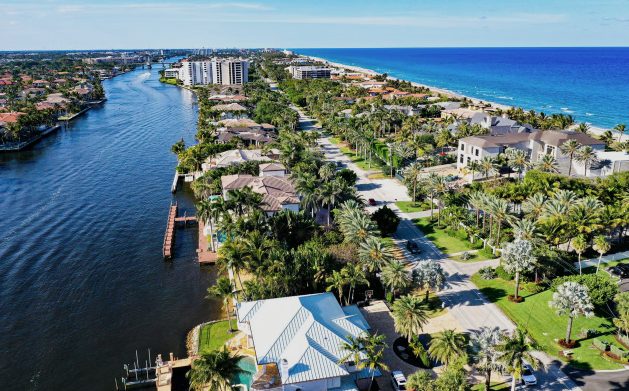
Highland Beach is a small, mostly residential town that runs along State Road A1A on a narrow barrier island, bordered by the Atlantic Ocean on one side and the Intracoastal Waterway on the other. It’s genuinely tiny, somewhere around 3,500 to 4,000 year-round residents, with the population swelling seasonally when snowbirds and second-home owners arrive. There’s no traffic light row of shops, no walkable downtown strip like Delray’s Atlantic Avenue. Commercial zoning is deliberately limited to a small stretch near the town’s south end, anchored by a Publix and a handful of restaurants and services.
That’s not an oversight. Highland Beach has protected its low-density, quiet-residential character for decades, and that’s exactly why people pay a premium to live here. Height restrictions, strict setback rules, and an incorporated town government focused almost entirely on residential quality of life keep it that way. If you want walkability, nightlife, or a town center to bike to, this isn’t your suburb. For a broader look at how Highland Beach compares to nearby towns on that front, the honest 2026 review of Highland Beach lays out the trade-offs plainly.
The town has its own police department but no public schools within its borders. Kids attend Boca Raton or Delray Beach schools depending on which side of the town’s internal boundary line your address falls on, which matters more than most buyers realize (more on that below). Highland Beach also runs its own trash and recycling service and community shuttle for residents, small conveniences that come with living in a town this size, where local government answers directly to a few thousand homeowners instead of a sprawling county bureaucracy.
Price Ranges: What the Money Buys
Highland Beach real estate splits into three clear tiers, and almost nothing exists below the first one. There’s no $300,000 condo here, no starter townhome, no builder-grade single-family product. If your budget is under $450,000, Highland Beach isn’t realistically on your list, and you’re better served looking at inland Delray or Boynton Beach.
$450,000 to $700,000: Entry-Level Condos
This range buys a smaller, often dated one- or two-bedroom unit in one of the older mid-rise buildings, typically on the Intracoastal side of A1A or in a building set back from direct oceanfront. These units were mostly built in the 1970s through the 1990s. Expect original bathrooms or a partial renovation, smaller square footage (900 to 1,300 square feet is common), and no direct ocean view, though many still offer Intracoastal or garden views. HOA fees at this tier are often lower on paper but climbing fast as older buildings fund state-mandated reserve studies.
A typical buyer at this tier is a retiree or near-retiree downsizing from a larger single-family home elsewhere in Palm Beach County, trading square footage and yard work for low-maintenance living close to the water. The trade-off you’re making: a lower purchase price today in exchange for a building that may still be catching up on deferred maintenance, which means your HOA dues have more room to climb over the next few years than a fully renovated building’s would.
$700,000 to $1.8 million: Renovated and Oceanfront Condos
This is where most serious Highland Beach condo buyers land. It buys a fully renovated two- or three-bedroom unit, often with direct or partial ocean views, in buildings that have invested in updated lobbies, pools, and amenities. Higher floors and true oceanfront exposure push toward the top of this range. Buyers here are usually trading square footage for location and view, since unit sizes in this tier still tend to run 1,400 to 2,200 square feet rather than sprawling.
This is also the tier where the HOA math starts to matter most in a practical, month-to-month sense. A buyer comfortable with a $1 million purchase price sometimes underestimates that the monthly carrying cost, mortgage plus HOA plus insurance, can run $6,000 to $8,000 a month once everything is included. Get that number in writing before you fall for the view.
$2 million to $10 million-plus: Penthouses and Intracoastal Estates
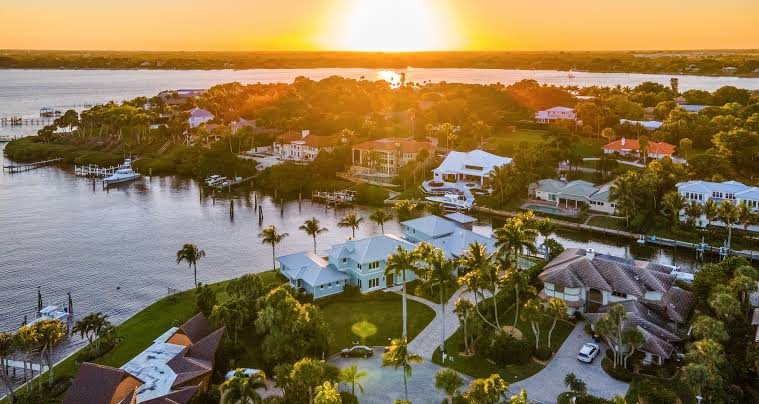
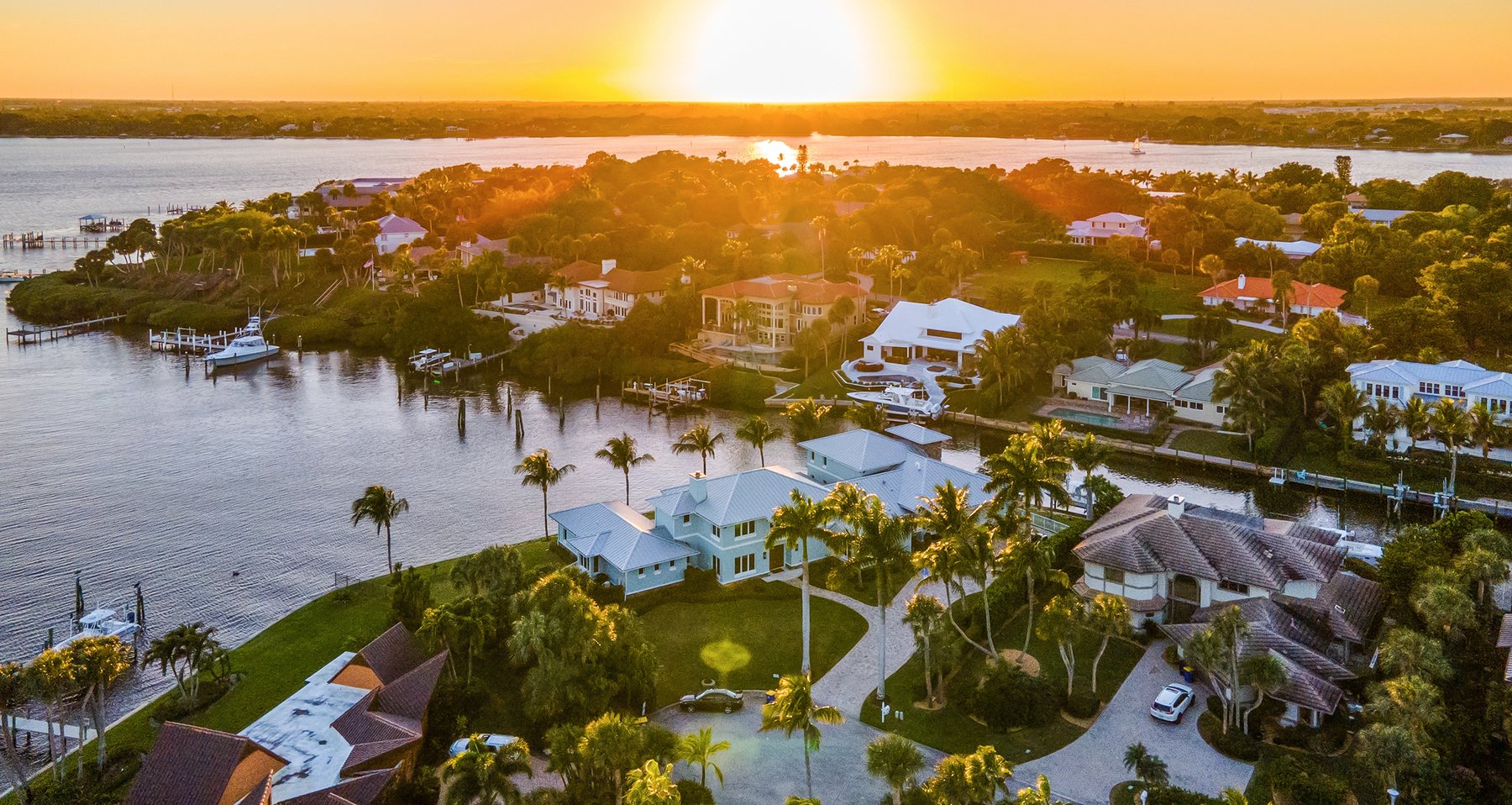
At the top end, Highland Beach money buys two very different things. On the oceanfront side, it’s penthouse and top-floor units in the town’s premium towers, often 2,500-plus square feet with wraparound terraces and unobstructed ocean views. On the Intracoastal side, it’s single-family estate lots with private docks, deep water access, and custom homes ranging from renovated 1980s builds to full teardown-rebuilds. Waterfront single-family homes on the Intracoastal are the scarcest product type in town, and pricing reflects that scarcity more than square footage.
Buyers shopping this tier are frequently comparing Highland Beach against Ocean Ridge to the south or Manalapan and Gulf Stream further north, other small, quiet barrier island and near-barrier-island towns with similarly limited inventory. What tends to separate Highland Beach in these conversations is the combination of true Intracoastal dock access with a straight shot out to the ocean inlet and easy proximity to both Delray and Boca, without the even higher land basis you’ll find closer to Palm Beach itself.
If you want to see how these numbers compare to broader trend data and where the market is heading in 2026, read the full Highland Beach real estate market report alongside this guide.
New Construction in Highland Beach: The Honest Answer
Here’s what most buyers searching “new construction Highland Beach” don’t expect: there isn’t much. This is a fully built-out barrier island town with essentially no vacant land for a builder to assemble into a community. What passes for new construction here is almost always one of two things.
Teardown-rebuilds on Intracoastal lots. A buyer purchases an older waterfront home, tears it down, and builds a custom home from scratch. This is common because the land value on Intracoastal lots with dock access often exceeds the value of the existing structure, especially for homes built before modern flood elevation and wind codes. If you go this route, budget realistically: permitting through the town, engineering for current flood elevation requirements, and construction on a barrier island typically takes longer and costs more per square foot than a comparable inland teardown, largely due to marine-grade materials, seawall work, and stricter wind load requirements.
Full-gut condo renovations, not ground-up towers. Several of Highland Beach’s older buildings have undergone complete interior modernizations, sometimes down to the studs, but the buildings themselves date to the 1970s through 1990s. You’re buying updated finishes inside an older structural shell, which matters for insurance and reserve planning even if the unit itself looks brand new. A fully renovated unit can look and feel indistinguishable from new construction on a walkthrough, but the building’s structural age, its Milestone Inspection timeline, and its reserve funding status still apply in full.
If a genuine new-construction floor plan with builder warranties is a priority for you, that’s a strong signal to widen your search west. Boca Raton has active new construction like Agave Boca, and Palm Beach County overall has considerably more new-build inventory than this stretch of coastline ever will. Highland Beach buyers are, almost without exception, choosing location and lifestyle over new-build convenience.
The HOA Number That Changes Everything
This is the single most important section of this guide, and it’s the part most listings gloss over.
Highland Beach’s condo stock skews old. Many buildings were constructed in the 1970s and 1980s, which means they’re now squarely inside the window covered by Florida’s post-Surfside condo safety laws: mandatory Milestone Inspections at 30 years (25 years for buildings within three miles of the coast, which covers essentially all of Highland Beach) and Structural Integrity Reserve Studies (SIRS) that require associations to fully fund reserves for roofs, load-bearing walls, waterproofing, electrical, plumbing, and other structural components, with no more waiving or underfunding reserves.
What that means in practice: monthly HOA dues in older Highland Beach oceanfront buildings have climbed sharply over the past two to three years, and in some buildings they’re still climbing as boards catch up on deferred reserve funding. It is not unusual to see monthly HOA fees between $1,200 and $2,500 on a mid-sized unit once you account for insurance, reserves, and standard operating costs. Some buildings facing large deferred maintenance items have levied special assessments running into the tens of thousands of dollars per unit.
None of this means don’t buy the condo. It means you underwrite the HOA the same way you’d underwrite the purchase price. Think of it this way: a $900,000 unit with a $900 HOA and a $1.1 million unit with a $2,200 HOA can cost roughly the same amount per month once you run the full numbers. The purchase price alone tells you almost nothing about which one is the better deal.
Condo Due Diligence Checklist
Before you write an offer on any Highland Beach condo, get these documents and actually read them:
- Most recent Milestone Inspection report (if the building has reached the required age) and confirm there are no open structural deficiencies. If deficiencies exist, ask directly what the remediation timeline and cost estimate are, and who is paying for it.
- Current Structural Integrity Reserve Study (SIRS) and whether the association is fully funding it or has a plan to phase in full funding, and by what date. A board that hasn’t started phasing toward full funding yet is a building where dues are almost certainly going up further.
- Last 12 to 24 months of board meeting minutes, which will reveal any discussion of upcoming assessments, insurance disputes, or litigation. This is often the single most revealing document in the whole file.
- Master insurance policy and recent premium history. Barrier island buildings have seen insurance premiums jump significantly, and that cost flows into your HOA dues. Ask for a two- to three-year history, not just the current premium, so you can see the trend line.
- Reserve account balance versus reserve study recommendation. A large gap is your clearest warning sign of a coming special assessment.
- Rental restrictions and pet policy, since these vary building to building and affect both lifestyle and resale/rental flexibility. Some buildings allow seasonal rentals, others require a minimum one-year lease term or restrict rentals entirely, which matters if a future buyer of your unit plans to rent it out.
- Any pending or recent special assessments, and get the exact dollar amount and payment terms in writing. Ask whether it’s a one-time payment or financeable over a set number of years, since that changes your near-term cash needs significantly.
Skipping this checklist is how buyers end up with a $600,000 condo and a surprise $40,000 assessment letter eight months after closing. Every one of these documents should be requested and reviewed before your inspection period ends, not after.
Flood Zone, Insurance, and Building Elevation
Every property in Highland Beach sits on a barrier island, which means flood zone designation and wind mitigation matter more here than almost anywhere else in Palm Beach County. Get the flood zone determination (X, AE, VE) and the elevation certificate for any single-family home before you finalize financing. For condos, ask what flood coverage the master policy carries and what, if anything, you need to insure separately as the unit owner (typically interior finishes, contents, and any improvements above what the master policy covers).
Wind mitigation matters too. Homes and buildings with updated roofs, impact windows, and modern construction standards see meaningfully lower insurance premiums than older, unmitigated structures. If you’re comparing two similarly priced properties, the one with a newer roof and impact glass can save you thousands a year in premiums, which is real money on top of the purchase price.
For single-family Intracoastal homes, also ask about the seawall’s age and condition, and whether it’s a shared or private structure. Seawall repair or replacement on a barrier island lot is not a minor line item, it can run well into six figures depending on length and the extent of the damage, and it’s a cost that catches unprepared buyers off guard because it rarely comes up until the survey or a marine inspection flags it. If a dock and lift convey with the property, get those inspected separately as well.
Location Within Highland Beach: Why the Address Matters
Highland Beach runs roughly three miles north to south along A1A, and where you land within that stretch affects two practical things.
School zoning. Highland Beach has no schools of its own. Depending on the specific address, kids are zoned to either Boca Raton area schools or Delray Beach area schools. This isn’t a minor detail if you have children or plan to sell to a family later. Confirm the exact zoned elementary, middle, and high school for any specific address before you fall in love with a property, because assumptions based on “it’s in Highland Beach” aren’t reliable. Two buildings a few blocks apart can land in different school zones entirely, and that alone can shift a family’s decision.
Commute and access. The town has a handful of access points connecting A1A to the mainland, primarily via Linton Boulevard and connector roads into Delray Beach and Boca Raton. Practically speaking, most Highland Beach residents are 10 to 15 minutes from Delray’s Atlantic Avenue, 10 to 15 minutes from Boca Raton’s Mizner Park and downtown corridor, and roughly 35 to 45 minutes from Palm Beach International Airport or Fort Lauderdale-Hollywood International depending on traffic. It’s a quiet island with easy access to two of South Florida’s more vibrant downtowns, without being inside either one.
That in-between position is a big part of the appeal for buyers who work in Boca or Delray but want their home life to feel removed from it. It’s also worth knowing before you buy that A1A is the only real north-south spine through town, so anything that closes or slows that road, storm evacuation, an accident, seasonal congestion, affects the entire island at once. It’s a small trade-off most residents accept happily in exchange for the quiet, but it’s worth going in with eyes open.
If you’re still deciding between Highland Beach and a mainland suburb with more day-to-day amenities, it’s worth comparing notes against guides like Jupiter vs. Palm Beach Gardens or West Palm Beach vs. Palm Beach Gardens to calibrate what “suburban quiet with nearby energy” looks like elsewhere in the county. Highland Beach is quieter than either of those, by design.
Who Highland Beach Actually Fits
Be honest with yourself about this before you shop here, because the town is not trying to be everything to everyone.
It fits: retirees and near-retirees who want quiet, low-density coastal living without the density of Palm Beach or the tourist churn of Fort Lauderdale Beach. Second-home buyers who want a lock-and-leave oceanfront condo. Boaters who want Intracoastal dock access without the price tag of a barrier island further north. Buyers who value privacy over walkability and don’t mind driving a few minutes for dinner, groceries, or nightlife.
It doesn’t fit as well: families wanting a walkable town center, buyers who want new-construction floor plans and builder warranties, and anyone on a tight budget expecting entry-level pricing near the coast. If any of those describe you, you’ll likely be happier and get more for your money in a Palm Beach County suburb built for that purpose. The best Palm Beach County suburbs for families relocating in 2026 is a good next read if walkability and school choice rank above beachfront proximity on your list.
It’s worth adding a third group here: move-up buyers relocating from out of state who assume “small beach town” means “affordable beach town.” Highland Beach’s scarcity, limited inventory, no new supply coming, small footprint, works against that assumption. If your goal is oceanfront access on a budget, you’ll likely find more value a few miles south in parts of Delray or Boynton Beach, and can still be at the beach in minutes.
Working With a Barrier Island Market
A few practical realities of buying on this stretch of coast:
Inventory moves in cycles tied to season. Highland Beach sees more listing activity and buyer traffic in the fall and winter as snowbirds arrive and shop, with a quieter, more negotiable market in the summer months. If you’re not tied to a school-year timeline, summer often means less competition on condos. Palm Beach County’s condo segment has also been running in buyer’s market territory through much of 2026, with months of supply in the high single digits to low double digits countywide. That gives buyers more room to negotiate on price, closing timeline, and even repair credits than the market allowed a few years ago, and Highland Beach’s older condo stock is not immune to that shift.
Cash matters more here than in most of Palm Beach County. A meaningful share of Highland Beach buyers are paying cash, particularly at the higher price tiers, which affects how competitive financed offers can be on desirable units. If you’re financing, get fully underwritten (not just pre-qualified) before you’re competing for a unit against a cash buyer. It’s also worth confirming your lender has experience financing condos in buildings that recently completed a Milestone Inspection or SIRS, since some lenders have grown more cautious about older coastal buildings and it can affect your approval timeline.
Building-specific research beats neighborhood-level research. Because so much of Highland Beach’s housing stock is condo buildings, each with its own financial health, reserve status, and rental rules, generic “Highland Beach market” data matters less than the specific building’s HOA documents. Two buildings a block apart can have wildly different monthly carrying costs. Don’t let a strong average price-per-square-foot number for the town talk you out of reading one building’s actual financials.
The Bottom Line
Highland Beach rewards buyers who do their homework and punishes those who don’t. The listing price is only part of the real cost of ownership here, especially in condos, where the HOA fee, reserve funding status, and insurance trajectory can add hundreds or thousands of dollars a month on top of the mortgage. Get the milestone inspection report. Get the SIRS. Get the reserve balance. Ask about pending assessments before you ask about closing dates.
Done right, Highland Beach delivers something increasingly rare in South Florida: a quiet, low-density barrier island with genuine ocean and Intracoastal access, minutes from two of the region’s best downtowns, without a construction crane in sight. Done carelessly, it’s an easy way to underestimate your true monthly cost by a wide margin.
If you’re actively comparing Highland Beach against other Palm Beach County options, the Highland Beach real estate market report and the honest review of what it’s actually like to live here are the two pieces to read next. Between the three, you’ll have the full picture before you ever write an offer.
Watch: learn more
Go deeper with my South Florida Insider videos.
Solterra: Everything You Need to Know Before You Visit

The Best Flex-Space Townhome in West Palm Beach: Pulte's Nautical Plan
Inside Everton's Latitude II Model: $458k New Homes In Palm Beach
More articles you might like
Highland Beach, FL Real Estate Market 2026: Prices, Trends & What Buyers Should Expect
17 min readIs Highland Beach a Good Place to Live? Honest 2026 Review
13 min readHow to Choose the Best Suburb in Palm Beach County for Your Family (2026)
17 min read
Buyer's Guide to Westlake, FL: What to Know Before You Purchase
13 min read
Buyer's Guide to Tequesta, FL: What to Know Before You Purchase
18 min read