Is Highland Beach a Good Place to Live? Honest 2026 Review
Is Highland Beach a Good Place to Live? The Honest 2026 Answer
Is Highland Beach a good place to live? For the right buyer, yes, and it’s not close. For everyone else, it’s the wrong town before you even sign a contract.
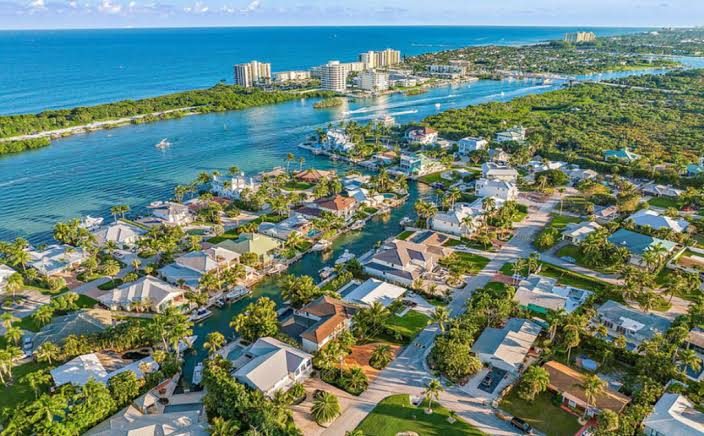
Highland Beach is a 3.5 mile sliver of barrier island in southern Palm Beach County, sandwiched between Delray Beach to the north and Boca Raton to the south. It has no downtown, no public schools, almost no retail, and a year-round population that hovers around 4,000 people. What it does have is quiet, low-density oceanfront and Intracoastal living, minutes from two of South Florida’s best downtowns, without the density, traffic, or noise that comes with either.
That trade-off is the entire story of Highland Beach. If you want a walkable town center, good public schools inside your zip code, or a starter-home price point, keep driving. If you want privacy, water access, and a buffer from the crowds while still being close to everything, this is one of the most underrated stretches of coastline in Palm Beach County.
This guide breaks down exactly who Highland Beach works for, what it actually costs to live here in 2026, and what nobody tells you before you buy.
What Highland Beach Actually Is (Geography, Size, and Character)
A Barrier Island Town Between Delray Beach and Boca Raton
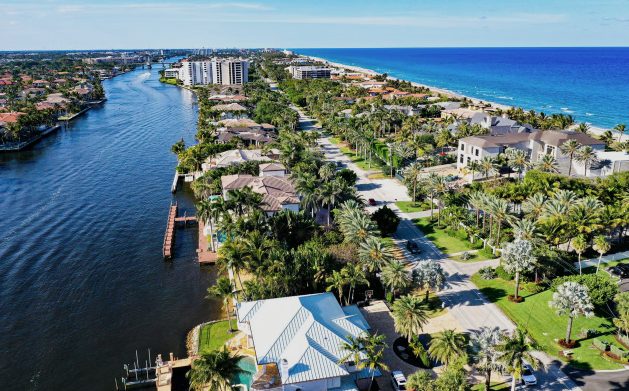
Highland Beach sits entirely on a narrow barrier island, bordered by the Atlantic Ocean on the east and the Intracoastal Waterway on the west. State Road A1A runs the full length of the town, and that’s essentially the only through street. There’s no second road, no grid of side streets to cut through, and no highway access inside town limits. To get anywhere off the island, you’re getting on A1A north or south.
Incorporated in 1949, Highland Beach was built to stay small on purpose. Height and density restrictions have kept it from turning into another wall-to-wall high-rise corridor like you’ll find in parts of Fort Lauderdale Beach or Sunny Isles. The result is a town that looks and feels almost identical to how it did decades ago: a mix of mid-rise oceanfront condo buildings from the 1970s and 80s, newer boutique buildings, and Intracoastal estate homes on the west side of A1A with private docks.
Highland Beach runs its own police and fire departments, has a town-owned Par 3 golf course, a small library, and a handful of parks along the water. That’s about it. There’s no downtown shopping strip, no restaurant row, and no grocery store inside town limits. Residents drive a few minutes north into Delray Beach or south into Boca Raton for basically everything else.
No Real Commercial District, and That’s the Point
This surprises people who assume every South Florida coastal town has at least a small commercial strip. Highland Beach doesn’t, and residents will tell you that’s exactly why they moved here. There’s no reason for through-traffic, no reason for a tourist crowd to be wandering the streets, and no chain retail competing for parking. It’s a residential town, full stop.
The tradeoff is real: if you want to walk to dinner, a coffee shop, or a pharmacy, you’re in the car. Delray Beach’s Atlantic Avenue is about 10 minutes north. Downtown Boca Raton and Mizner Park are about 10 to 15 minutes south. Both are close enough to use constantly, but neither is walkable from a Highland Beach address.
Who Highland Beach Is Right For
Highland Beach works best for a specific set of buyers:
- Retirees and empty nesters who want a quiet, low-maintenance oceanfront or Intracoastal condo without the noise of a dense beach town.
- Second-home and seasonal buyers who want privacy, water views, and easy access to Boca Raton and Delray Beach without living inside either.
- Buyers who prioritize privacy and low density over walkability. If a crowded beach and packed sidewalks sound like a downside, not a perk, this town is built for you.
- Boaters. The Intracoastal estate homes here are built around private docks, and the Boca Raton Inlet just south of town gives fast ocean access.
- Downsizers coming out of larger Boca Raton or Delray Beach homes who want to stay in the same general area but simplify into a condo without giving up water access.
If you fit one of those profiles, Highland Beach genuinely delivers something hard to find elsewhere in Palm Beach County: real barrier island living, low density, and a 10 minute drive to two established downtowns.
Who Should Look Elsewhere
Be honest with yourself on these before you fall in love with a listing:
- Families with school-age kids who want to stay inside their town’s boundaries. Highland Beach has no public schools, so you’re zoned into Boca Raton or Delray Beach schools or paying for private school regardless of your address.
- First-time buyers on a tight budget. There’s very little true entry-level inventory. Even the smallest, oldest condos rarely dip below the high $300,000s to low $400,000s, and estate homes start in the millions.
- Anyone who wants walkability. No downtown means no walking to dinner, no walking to the pharmacy, nothing. You’re driving for daily errands.
- Buyers who want new construction. Highland Beach is essentially built out. There’s very little raw land left, and what does come to market tends to be a teardown-rebuild on an existing lot rather than a new planned community. If new construction is the priority, look at what’s happening in nearby Boca Raton, like the Agave Boca new construction guide, or compare planned communities further north like Westlake.
Housing in Highland Beach: Oceanfront Condos vs Intracoastal Estates
Highland Beach housing splits cleanly into two categories, and they attract very different buyers.
Oceanfront and Intracoastal Condo Buildings
Most of the inventory in Highland Beach is condominiums, split between the ocean side (east of A1A) and the Intracoastal side (west of A1A). Buildings range from older 1970s and 80s mid-rises with smaller floor plans, to newer boutique buildings with larger units and updated amenities.
Realistic 2026 price ranges:
- Older, smaller units (1 to 2 bedroom, inland or lower floors): roughly $350,000 to $600,000
- Larger oceanfront units, direct ocean view, updated buildings: roughly $800,000 to $1.8 million
- Penthouses and premium direct oceanfront units: $2 million to $3 million-plus
Condo living here means someone else handles the roof, the exterior, the landscaping, and (in most buildings) the pool. That’s a real draw for retirees and seasonal owners who don’t want a second home that becomes a second job.
Intracoastal Estate Homes
On the west side of A1A, Highland Beach has a corridor of single-family estate homes, most with private docks on the Intracoastal Waterway. This is the other half of the town’s identity, and it’s a completely different buyer than the condo crowd.
Realistic 2026 price ranges:
- Older or smaller Intracoastal homes: roughly $3 million to $5 million
- Larger, updated, or newer-build estate homes with dockage: $6 million to $12 million-plus
- Premium waterfront estates: can run well past $15 to $20 million
These lots are limited and rarely turn over quickly. If you’re set on an Intracoastal estate in Highland Beach specifically, expect a narrow selection at any given time and be ready to move when the right one comes up.
HOA and Condo Fee Reality (No CDD, But Budget for This)
Here’s what a lot of buyers miss: Highland Beach has no CDD (Community Development District) fees, since it’s a built-out barrier island town with no new master-planned infrastructure to fund. That’s a real point in its favor compared to newer inland communities carrying CDD debt on top of HOA dues.
But the condo association fees here are not small. Oceanfront buildings, especially older ones, carry real costs: hurricane and flood insurance on a coastal structure, structural reserve requirements (especially post-Surfside, where Florida tightened reserve funding rules for condo associations), and the maintenance load of a building that takes direct salt air and storm exposure. Expect monthly HOA or condo fees in the range of $1,000 to $3,000-plus depending on the building’s age, amenities, and reserve funding status.
Before you write an offer on any Highland Beach condo, get the building’s reserve study and recent financials. Post-Surfside reform means older buildings are catching up on reserves, and that can mean a special assessment landing on a new owner within the first year or two. This is the single most common surprise buyers run into here, and it’s avoidable if you ask for the documents upfront. The Highland Beach buyer’s guide goes deeper on exactly what to request before you close.
Schools, Families, and Daily Life
Highland Beach has no public schools within town limits. Kids living here attend schools in neighboring Boca Raton or Delray Beach, depending on specific address, school choice applications, and zoning at the time of purchase. A meaningful number of Highland Beach families opt for private school instead, with St. Andrew’s School, Pine Crest, and Saint Vincent Ferrer among the options within a short drive.
If schools are a top priority and you want your kids zoned into a specific school without relying on choice programs, buy in Boca Raton or Delray Beach proper rather than Highland Beach, and check the zoning for that specific address before you fall for a listing. If you’re evaluating Palm Beach County suburbs more broadly with school-age kids in mind, the best Palm Beach County suburbs for families guide is a better starting point than Highland Beach on its own.
Daily life here revolves around the water. Morning walks or bike rides along A1A, beach access from the handful of public parking areas and private buildings, and short drives out for everything else. There’s a town-owned Par 3 golf course for residents, a small library, and a handful of parks, but this is not a town built around amenities. It’s built around the water and the quiet.
Highland Beach vs Its Neighbors: Delray Beach and Boca Raton
Highland Beach only makes sense in context of what’s on either side of it.
Delray Beach, just north, has the walkable downtown Highland Beach lacks. Atlantic Avenue is packed with restaurants, shops, and a real nightlife scene, plus a younger, more social crowd. If you want to walk to dinner every night, Delray Beach does that and Highland Beach doesn’t.
Boca Raton, just south, brings Mizner Park, a larger dining and shopping scene, top-rated private schools, and a wider range of housing from condos to gated country club communities. Boca Raton also has significantly more inventory and price variety than Highland Beach, and it’s the better comparison point if you want an urban-suburban blend rather than a quiet island. If you’re weighing city energy against suburban comfort more broadly in this part of the county, the West Palm Beach vs Palm Beach Gardens comparison is a useful frame for that same tradeoff, even though it covers different cities.
Highland Beach’s real value proposition is sitting between both without living inside either: no downtown crowd, no tourist traffic, but a 10 to 15 minute drive to either one whenever you want it. For buyers who’ve lived in Boca Raton or Delray Beach and are tired of the density but don’t want to leave the area, Highland Beach is often the answer, and current owners will tell you that’s exactly the move they made.
Cost of Living and What You’re Actually Paying For
The reality is you’re not paying Highland Beach prices for square footage or amenities. You’re paying for the address, the water access, and the low density. A comparably sized condo a few minutes north or south in a denser building will often run less. What you get in Highland Beach that you don’t get elsewhere in the immediate area is fewer units per building, fewer people on the beach, and a town that isn’t trying to attract anyone who doesn’t already live there.
Property taxes follow standard Palm Beach County millage rates for the town, and Highland Beach’s rate has historically run reasonably competitive with neighboring municipalities given the town’s small government footprint (no schools, no large public works budget). Insurance is where the real cost sits, particularly for oceanfront condo buildings, given Florida’s coastal windstorm and flood insurance environment. Factor this into your monthly budget alongside the HOA fee, not as a separate afterthought.
What Buyers Need to Know Before Purchasing
- Get the condo association’s financials and reserve study before you make an offer. This is non-negotiable post-Surfside. Know the building’s reserve funding status and whether a special assessment is being discussed.
- Understand you’re buying access, not a commercial district. If you need groceries, a pharmacy, or a coffee shop within walking distance, this isn’t your town.
- Check school zoning for the specific address, not the town in general. Zoning can vary by exact location within Highland Beach.
- Budget insurance separately and get a real quote before closing, especially on oceanfront buildings or older Intracoastal homes.
- Expect limited inventory. This is a small town with a small number of transactions in any given month. If you find the right unit or lot, don’t expect a long list of backups to come available quickly.
- If you want dockage, confirm depth and bridge clearance to the Boca Raton Inlet before assuming your boat fits the lifestyle you’re picturing.
For a full breakdown of current pricing trends and what’s actually moving in the Highland Beach market right now, the Highland Beach real estate market report has the current numbers.
The Bottom Line
Is Highland Beach a good place to live? If you want quiet, low-density oceanfront or Intracoastal living within a short drive of Boca Raton and Delray Beach, and you don’t need schools, shopping, or nightlife inside your own zip code, Highland Beach is one of the best options in southern Palm Beach County. If you need a walkable downtown, top-tier public schools inside town limits, or a lower price point, you’ll be better served in Delray Beach, Boca Raton, or further inland.
Know which buyer you are before you start touring. That one decision will save you months of looking at listings that were never going to fit.
Curious what a specific Highland Beach condo or Intracoastal home actually costs to own, insurance included? Reach out and I’ll walk you through the real numbers on a specific address, no guesswork.
Watch: learn more
Go deeper with my South Florida Insider videos.

The Best Flex-Space Townhome in West Palm Beach: Pulte's Nautical Plan

Inside Everton's Latitude II Model: $458k New Homes In Palm Beach
The Best Flex-Space Townhome in West Palm Beach: Pulte's Nautical Plan
More articles you might like
Highland Beach, FL Real Estate Market 2026: Prices, Trends & What Buyers Should Expect
17 min readBuyer's Guide to Highland Beach, FL: What to Know Before You Purchase
18 min read
Is Westlake a Good Place to Live? Honest 2026 Review
13 min read
Is West Palm Beach a Good Place to Live? An Honest 2026 Review
18 min read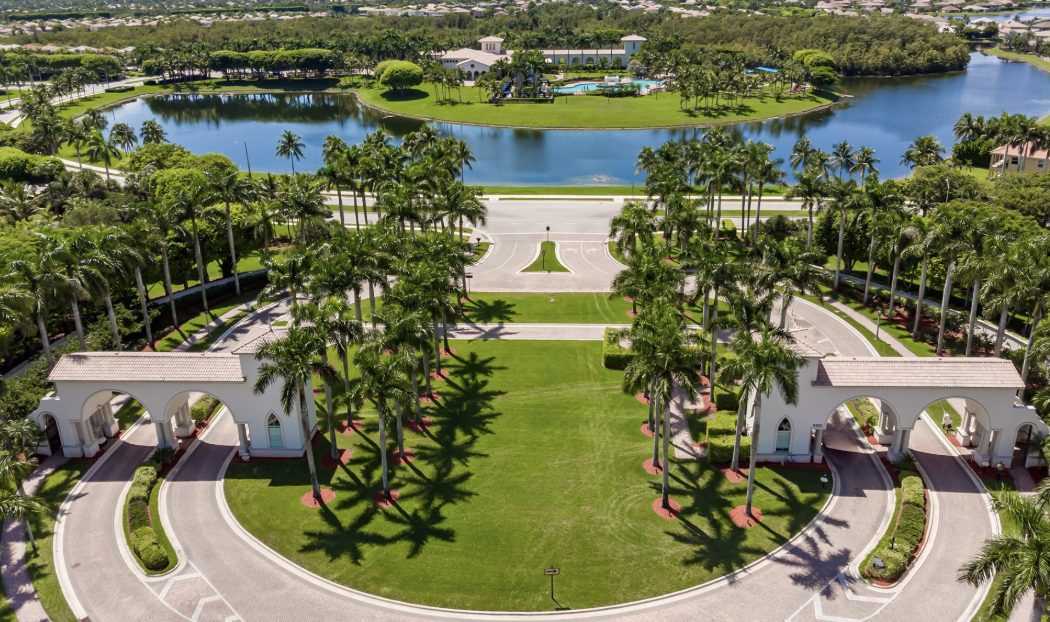
Is Wellington, Florida a Good Place to Live? Honest 2026 Review
18 min read