Manalapan, FL Real Estate Market 2026: Prices, Trends & What Buyers Should Expect
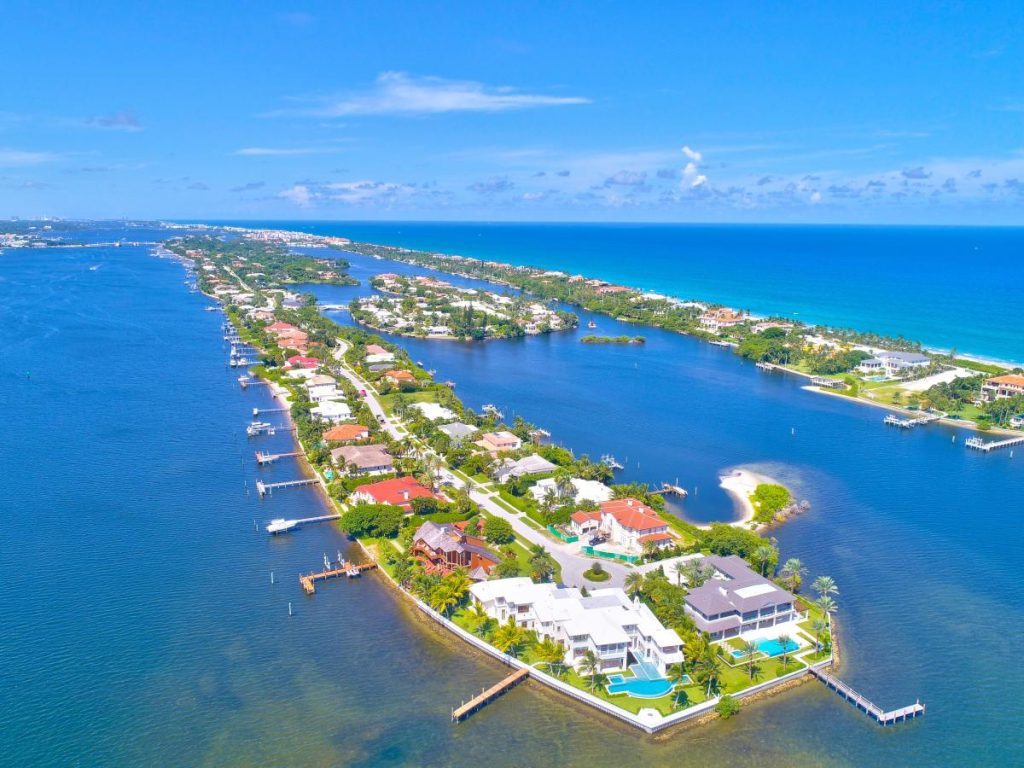
If you’re researching the Manalapan, FL real estate market in 2026, here’s the honest starting point: this is not a market with “typical” prices, an MLS full of comparable listings, or a normal buying process. Manalapan is a two-mile-long barrier island town of fewer than 400 year-round residents, wedged between the Atlantic Ocean and the Intracoastal Waterway just south of the Town of Palm Beach. Oceanfront estates here run from roughly $15 million into nine figures. Homes on the Intracoastal side, in the area locals call Point Manalapan, are the more “attainable” entry point, typically $3 million to $8 million. Fewer than a dozen homes change hands in a given year. If you’re expecting a normal Palm Beach County suburb with a normal price curve, Manalapan will not behave the way you expect, and that’s exactly what you need to understand before you spend a weekend touring it.
I work new construction and relocation buyers across Broward, Miami-Dade, and Palm Beach County, and Manalapan comes up constantly from people who assume it’s “the next Palm Beach Gardens.” It isn’t. It’s its own category. Let’s get into what actually drives this market and what a serious buyer should expect walking in.
What Makes Manalapan Different From the Rest of Palm Beach County
Manalapan was incorporated in 1931 and has spent nearly a century doing everything it can to stay small. There’s no downtown, no retail strip, no public school, and almost no vacant land left to develop. The town sits directly south of Palm Beach and north of South Palm Beach, Ocean Ridge, and Gulf Stream, connected to the mainland (Hypoluxo and Lantana) by a single bridge over the Intracoastal.
Two things define the geography, and both drive price:
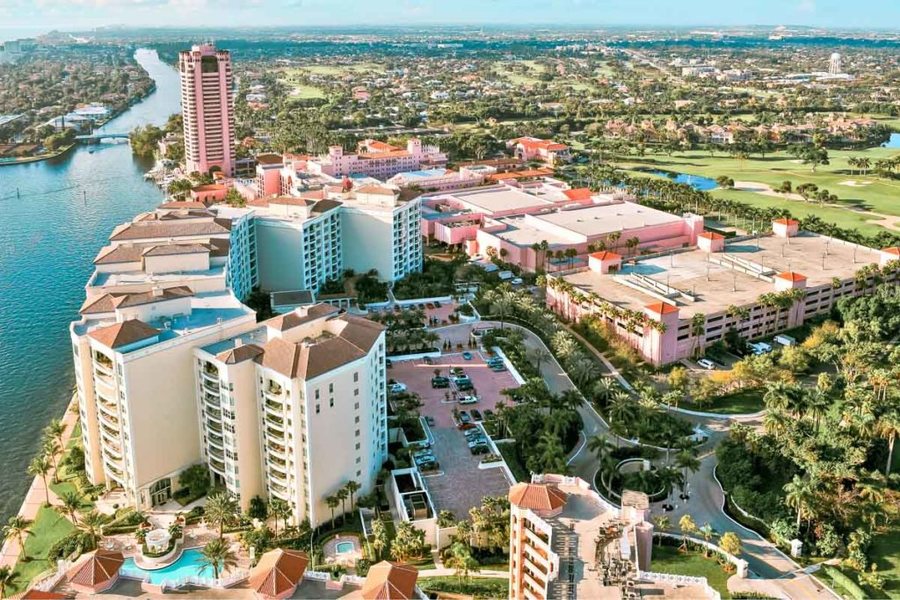
The ocean side. South Ocean Boulevard runs the length of the island, lined with walled estates, many built on double and triple lots assembled over decades. This is where the nine-figure listings live. The Eau Palm Beach Resort & Spa, one of the only commercial properties in town, anchors the northern end and is the closest thing Manalapan has to a “center.”
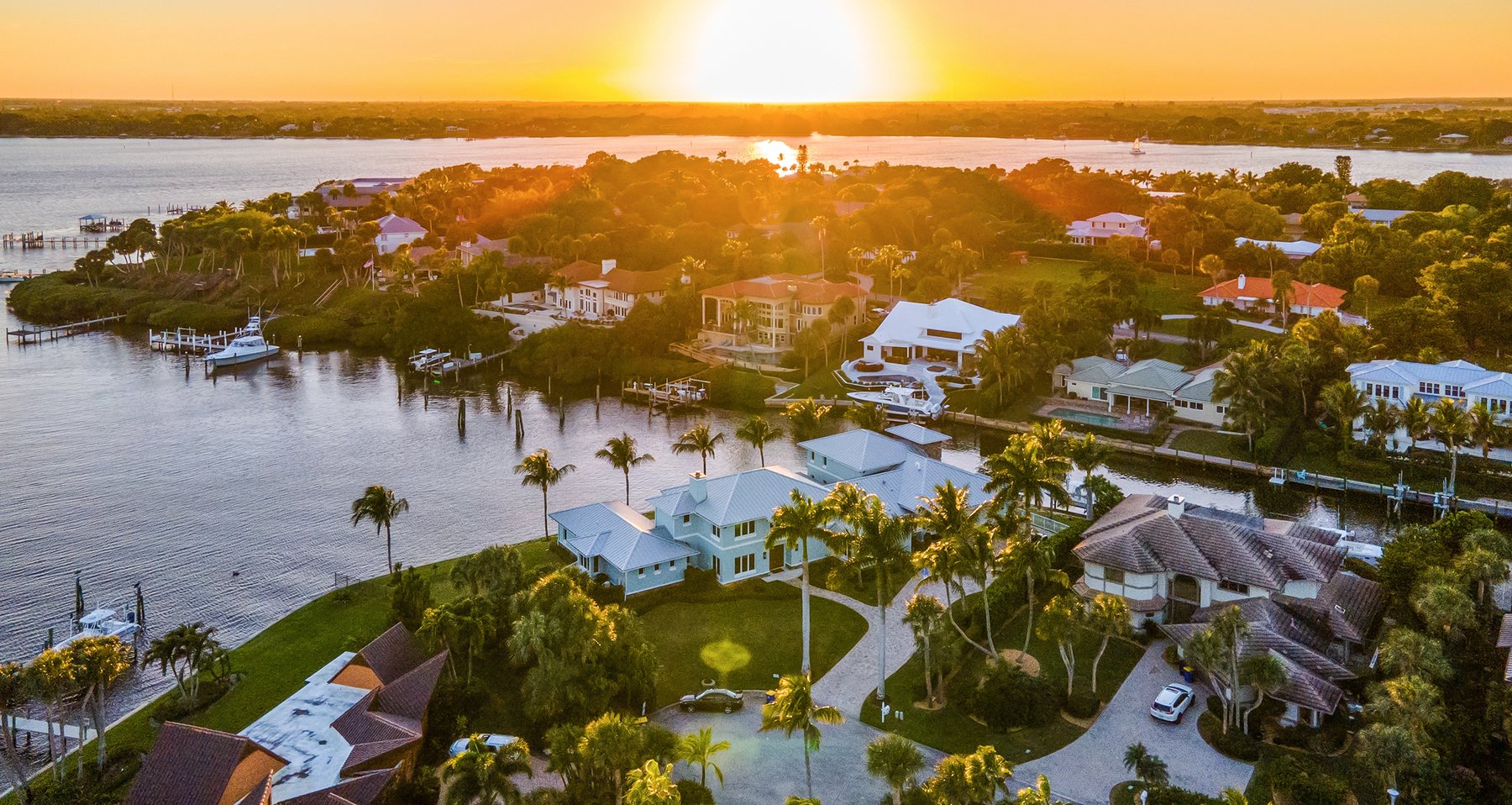
The Intracoastal side. Point Manalapan and the streets along the west side of the island face the water but not the ocean. Lots are smaller, homes are older on average, and prices, while still high by any normal market’s standard, are a fraction of the oceanfront.
There is no in-between. That’s the single most important thing to understand about the Manalapan, FL real estate market in 2026: prices, trends, and what buyers should expect all trace back to this east-west split, not to school zones, commute times, or the usual suburban factors that move a market like Boca Raton or Parkland.
Manalapan FL Real Estate Market 2026: Prices, Trends and What Buyers Should Expect
Here’s the pricing picture as it actually stands in 2026, broken down by the two sub-markets, because lumping them together tells you nothing useful.
Oceanfront (South Ocean Boulevard)
- Land alone, when an oceanfront lot does surface, has traded from roughly $10 million to $40 million depending on frontage, depth, and whether it’s a single or assembled parcel.
- Developed estates typically list from $15 million to $50 million, with a small number of the largest historic compounds priced well north of $100 million.
- Price per square foot on the higher end regularly runs $2,000 to $4,000+, driven almost entirely by land scarcity, not the structure itself. A number of oceanfront sales in recent years have effectively been land deals where the existing home was torn down and rebuilt.
- This is a cash-heavy, relationship-driven corner of the market. Many transactions never formally hit public listing portals before they’re under contract.
Point Manalapan and the Intracoastal side
- Homes here typically run $3 million to $8 million, with older or smaller lots occasionally trading in the low $2 million range when they do appear.
- Dock access and water depth matter more here than almost anywhere else in Palm Beach County, since a private deep-water dock is often the whole reason someone buys on this side instead of inland in Ocean Ridge or Lantana.
- This is the segment where a genuinely motivated buyer has the best shot at finding something in 2026, simply because turnover, while still slow, happens more often than on the ocean side.
The trend that matters most
Inventory has stayed structurally tight for years and 2026 is no different. There is almost no vacant land left to build on, the town has consistently resisted any zoning changes that would allow subdivision or higher density, and most sellers are not motivated by financial pressure. When a Manalapan estate sells, it’s usually because of a life event (a generational transfer, a relocation, a divorce) not because the market is telling the owner to sell. That keeps supply thin and gives sellers real leverage on price, even when the broader Palm Beach County luxury market softens.
If you want a fuller walkthrough of the buying process itself, our Buyer’s Guide to Manalapan, FL covers financing, due diligence, and how offers actually get negotiated on properties in this price range.
Inventory and How This Market Actually Moves
The reality is that Manalapan doesn’t function like a normal MLS-driven market, and buyers coming from Boca Raton, Fort Lauderdale, or even Palm Beach proper need to reset their expectations.
Volume is tiny. In a typical year, total closed sales in Manalapan can be counted on two hands. Compare that to a community like Boca Raton’s new-construction corridor, where hundreds of homes change hands annually, and you understand why Manalapan pricing doesn’t move in smooth trend lines. One or two outlier sales can swing the “average” wildly, which is why quoting a single average price for the town is close to meaningless.
Off-market deals are common. A meaningful share of Manalapan sales, particularly on the oceanfront, happen through direct relationships between agents, estate attorneys, and family offices before a property is ever publicly marketed. If you’re only watching Zillow or Realtor.com, you’re seeing a fraction of what’s actually available.
Days on market isn’t a reliable signal. A property can sit “active” for a year while the seller quietly entertains offers well under asking, or it can move in weeks if it’s priced realistically and the right buyer happens to be looking at the right moment. Because the pool of qualified buyers is so small, timing has more to do with who’s in the market that year than with seasonal patterns.
Cash is the norm, not the exception. Jumbo financing exists at this price point, but the majority of Manalapan closings are cash or largely cash, which removes a lot of the appraisal and contingency friction that slows down transactions elsewhere in South Florida.
Insurance, Flood Zones, and the Real Cost of Owning Oceanfront in Manalapan
This is the part buyers coming from outside Florida underestimate, and I’d rather tell you now than have you find out at the closing table.
Manalapan is a barrier island. Most of the oceanfront parcels sit in FEMA flood zone AE or VE, which means elevated construction requirements, higher flood insurance premiums, and in many cases the need for both windstorm and flood policies purchased separately since standard homeowners policies typically exclude both on coastal Palm Beach County property. After the past several hurricane seasons and the broader Florida insurance market correction, carriers willing to write oceanfront risk at this scale are a shorter list than they used to be, and premiums on a $20 million-plus estate can run into six figures annually.
New construction and major renovations on the island also fall under strict coastal construction control line (CCCL) rules administered by the state, on top of the town’s own building code, which is stricter than most of Palm Beach County’s. That’s part of why so many oceanfront “sales” in Manalapan are really land purchases followed by a multi-year rebuild: older homes frequently don’t meet current elevation and wind-load standards, and buyers know it going in.
None of this means don’t buy here. It means budget for it. A serious buyer at this price point should have a wind mitigation and flood assessment done before writing an offer, not after.
Point Manalapan: The More Attainable Side of the Island
If the oceanfront numbers above are outside your budget, Point Manalapan and the Intracoastal-facing streets are where a realistic search actually starts for most buyers. You’re still in the Town of Manalapan, still zoned into the same low-density, no-commercial-development framework, and still a five-minute drive from the beach club and the Eau Palm Beach corridor, but the entry price drops substantially compared to the ocean side.
What you’re trading for the lower price:
- No direct ocean access or ocean views, though many homes have a private dock on the Intracoastal.
- Smaller lots on average, though “smaller” in Manalapan still usually means a quarter acre or more.
- Slightly more turnover than the oceanfront, which means a patient buyer has better odds of actually finding something within a 12 to 18 month search window.
This is also the segment where renovation and rebuild opportunities are more common at a price point that doesn’t require a family office to execute. Our Buyer’s Guide to Manalapan, FL goes deeper on what to check before purchasing on this side of the island specifically, including dock permitting and seawall condition, which matter a lot more here than on the ocean side.
Who Actually Buys in Manalapan
Understanding the buyer pool explains a lot about why this market behaves the way it does. Manalapan buyers generally fall into a few categories:
Ultra-high-net-worth relocators from the Northeast and Midwest who already own or have owned in Palm Beach proper and want more privacy, more land, and fewer neighbors than the island of Palm Beach itself can offer.
Multi-generational Palm Beach County families consolidating or transferring an estate that’s been in the family for decades, often through a trust or estate sale rather than a traditional listing.
International buyers, particularly from Latin America and Europe, drawn to the privacy, the lack of a homestead requirement complication for foreign buyers, and the discretion the town is known for.
A small number of Point Manalapan buyers who want Intracoastal water access and a quieter alternative to Palm Beach or Boca Raton’s Sanctuary and Royal Palm Yacht Club areas, without the ocean-side price tag.
What you generally won’t find is the demographic driving most of South Florida’s new-construction growth right now, first-time buyers, young families chasing school districts, or move-up buyers from Broward and Miami-Dade. If that’s your profile, Manalapan almost certainly isn’t your market, and communities covered in our Best Palm Beach County Suburbs for Families Relocating in 2026 guide will serve you far better.
How Manalapan Compares to Its Neighbors
Buyers researching Manalapan are almost always cross-shopping a short list of nearby towns, so here’s the honest comparison:
Palm Beach, directly north, has more inventory, more amenities within walking distance (Worth Avenue, private clubs, a genuine downtown), and a higher public profile. Manalapan trades that convenience for more privacy and, on a per-acre basis, occasionally more land for the dollar.
Ocean Ridge and Gulf Stream, to the south, offer a similar low-density, oceanfront-and-Intracoastal structure at a somewhat lower price ceiling than Manalapan’s top end, with a bit more inventory turnover.
South Palm Beach, the small strip between Palm Beach and Manalapan, is almost entirely condo product, a completely different buyer and a completely different price structure.
West Palm Beach and Palm Beach Gardens, further inland and north, are a different conversation entirely, urban energy versus suburban comfort, and worth reading about separately in our West Palm Beach vs Palm Beach Gardens comparison if what you actually want is walkability and a broader inventory pool rather than oceanfront exclusivity.
It’s also worth being honest about the other end of the Palm Beach County spectrum. If Manalapan’s price floor is out of reach, communities like Westlake, the master-planned new-construction town near the Beeline Highway, sit at the complete opposite end of the market, brand-new homes, HOA-governed, family-oriented, and priced for a completely different buyer. Our Westlake, FL Real Estate Market 2026 guide covers that market in the same depth, and comparing the two side by side is a useful exercise in understanding just how wide the range is within a single county.
What Buyers Should Actually Expect in 2026
If you’re serious about buying in Manalapan this year, here’s the realistic playbook:
-
Get pre-verified, not just pre-approved. At this price point, sellers and their attorneys expect proof of funds or a lender’s substantiated pre-approval before they’ll entertain a showing on the higher-end oceanfront properties, not after an offer is written.
-
Work with an agent who has actual relationships in the town. Because so much of this market moves off-market, a generic MLS search will miss a meaningful share of what’s truly available. You need someone who gets a call before a property is publicly listed.
-
Budget for insurance and construction costs separately from the purchase price. As covered above, flood and wind coverage on oceanfront property can add six figures a year, and any renovation will run into current coastal construction standards that older homes weren’t built to meet.
-
Expect a longer search than you’re used to. With single-digit annual sales in some segments, a 12 to 24 month search timeline for the right property is normal, not a sign something is wrong.
-
Understand the resale reality. Because the buyer pool is so small, exit liquidity matters. This is a market for people planning to hold for years, not for a quick two-year flip.
-
Read before you tour. Our Is Manalapan a Good Place to Live? Honest 2026 Review covers the day-to-day reality of the town, distance to schools, shopping, and daily conveniences, which matters more than most buyers expect once the excitement of the estate itself wears off.
The Bottom Line
The Manalapan, FL real estate market in 2026 rewards buyers who come in with realistic expectations: this is one of the smallest, most private, and most expensive towns in Palm Beach County, split cleanly between a nine-figure oceanfront and a still-substantial but more reachable Intracoastal side. Prices are driven by land scarcity, not amenities or school zones. Inventory is thin, much of it moves off-market, and the buying process looks nothing like a standard South Florida home purchase.
If that’s the market you’re after, come in prepared, work with someone who actually has relationships on the island, and budget honestly for insurance and construction. If it’s not, there’s a wide range of Palm Beach County suburbs, from Westlake’s brand-new master-planned streets to Palm Beach Gardens’ family-friendly corridors, built for a completely different kind of buyer, and worth exploring before you assume Manalapan is your only option.
More articles you might like
Buyer's Guide to Manalapan, FL: What to Know Before You Purchase
18 min readIs Manalapan a Good Place to Live? Honest 2026 Review
17 min read
Coconut Creek Real Estate Market (2026): Prices, Trends, and What It Means for Buyers
18 min read
Weston Real Estate Market Update: Prices and Conditions in Mid-2026
13 min read
Westlake, FL Real Estate Market 2026: Prices, Trends & What Buyers Should Expect
13 min read