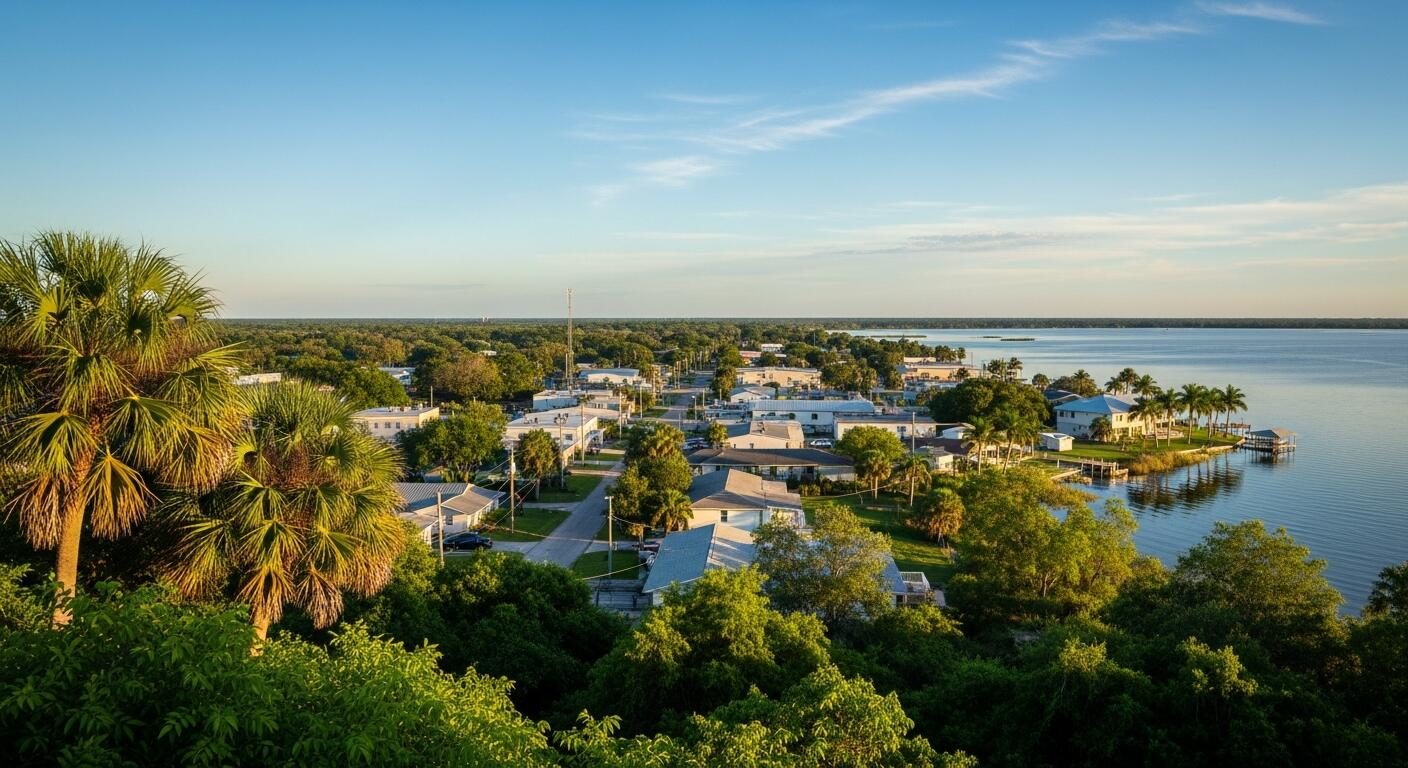
Buyer's Guide to Manalapan, FL: What to Know Before You Purchase
Buyer’s Guide to Manalapan, FL: What to Know Before You Purchase
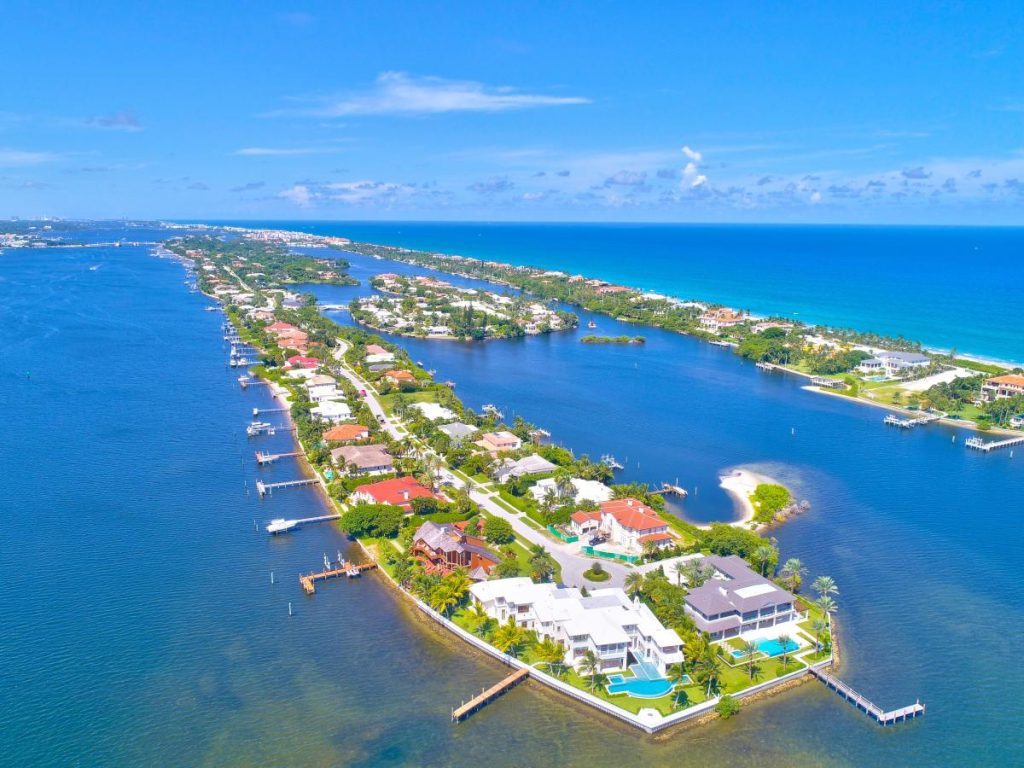
If you’re putting together a buyer’s guide to Manalapan, FL, what to know before you purchase comes down to one thing first: this is not a typical Palm Beach County suburb, and it doesn’t behave like one. Manalapan is a barrier island town of roughly 600 year-round residents wedged between the Atlantic Ocean and the Intracoastal Waterway, just south of the Town of Palm Beach. There is no downtown, no strip retail, and functionally no inventory in the way buyers expect in Boca Raton or Delray Beach. What there is: some of the most expensive residential real estate in the state of Florida, a handful of distinct pockets with very different price points, and a purchase process that rewards buyers who do their homework and punishes the ones who don’t.
This guide walks through what the money actually buys, where the real distinctions are inside Manalapan, what “new construction” means here (it’s not what you think), the financing and professional-team realities that come with a purchase at this level, and the due diligence checklist you need before you sign a contract.
What Manalapan Actually Is (And Isn’t)
Manalapan is an incorporated town in Palm Beach County, reached by South Ocean Boulevard (A1A) off the Lantana Bridge. It sits on a narrow strip of barrier island south of Palm Beach and north of Hypoluxo and Ocean Ridge. Many properties carry a Lantana, FL 33462 mailing address even though they’re inside Manalapan town limits, which trips up buyers searching listings online. Always confirm the actual municipality, tax jurisdiction, and police/fire coverage rather than trusting the mailing address alone.
The town has its own police department, its own zoning code, and an intentionally small footprint, roughly a mile and a half of barrier island split between the two sides of A1A. There’s no public school inside Manalapan, no grocery store, and almost no commercial use permitted at all. Zoning is built to keep it that way. The two landmarks most people recognize are the Eau Palm Beach Resort & Spa, a full-service oceanfront resort that also functions as a de facto amenity for nearby homeowners who want valet, spa, and restaurant access without joining a private club, and La Coquille Club, a private beach and tennis club that a meaningful share of Manalapan homeowners belong to. This is a residential-only, privacy-first town, and that’s the entire point for the people who buy here. Town commission meetings, permitting decisions, and code enforcement all happen at a scale small enough that individual property owners have real visibility into what’s happening on their street, which is unusual for a market with this much dollar volume moving through it.
If what you actually want is a walkable downtown, retail, and restaurants nearby, Manalapan isn’t it. For that kind of suburban-to-urban balance in Palm Beach County, West Palm Beach vs Palm Beach Gardens: City Energy or Suburban Comfort? is a more useful comparison to work through.
Buyer’s Guide to Manalapan, FL: What to Know Before You Purchase
The single biggest mistake buyers make researching Manalapan is treating it as one market. It isn’t. Price and character split hard depending on which side of A1A you’re on, and how close you are to open ocean frontage. Even agents who work Palm Beach County regularly sometimes quote a single “average” price for Manalapan, and that number is close to meaningless. You need to know which side of the island you’re pricing before any number means anything.
Point Manalapan and the Intracoastal side
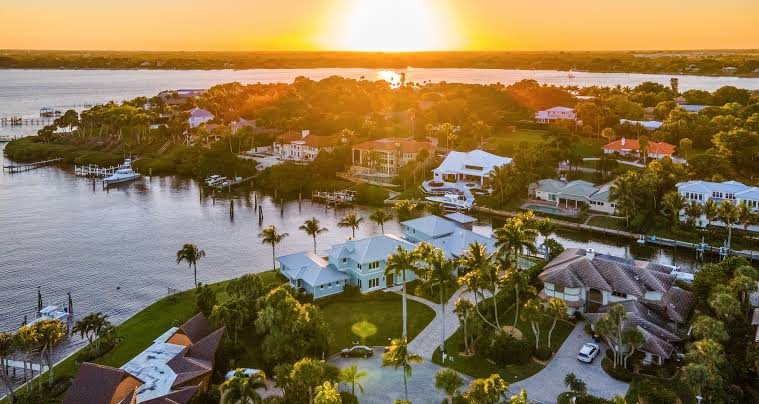
Point Manalapan, on the western, Intracoastal-facing side of town, is the closest thing Manalapan has to an entry point. Homes here typically start around $3 million and run up to $6 million to $8 million depending on lot size, water access, and dock capability. These are still large estate lots by any normal standard, usually a third of an acre or more, with private docks common given direct Intracoastal access. You’re trading ocean frontage for calmer water, easier boat access to the Lake Worth Inlet, and a meaningfully lower entry price relative to the oceanfront side. A buyer who wants a 60-foot yacht slip and a protected dock, without paying oceanfront pricing, is the classic Point Manalapan profile. It’s also where you’ll find the town’s older, more established plantings and mature tree canopy, since many of these lots have been in the same family for decades and haven’t been scraped for a rebuild yet.
South Ocean Boulevard oceanfront estates
Direct oceanfront on South Ocean Boulevard is where Manalapan’s reputation comes from. Lot sizes here regularly run half an acre to well over an acre, with private beach frontage, and pricing commonly starts around $8 million to $10 million for smaller or older parcels, climbing to $20 million to $40 million for larger, updated, or newly rebuilt estates. Trophy properties, the kind that make headlines when they trade, have sold well north of that. This is the stretch of town most associated with ultra-high-net-worth buyers, including some of the most recognizable names in the country. A handful of these estates have changed hands for well above $100 million in recent years, which is part of why Manalapan shows up in national real estate coverage far more often than a town of 600 residents normally would.
Between those two poles there’s very little “middle” inventory. Manalapan doesn’t have a $1.5 million starter-home tier, and it isn’t trying to. Buyers who come in expecting to negotiate their way into a $2 million or $3 million oceanfront foothold are going to be disappointed. That product doesn’t exist here, and it isn’t going to.
What Your Money Buys at Each Price Point
Understanding what you actually get for the number matters more here than in most South Florida markets, because Manalapan properties vary enormously in age, condition, and land use even within the same price band.
- $3M to $6M (Point Manalapan / Intracoastal): Typically a 1970s to 1990s-built estate on a large lot, three to five bedrooms, private dock, and Intracoastal views. Many of these are prime teardown candidates rather than move-in-ready trophies. Expect original terrazzo floors, dated kitchens, and mechanical systems that are due for replacement, all of which factor into your renovation budget the moment you close.
- $8M to $15M (entry oceanfront or larger Point Manalapan): Smaller direct oceanfront lots, often with an older home that buyers plan to renovate or rebuild, or a larger, well-maintained Intracoastal estate with significant frontage. This tier is where you’ll see the widest gap between list price and true value, since two properties at the same number can differ enormously depending on lot width, seawall condition, and how much of the structure is actually salvageable.
- $15M to $30M+ (prime oceanfront): Larger lots, newer or fully renovated construction, private beach access, guest houses, and the amenity package (pools, cabanas, tennis, generator systems) that buyers at this level expect as standard. Whole-home generators sized for extended outages, impact glass throughout rather than shutters, and elevated mechanical rooms are common at this tier, not upgrades.
- $30M and up: Trophy assets. Exceptional lot size, brand-new or recently rebuilt construction, and often adjacency to other notable estates. At this level you’re also paying for provenance, meaning who owned it before you and who your neighbors are, which is a real factor in how these properties are marketed and sold.
New Construction and the Teardown-Rebuild Reality
Buyers coming from planned communities elsewhere in Palm Beach County, think Westlake or the master-planned product going up around Boca Raton, often assume Manalapan has something similar. It doesn’t, and understanding why changes how you should shop.
There is no builder-run new construction community in Manalapan. No Lennar, GL Homes, or Toll Brothers footprint, no HOA-governed phase releases, no model homes to walk through. What happens instead is private, lot-by-lot teardown and rebuild. A buyer purchases an existing estate, often an older 1970s to 1990s structure, demolishes it, and builds a custom home permitted individually through the Town of Manalapan’s building department. This is slower, more expensive per square foot, and far more dependent on the specific architect, builder, and permitting timeline you choose than any production-built community.
Realistically, a full teardown-to-move-in project on South Ocean Boulevard runs 24 to 36 months once you factor in design development, permitting, demolition, and construction, and that’s assuming no major weather delays or supply chain hiccups. Custom construction costs on oceanfront lots commonly run well north of $700 to $900 per square foot once you account for hurricane-rated structural systems, elevated foundations, and high-end finish packages, and that’s before land cost. Compare that to a production home in a builder community elsewhere in the county, where you’re often looking at a published price list, a 9 to 14 month build, and a defined delivery date. Buyers who go into a Manalapan teardown expecting a builder-community timeline are the ones who end up frustrated with their architect, their contractor, or both.
If a builder-community experience, with published floor plans, transparent base pricing, and a sales center, is actually what you’re after, you’ll get a much more direct answer from Buyer’s Guide to Westlake, FL: What to Know Before You Purchase or Agave Boca in Boca Raton: The New Construction Guide (Floor Plans, Pricing, What to Know). Both are real new-construction plays with defined pricing and delivery timelines. Manalapan is the opposite of that model, and buyers who don’t recognize the difference upfront tend to be the ones frustrated six months into a purchase.
HOA, Taxes, Insurance and Flood Zone Realities
This is where Manalapan due diligence gets serious, and where generic advice fails buyers.
HOA structure varies by pocket, not townwide. Most oceanfront estates on South Ocean Boulevard have no traditional HOA at all, since they’re standalone parcels. Some Point Manalapan enclaves and any condo or townhome product in town do carry an association, with dues and rules that need to be pulled and read individually. Never assume “no HOA” or “there’s an HOA” for Manalapan as a blanket statement. Confirm it per property.
Property taxes are meaningfully high in dollar terms, simply because assessed values are high. Budget accordingly and pull the actual Palm Beach County Property Appraiser record for the parcel, not a generic percentage estimate, since homestead exemption status and prior owner assessments can swing the number. A property that sold for $18 million with the seller’s decades-old assessed value still on the books will re-assess closer to your purchase price the year after you close, which can mean a tax bill that jumps substantially in year two. Model that forward, not just the first year’s number.
Flood zone and insurance is the line item that surprises out-of-state buyers most. Barrier island property, particularly direct oceanfront, sits in FEMA flood zones that require flood insurance regardless of mortgage status, and premiums on multi-million-dollar structures are not small. Pull the elevation certificate before you go under contract, not after. Older homes built before current base flood elevation standards can face far higher premiums, or require flood mitigation work, once you take title. Wind and named-storm coverage is its own separate conversation on top of flood, and Citizens Property Insurance generally isn’t an option at this price point, meaning you’re shopping the surplus lines market, which moves faster and prices less predictably than standard homeowners coverage. Get a real quote before you’re under contract, not a rough estimate, because the gap between the two can run into six figures a year on the largest estates.
Seawall condition matters as much as the house does for any Intracoastal-facing property. A failing seawall is a six-figure repair, and it’s invisible in listing photos. Get it inspected independently, ideally by an engineer who specializes in coastal structures rather than a general home inspector, since seawall failure often starts below the waterline where it isn’t visible from the yard.
Septic versus municipal sewer is not uniform across town, and it affects both resale and renovation permitting. Confirm which service the specific parcel uses before you assume anything based on a neighboring property. If a rebuild is part of your plan, septic capacity and placement can also constrain where on the lot you’re allowed to build, which is worth knowing before you fall in love with a specific footprint.
For the current pricing environment, inventory trends, and how these numbers have moved recently, Manalapan, FL Real Estate Market 2026: Prices, Trends & What Buyers Should Expect breaks down the market side in more depth than a buyer’s checklist can.
Financing and Building Your Local Team
Most Manalapan transactions close in cash, or close to it. Jumbo and super-jumbo financing is available for buyers who want leverage, but the underwriting process at this price point is slower and more document-heavy than a standard mortgage, and lenders will scrutinize flood zone status and insurance costs as part of the approval, not as an afterthought. If financing is part of your plan, get pre-underwritten (not just pre-qualified) before you start touring, since the sellers and listing agents in this market expect proof of funds or lending capacity before they’ll schedule a showing on the higher-end listings.
Because so much of a Manalapan purchase runs through renovation or rebuild rather than a move-in-ready close, your team matters as much as the property. A real estate attorney who has closed barrier island transactions in Palm Beach County, a coastal engineer for seawall and flood assessments, and an architect who has actually pulled permits through the Town of Manalapan’s building department (not just Palm Beach County generally) will save you months. This is a small town with a small permitting office, and working with people who already have a relationship there moves faster than starting cold.
Due Diligence Checklist Before You Purchase
Work through this list before you write an offer, not after:
- Confirm the flood zone and pull the elevation certificate. This drives your insurance cost and any required mitigation.
- Order an independent seawall inspection for any Intracoastal or waterfront-adjacent parcel.
- Verify septic versus sewer service and get the septic system inspected if applicable.
- Pull the Town of Manalapan permitting history on the property, especially for anything marketed as recently renovated or “new.”
- Confirm HOA status and, if one exists, get the governing documents, dues, and any pending special assessments.
- Check for private club membership eligibility, such as La Coquille Club, if beach or tennis access matters to you and isn’t tied to the deed.
- Get a full title search done early. Estate-sized parcels with long ownership histories occasionally carry easement or boundary issues that take time to resolve.
- Confirm the actual jurisdiction and tax bill, since the Lantana mailing address confuses buyers who assume they’re purchasing outside Manalapan town limits.
- If you’re planning a teardown, meet with the Town’s building department before you close, not after, to understand setback, height, and lot coverage rules specific to your parcel.
- Budget insurance and taxes as ongoing carrying costs, not closing-cost line items. On properties at this price point, they’re a real annual number worth modeling before you commit.
- Get a real insurance quote, not an estimate, before you remove your inspection contingency. Surplus lines carriers price these properties individually, and the number can move the deal.
- Ask about generator and storm-hardening infrastructure directly. Whole-home generator capacity, impact glass versus shutters, and elevated mechanical systems all affect both livability during storm season and your long-term insurance costs.
Who Actually Buys in Manalapan, and Why
Manalapan draws a narrow but consistent buyer profile: high-net-worth individuals and families who want oceanfront or Intracoastal privacy within a 15 to 20 minute drive of Palm Beach and Palm Beach International Airport, without living inside the Town of Palm Beach itself. Many buyers already own property elsewhere in Palm Beach County or the Northeast and are adding a primary or secondary residence. The appeal isn’t proximity to nightlife or retail, it’s privacy, beach access, boat access, and a level of anonymity that denser luxury markets don’t offer.
A typical profile looks something like this: a family that already spends winters in Palm Beach or Manhattan, wants a private beach without the social visibility of Worth Avenue, and is comfortable with a multi-year rebuild timeline in exchange for a custom result on a lot they couldn’t replicate anywhere else in the state. Another common profile is the boating family prioritizing Point Manalapan specifically for dock access and calmer water, who has no interest in oceanfront at all and would rather put the difference into the boat, the dock, and the interior finish package.
Commute-wise, Palm Beach International Airport is about 20 to 25 minutes away, downtown West Palm Beach is roughly 20 minutes, and Boca Raton is around 25 to 30 minutes south via I-95 or A1A. There is no school inside Manalapan; buyers with school-age children are either zoned into Palm Beach County public schools nearby or, more commonly at this price point, enrolled in private schools in Palm Beach or West Palm Beach.
How Manalapan Compares to Nearby Palm Beach County Suburbs
If you’re cross-shopping, it helps to know where Manalapan sits relative to its neighbors. Palm Beach itself is denser, more social, and carries even higher trophy pricing at the top end, with more walkable amenity access on Worth Avenue. Ocean Ridge and Hypoluxo, just south, offer a similar barrier-island feel at a noticeably lower price point, with less name recognition and fewer ultra-trophy sales, and considerably more inventory turnover in a given year. Gulf Stream, further south, is a comparable quiet, low-inventory enclave with its own distinct character, and tends to draw a similar buyer who values privacy over social visibility.
The practical difference for most buyers comes down to this: Palm Beach gives you walkability and social infrastructure at a premium, Manalapan gives you privacy and space at a similar or higher premium with none of the walkability, and Ocean Ridge or Hypoluxo give you a version of the barrier-island lifestyle at a meaningfully lower buy-in if trophy pricing and A-list neighbors aren’t the priority.
If Manalapan’s price point or lack of inventory rules it out but you still want the broader Palm Beach County suburban lifestyle, particularly for a family relocation, Best Palm Beach County Suburbs for Families Relocating in 2026 and Jupiter vs Palm Beach Gardens: A Relocator’s Real Comparison for 2026 cover markets with actual inventory turnover, schools, and price tiers under $2 million, which is a completely different conversation than anything happening in Manalapan.
And if you want the unfiltered take on day-to-day life in town, not just the numbers, Is Manalapan a Good Place to Live? Honest 2026 Review covers what it’s actually like to live there beyond the price tag.
The Honest Bottom Line
Manalapan is not a market you shop the way you shop most of South Florida. Inventory is genuinely scarce, most of what’s available skews toward the higher end of an already high-end county, and the concept of “new construction” here means a private rebuild project, not a builder community with a sales office. If you’re serious about buying in Manalapan, the work is in the due diligence: flood zone, seawall, septic or sewer, permitting history, insurance, and HOA status, all confirmed parcel by parcel, because almost nothing about this town is standardized. Budget the time for it. Rushing a Manalapan purchase to close on a normal Palm Beach County timeline is how buyers end up with insurance surprises, seawall repairs, or a rebuild that takes twice as long as they planned.
If that due diligence process, price range, and pace fit what you’re after, Manalapan delivers a level of privacy and oceanfront access that very few towns in Florida can match. If it doesn’t, there’s no shame in that. It just means your buyer’s guide starts somewhere else in Palm Beach County, and that’s a conversation worth having before you fall in love with a listing you can’t actually make work.
Watch: learn more
Go deeper with my South Florida Insider videos.
Solterra: Everything You Need to Know Before You Visit
Solterra: Everything You Need to Know Before You Visit
More articles you might like
Manalapan, FL Real Estate Market 2026: Prices, Trends & What Buyers Should Expect
13 min readIs Manalapan a Good Place to Live? Honest 2026 Review
17 min read
Buyer's Guide to Westlake, FL: What to Know Before You Purchase
13 min read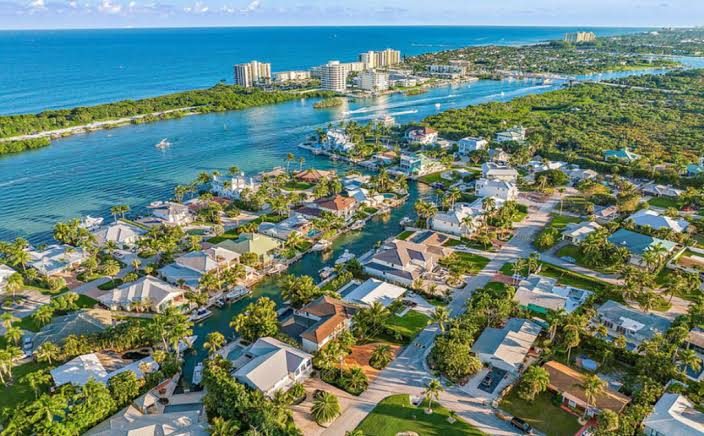
Buyer's Guide to Tequesta, FL: What to Know Before You Purchase
18 min read
Buyer's Guide to South Palm Beach, FL: What to Know Before You Purchase
19 min read