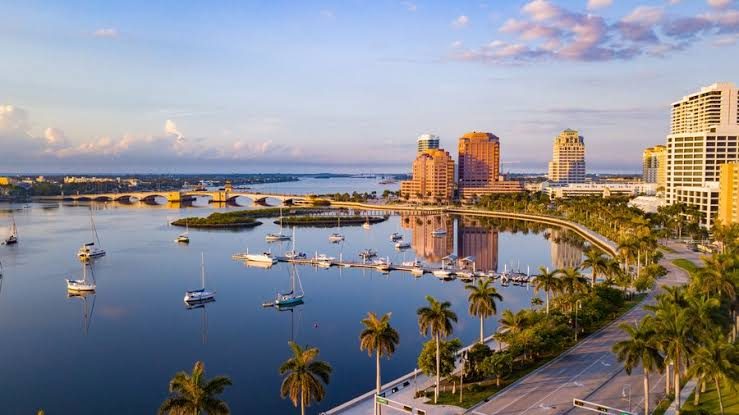
Buyer's Guide to Lake Worth Beach, FL: What to Know Before You Purchase
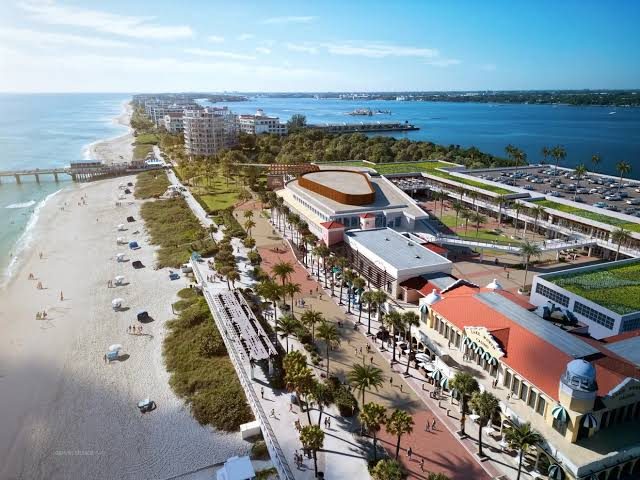
If you’re searching for a buyer’s guide to Lake Worth Beach, FL, what to know before you purchase starts with this: Lake Worth Beach is not a suburb of new subdivisions and gated entrances. It’s a six-square-mile, walkable, historic beach city on the Intracoastal in Palm Beach County, built out almost entirely with homes from the 1920s through the 1980s. If you want a builder warranty and a clubhouse, you’re going to end up buying somewhere else with a “Lake Worth” mailing address, not inside the actual city. That distinction alone saves buyers weeks of confusion, and it’s where this guide starts.
I’ve walked buyers through Lake Worth Beach who show up expecting a Palm Beach Gardens style master plan and leave two hours later with a completely different (and honestly better informed) picture of what they’re buying. This is the guide I wish more people had before they made an offer.
Buyer’s Guide to Lake Worth Beach, FL: What to Know Before You Purchase, Starting With the Map
Lake Worth Beach sits between West Palm Beach to the north and Lantana to the south, wedged along the Intracoastal Waterway east of I-95. The city itself runs roughly from the beach at A1A west to about 10th Avenue North/South, bordered by Dixie Highway and the FEC rail corridor. That’s the real footprint. Everything inside it is walkable in a way that almost nothing else in Palm Beach County is, downtown Lake Avenue, the Cultural Plaza, Bryant Park, and the municipal beach and pier are all a bike ride from most residential streets.
What that means for a buyer: you are not buying square footage per dollar. You’re buying location, land, and lifestyle density. A 1,400 square foot 1940s bungalow three blocks from the beach will cost more per square foot than a 2,800 square foot new build 20 minutes west, and that’s by design, not a market inefficiency. For the full pricing and trend picture, see our Lake Worth Beach, FL Real Estate Market 2026 report, which breaks down where prices have moved by neighborhood over the past year.
Lake Worth Beach vs “Lake Worth”: The Distinction That Trips Up Every Buyer
This is the single most important thing in this entire guide, so I’m going to be direct about it. In 2019, the City of Lake Worth officially renamed itself Lake Worth Beach to distinguish itself from the much larger unincorporated area west of I-95 that still carries a “Lake Worth” mailing address (ZIP codes like 33463 and 33467). That unincorporated area, sometimes called Lake Worth Corridor or greater Lake Worth, stretches out toward Loxahatchee and is where almost all the new home construction with a “Lake Worth” address actually sits.
That’s where you’ll find communities like Amara by DiVosta, with single-family homes from the mid-$600s up to around $1.2 million, and Whitmore Estates by Lennar, a gated enclave offering the Oxford and Kensington luxury collections. There’s also Silver Springs, a land-lease manufactured home subdivision off North Ironwood Lane with 2-bedroom, 2-bathroom, 1,356 square foot homes that offer one of the most affordable new-build entry points in the county. None of these are inside the actual City of Lake Worth Beach. They’re 15 to 25 minutes west, in unincorporated Palm Beach County, with different governance, different tax structure, and a completely different day-to-day feel.
If a listing agent, a builder rep, or a Zillow search results page says “Lake Worth” without the word “Beach,” ask which one you’re actually looking at before you fall in love with a floor plan. It’s the single most common source of buyer confusion I run into in this market.
What Your Money Actually Buys in Lake Worth Beach
Inside the real city limits, here’s how the money breaks down by neighborhood, in plain terms.
Downtown and the Cultural Plaza corridor
Walk-to-everything bungalows and small cottages, many built between the 1920s and 1950s. Expect smaller lots, older electrical and plumbing that may or may not have been updated, and a premium for walkability. This is where you pay the most per square foot in the city.
Old Lake Worth Historic District, Parrot Cove, and Mango Grove
These are the neighborhoods most likely to carry historic designation, which comes with real implications, more on that below. Housing stock is a mix of Mediterranean Revival, Mission, and frame vernacular homes. Buyers who love character architecture gravitate here. Buyers who want to gut-renovate without restriction should ask about historic overlay rules before writing an offer.
College Park and the areas near Palm Beach State College
More attainable pricing, a mix of mid-century single-family homes, and proximity to the college campus. This is a common entry point for first-time buyers who want in on Lake Worth Beach without downtown or waterfront pricing.
Intracoastal-adjacent and waterfront streets
This is where prices jump the most. Direct or near-direct water access, dock potential, and Intracoastal views push these homes into the seven-figure range in many cases. These lots also carry the highest flood and insurance considerations in the city, which we’ll cover in the due diligence section.
Condos and co-ops
Older mid-rise buildings along the beach and downtown corridor offer some of the most affordable entry points in the entire South Florida coastal market, particularly co-ops that predate condo conversion. The tradeoff is association reserves, age of the building, and (post-Surfside) increasingly strict structural inspection and reserve funding requirements that can mean real special assessments. Never skip the association financials on these.
For a neighborhood-by-neighborhood honest read on livability, not just price, our Is Lake Worth Beach a Good Place to Live? Honest 2026 Review goes deeper on what daily life actually looks like in each of these pockets.
New Construction Options: Where They Actually Are
I said it above and I’ll say it again because it changes how buyers should shop: if new construction is a requirement for you, Lake Worth Beach proper is not your market. The city is functionally built out. What little infill exists is one-off custom rebuilds on individual lots, not subdivisions, and those come at a premium because someone has to buy an older home, tear it down, and rebuild, which isn’t cheap in this county.
If you want new construction and still want to be in the general area, you’re looking west into unincorporated Lake Worth, where Amara by DiVosta and Whitmore Estates are actively selling, or further out toward Loxahatchee, where master-planned “agrihood” communities like Arden by Lennar are delivering new inventory through late 2026 with HOA fees in the $308 to $322 monthly range and a working 5-acre community farm as the anchor amenity.
If new construction with a real builder warranty is the priority and you’re open to comparing markets rather than just ZIP codes, it’s worth cross-shopping against a planned community like the one covered in our Buyer’s Guide to Westlake, FL, which is built from the ground up as a master-planned town rather than an add-on to an older city. Different product entirely, but a useful comparison for buyers trying to decide between character and warranty.
HOA, Historic Districts, and What You’re Actually Buying Into
Most single-family homes in Lake Worth Beach proper have no HOA at all. That’s part of the appeal for buyers who are tired of rules about paint colors and parking. But “no HOA” doesn’t mean “no rules.”
Historic district overlays
If your home sits inside the Old Lake Worth Historic District or one of the other locally designated historic zones, exterior renovations, additions, and even some paint and roofing choices can require review by the city’s historic preservation board before permits are issued. This isn’t a dealbreaker, plenty of buyers want a home that’s protected from being flanked by mismatched new construction, but it does mean your renovation timeline and options are different than a home with zero restrictions. Ask your agent to confirm historic designation status before you assume you can renovate freely.
Condo and co-op associations
Unlike single-family homes, these come with real monthly obligations, and post-Surfside Florida law now requires milestone structural inspections and fully funded reserve studies for condo buildings statewide. Ask for the last reserve study, the last two years of board meeting minutes, and whether any special assessments are pending or under discussion. This is not optional due diligence, it’s the difference between a $400 monthly fee and a $40,000 surprise bill.
City assessments and CRA
Portions of downtown Lake Worth Beach fall within the city’s Community Redevelopment Agency (CRA) district, which affects some public improvement funding but generally does not add a separate tax line for homeowners the way a CDD would in a new-construction community out west. Confirm with the county property appraiser’s parcel record either way, it takes five minutes and removes the guesswork.
Flood Zones, Insurance, and the Real Due Diligence Checklist
Lake Worth Beach’s proximity to the Intracoastal is exactly what makes it desirable and exactly what makes insurance homework non-negotiable. Here’s the checklist I walk every buyer through before they write an offer in this city:
- Pull the FEMA flood zone map for the specific parcel. Streets near the Intracoastal and low-lying areas near canals are more likely to fall in AE or VE zones. A block or two inland can change the zone entirely, so don’t assume based on the neighborhood name alone.
- Request the elevation certificate if one exists. Older homes may not have one, which means you’ll need to order one, and that affects your insurance quote before closing, not after.
- Get a real flood and wind insurance quote during the inspection period, not after closing. Insurance costs on older coastal homes have moved enough in the past few years that they materially affect the true monthly cost of the home. Don’t let this be a surprise at the closing table.
- Check the age of the roof and the electrical panel. Many Lake Worth Beach homes still have original systems from decades ago. Insurance carriers increasingly require roof age documentation, and a home with an old panel (especially Federal Pacific or Zinsco brands) can be a hard no for some carriers.
- Confirm historic designation status through the city’s planning department if you’re buying in or near a historic overlay.
- Order a four-point inspection in addition to a standard home inspection. Most insurers will require it on homes over a certain age, and it’s better to know the results before you’re under contract deadlines.
- Check for open permits or code violations with the city. Older housing stock sometimes has unpermitted additions (a converted garage, an added bedroom) that can complicate financing or insurance.
- Verify well/septic vs. city water and sewer if you’re looking at the edges of the city limits, some parcels bordering unincorporated areas may differ from what you’d assume.
None of this is meant to scare you off. It’s meant to make sure you’re negotiating from information, not hope. Buyers who skip this checklist are the ones who end up renegotiating price after inspection, or worse, closing on a home with an insurance bill that doesn’t match their budget.
Schools and Commute
Lake Worth Beach falls within the Palm Beach County School District, zoned generally for Barton Elementary, Lake Worth Middle, and Lake Worth Community High School, though specific zoning should always be confirmed by address since boundary lines shift. Families prioritizing top-rated school zones over walkability often look further north or west, and our Best Palm Beach County Suburbs for Families Relocating in 2026 guide lays out how Lake Worth Beach compares to those alternatives on that specific factor.
On commute, Lake Worth Beach sits close to I-95 and the Tri-Rail Lake Worth station, putting downtown West Palm Beach roughly 15 to 20 minutes north and Boca Raton about 30 minutes south depending on traffic. For buyers weighing walkable beach-town living against a more polished, planned suburban feel, our comparison of West Palm Beach vs Palm Beach Gardens covers a lot of the same tradeoffs (energy vs. structure, older stock vs. new) that apply when you’re deciding between Lake Worth Beach and its more manicured neighbors.
Who Lake Worth Beach Is Actually Right For
Buy here if you want walkability to a real beach and a real downtown, don’t mind an older home with character (and the maintenance that comes with it), and you’re comfortable doing real due diligence on flood zone and insurance costs before you commit. It’s a strong fit for buyers who want a slower pace than West Palm Beach proper but more grit and personality than a planned community, and for investors interested in the co-op and condo market’s relatively low entry price point.
Look elsewhere if new construction, a builder warranty, HOA-maintained landscaping, or a large modern floor plan are must-haves. In that case, the unincorporated Lake Worth corridor, Loxahatchee’s Arden, or a fully planned town like the one profiled in our Westlake, FL market report will serve you better than trying to force new-construction expectations onto an old beach city.
And if you’re comparing Lake Worth Beach against new construction elsewhere in the county to see what a comparable budget buys in a ground-up community, our Agave Boca new construction guide is a useful side-by-side on floor plans, pricing, and what “new” actually costs right now in this market.
The Bottom Line
Lake Worth Beach rewards buyers who do their homework and punishes the ones who don’t. It’s one of the last genuinely walkable, non-cookie-cutter beach towns in Palm Beach County, and that scarcity is exactly why older homes here hold value. But the flood zone, insurance, and historic-district questions aren’t optional extras, they’re the actual due diligence that determines whether your monthly cost matches what you budgeted for.
If you’re serious about buying here, don’t start with listings. Start with a parcel-specific flood zone check, an honest insurance quote, and a clear answer on whether the “Lake Worth” community you’re looking at is actually inside the beach city or 20 minutes west of it. Get those three things right and everything else in the process gets easier. DM me “LAKE WORTH BEACH” and I’ll send you the current inventory list broken out by neighborhood, along with which streets fall in which flood zones.
Watch: learn more
Go deeper with my South Florida Insider videos.
Solterra: Everything You Need to Know Before You Visit

The Best Flex-Space Townhome in West Palm Beach: Pulte's Nautical Plan
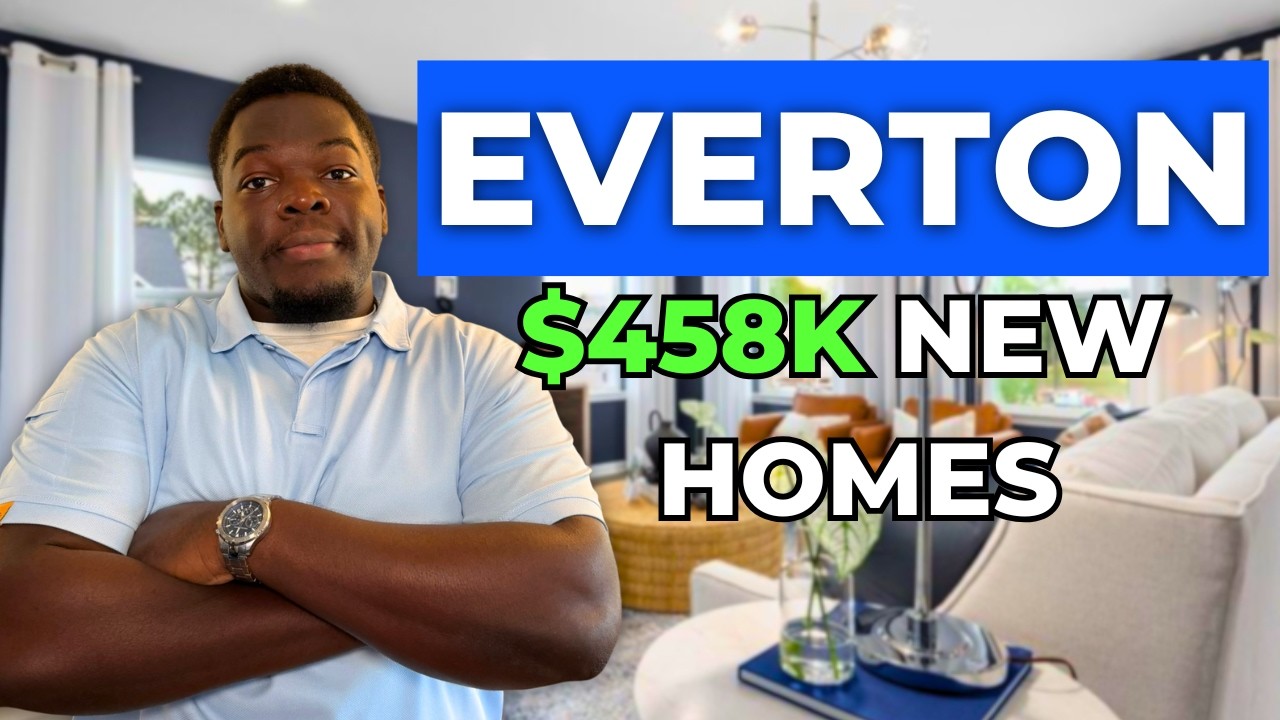
Inside Everton's Latitude II Model: $458k New Homes In Palm Beach
More articles you might like
Lake Worth Beach, FL Real Estate Market 2026: Prices, Trends & What Buyers Should Expect
17 min readIs Lake Worth Beach a Good Place to Live? Honest 2026 Review
13 min read
How to Choose the Best Suburb in Palm Beach County for Your Family (2026)
17 min read
Buyer's Guide to Westlake, FL: What to Know Before You Purchase
13 min read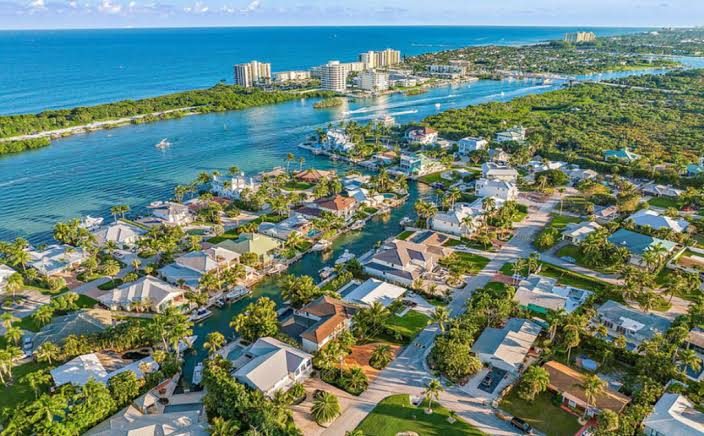
Buyer's Guide to Tequesta, FL: What to Know Before You Purchase
18 min read