Lake Worth Beach, FL Real Estate Market 2026: Prices, Trends & What Buyers Should Expect
Lake Worth Beach, FL Real Estate Market 2026: Prices, Trends & What Buyers Should Expect
Here’s the honest answer up front: Lake Worth Beach FL real estate market 2026 prices, trends, and what buyers should expect breaks down like this. Single-family homes inside the city limits are running roughly $375,000 to $525,000 depending on block and condition, condos and townhomes range from the $150,000s for older inland units up to $350,000+ for anything renovated or near the water, and if you’re picturing brand-new construction with a builder warranty, you’re mostly looking west of downtown, not inside the actual city of Lake Worth Beach.
That last point trips up a lot of buyers moving from out of state, so we’re going to spend real time on it. But first, the full picture.
If you’re relocating from a market where “Lake Worth” showed up on a builder’s website and you assumed that meant a new subdivision with sidewalks and a clubhouse inside city limits, you’re not the first. It’s one of the most common questions we get from out-of-state buyers working with us, and it’s exactly why this guide exists. We’ll walk through real pricing by product type, what’s actually driving the market in 2026, where the confusion between “Lake Worth Beach” and “Lake Worth” comes from, and what a realistic offer strategy looks like depending on what you’re trying to buy.
Why Lake Worth Beach Is Different From “Lake Worth” on a Map App
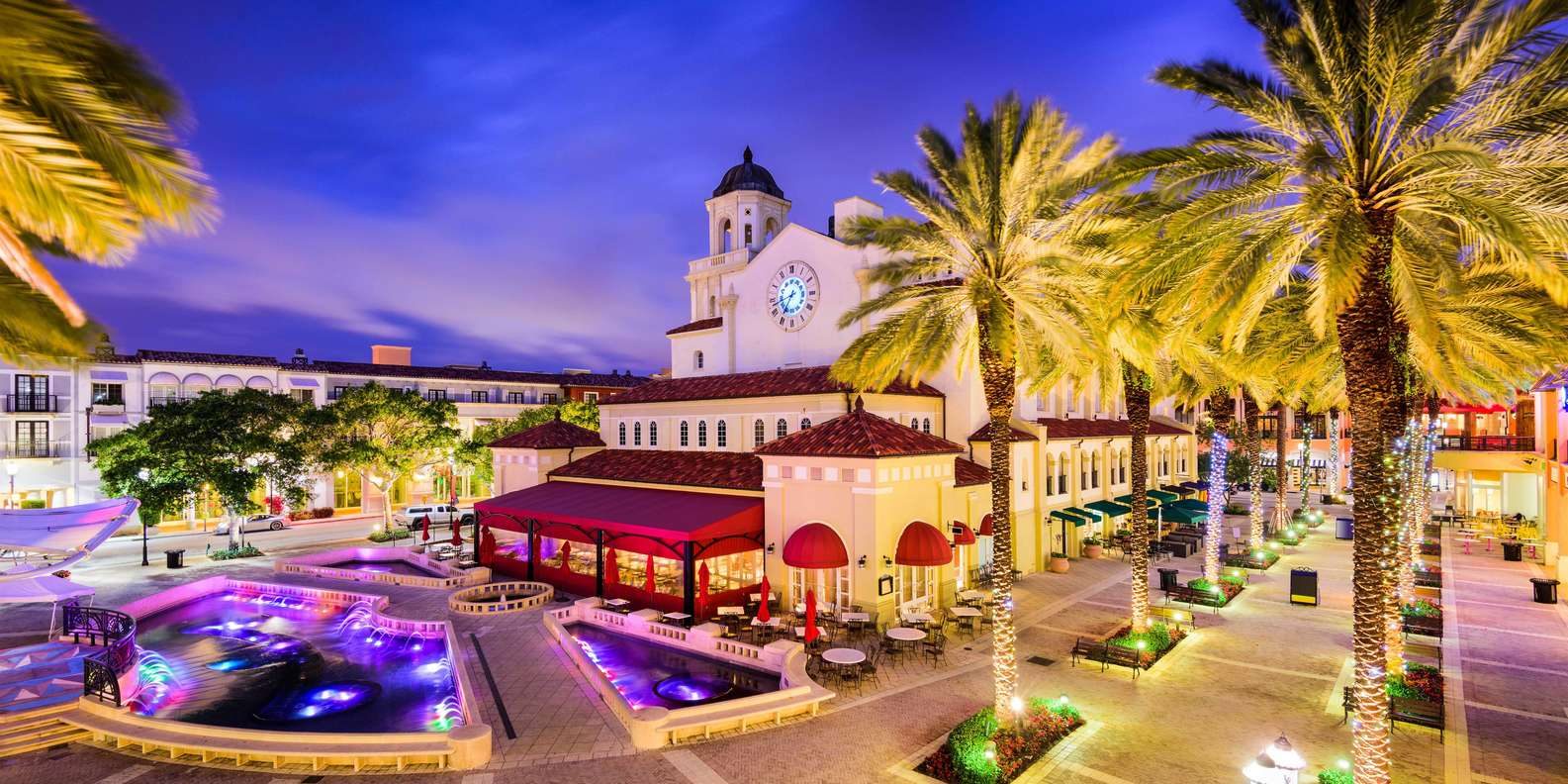
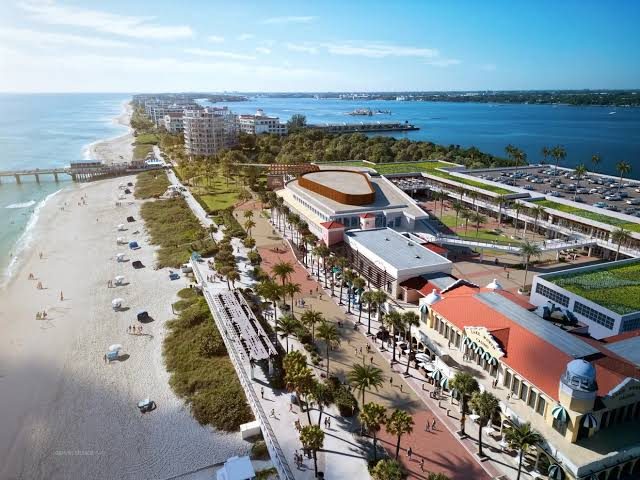
Lake Worth Beach is an incorporated city, not just a neighborhood name or a mailing address. It sits between West Palm Beach to the north and Lantana to the south, with the Intracoastal Waterway and a public municipal beach on its eastern edge. When people search “Lake Worth” real estate, they’re often served listings from a much bigger unincorporated area west of I-95, out toward Lantana Road and Lyons Road, that shares a Lake Worth mailing address but is governed by Palm Beach County, not the City of Lake Worth Beach.
That distinction matters for pricing, taxes, and what you can actually build or buy. Inside the city, you’re paying city millage on top of county millage, you’re subject to the city’s historic preservation rules in several districts, including the College Park Historic District and parts of Old Lucerne, and you’re buying into a housing stock that’s genuinely old for Florida, much of it built between the 1920s and 1960s. West of the city, in the unincorporated pockets that share the Lake Worth name, you get newer subdivisions, HOAs, and in some cases CDD debt attached to the tax bill.
Neither is better. They’re just different products. This guide focuses on the actual city of Lake Worth Beach, with a section further down on where the “Lake Worth” new construction actually is, because buyers ask about it constantly. If you’re the type of buyer who wants a 1925 Mediterranean Revival bungalow with hardwood floors and a wraparound porch, you’re shopping the city. If you want a warrantied home with impact windows already installed and a Ring doorbell wired in from day one, you’re shopping west of it. Knowing which one you are before you start touring saves you weeks.
Lake Worth Beach Home Prices in 2026: The Real Numbers
Single-family homes
Expect a wide range because the housing stock itself is wide. A 2-bedroom, 1-bath bungalow on a small interior lot in College Park or south of downtown can still be found in the high $300,000s to low $400,000s, especially if it needs updating. A renovated 3-bedroom, 2-bath home in a walkable pocket near Cultural Plaza or Old Lucerne runs closer to $450,000 to $525,000. Larger or waterfront-adjacent homes, particularly anything with Intracoastal access or a peninsula lot, can push well past $700,000 to over $1 million, though true waterfront inventory is thin and moves fast when it hits.
Price per square foot tells the real story here more than the headline number. A dated 2-bed, 1-bath at 900 square feet and a renovated 3-bed, 2-bath at 1,500 square feet can land in the same rough price band, but you’re paying a real premium per square foot for the renovated home because the buyer pool competing for move-in-ready inventory under $500,000 is deep. If you’re comfortable doing the work yourself, or hiring it out over a year or two, the older unrenovated homes are where the actual value is. If you need to close and move in without a punch list, budget toward the top of the range.
A quick scenario that plays out constantly: a first-time buyer with a $420,000 budget and a 20 percent down payment tours a renovated 2-bed near downtown and a dated 3-bed a few blocks south, both listed around the same price. The renovated 2-bed will get multiple offers inside a week. The dated 3-bed sits closer to 30 to 45 days because it needs a buyer willing to take on a kitchen and bath remodel. Same budget, two completely different competitive situations. Knowing which lane you’re in before you write the offer changes your strategy.
Condos and townhomes
This is where Lake Worth Beach still offers real affordability relative to the rest of coastal Palm Beach County. Older 1960s and 1970s condo buildings, many age-restricted 55+ and clustered along Lakeside Drive and the streets just north of downtown, can be found from the $150,000s to $220,000s, though buyers need to budget carefully for association fees and ask hard questions about reserve funding and any pending Milestone Inspection or Structural Integrity Reserve Study requirements under Florida’s post-Surfside condo law. Newer or renovated condos, and anything within walking distance of downtown or the beach, run from the $250,000s to $350,000s.
The gap between a $160,000 unit and a $320,000 unit in the same general area usually comes down to three things: age of the building, proximity to the water or downtown, and the health of the association’s reserves. A buyer who only compares list price without pulling the condo docs, the last two years of board meeting minutes, and the reserve study is negotiating blind. We’ve seen buyers fall in love with a $175,000 unit only to learn the association is voting on a $15,000 to $25,000 per-unit special assessment for roof and concrete restoration work mandated by the 2022 structural integrity law. That number needs to be part of the offer conversation, not a surprise at closing.
What’s changed since a few years ago
Prices in Lake Worth Beach have held up better than the speculative frenzy years suggest they would, mostly because the buyer pool here isn’t chasing luxury. It’s first-time buyers, downsizers, and investors looking for cash flow, all of whom are sensitive to interest rates. When rates tick up, days on market stretch in Lake Worth Beach faster than they do in, say, Palm Beach Gardens, because there’s less cushion in the budgets of the buyers shopping here. That’s not a weakness. It’s a signal that this market trades on fundamentals, not hype.
We’ve also seen a shift in how long renovated homes sit compared to a couple of years ago. In the tightest stretch of the market, a fully updated 3-bed inside city limits could go under contract in under a week with multiple offers over asking. In 2026, that same home is more likely to take two to three weeks and sell closer to list price. That’s a healthier market for buyers, but it’s still nowhere close to a buyer’s market. Inventory under $450,000 in move-in condition remains genuinely tight.
Market Trends Shaping Lake Worth Beach Through 2026
Renovation and infill over new subdivisions
Because there’s very little vacant land left inside the city, the growth story in Lake Worth Beach isn’t new subdivisions, it’s renovation, additions, and the occasional teardown-rebuild on an oversized lot. If you’re a buyer looking for a fixer with real upside, this is one of the few coastal Palm Beach County cities where a $400,000 purchase plus a real renovation budget can still land you well below what a comparable finished home costs in Lake Clarke Shores or south Palm Beach Gardens. We’re seeing this play out most on the larger lots south of downtown and in pockets of College Park, where a buyer can add a primary suite or convert a garage into livable square footage and come out ahead of what a comparable finished home would cost to simply buy outright.
That said, permitting and historic review add real time to any renovation inside the designated historic districts. If your plan involves changing the exterior footprint, roofline, or front-facing windows on a home inside College Park Historic District or parts of Old Lucerne, budget for a longer approval process than you’d face in a non-designated area. It’s worth a call to the city’s planning department before you close, not after.
Downtown and the Cultural District pulling demand
The stretch along Lake Avenue and Lucerne Avenue, anchored by the Cultural Plaza, the amphitheater, and a growing run of independent restaurants and shops, keeps pulling younger buyers and renters who want walkability without West Palm Beach or Delray Beach pricing. That demand is showing up as slightly higher price-per-square-foot for homes within a half mile of downtown compared to the same size home ten blocks out. This walkability premium is real but still modest compared to what you’d pay for equivalent walkable proximity in Delray Beach’s Pineapple Grove or downtown West Palm Beach, which is exactly why buyers priced out of those markets keep discovering Lake Worth Beach.
Rental and investor activity
Lake Worth Beach has long been a landing spot for investors buying small multifamily and single-family rentals, partly because entry prices are lower and partly because the tenant demand is steady. Buyers competing against cash investor offers on entry-level homes under $450,000 should expect that dynamic to continue in 2026, especially on anything move-in ready. If you’re a first-time buyer going up against a cash investor offer, the way to win isn’t always the highest price. A clean pre-approval, a shorter inspection period, and flexibility on the seller’s preferred closing date can beat a slightly higher offer that comes with financing contingencies.
Flood zone and insurance reality
Because much of the city sits close to the Intracoastal and at relatively low elevation, flood insurance is not optional for a large share of the housing stock, and buyers should get an actual quote before falling in love with a listing. This is one of the more overlooked line items that changes a monthly payment by hundreds of dollars, and it’s exactly the kind of thing we walk through in our full Buyer’s Guide to Lake Worth Beach, FL. A home two blocks apart from another can carry a meaningfully different flood zone designation, so don’t assume the quote on one listing applies to the one next door. Pull the actual elevation certificate when one exists, and if it doesn’t, budget for the cost of getting one before you’re locked into a contract.
Where the “New Construction” Actually Is
If new construction is the priority, be clear-eyed about geography. The active new home communities carrying a Lake Worth mailing address, like Amara by DiVosta (single-family homes from the mid-$600,000s to over $1.2 million) and Whitmore Estates by Lennar (the Oxford and Kensington collections), sit west of downtown Lake Worth Beach in unincorporated Palm Beach County, not inside the city itself. Greyhawk Landing, also by DiVosta, is another single-family community in that same western corridor.
Amara’s price range spans a genuinely wide gap, from mid-$600,000s starter floor plans up to $1.2 million-plus for larger, more customized homes, which tells you the community is built to capture move-up buyers as much as first-time new construction buyers. Whitmore Estates splits its offering into the Oxford collection and the Kensington collection, giving buyers a clearer choice between smaller and larger footprints under the same gated community umbrella. Greyhawk Landing rounds out the corridor as a straightforward single-family subdivision without the same wide price spread.
These communities come with HOA dues, deed restrictions, and in some cases higher price points than what you’d pay for an older home inside the actual city. They also come with what new construction buyers actually want: warranties, modern floor plans, hurricane-rated construction, and community amenities. If that’s the priority over walkable, historic character, it’s worth cross-shopping these against other master-planned options in the county, including newer communities further north like the ones covered in our Westlake, FL Real Estate Market 2026 guide and its companion Westlake buyer’s guide.
The honest tradeoff: buy inside Lake Worth Beach city limits and you get character, walkability, lower entry price, and an older home. Buy in the western “Lake Worth” new construction belt and you get modern construction, HOA amenities, and a longer commute back to the beach and downtown, typically 15 to 20 minutes each way depending on the specific community and time of day. For a buyer who works from home most days, that commute gap barely registers. For a buyer who wants to walk to dinner on Lake Avenue on a Friday night, it matters a lot more than the floor plan does.
Neighborhoods to Know Inside Lake Worth Beach
College Park sits just south of downtown and remains one of the more accessible entry points for buyers wanting proximity without the highest price tag, with a mix of small bungalows and mid-century ranch homes. Much of the neighborhood falls inside the local historic district, which means exterior renovation work goes through an added layer of design review, worth knowing before you buy with a major addition already in mind.
Old Lucerne and Bryant Park run closer to the water and closer to downtown, and command a premium for it, particularly on blocks with mature tree canopy and larger lots. These are the neighborhoods where a buyer with a bigger budget and a preference for a finished home over a project should start their search.
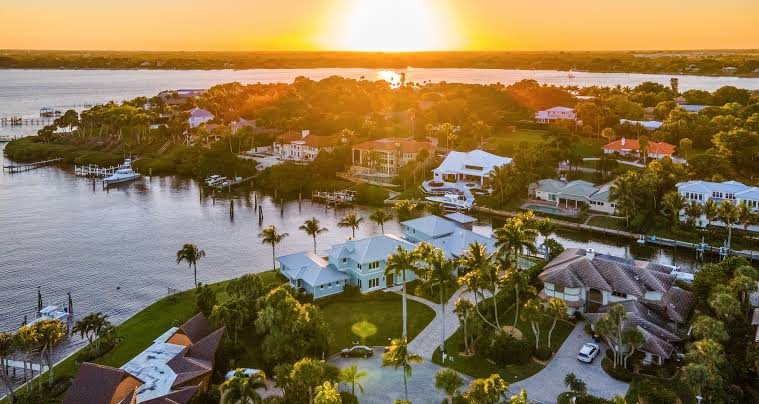
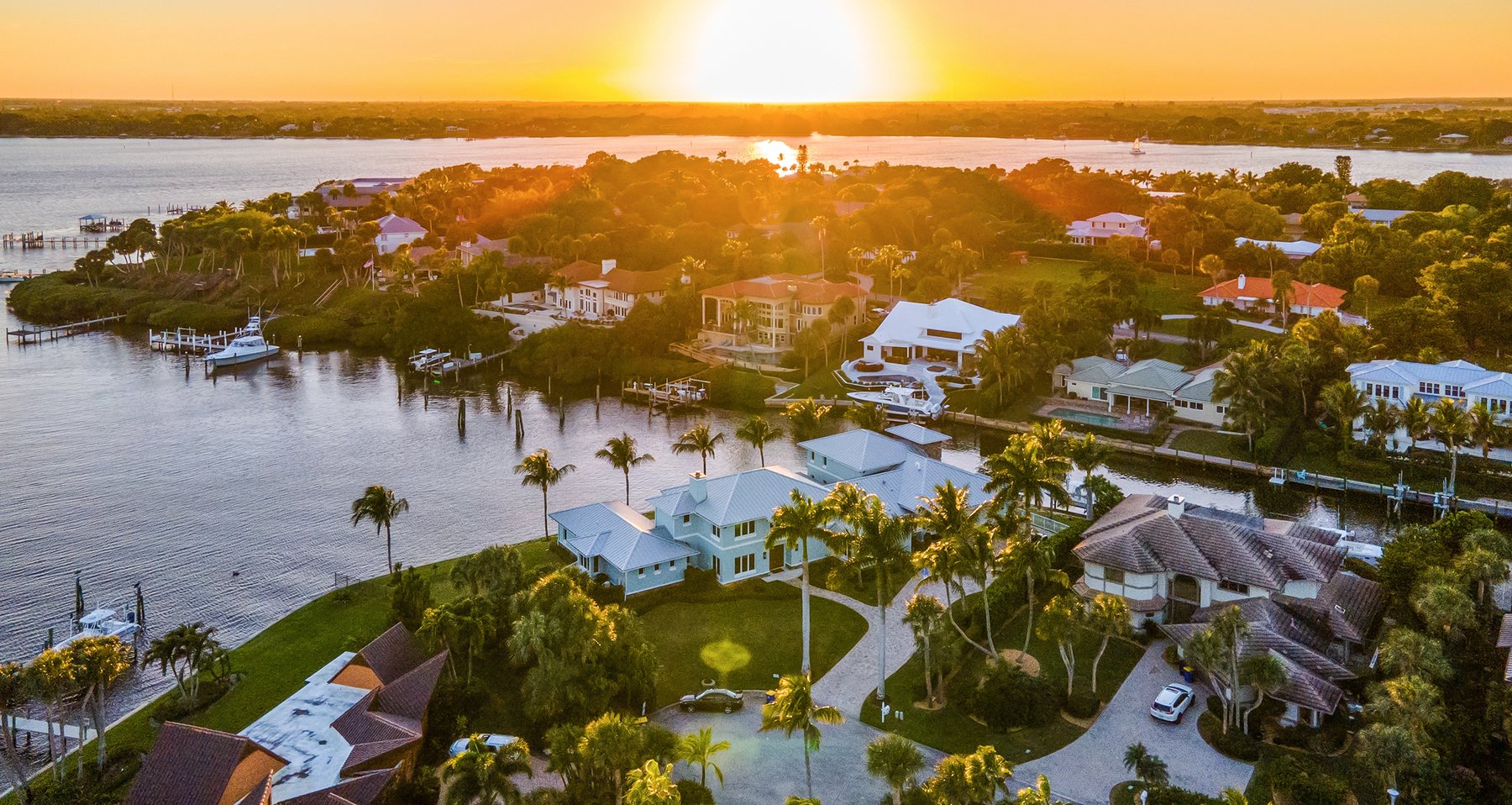
Parrot Cove is one of the more distinct pockets, a small waterfront enclave with direct Intracoastal proximity that trades at a real premium relative to the rest of the city. Inventory here is genuinely scarce, and homes with private dockage or deep water access get snapped up fast when they list, often before they hit the broader search portals.
South Palm Park and the areas closer to 6th Avenue South offer some of the more affordable entry points still inside city limits, with steady renovation activity as buyers pick up older homes and update them room by room. This is where a lot of the fixer-upper opportunity discussed earlier in this guide is concentrated, and it’s a reasonable area to watch if your budget tops out around $375,000 to $400,000 and you’re comfortable phasing renovation work over a couple of years rather than doing it all before move-in.
For a block-by-block honest take on livability, not just price, our Is Lake Worth Beach a Good Place to Live? Honest 2026 Review covers commute times, school zoning, and day-to-day realities that don’t show up in a listing photo.
HOA, CDD, and Tax Reality Check
Inside the actual city of Lake Worth Beach, most single-family homes carry no HOA at all, which is part of the appeal for buyers who don’t want deed restrictions telling them what color to paint their door. Condo buildings obviously carry association fees, and buyers need to review the budget, reserves, and any special assessment history line by line, especially in older buildings now subject to Florida’s mandatory structural inspection and reserve funding requirements.
West of the city, in the newer HOA communities carrying the Lake Worth mailing address, expect monthly dues in the low hundreds of dollars and, in select master-planned developments, a CDD assessment layered on top of the property tax bill to fund infrastructure like roads, drainage, and amenity centers. Always ask for the CDD payoff balance and annual assessment amount before writing an offer, since that number doesn’t always show up clearly in the listing. Some buyers assume the HOA fee they see quoted is the full monthly carrying cost, then get an unpleasant surprise at underwriting when the CDD line item shows up separately on the tax bill. Ask your agent or the builder’s sales office to break out both numbers before you sign anything.
Property taxes citywide reflect both county and City of Lake Worth Beach millage, which runs higher than unincorporated county rates. Buyers should run a real estimate, not the seller’s current tax bill, since Florida’s homestead portability and Save Our Homes cap mean the new owner’s bill often resets meaningfully higher. A home with a seller’s tax bill showing $3,800 a year because they’ve owned it since 2011 can easily reset to $6,500 or more for a new buyer at current assessed value. Run the number with your lender before you fall in love with the payment on paper.
What Buyers Should Realistically Expect in 2026
- Budget for age. Most homes inside the city are decades old. Roof, electrical panel, and plumbing age should be part of every offer conversation, not an afterthought at inspection. Ask for the age of the roof and the type of plumbing, cast iron versus PVC, before you’re deep into a contract, because both affect insurability.
- Get a real flood insurance quote before you fall in love. Elevation and flood zone vary block by block near the Intracoastal.
- Expect competition on turnkey homes under $450,000. Investors and first-time buyers are both shopping that price band.
- Decide walkability versus new construction early, because that decision determines whether you’re shopping inside city limits or west toward the Amara and Whitmore Estates corridor.
- Ask about condo reserve studies. Post-Surfside law changed the math on older buildings, and a low HOA fee today can mean a large special assessment tomorrow if reserves are underfunded.
- Run your own property tax estimate, not the seller’s. Homestead portability means the number resets for a new owner, sometimes significantly.
- Compare against nearby suburbs before committing. If Lake Worth Beach’s older housing stock isn’t the right fit, it’s worth cross-shopping against the broader field in our Best Palm Beach County Suburbs for Families Relocating in 2026, or weighing city energy against suburban comfort in West Palm Beach vs Palm Beach Gardens.
Bottom Line
Lake Worth Beach in 2026 remains one of the more genuinely affordable coastal cities left in Palm Beach County, with real character, a walkable downtown, and pricing that hasn’t fully caught up to its location. The tradeoff is age. You’re buying older housing stock, older infrastructure in places, and you need to go west of the city to find true new construction. That’s not a downside if you know it going in, it’s just the reality, and knowing it before you start touring homes will save you time and save you from overpaying for something you thought was inside the city when it wasn’t.
If you’re weighing Lake Worth Beach against other coastal or new-construction options in the county, start with the honest comparisons, run real numbers on flood insurance and HOA or CDD fees before you offer, and treat the listing price as the beginning of the conversation, not the end of it. That’s the difference between buying a home in Lake Worth Beach and buying the right home in Lake Worth Beach.
Watch: learn more
Go deeper with my South Florida Insider videos.

The Best Flex-Space Townhome in West Palm Beach: Pulte's Nautical Plan
Inside Everton's Latitude II Model: $458k New Homes In Palm Beach
The Best Flex-Space Townhome in West Palm Beach: Pulte's Nautical Plan
More articles you might like
Buyer's Guide to Lake Worth Beach, FL: What to Know Before You Purchase
13 min readIs Lake Worth Beach a Good Place to Live? Honest 2026 Review
13 min read
Coconut Creek Real Estate Market (2026): Prices, Trends, and What It Means for Buyers
18 min read
Weston Real Estate Market Update: Prices and Conditions in Mid-2026
13 min read
Westlake, FL Real Estate Market 2026: Prices, Trends & What Buyers Should Expect
13 min read