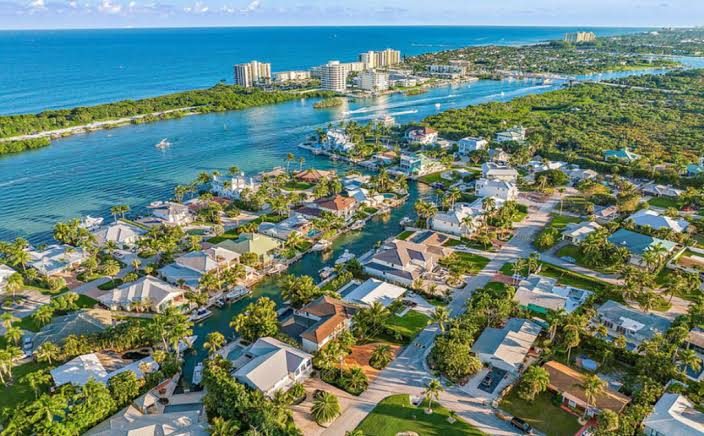
Is Lake Park a Good Place to Live? Honest 2026 Review
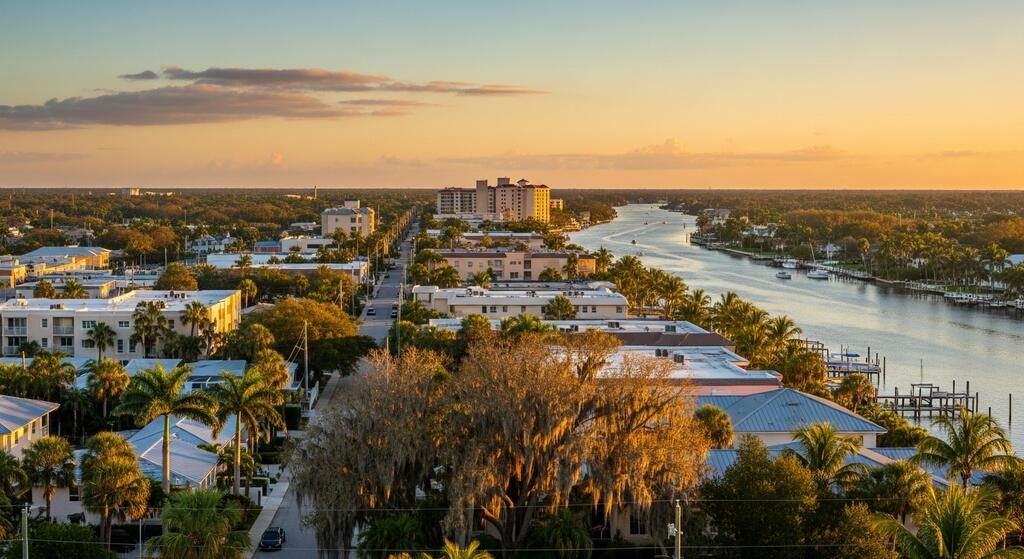
Is Lake Park a Good Place to Live? Honest 2026 Review, Straight Answer First
Yes, Lake Park is a good place to live in 2026, with a real caveat. It’s a good place to live if you want authentic Old Florida character, water access, and a price point that’s still 20 to 30 percent below its neighbors to the north. It’s not the right pick if you’re relocating with school-age kids who need a top-rated zoned school, or if you want a finished, cookie-cutter neighborhood where every block looks the same. Lake Park is a town in transition, and that transition is exactly what makes it interesting.
I’ve walked buyers through Lake Park who fall into two camps: the ones who see a half-renovated 1940s cottage two blocks from Kelsey Park and get excited about the upside, and the ones who see the same block and worry about the house three doors down that hasn’t been touched since 1985. Both reactions are correct. That’s the honest picture of Lake Park right now, and it’s why this review exists instead of another generic “hidden gem” post.
I’ve had this conversation more than once with a buyer standing on a sidewalk in Old Town, phone out, pulling up comps in real time. One couple relocating from Chicago last spring wanted exactly what Lake Park offers, a walkable grid, real architecture, water nearby, and a price they could still make work without stretching into jumbo loan territory. Another buyer, a family with two kids headed into third and fifth grade, walked the same three blocks and asked me a very different question: where’s the closest A-rated elementary, and how far is the drive. Same town, two completely different verdicts. That’s the lens to bring into this whole review.
Where Lake Park Actually Sits on the Map
Lake Park is a small, incorporated town in northern Palm Beach County, sandwiched between West Palm Beach to the south and North Palm Beach and Palm Beach Gardens to the north and west. It sits directly on the Lake Worth Lagoon, across the Intracoastal from Singer Island, and it’s bisected by US-1 (Federal Highway), Dixie Highway, and the FEC rail line. That geography matters more than most agents explain.
The town splits into a few distinct pockets:
- Old Town Lake Park, east of Dixie Highway toward the water, home to the historic bungalow district and the Park Avenue commercial corridor.
- The Marina district, around the Lake Park Harbor Marina, with condo buildings and direct Intracoastal access.
- West of Dixie Highway toward US-1, which is more mixed, with older rental stock, some industrial and auto-service use, and the areas where you’ll still see the town’s rougher edges.
The town is barely a square mile and a half, which means these pockets sit closer together than buyers expect from the map alone. You can stand on Park Avenue, walk two minutes east, and be looking at the Intracoastal. Walk five minutes west instead, and you cross Dixie Highway into a completely different feel, older rental duplexes, more traffic noise off US-1, and a visibly different maintenance level on the housing stock. That compression is part of what makes Lake Park confusing on a first drive-through and part of why block-by-block due diligence matters more here than in a bigger, more homogenous suburb.
If you’re comparing Lake Park against its neighbors, our West Palm Beach vs Palm Beach Gardens breakdown and the Jupiter vs Palm Beach Gardens comparison are useful reference points, because Lake Park effectively sits in the value gap between those two markets, cheaper than both, smaller than both, and still figuring out its identity.
Housing Stock and Real Prices in Lake Park (2026)
This is where Lake Park earns its “up and coming” label, and where buyers need to slow down and actually look at the individual house, not the zip code average.
Old Florida bungalows and cottages, the heart of the historic district, typically built between the 1920s and 1950s. Original, untouched versions in 2026 run roughly $350,000 to $500,000. Renovated versions, redone kitchens, new roofs, impact windows, run $525,000 to $800,000, and the fully redone ones near Kelsey Park or Park Avenue command the top of that range. I’ve seen buyers walk into two houses on the same block, built the same decade, with a $200,000 gap between them purely because one had a 2023 roof and updated electrical and the other still had the original panel. That gap is the whole story of Lake Park pricing in one example.
Canal and waterfront homes, mostly in the eastern pockets closer to the Intracoastal, run from the high $700,000s into the $1.3 million to $1.5 million range depending on dock access, seawall condition, and square footage. These are the properties driving the most investor and second-home interest right now. Seawall condition specifically is worth its own line item, older seawalls in this part of the county are hitting the age where replacement or reinforcement becomes a real cost, and that cost can run well into six figures depending on linear footage. Ask for the seawall’s age and any engineering reports before you fall in love with the dock.
Condos near the marina, a mix of older low-rise buildings and a handful of newer developments, generally price between $250,000 and $450,000, with waterview or water-access units at the top of that band. HOA dues on these buildings vary widely, some are still reasonable in the $400 to $700 monthly range, others have taken on special assessments as older buildings tackle milestone inspection and structural reserve requirements under Florida’s post-Surfside condo laws. Never skip the HOA financials and reserve study on a Lake Park condo purchase, this is not optional due diligence in 2026. I’ve watched a buyer get three weeks into a contract on a marina-area unit before the reserve study surfaced a pending assessment north of $15,000 per unit. The deal survived, but only because we caught it before closing instead of after.
West of Dixie Highway, smaller, older single-family and duplex product, priced from the $300,000s, which is where most of the town’s rental and starter-home inventory sits. This is also where renovation and flip activity has been heaviest over the past few years. If you’re a first-time buyer stretching for anything east of Dixie, this pocket is worth a serious look, but go in with eyes open about the rental density and the slower pace of the visible revitalization compared to Old Town.
There’s no CDD in Lake Park, it’s an established, incorporated town, not a master-planned community, so you won’t see the CDD debt schedules that come with newer Palm Beach County developments further west. Property taxes are set by the Town of Lake Park plus Palm Beach County millage, and they run in line with older, established towns rather than the newer development premium you’d see in places like Westlake. Homestead exemption and the Save Our Homes cap apply the same way they do anywhere else in the county, which matters if you’re comparing your future tax bill against a newer build where the non-homesteaded first-year taxes can run noticeably higher. For a full breakdown of pricing trends by segment, our Lake Park Real Estate Market 2026 guide goes deeper on the numbers block by block.
Old Town Lake Park and the Park Avenue Revitalization
This is the story that’s actually changing the town, and it’s the reason Lake Park shows up on more relocation shortlists every year.
Park Avenue, the town’s main commercial spine in Old Town, has gone from mostly vacant storefronts a decade ago to a genuine small-town corridor with breweries, restaurants, and independent shops opening steadily. It’s not Atlantic Avenue in Delray Beach, and it’s not trying to be, it’s smaller, rawer, and still filling in. But the direction is clear: more foot traffic, more weekend activity, more reason for people to walk instead of drive. New tenants have been leasing storefronts that sat dark for years, and the town has actively courted small food and beverage concepts rather than chains, which keeps the corridor feeling local instead of manufactured.
Kelsey Park anchors the residential side of Old Town, 35 acres with sports fields, a splash pad, and shaded walking paths, and it’s the single biggest reason families cite when they say they like living in Lake Park. The Lake Park Harbor Marina adds boat slips, a boat ramp, and direct water access that you’d pay a real premium for in North Palm Beach or Palm Beach Gardens. On weekends, you’ll see a genuine mix of longtime residents and newer buyers at the marina, at the park, and along Park Avenue, which is a decent real-world signal that the revitalization isn’t just cosmetic marketing.
What buyers need to understand: this revitalization is real, but it’s uneven. Walk two blocks off Park Avenue in either direction and the story changes depending on the block. That unevenness is precisely why prices are still below the neighboring towns, you’re buying into a transition, not a finished product. The town government has leaned into this direction with streetscape improvements and code enforcement pushes in Old Town specifically, which is worth knowing if you’re trying to gauge whether the momentum is likely to continue or stall. Momentum in a town this size can shift quickly with even a handful of new investments, but it can also stall if the pipeline of reinvestment slows, so treat any five-year appreciation projection with some healthy skepticism and base your decision on what’s on the ground today.
Schools, Safety, and What Nobody Tells You
Here’s the part most listings skip.
Schools. Lake Park’s zoned public schools are not the draw. Families who prioritize school ratings above everything else typically end up looking further west or north into Palm Beach Gardens or Jupiter for that reason, and it’s worth reading our Best Palm Beach County Suburbs for Families comparison before you commit if a top-rated zoned elementary is non-negotiable for you. Some Lake Park families use magnet, charter, or private school options in neighboring towns instead of the zoned assignment, which is common practice across this part of the county and worth factoring into your commute planning, not just your school planning. I generally tell relocating families to run the actual school assignment for the specific parcel they’re considering, not the town in general, since school boundary lines in Palm Beach County don’t always follow municipal lines and can shift year to year.
Safety. This is the honest part. Old Town, the marina district, and the immediate area around Kelsey Park have gotten noticeably safer and more active as revitalization has progressed. The pockets west of Dixie Highway, closer to US-1, still see more calls for service than the eastern half of town. This isn’t unique to Lake Park, most small Palm Beach County towns undergoing gentrification have this exact split, but too many buyers get sold on the marina and Park Avenue vibe without walking the block they’re actually purchasing on. Drive it at night. Drive it on a weekday afternoon. Don’t rely on a single Sunday showing. If you want a data point beyond your own eyes, pull the Town of Lake Park Public Safety Department’s published crime statistics and compare them block group by block group rather than trusting a single townwide number, which tends to smooth over exactly the variation that matters most to your decision.
Who Lake Park Is Right For (and Who Isn’t)
Right for:
- Buyers and renovators who want a real fixer-upper or value-add opportunity within 10 minutes of the Intracoastal.
- Boaters who want marina access without paying North Palm Beach or Palm Beach Shores prices.
- First-time buyers priced out of Palm Beach Gardens, North Palm Beach, or Northwood who still want walkability and character.
- Anyone who wants small-town scale, you can walk from a residential block to a restaurant on Park Avenue in five minutes, which is rare this close to the water in Palm Beach County.
- Investors targeting rental or flip product in a market that’s still appreciating off a lower base.
- Remote workers and empty nesters who value walkability and water access more than square footage or a finished, master-planned feel.
Not right for:
- Families whose top priority is a highly rated zoned public school.
- Buyers who want a finished, uniform neighborhood with no visible transition happening around them.
- Anyone unwilling to do their own walking, driving, and due diligence block by block rather than trusting the zip code’s reputation.
- Buyers who need HOA-managed amenities like a clubhouse or resort-style pool as part of the deal, Lake Park’s amenities are public and civic, not private community perks.
Getting Around: Commute, I-95, and the Airport
Lake Park’s location is genuinely convenient. US-1 and Dixie Highway run through town, I-95 has an on-ramp within a few minutes via 10th Street or Northlake Boulevard, and Palm Beach International Airport is roughly a 15 to 20 minute drive depending on traffic. Downtown West Palm Beach and CityPlace are 15 minutes south, Palm Beach Gardens Mall and Downtown at the Gardens are 10 to 15 minutes north. The Tri-Rail and Brightline stations in West Palm Beach are within a short drive as well, which matters if you’re commuting to Miami or Fort Lauderdale for work rather than staying local.
For buyers commuting daily into downtown West Palm Beach for work, Lake Park is genuinely one of the shorter, more predictable commutes in northern Palm Beach County, especially compared to buyers coming from further out in Jupiter or western Palm Beach Gardens who are contending with longer stretches of I-95 or Northlake Boulevard traffic every morning. That shorter commute is part of the value proposition even for buyers who never set foot on Park Avenue.
This central position is part of why Lake Park keeps showing up in relocation searches even from buyers who end up purchasing somewhere else, it’s a useful benchmark for location even when the housing stock or schools push them north or south.
Lake Park vs Its Neighbors
Lake Park vs North Palm Beach: North Palm Beach is more established, more expensive, and more uniform, with better zoned schools and a country club, golf-course feel. Lake Park is cheaper, rawer, and still filling in. If your budget tops out where North Palm Beach starts, Lake Park is often the honest alternative rather than stretching into a smaller or older North Palm Beach product just for the zip code.
Lake Park vs Palm Beach Gardens: Palm Beach Gardens offers newer construction, HOA-governed master-planned communities, and top-tier retail at the Gardens Mall, but at a real price premium and with less walkable, historic character. If you’re weighing the two directly, the West Palm Beach vs Palm Beach Gardens piece covers the tradeoffs in more detail, and much of that logic applies when Lake Park is the third option in your search.
Lake Park vs West Palm Beach (Northwood/El Cid): Northwood Village in West Palm Beach is the closest comparison in terms of “historic bungalow neighborhood mid-revitalization.” Lake Park is generally a step cheaper still, with more water access via the marina, but less immediate downtown energy than Northwood’s proximity to CityPlace and the West Palm waterfront. Buyers who want walkable urban energy day to day tend to lean Northwood, buyers who want a quieter, more small-town feel with water nearby tend to lean Lake Park.
What Buyers Need to Know Before Purchasing
- Inspect for age-related issues, not just cosmetics. Many Lake Park homes are 70 to 100 years old. Budget for roof age, electrical panel updates (older homes may still have federal pacific or fuse panels), plumbing (cast iron or clay in some cases), and wind mitigation upgrades that affect your insurance premium.
- Get wind mitigation and 4-point inspections early. Florida insurers require these for older homes, and the results directly affect what you’ll pay for coverage, sometimes by thousands of dollars a year.
- Check flood zone and elevation. Given the proximity to the Lake Worth Lagoon, flood insurance requirements and costs vary block by block. Don’t assume, pull the FEMA flood map for the specific parcel.
- Review condo financials line by line if you’re buying near the marina. Post-Surfside reserve requirements have triggered special assessments in older buildings across Palm Beach County, and Lake Park is not exempt.
- Walk the block at different times of day. This is the single most useful, and most skipped, step for any Lake Park purchase.
- Confirm your actual commute, not the Google Maps estimate at noon. US-1 and Northlake Boulevard traffic at 8am looks very different than it does at 2pm.
- Ask about seawall age and condition on any waterfront or canal property. Replacement costs are significant, and a failing seawall isn’t always visible from a standard showing.
- Get a survey and title search that confirms lot lines and any easements, older platted towns like Lake Park sometimes carry legacy easements or setback quirks that newer developments don’t.
For a step-by-step version of this checklist tailored specifically to Lake Park closings, our Buyer’s Guide to Lake Park walks through financing, inspection timelines, and negotiation specifics.
The Bottom Line
Lake Park earns a genuine yes for the right buyer. You’re getting water access, walkable small-town character, and real price upside that’s already priced out of North Palm Beach and Palm Beach Gardens. What you’re not getting, at least not yet, is a finished product. Every block still requires you to look closely, not just trust the marketing around Park Avenue’s revival.
If you want character and are willing to do the legwork, Lake Park is one of the better value plays left in coastal Palm Beach County in 2026. If you need everything finished and guaranteed before you sign, look a few miles north instead.
Want the block-by-block rundown for a specific street in Lake Park, or a side-by-side comparison against a neighboring suburb you’re also considering? Message me with the street name or the two towns you’re deciding between, and I’ll give you the honest read, not the listing description.
More articles you might like
Lake Park, FL Real Estate Market 2026: Prices, Trends & What Buyers Should Expect
13 min readBuyer's Guide to Lake Park, FL: What to Know Before You Purchase
18 min read
Is Westlake a Good Place to Live? Honest 2026 Review
13 min read
Is West Palm Beach a Good Place to Live? An Honest 2026 Review
18 min read
Is Wellington, Florida a Good Place to Live? Honest 2026 Review
18 min read