Buyer's Guide to Lake Park, FL: What to Know Before You Purchase
Here is the revised draft, expanded to meet the length and depth bar while staying in Stanley’s voice and keeping every heading, link, and no dash rule intact.
If you are putting together a buyer’s guide to Lake Park, FL, what to know before you purchase, here is the answer up front: Lake Park is one of the last true “Old Florida” towns left in Palm Beach County, and buying here means buying character, location, and a walkable downtown over builder warranties and cookie-cutter floor plans. You are not comparing it to a new construction community. You are comparing it to a 1940s-1960s bungalow town that sits on the Intracoastal Waterway, five minutes from Palm Beach Gardens and ten minutes from downtown West Palm Beach, where most of the housing stock predates modern building codes. That changes what you need to check before you sign a contract.
This guide breaks down what things actually cost, what your money buys block by block, why new construction is scarce here, and the due diligence checklist that matters more in Lake Park than it does in a newer community twenty minutes west. If you are the kind of buyer who wants a builder rep to walk you through a model home, read this whole guide first. It will save you a wasted weekend of showings.
Buyer’s Guide to Lake Park, FL: What to Know Before You Purchase
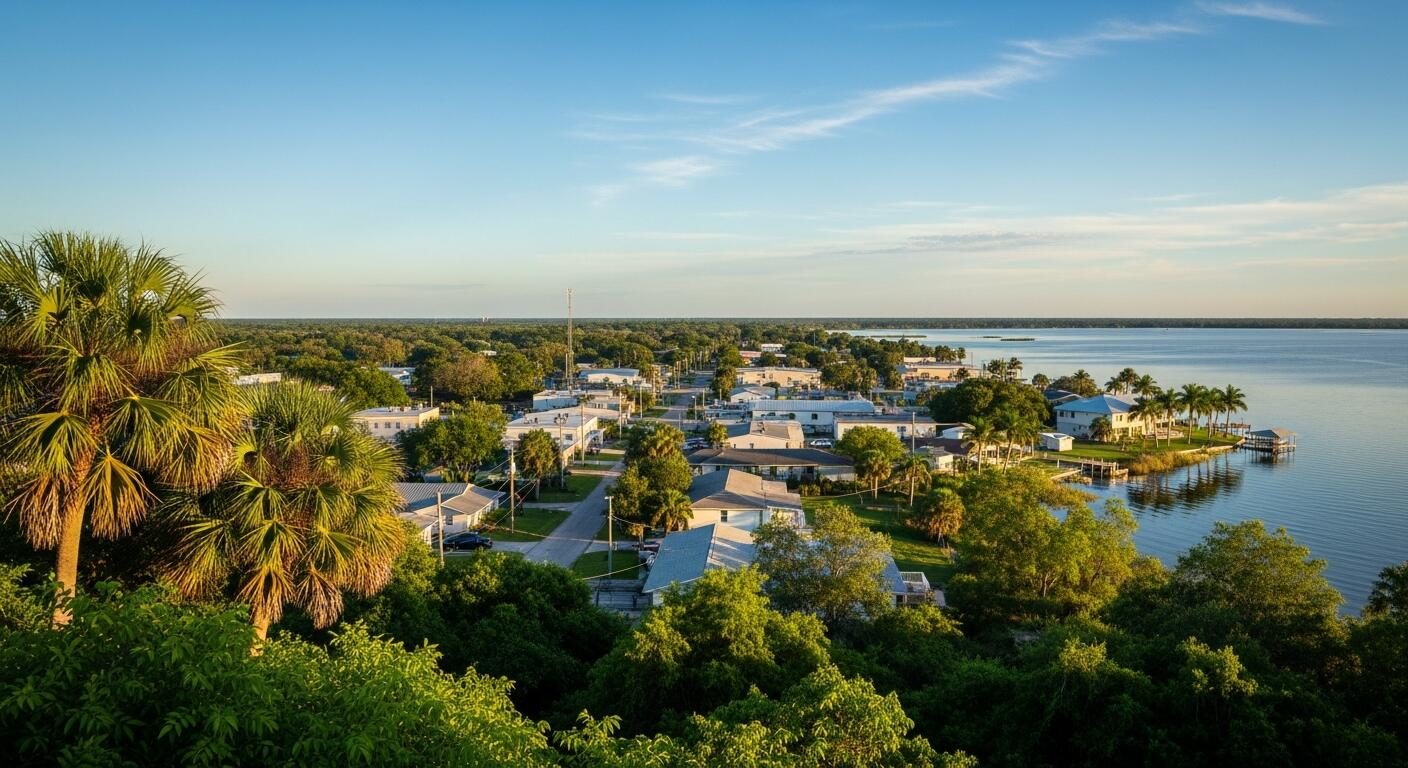
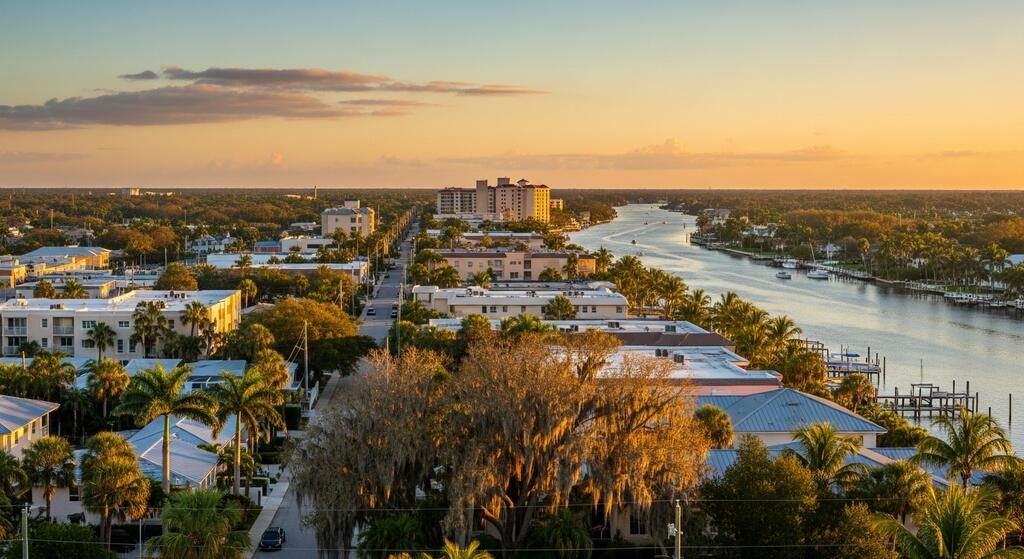
Lake Park sits in northern Palm Beach County, wedged between North Palm Beach to the south and Riviera Beach to the north, with US Highway 1 running straight through its downtown corridor. It was incorporated in 1923 as Kelsey City, making it one of the oldest municipalities in the county, and that history is visible in the architecture. You will see Mediterranean Revival homes, small concrete block bungalows, and mid-century ranch houses on streets laid out long before zoning required modern setbacks or hurricane-rated construction.
That matters for a buyer because Lake Park’s housing stock is fundamentally different from what you will find in the newer suburbs of Palm Beach County. There is no large master-planned community here with a builder sales office and a menu of floor plans. Instead, you are buying an existing structure, often 50 to 80 years old, in a location that has become increasingly desirable as Park Avenue redevelops with restaurants, breweries, and small shops, and as buyers get priced out of Palm Beach Gardens and North Palm Beach.
Location is a big part of the pitch, so get specific about what it actually buys you. You are roughly 15 to 20 minutes from Palm Beach International Airport, a short drive over the Blue Heron Boulevard bridge to Riviera Beach and Singer Island’s public beach access, and close enough to I-95 that a commute to downtown West Palm Beach or even Boca Raton is realistic for a daily driver. The town also owns and operates Lake Park Harbor Marina on the Intracoastal, which matters if boating access, not just water views, is part of why you are looking here.
Related reading if you are still comparing towns: our Lake Park, FL Real Estate Market 2026 breakdown covers pricing trends in more depth, and our honest review of Lake Park covers the tradeoffs of daily life here without the sales pitch.
What Kind of Town You’re Actually Buying Into
Before you look at a single listing, understand the shape of the town. Lake Park is small, roughly 2.6 square miles, and it is built around a few distinct zones:
The Old Florida core, west of US-1 and around Park Avenue, where the bungalow and cottage streets sit on small lots, often 5,000 to 7,000 square feet, with mature oak canopy and sidewalks. This is the walkable part of town, close to the shops and restaurants that have opened over the last several years.
The waterfront and canal streets, east of US-1 toward the Intracoastal, where you find larger lots, some with dockage, and homes that skew newer or more heavily renovated because waterfront land here has been worth rebuilding on for years.
The US-1 corridor itself, which is in active redevelopment. Older strip retail and small apartment buildings are being replaced or renovated as the town leans into its emerging reputation as a walkable, coastal alternative to pricier North Palm Beach.
Kelsey Park and the neighborhoods around it, a large green space with a lake, playground, and sports fields that anchors the more affordable interior streets of town.
Knowing which of these four zones a listing sits in tells you almost everything about price, lot size, and what kind of renovation history to expect. It also tells you something practical that most out-of-town buyers miss: lot lines and setbacks in Lake Park were platted under old Kelsey City rules, not modern county code, so two houses on the same block can sit at noticeably different distances from the street. Do not assume a driveway, fence line, or shed sits where a satellite photo suggests. Pull the actual survey.
Price Ranges and What Your Money Actually Buys
Lake Park price points vary more block to block than in newer communities, because age and renovation status swing value more than square footage alone. Here is roughly what buyers should expect walking in:
Mid $300ks to low $400ks: Small, unrenovated or partially renovated bungalows and ranch homes, typically 2 bedrooms, 1 to 2 bathrooms, 900 to 1,300 square feet, on the interior streets away from the water. These are the entry point into Lake Park and often need work: roof, kitchen, bathrooms, sometimes electrical. On a per-square-foot basis this can look like a discount compared to Palm Beach Gardens, but factor in what you will spend in year one to bring the systems current before you treat the sticker price as the real cost of ownership.
$500k to $700k: Updated homes in the Old Florida core, closer to Park Avenue, with newer roofs, renovated kitchens, and impact windows. This is where most owner-occupant buyers land, trading a smaller lot for walkability and a move-in ready house. Expect competition on anything in this band that has been fully repiped and rewired, because buyers who have already been burned by an insurance denial on an older system know to move fast on the ones that are clean.
$700k to $1.2 million: Larger lots, canal frontage without direct Intracoastal access, or homes that have been substantially rebuilt or expanded. Expect 3 to 4 bedrooms, 1,800 to 2,500 square feet, and meaningfully more outdoor space.
$1.2 million and up: Direct Intracoastal or wide canal access with dockage, larger custom or rebuilt homes, and the closest thing Lake Park has to luxury new construction, which in practice means a recent teardown rebuild rather than a builder community product.
Condos exist along the waterfront too, generally older buildings from the 1970s and 1980s with lower HOA dues than you would find in a newer high-rise, but budget for special assessments given the building ages, particularly with Florida’s post-Surfside condo inspection and reserve requirements now in effect statewide.
One more cost line buyers routinely underestimate: property taxes reset at purchase price, not at the prior owner’s assessed value. A homesteaded owner who bought a bungalow for $180,000 fifteen years ago is paying taxes on a fraction of what a new buyer will pay after a $550,000 purchase. Run the actual millage math for the Town of Lake Park before you finalize a monthly payment estimate, and do not assume the tax line on the listing sheet is what you will actually owe.
New Construction and Renovation Options in Lake Park
Here is the honest answer most buyers do not get up front: Lake Park does not have meaningful new construction inventory. This is a built-out, historic town. There is no Lennar, DiVosta, or Toll Brothers community with a sales office and active phases here, the way there is in newer master-planned areas of the county.
What “new” looks like in Lake Park instead:
Teardown rebuilds. Small builders and investors buy an older lot, demolish the existing structure, and build a single new home to current hurricane code. These show up scattered through the neighborhood rather than in a subdivision, and pricing runs well above the neighborhood average because you are paying for modern construction, impact glass, and code compliance built into a legacy lot. Realistically, a full teardown rebuild in Lake Park lands well north of what an equivalent renovated bungalow costs, because you are paying for both the land and ground-up construction pricing in a market where labor and materials have not gotten cheaper.
Spec renovations. More common than ground-up rebuilds. An investor buys a dated bungalow, guts it, and resells with a new roof, kitchen, bathrooms, and updated electrical and plumbing, while keeping the original block shell. These carry the character of the neighborhood with fewer of the maintenance headaches of a truly original 1950s house. The tell on a genuine spec renovation versus a cosmetic flip is what is behind the walls. Ask for permit records on the electrical panel and plumbing, not just the listing photos of the new kitchen.
Small infill townhome or duplex projects. A handful of small multi-unit projects have gone up near the US-1 corridor as the town’s redevelopment continues, but this is boutique-scale building, a handful of units at a time, not the hundreds-of-homes phasing you see in western Palm Beach County.
If a builder-community new construction experience, with a defined floor plan, builder warranty, and phased HOA, is what you actually want, you will have far more options looking west. Westlake is the clearest comparison point in this part of the county: read our Westlake, FL Real Estate Market 2026 overview and our Buyer’s Guide to Westlake if a master-planned new build is genuinely what you are after, and our honest review of Westlake for the tradeoffs of that town versus a place like Lake Park. If you want to see what a large-scale new construction guide actually looks like when a major builder is active, our Agave Boca new construction guide is a useful reference for comparison, even though it is a different market further south.
Neighborhoods and Pockets to Know
Old Florida / Park Avenue core: The most walkable stretch, close to the growing restaurant and shop scene. Best for buyers who want to leave the car parked most weekends. This is also the pocket where redevelopment has moved fastest, so expect renovation activity and construction traffic on the blocks immediately around Park Avenue itself.
Kelsey Park area: Family-friendly, anchored by the park’s lake and fields, generally more affordable than the waterfront streets, and a good entry point for buyers priced out of North Palm Beach. If you have young kids and want a yard where they can actually play without you driving to a park every afternoon, this is the pocket to start your search in.
Canal and Intracoastal streets: Where boaters and buyers chasing water access concentrate. Expect a real premium for dockage and direct access, and expect older seawalls that need inspection. Buyers coming from a newer waterfront community further south are sometimes surprised that dock permitting and seawall maintenance here fall on the homeowner directly, with no HOA absorbing any of it.
US-1 corridor: Watch this closely over the next few years. Redevelopment here is changing the character of the town block by block, which is good for long-term appreciation but means construction noise and shifting retail mix in the near term. If you are buying for a five to ten year hold, this corridor is worth watching closely because it is where most of the town’s future commercial identity is being decided right now.
Schools and Family Considerations
Lake Park falls within the School District of Palm Beach County, and most of the town is zoned to Lake Park Elementary, John F. Kennedy Middle School, and William T. Dwyer High School over in Palm Beach Gardens. Always confirm zoning for a specific address directly with the district before you write an offer, since boundary lines can shift and some blocks near the edge of town may zone differently than you expect. Families relocating from out of state and comparing Lake Park to Palm Beach Gardens or Jupiter for school reputation alone should treat that comparison carefully. Palm Beach Gardens and Jupiter have more consistent name recognition among relocation buyers, while Lake Park’s appeal leans harder on walkability, water access, and price relative to its immediate neighbors, not on school marketing.
Three Buyer Scenarios Worth Knowing
The young couple buying their first home. Priced out of North Palm Beach and unwilling to commute an extra 25 minutes from communities further west, they land on a $420,000 two bedroom bungalow near Kelsey Park that needs a new roof and a kitchen refresh but has updated electrical. They budget the renovation into their offer price rather than treating the home as move-in ready, and they walk into ownership with their eyes open instead of finding out about the wiring during their first insurance renewal.
The boater chasing dockage without Jupiter or Palm Beach Gardens pricing. He wants direct water access without paying $2 million-plus for it further south. He lands on a $950,000 canal home with an older seawall, gets it inspected separately from the general home inspection, negotiates a credit for the repair, and closes with a clear repair timeline instead of an open-ended unknown.
The investor doing a spec renovation. She buys a dated 1950s block home below the neighborhood average, pulls permits for a full electrical and plumbing upgrade, keeps the original shell, and resells six to nine months later into the $500k to $700k band where most owner-occupant demand actually sits. This is the model that has driven most of what “new” means in Lake Park over the last several years, and understanding it helps a buyer read a renovated listing correctly instead of assuming it is a ground-up new build.
The Due Diligence Checklist Before You Buy in Lake Park
This is the section that matters most, because Lake Park’s housing stock is old enough that standard due diligence is not optional. Work through this before you go hard on inspection contingencies:
1. Roof age and permit history. Many homes have been re-roofed at some point, but confirm the permit exists with the Town of Lake Park building department. An unpermitted roof can complicate insurance and resale. Pull the permit card yourself rather than relying on the seller’s disclosure, since disclosure forms are only as accurate as what the current owner remembers or chooses to share.
2. Electrical system. Homes from the 1950s and 1960s sometimes still have aluminum wiring or outdated panels. Insurance carriers increasingly require an electrical inspection or upgrade before binding a policy on older homes. Confirm panel amperage and wiring type before waiving your inspection period. A 60-amp panel or aluminum branch wiring is a common reason a policy gets declined outright, not just priced higher.
3. Plumbing. Ask specifically whether the home has original cast iron or galvanized supply lines, or whether it has been repiped. Older pipe systems are a common source of post-closing surprises and insurance pushback. A camera scope of the cast iron drain line under the slab is worth the few hundred dollars it costs, because a collapsed section under a 70-year-old slab is not something a general home inspector can see or evaluate.
4. Four-point inspection. For any home over roughly 30 to 40 years old, expect your insurer to require a four-point inspection covering roof, electrical, plumbing, and HVAC before issuing a policy. Get this done during your inspection period, not after, so you know your real insurance cost before you are locked into the contract.
5. Flood zone and elevation certificate. Lake Park’s proximity to the Intracoastal means flood zone designation varies street by street. Pull the FEMA flood zone for the specific parcel and request an elevation certificate if one exists, since it directly affects your flood insurance premium.
6. Seawall condition, for waterfront parcels. If the home has canal or Intracoastal frontage, get the seawall inspected separately from the general home inspection. Seawall replacement runs into the tens of thousands of dollars and is not something a standard inspector will fully evaluate.
7. Permitted square footage and additions. Older homes in Lake Park sometimes have additions, converted garages, or enclosed porches that were never permitted. Check the Palm Beach County Property Appraiser’s record against what you are actually walking through, and confirm with the town that any added square footage is legal and permitted.
8. Septic versus sewer. Confirm which utility serves the specific parcel. Most of Lake Park is on public sewer, but older pockets and some larger lots may still rely on septic, which changes both your due diligence and your long-term maintenance costs.
9. Wind mitigation and hurricane-rated openings. Even if the roof is newer, older homes often mix impact windows on the front elevation with original single-pane windows in back, installed only where a prior owner cared or could afford it. A partial upgrade will not get you the full wind mitigation credit, so have your inspector document window and door ratings room by room rather than taking the listing’s “impact windows” claim at face value.
HOA, Flood Zone, and Insurance Reality
One real advantage of Lake Park versus a newer planned community: most of its single-family neighborhoods carry no HOA at all. There is no CDD debt baked into your tax bill either, the kind you would see in a newer master-planned community further west. That means lower fixed monthly costs, but it also means there is no community-wide reserve fund covering things like landscaping, gates, or shared amenities. Whatever your street looks like is what you are responsible for.
Where HOAs do exist, mainly in condo buildings along the water and in a few newer townhome projects, budget carefully. Florida’s post-Surfside structural reserve requirements have pushed many older condo associations into large special assessments over the past few years, so ask for the association’s most recent reserve study and milestone inspection report before you get too far into a condo purchase here.
Insurance is the other real cost variable. Older homes, proximity to the Intracoastal, and Palm Beach County’s coastal wind exposure all push premiums higher than what you might see on a new construction home twenty minutes inland. Get an actual insurance quote during your inspection period, not an estimate, because Lake Park premiums can vary significantly based on roof age, wiring, and flood zone in ways that a generic online calculator will not catch. If your agent or lender’s ballpark quote comes back low, ask whether it assumes a wind mitigation credit the home does not actually qualify for. That is the single most common reason a buyer’s real first-year premium comes in higher than what they budgeted at contract.
Who Lake Park Is Actually Right For
Lake Park makes sense if you want a walkable downtown, genuine architectural character, and Intracoastal proximity, and you are willing to take on an older home with a clear-eyed renovation budget. It is a strong fit for buyers who were priced out of North Palm Beach or Palm Beach Gardens but still want that same coastal, established-town feel rather than a newer suburb further west. It is also a reasonable fit for buyers comparing it against other Old Florida-style towns like Lake Worth Beach further south, since both trade builder-fresh construction for walkability, character, and a lower entry price than their immediate coastal neighbors.
It is not the right fit if you want a warrantied new build, a defined HOA-managed amenity package, or a floor plan you can pick off a builder’s website. For that experience, you are better served looking at communities further west or comparing towns directly, such as our breakdown of West Palm Beach vs Palm Beach Gardens or Jupiter vs Palm Beach Gardens, or our roundup of the best Palm Beach County suburbs for relocating families if you are still narrowing down a town.
The Bottom Line
Buying in Lake Park means buying an older home in a town whose value is tied to its walkability, its Intracoastal location, and its ongoing redevelopment, not to a builder’s warranty or a fresh subdivision. Get the four-point inspection done early, confirm the flood zone and any seawall condition before you fall in love with a listing, and budget insurance realistically based on the home’s actual age and systems, not a guess. Treat the renovation history, the permit record, and the wiring behind the walls as seriously as you treat the price per square foot, because in Lake Park those are the numbers that actually determine what you own.
If you are weighing Lake Park against another Palm Beach County town, or want a second read on the actual numbers behind current listings, message me directly and tell me what you are trying to solve for, whether that is walkability, water access, or budget, and I will pull the real comparables for you.
Watch: learn more
Go deeper with my South Florida Insider videos.
Solterra: Everything You Need to Know Before You Visit
Solterra: Everything You Need to Know Before You Visit
More articles you might like
Lake Park, FL Real Estate Market 2026: Prices, Trends & What Buyers Should Expect
13 min readIs Lake Park a Good Place to Live? Honest 2026 Review
16 min read
Buyer's Guide to Westlake, FL: What to Know Before You Purchase
13 min read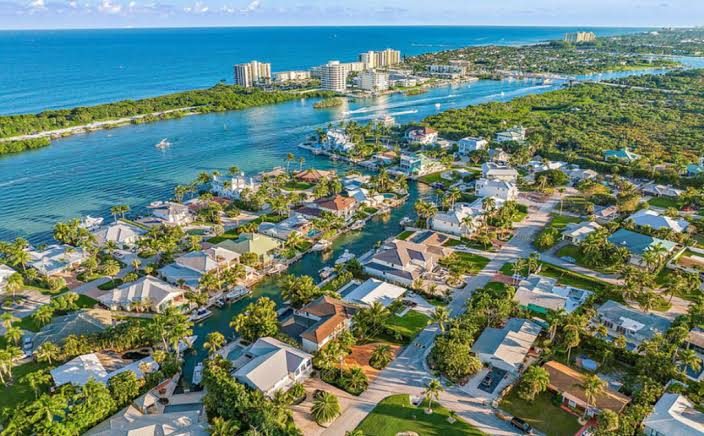
Buyer's Guide to Tequesta, FL: What to Know Before You Purchase
18 min read
Buyer's Guide to South Palm Beach, FL: What to Know Before You Purchase
19 min read