Is Juno Beach a Good Place to Live? Honest 2026 Review

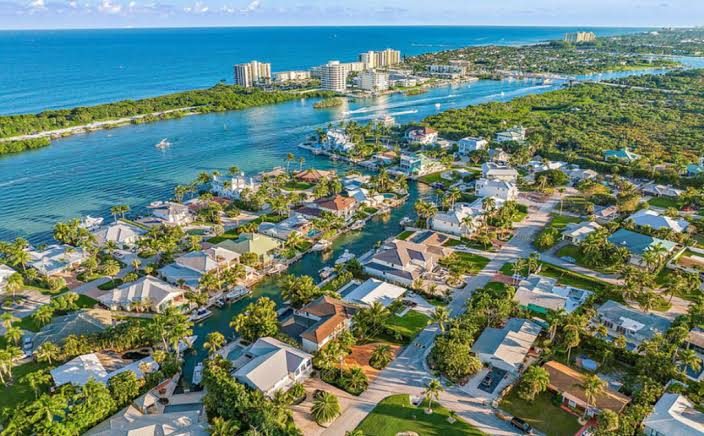
Juno Beach is a good place to live if what you want is a small, low-rise beach town with easy access to Palm Beach Gardens and Jupiter, strong schools, and a slower pace than most of the coast between West Palm Beach and Stuart. It is not a good fit if you’re looking for new construction inventory, a big yard, or anything close to an affordable price point. That’s the honest version. Here’s the full breakdown.
Is Juno Beach a Good Place to Live? Honest 2026 Review
Juno Beach sits on a narrow strip of coastline in northern Palm Beach County, sandwiched between Palm Beach Gardens to the west and Jupiter to the north. It’s a town of roughly 3,600 year-round residents, which tells you most of what you need to know before you get into the details: this is not a place with a lot of turnover, a lot of new subdivisions, or a lot of noise. It’s a place people move to and stay in.
The town has held onto that character on purpose. Juno Beach has long enforced strict low-rise building limits, capping most structures at a handful of stories to preserve ocean views and keep the skyline from turning into Singer Island or Sunny Isles. That’s the single biggest reason the market behaves the way it does here. Land is scarce, height is capped, and demand from people who want to live within walking distance of the ocean without living in a high-rise tower has been steady for decades. Scarcity plus demand equals price. If you’re doing real research before you buy, read this alongside our deeper Juno Beach, FL Real Estate Market 2026: Prices, Trends & What Buyers Should Expect, which breaks down the numbers block by block.
Who Juno Beach Is Actually Right For
Empty nesters and retirees who want beach access without high-rise living. Juno Beach’s housing stock skews toward single-family homes and low-rise condos, not the 20-story towers you’ll find in West Palm Beach or Singer Island. If the appeal of coastal Florida is walking to the sand, not living above it in a glass tower, this town delivers that specifically.
Remote and hybrid professionals who need quiet more than nightlife. There’s no downtown entertainment district here. US Highway 1 runs the length of the town with strip retail, medical offices, and a scattering of restaurants, but Juno Beach isn’t trying to be a destination. People who want that energy drive fifteen minutes to Palm Beach Gardens or Jupiter.
Families who prioritize school zoning over walkability to shops. Juno Beach kids are zoned into strong Palm Beach County schools, and the town’s residential streets are genuinely quiet, which matters more to a lot of families than proximity to a Trader Joe’s.
Buyers who already know they want this specific stretch of coast. This is not a town people discover by accident. Almost everyone who buys here has already ruled out Jupiter, Palm Beach Gardens, and West Palm Beach for specific reasons: less traffic, more privacy, a smaller footprint. If you’re still comparing those options, our Jupiter vs Palm Beach Gardens: A Relocator’s Real Comparison for 2026 and West Palm Beach vs Palm Beach Gardens: City Energy or Suburban Comfort? are worth reading before you narrow in on Juno Beach specifically.
Who Juno Beach Is Wrong For
Be honest with yourself about these before you fall in love with the pier views.
Buyers who need new construction. There is very little raw land left in Juno Beach, and what’s left is expensive and contested. Most of what’s “new” here is a redevelopment or a boutique condo project replacing something older, not a masterplanned community with builder incentives and fresh floor plans. If new construction is the priority, you’ll find far more volume (and far more competitive pricing) in Palm Beach Gardens, Jupiter, or communities further west like Westlake. Our Westlake, FL Real Estate Market 2026 and Is Westlake a Good Place to Live? Honest 2026 Review cover the other end of that spectrum: brand-new inventory, CDD fees, and a completely different lifestyle further inland.
First-time buyers on a tight budget. There isn’t a starter-home tier in Juno Beach. The entry point for single-family homes sits in the mid-$700,000s and climbs quickly from there, and that’s before you get anywhere near the water.
Buyers who want a big yard and a two-car garage on a quarter-acre lot. Lots here are small by South Florida suburban standards. You’re paying for location, not land.
Anyone who wants a lively downtown corridor with walkable restaurants and shops. That’s Delray Beach, Downtown West Palm, or Abacoa in Jupiter. Juno Beach doesn’t try to compete on that front, and it shouldn’t have to.
Housing Market and Prices in 2026
Here’s what buyers are actually working with right now:
Single-family homes in Juno Beach generally run from the $700,000s for older, smaller homes on the west side of US-1, up past $2 million for anything with direct or near-direct ocean proximity. Homes closer to the Intracoastal or with deeded beach access command a real premium over comparable square footage a mile inland.
Condos are where most of the newer inventory sits. A recent example worth understanding even if you’re not buying pre-construction: Caretta Juno Beach, designed by Hartshorne Plunkard Architecture, is a boutique oceanfront condo project with 10-foot ceilings, chef’s kitchens finished with Wolf gas ranges and Sub-Zero refrigeration, and large terraces with built-in grills. Amenities include a rooftop pool and sauna, a dog park, a golf simulator, a fitness center, and an onsite restaurant. Monthly association fees there average around $957, which is a useful benchmark for what “new” costs in this market. That fee isn’t unusual for a full-amenity oceanfront building; it’s the price of admission for elevator maintenance, insurance in a coastal flood zone, staffed amenities, and building reserves.
HOA and condo fees matter more here than in most inland suburbs. Coastal buildings carry higher insurance costs, and Florida’s post-Surfside reserve requirements have pushed monthly fees up across older coastal condo stock statewide, not just in Juno Beach. If you’re looking at a condo built before the 2000s, budget time to review the building’s reserve study and any pending special assessments before you write an offer. This is non-negotiable due diligence on the coast right now, not optional caution.
For a full breakdown of price trends by segment and what’s actually moving versus sitting, go deeper with Juno Beach, FL Real Estate Market 2026: Prices, Trends & What Buyers Should Expect.
Neighborhoods and Housing Stock
Juno Beach doesn’t have the neighborhood-name culture you find in bigger towns like Palm Beach Gardens with its PGA National or Mirasol. It’s smaller and more organic than that, but there are still distinct pockets worth knowing:
West of US-1 is where you’ll find the more affordable single-family stock, mostly built in the 1970s through 1990s, on smaller lots with mature landscaping. This is the entry point for buyers who want the Juno Beach zip code and school zoning without paying oceanfront prices.
East of US-1, toward A1A and the beach, is where prices climb fast. This stretch includes older beach cottages that have been renovated or torn down and rebuilt, along with the low-rise condo buildings that line the coast.
The Intracoastal side offers boating access and a different kind of premium: dock potential, sunset views over the water instead of sunrise views over the ocean, and slightly more privacy from beach traffic.
Because the housing stock here is a mix of decades-old homes and a handful of newer boutique projects, condition varies a lot more than it does in a masterplanned community where every home was built in the same five-year window. Get a real inspection. Don’t assume “coastal Florida” means “recently renovated.”
Schools
Juno Beach residents are zoned into the School District of Palm Beach County, generally feeding into schools shared with parts of Palm Beach Gardens and Jupiter, including Lighthouse Elementary, Howell L. Watkins Middle School, and William T. Dwyer High School (zoning can vary by exact address, so always confirm with the district before you buy). None of these are considered weak schools by county standards, and that zoning is a real driver of demand from families who could technically buy cheaper a few miles west but choose not to.
If school quality across the whole family-relocation picture is your main filter, not just Juno Beach in isolation, our Best Palm Beach County Suburbs for Families Relocating in 2026 is the right companion read. It puts Juno Beach in context against Palm Beach Gardens, Jupiter, and other family-heavy suburbs so you can compare apples to apples.
Commute and Location
This is one of Juno Beach’s strongest arguments. It sits almost exactly between Palm Beach Gardens and Jupiter, which means:
- Downtown at the Gardens and The Mall at Wellington Green-style retail (via PGA Boulevard) is roughly a 10 to 15 minute drive south.
- Abacoa and downtown Jupiter are about 10 minutes north.
- Palm Beach International Airport is roughly 25 to 30 minutes south depending on traffic on I-95 or the Turnpike.
- US-1 and I-95 both run through or near the town, giving you a direct north-south spine without needing to cut through denser commercial corridors.
The tradeoff: there’s no direct highway interchange inside Juno Beach itself, so you’re always driving a few minutes to reach I-95. For most residents that’s a non-issue. For someone commuting daily to Fort Lauderdale or Miami, it’s worth test-driving the route at actual rush hour before you commit, because seasonal traffic (roughly November through April) adds real time to A1A and US-1 both.
Lifestyle, Beaches, and Things to Do
Juno Beach’s identity is built around a handful of specific things, and they’re worth naming because they explain the buyer profile better than any statistic:
The Juno Beach Pier is the town’s actual center of gravity. It’s a fishing pier with a small beachfront park, and it’s where a lot of daily life happens: morning walks, sunrise coffee, weekend fishing.
Loggerhead Marinelife Center is a nationally recognized sea turtle rehabilitation and research facility, and Juno Beach’s stretch of coastline is one of the most active sea turtle nesting areas in the country during nesting season (roughly March through October). That’s not just a nice fact, it’s a real part of local life: turtle-safe lighting ordinances affect what exterior lighting you can install on oceanfront and near-oceanfront properties, so if you’re buying east of A1A, ask about it directly.
The beach itself is less crowded than Jupiter Beach Park or the beaches around Palm Beach Gardens, largely because there’s less parking and less commercial infrastructure pulling in day-trippers. Residents generally see that as a feature, not a bug.
Dining and retail are limited and spread along US-1 rather than concentrated in a walkable core. For a bigger night out, most Juno Beach residents drive to Jupiter’s Harbourside Place or the Gardens Mall area rather than staying local.
The Real Tradeoffs
No honest review skips this part.
Inventory is genuinely limited. In a given month, active listings in Juno Beach are a fraction of what you’ll see in Palm Beach Gardens or Jupiter. That means less negotiating leverage as a buyer and longer search timelines if you have specific must-haves.
Insurance costs are real and rising. Coastal Florida homeowners insurance, particularly for older homes near the water, has climbed sharply in recent years. Get an insurance quote before you go under contract, not after. It has changed how much house people can actually afford here more than any other single factor.
Flood zone and windstorm requirements apply broadly. Much of Juno Beach sits in FEMA flood zones that require flood insurance for financed purchases, and older homes may need updated wind mitigation inspections to get competitive rates.
It’s genuinely quiet, which cuts both ways. If you want energy, events, and walkable nightlife, you will be disappointed. This town is built for people who already know they want calm over convenience.
Limited new construction means limited customization. If you want to pick your own finishes and floor plan, you’re mostly looking at pre-construction condo units like those at Caretta rather than a builder community with dozens of available lots. Compare that to the volume of new-build choice in a place like Westlake, covered in our Buyer’s Guide to Westlake, FL: What to Know Before You Purchase, and the difference in approach becomes obvious fast.
What to Do Before You Buy in Juno Beach
- Get a flood and wind insurance quote before you write an offer, not during your inspection period. It can change your numbers by hundreds of dollars a month.
- Pull the condo association’s financials and reserve study if you’re buying a condo, especially anything built before 2010. Ask directly about pending or recent special assessments.
- Confirm exact school zoning for the specific address, since boundaries can shift block to block near Juno Beach’s edges with Palm Beach Gardens.
- Drive the commute at actual rush hour, both in season (winter) and off season, before assuming the 15-minute estimate holds.
- Ask about exterior lighting restrictions if you’re buying anything east of A1A, given the town’s sea turtle protection ordinances.
- Compare against the neighboring towns directly, not just in theory. If you haven’t ruled out Jupiter or Palm Beach Gardens yet, do that homework first using our comparison guides before you fall in love with one listing in Juno Beach.
For the full purchase-process breakdown, contracts, timelines, and negotiation specifics unique to this town, read the Buyer’s Guide to Juno Beach, FL: What to Know Before You Purchase next.
The Bottom Line
Juno Beach earns its reputation. It’s a small, low-rise beach town that has deliberately avoided the density and vertical growth of its neighbors, and that choice keeps it quiet, keeps school zoning strong, and keeps demand steady among buyers who know exactly what they’re looking for. The honest tradeoff is price and inventory. You’re paying for scarcity, and you’re competing for a small pool of listings in a town that isn’t building much new.
If what you want is oceanfront-adjacent living without a high-rise, a real sense of place built around the pier and the turtles instead of nightlife, and you’ve got the budget and patience to wait for the right listing, Juno Beach is one of the most honest “you get what you pay for” markets in Palm Beach County. If you need new construction, a bigger lot, or a lower entry price, you’ll be better served looking at Palm Beach Gardens, Jupiter, or further west toward communities like Westlake, and that’s not a knock on Juno Beach. It’s just not built for that buyer, and it was never trying to be.
Watch: learn more
Go deeper with my South Florida Insider videos.

The Best Flex-Space Townhome in West Palm Beach: Pulte's Nautical Plan
Inside Everton's Latitude II Model: $458k New Homes In Palm Beach
The Best Flex-Space Townhome in West Palm Beach: Pulte's Nautical Plan
More articles you might like
Juno Beach, FL Real Estate Market 2026: Prices, Trends & What Buyers Should Expect
18 min readBuyer's Guide to Juno Beach, FL: What to Know Before You Purchase
18 min read
Is Westlake a Good Place to Live? Honest 2026 Review
13 min read
Is West Palm Beach a Good Place to Live? An Honest 2026 Review
18 min read
Is Wellington, Florida a Good Place to Live? Honest 2026 Review
18 min read