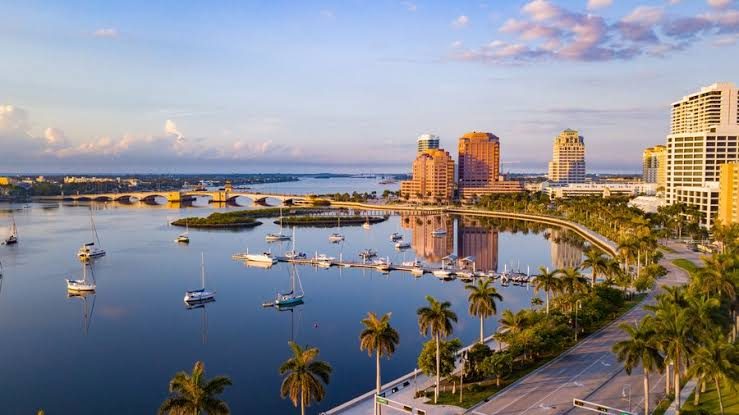
Buyer's Guide to Juno Beach, FL: What to Know Before You Purchase

Buyer’s Guide to Juno Beach, FL: What to Know Before You Purchase
If you are putting together a buyer’s guide to Juno Beach, FL, what to know before you purchase comes down to three things: the town is small and intentionally kept that way, your money buys either an older, lower-rise property with character or a newer building at a real premium, and due diligence here leans heavily on flood zones, insurance, and condo financials rather than school ratings or crime stats. Juno Beach is not trying to be Palm Beach Gardens or Jupiter. It is a narrow, quiet oceanfront town that has fought hard to stay that way, and that decision shapes everything about what you will pay and what you will get.
This guide replaces the general overview version of this piece. It goes deeper into pricing by property type, what new construction actually looks like here in 2026, which neighborhoods to know by name, how the schools zone, and the specific due diligence checklist you need before you sign a contract in a coastal Palm Beach County town.
Where Juno Beach Actually Sits
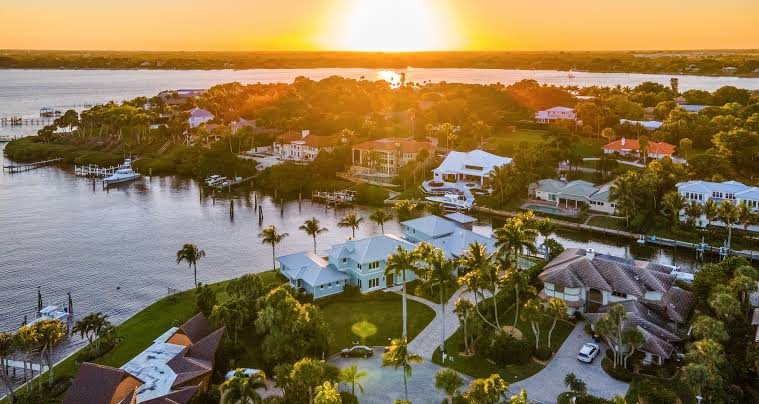
Juno Beach is a narrow strip of a town wedged along US Highway 1 and A1A in northern Palm Beach County, sandwiched between North Palm Beach to the south and Juno Isles or the Jupiter town line to the north. It is small on purpose. The town has held the line on height restrictions for decades, which is why you will not find the kind of high-rise condo towers here that you see in West Palm Beach or Boca Raton. Most residential buildings top out at four stories.
That geography matters for commuting and lifestyle. You are roughly 10 to 15 minutes from Palm Beach Gardens Mall and the Downtown at the Gardens retail corridor, about the same distance from Jupiter’s Harbourside Place and the Loggerhead Marinelife Center sits right in town as one of the area’s genuine landmarks. I-95 access runs through Donald Ross Road or PGA Boulevard, both a short drive west from anywhere in Juno Beach. Palm Beach International Airport is about a 25 to 30 minute drive south on I-95, which matters if you split time here and fly in and out regularly, a common pattern for the second-home and retiree buyers who make up a real share of this market.
Day to day, the town functions as a bedroom community with almost no commercial density of its own. There is no downtown strip to speak of, no cluster of restaurants and shops you can walk to from most residential streets. What you get instead is Ocean Drive quiet enough to bike or walk without much traffic, direct beach access at multiple public points along A1A, and a five to ten minute drive to actual amenities in Palm Beach Gardens or Jupiter for groceries, dining, and shopping. If you need walkable retail and nightlife outside your front door, Juno Beach will frustrate you. If you want quiet and are fine driving a few minutes for everything else, it delivers.
If you are cross-shopping this town against its neighbors, it is worth reading Jupiter vs Palm Beach Gardens: A Relocator’s Real Comparison for 2026 and West Palm Beach vs Palm Beach Gardens: City Energy or Suburban Comfort? because Juno Beach effectively sits in the middle of that whole conversation geographically, even though it is its own distinct town with its own zoning and its own price behavior.
What Your Money Actually Buys in Juno Beach
This is where most buyers get surprised, because Juno Beach does not price like a single market. It prices in tiers depending on how close you are to A1A and the ocean, and the gap between the low end and the high end in this town is wider than in most Palm Beach County zip codes because there is so little inventory sitting in the middle.
Condos: $400,000 to $2 million-plus
Older, mid-century and 1980s-era condo buildings along US-1 and the barrier island side, many of them low-rise (three to four stories, no elevator in some cases), start in the low $400,000s for a one or two bedroom unit. These buildings often have smaller floor plans, dated finishes, and HOA fees that can run anywhere from $500 to over $1,000 a month depending on how well the building has funded its reserves. Newer or fully renovated oceanfront buildings push well past $1 million, and brand new construction condos are pricing from roughly $1.5 million and up, which we will cover in the new construction section below.
Think about it in terms of two different buyers. A retired couple downsizing from a larger home in Palm Beach Gardens might target one of the older, no-elevator buildings for $450,000 to $600,000, accept the dated kitchen and the third-floor walk-up, and put their money into a renovation instead of a premium purchase price. A buyer who wants turnkey and does not want to deal with contractors is going to end up closer to $900,000 and up for a renovated unit with modern finishes, updated impact windows, and a building that has already completed its milestone inspection. Same town, same square footage in some cases, very different monthly outlay once you factor in insurance and HOA reserves.
Single-family homes: $700,000 to $1.5 million-plus
Single-family inventory in Juno Beach is limited because there simply is not much land left to build on. What exists tends to be older ranch-style homes from the 1960s through 1980s on the interior streets west of US-1, many on larger lots than you would find in a newer Palm Beach Gardens subdivision. Renovated or rebuilt homes on those same lots command a real premium, often crossing $1.5 million, especially anything walkable to the beach or the pier. True waterfront or Intracoastal-adjacent single-family homes can run well beyond that.
A buyer looking at $700,000 to $900,000 in Juno Beach is generally looking at an original, unrenovated home on the interior streets, often with the original kitchen and bath, sometimes without impact windows, and should budget separately for those upgrades on top of the purchase price. A buyer at $1.2 million and up is more likely looking at something already updated or a newer rebuild on one of the larger interior lots. What you do not get at any price point in Juno Beach right now is a new construction single-family subdivision. There simply is not the vacant land for it, which is a real difference from a place like western Palm Beach Gardens or Jupiter Farms, where builders still have room to work.
Townhomes: a smaller slice of the market
Townhome inventory in Juno Beach itself is thin. Buyers looking specifically for a townhome product with a lower price point and less maintenance often end up looking just north into Jupiter, where communities along the Intracoastal, like the waterfront townhomes at Water Pointe near the River Walk (pricing from roughly $1.12 million to $1.35 million for three-bedroom, 2,000 square foot-plus plans), give you a similar coastal feel with more product to choose from. If a townhome with a private pool, whirlpool spa, and direct walkability to the beach via Ocean Way matters more to you than the Juno Beach address specifically, Water Pointe is worth a serious look before you rule out the townhome format entirely because Juno Beach does not have enough of it.
New Construction Options in Juno Beach
New construction in Juno Beach is genuinely limited, and that scarcity is the point. The town’s low-rise zoning policy means you will not see the kind of large horizontal subdivisions or high-rise towers going up here that you see further west or south in the county. What you do get is boutique, high-end product built for a buyer who wants the finishes and the amenities of new construction without the scale of a big development.
Caretta is the current signature new construction project in Juno Beach, designed by Hartshorne Plunkard Architecture. Residences feature 10-foot ceilings, chef’s kitchens with Wolf gas ranges and Sub-Zero refrigeration, and large private terraces with built-in grills. The amenity package is built for a coastal luxury buyer: a rooftop pool and sauna, a dog park, a golf simulator, a fitness center, and an onsite signature restaurant for residents. Monthly condo association maintenance fees average $957, which is worth budgeting for on top of your mortgage payment before you fall in love with the finishes.
That $957 average fee is not unusual for new construction with this amenity load, but it does change your monthly math compared to an older building down the street with a $650 fee and no rooftop pool. Run both numbers before you decide new construction is automatically worth the premium. For some buyers, the trade-off is obvious: they want the Wolf and Sub-Zero package, the rooftop pool, and a building with fully funded reserves from day one, and they are willing to pay for it. For others, especially buyers who plan to use the unit seasonally and are not going to use a golf simulator or an onsite restaurant regularly, an older, renovated building at a lower monthly cost makes more financial sense.
If Caretta is out of reach or fully sold out by the time you are looking, the next closest new construction activity is just north in Jupiter, where the market is similarly constrained by low-rise zoning but has a bit more variety: multi-acre custom estates at communities like Bridgewater running from $7.1 million to $9 million-plus, and waterfront townhomes at Water Pointe in the $1.1 to $1.35 million range. There is also presale activity at communities like Reserve at Jupiter, a gated townhome and single-family project from D.R. Horton, though pricing has not been released yet. None of that is Juno Beach proper, but it is the closest comparable new construction experience if you want oceanside or Intracoastal-adjacent new build quality without leaving the immediate area. For the full picture of pricing trends across the town, see Juno Beach, FL Real Estate Market 2026: Prices, Trends & What Buyers Should Expect.
Neighborhoods and Pockets to Know
Juno Beach is small enough that it does not have dozens of named subdivisions the way a sprawling Palm Beach Gardens or Boynton Beach does. Instead, think in terms of corridors:
East of US-1, along A1A. This is the oceanfront and near-oceanfront strip, where you find the older low-rise condo buildings and the highest-priced new construction. Walkability to the beach and the Juno Beach Pier is the draw, and pricing reflects it. Buildings here range from modest, aging three-story walk-ups to Caretta at the top of the market, sometimes within a few blocks of each other, so it pays to actually tour rather than assume price scales evenly with proximity to the water.
West of US-1, the interior streets. Quieter, more residential, single-family homes on larger lots, a mix of original 1960s to 1980s construction and renovated or rebuilt homes. This is where you find more traditional suburban living without paying the direct oceanfront premium. Lot sizes here often run larger than what you would find in a comparable Palm Beach Gardens subdivision built in the last 15 years, which appeals to buyers who want yard space and are willing to trade a short drive to the beach for it.
Juno Dunes and the natural area buffer. Juno Beach has preserved a meaningful amount of its coastal land as protected dune and natural area, which is part of why the town has stayed low density. It also means less buildable land, which supports the pricing pattern you see across the town. This preserved buffer is also part of the daily lifestyle draw. It is what keeps the beach uncrowded compared to areas further south, and it is the reason sea turtle nesting season, which runs roughly March through October, is treated as a real local event here rather than a footnote.
The Donald Ross Road corridor near the town’s southern edge. This stretch functions as Juno Beach’s connector to Palm Beach Gardens, and properties closer to it trade a bit of the quiet, dead-end-street feel for faster access to I-95 and the Gardens retail corridor. It is worth knowing about if daily commute time matters more to you than being buried deep in a quiet residential pocket.
If you are weighing Juno Beach against other Palm Beach County suburbs for a family relocation, it is worth a look at Best Palm Beach County Suburbs for Families Relocating in 2026, since Juno Beach’s small size and lack of large family-oriented subdivisions means some buyers end up choosing a neighboring town instead once they see the full lineup side by side.
Schools and Zoning
Juno Beach is served by the Palm Beach County School District. Most Juno Beach addresses zone to Timber Trace Elementary, Howell L. Watkins Middle School, and William T. Dwyer High School, all located just south in Palm Beach Gardens. School zoning in this part of the county has shifted before as enrollment has grown, so if a specific school assignment is a deciding factor in your purchase, confirm the current boundary directly with the Palm Beach County School District before you write an offer, not after closing.
Because Juno Beach’s residential base skews toward retirees and empty nesters given the price point and the condo-heavy inventory, do not assume a large local school-age population the way you would in a big horizontal new construction subdivision further west. Families do buy here, but you are more likely to be one of fewer families on your street than in a purpose-built family subdivision.
If public school zoning is not your only consideration, it is also worth knowing that private school options in Palm Beach Gardens, including several K through 12 campuses, are a short 10 to 15 minute drive from most Juno Beach addresses, which some relocating families use as a workaround when they want to lock in a specific town like Juno Beach without being fully tied to a single public school boundary.
The Due Diligence Checklist Before You Buy in Juno Beach
This is the section that actually protects you, and it is different for a coastal Palm Beach County town than it would be for an inland new construction subdivision.
-
Pull the flood zone designation before you fall in love with the property. Juno Beach has areas in AE and VE flood zones given its barrier island and oceanfront geography. Flood insurance costs vary enormously depending on the exact zone and the elevation certificate, and this needs to factor into your monthly payment math from day one, not as an afterthought at closing. Ask your agent or the listing agent for the FEMA flood zone designation and, where available, the elevation certificate before your inspection period even starts.
-
Get a wind mitigation and four-point inspection on anything built before the 2000s. Older Juno Beach homes and condo buildings, especially the 1960s through 1980s stock, may need roof, electrical, or plumbing updates that affect both your insurability and your homeowners premium. A wind mitigation report that shows impact windows, a newer roof, or hurricane straps can meaningfully lower your premium, so it is worth getting this done even if it is not strictly required by your lender.
-
If you are buying a condo, read the full financials, not just the HOA fee. Since Florida’s post-Surfside milestone inspection and structural integrity reserve study laws (SB 4-D) took effect, condo associations statewide have had to fund reserves properly, and older Juno Beach buildings are working through that process at different speeds. Ask for the most recent reserve study, the milestone inspection report if the building is over 30 years old, and whether a special assessment has been levied or is being discussed. A low monthly HOA fee on an older building can be a red flag, not a selling point, if it means reserves have been underfunded for years. Also ask directly how many units in the building are owner-occupied versus rented, since that ratio affects both financing options and, sometimes, resale demand.
-
Confirm the Coastal Construction Control Line status for any A1A-adjacent property. Anything close to the dune line may fall under additional state permitting requirements for renovations, additions, or seawalls. This affects what you can and cannot change about the property later, including something as basic as adding a pool or extending a patio.
-
Check insurance availability and cost before you go hard on contract. Coastal Palm Beach County homeowners insurance has tightened significantly in recent years. Get a real quote, not an estimate, before your inspection period ends. Insurance costs on an older, un-renovated coastal condo can genuinely change your buying decision, so treat this step with the same seriousness as the home inspection itself, not as a formality you handle after you are already committed.
-
Understand what you are actually buying: land or air. In a condo, you own the unit and a share of the common elements, and the association controls major structural and exterior decisions, including special assessments you cannot opt out of. In a single-family home, you control more, but you also carry more of the maintenance and insurance burden alone. Decide which trade-off you actually want before you start touring.
-
Think through your resale and rental profile before you buy, not after. Juno Beach’s rules on short-term rentals and any minimum lease terms vary by building and, in some cases, by HOA. If you are buying with any intention of renting the property out seasonally or investment-style, confirm the specific building’s or the town’s rules before you write an offer. This matters more here than in a lot of Palm Beach County towns because so much of the inventory is condo product with association-level restrictions that can differ building to building.
Who Juno Beach Is Right For, and Who It Isn’t
Juno Beach makes the most sense for buyers who want a genuinely quiet, low-density oceanfront town and are willing to pay for that scarcity, whether that is a retiree or empty nester looking for a condo lifestyle near the water, or a professional who wants beach proximity without the density of West Palm Beach or the tourist traffic of Palm Beach proper. It is a strong fit if walkability to the Juno Beach Pier, the Loggerhead Marinelife Center, and A1A matters more to you than square footage per dollar. It also tends to fit second-home buyers well, people who are not living here full time and would rather own in a low-maintenance building with strong reserves than manage a larger single-family property from out of state.
It makes less sense if you need a large, family-oriented new construction subdivision with a full amenity package, a low HOA, and plenty of school-age peers on the street. That buyer is generally better served looking at Palm Beach Gardens, Jupiter, or the newer master-planned communities further west, where inventory and pricing per square foot are more favorable. It also makes less sense if you are working with a tight budget and need every dollar to go toward square footage rather than location scarcity. Juno Beach will always cost you a premium for the address itself, and that premium does not necessarily show up in bigger rooms or more storage. For an unfiltered look at daily life in the town beyond the price tags, read Is Juno Beach a Good Place to Live? Honest 2026 Review, which covers the trade-offs of small-town coastal living directly.
The Bottom Line
Juno Beach charges a premium for staying small, and that is not a marketing line, it is the actual mechanism behind every price point in this guide. You are paying for a town that capped its own height limits, preserved its dune line, and never let itself become the next Palm Beach Gardens. If that trade-off appeals to you, budget realistically for flood insurance and condo reserves, confirm your school zoning directly with the district, and treat the condo financials with the same scrutiny you would give a home inspection. If it does not appeal to you, the surrounding towns covered in our other Palm Beach County guides will likely serve you better and for less money per square foot.
Have questions about a specific Juno Beach listing, a Caretta unit, or how this town compares to Jupiter or Palm Beach Gardens for your situation? Send a message with your price range and what matters most to you, beach walkability, school zoning, or lower maintenance, and we will point you to the right streets, not just the right listings.
Watch: learn more
Go deeper with my South Florida Insider videos.
Solterra: Everything You Need to Know Before You Visit

The Best Flex-Space Townhome in West Palm Beach: Pulte's Nautical Plan
Inside Everton's Latitude II Model: $458k New Homes In Palm Beach
More articles you might like
Juno Beach, FL Real Estate Market 2026: Prices, Trends & What Buyers Should Expect
18 min readIs Juno Beach a Good Place to Live? Honest 2026 Review
13 min readHow to Choose the Best Suburb in Palm Beach County for Your Family (2026)
17 min read
Buyer's Guide to Westlake, FL: What to Know Before You Purchase
13 min read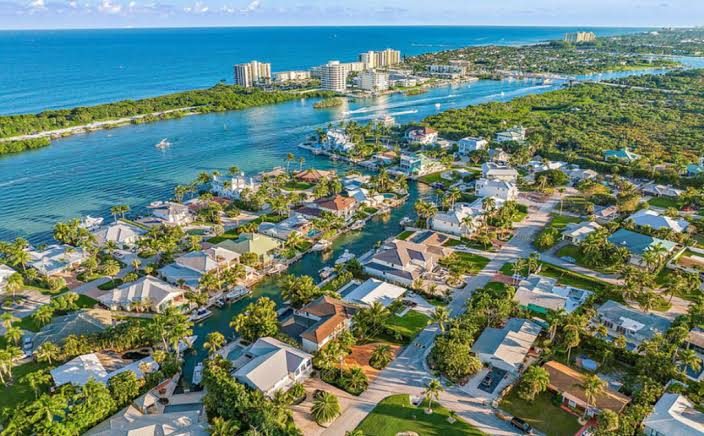
Buyer's Guide to Tequesta, FL: What to Know Before You Purchase
18 min read