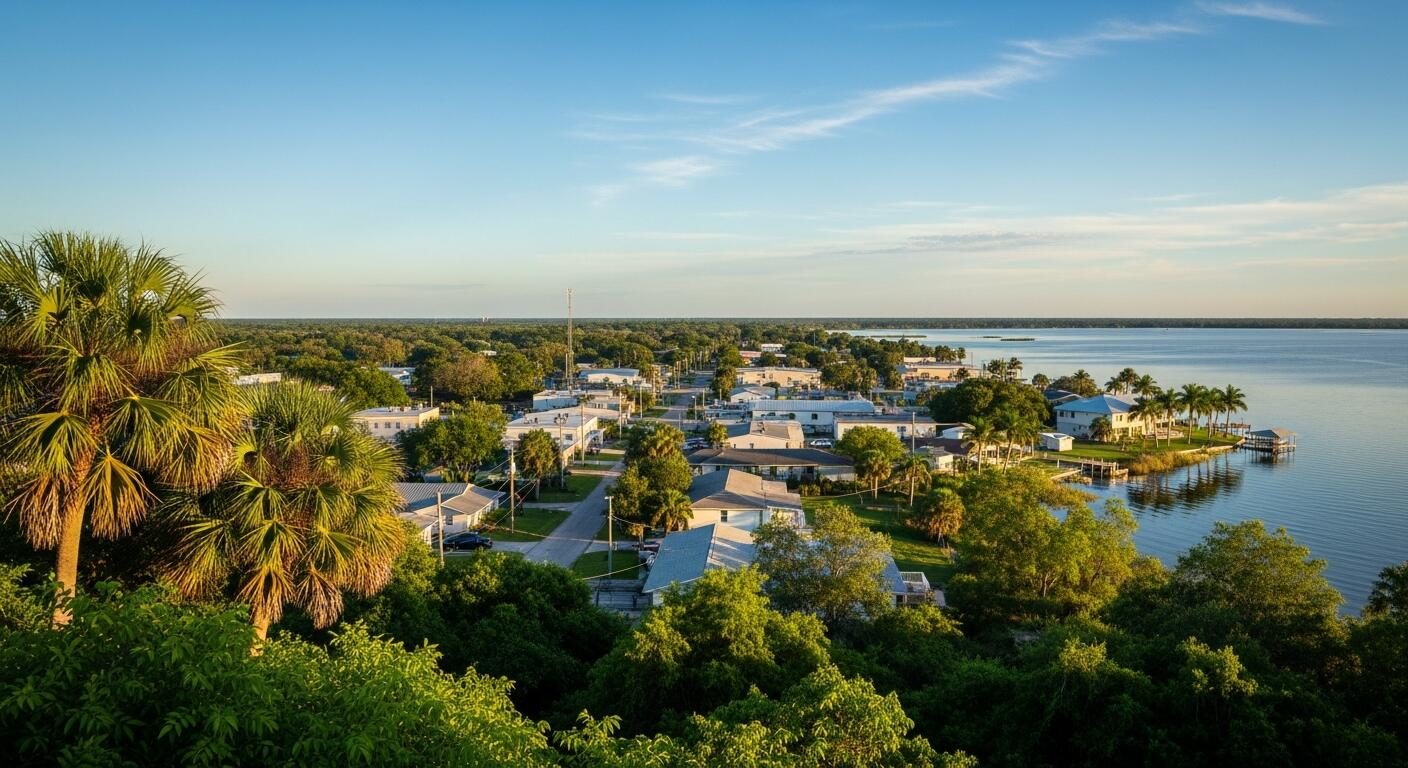
Buyer's Guide to Jupiter Inlet Colony, FL: What to Know Before You Purchase
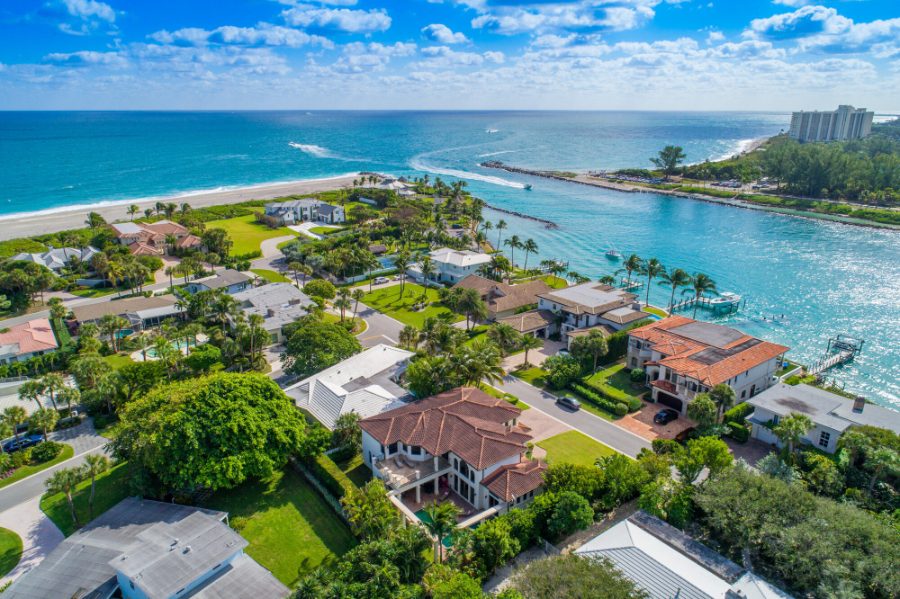
If you are looking at a $3 million to $20 million line item and wondering whether Jupiter Inlet Colony is worth it, here is the answer-first version: it depends almost entirely on what the water access actually gets you, because that is the one thing here you cannot add later. Everything else, the lot size, the finishes, the square footage, can be built or rebuilt. The dock, the seawall condition, and whether you can get a sportfish boat out to the ocean without worrying about a fixed bridge cannot be manufactured after closing. This buyer’s guide to Jupiter Inlet Colony, FL, what to know before you purchase, walks through the price ranges, the due diligence that actually matters here, and who this town is genuinely built for.
This is not a community with a builder, a sales center, or a model home row. It is a fully built-out, incorporated town of roughly 240 homes on a barrier peninsula between the Jupiter Inlet and the Atlantic. Buying here is a resale-and-rebuild market, and the rules that apply to a typical Palm Beach County new-construction community mostly do not apply. So let’s get into what does.
What Jupiter Inlet Colony Actually Is
Jupiter Inlet Colony is its own incorporated municipality, not a subdivision inside the Town of Jupiter, even though the mailing address reads Jupiter, FL 33469. It was incorporated in 1959, sits on a peninsula bordered by the Atlantic Ocean to the east and the Jupiter Inlet and Intracoastal Waterway to the north and west, and has exactly one way in and out: Colony Road off A1A, just south of DuBois Park and the Jupiter Inlet Lighthouse.
That single point of access, combined with the fact that the town runs its own police department (an unusual setup for a town this small, and one of its most-cited features), means it functions like a gated community without an actual gate. There is no through traffic because there is nowhere to drive through to. Every car on Colony Road either lives there or is visiting someone who does.
At roughly 240 homes spread across a peninsula that is maybe a half mile at its longest stretch, this is one of the smallest incorporated towns in Palm Beach County by both population and footprint. That size is the point. It means the town council, the police department, and the permitting office are all dealing with a fraction of the volume a typical municipality handles, which in practice means faster turnaround on a lot of the small stuff (a dock permit renewal, a variance request) than you’d get from a larger jurisdiction, but also means there is very little precedent to lean on if your project is unusual. Ask early, and ask the town directly rather than relying on what a contractor assumes carries over from Jupiter.
The town is entirely residential. No commercial zoning, no retail, no restaurants inside the town limits. For daily life, everything is a short drive north on A1A into downtown Jupiter or west across the bridge to US-1. If you want a full picture of how the town’s market has moved and where prices are trending, our Jupiter Inlet Colony real estate market update covers the numbers in more depth than this guide does. This piece is about the buying decision itself.
Price Ranges: What the Money Actually Buys
Because Jupiter Inlet Colony is so small and so specific, price ranges vary more by lot type than by house size. Three tiers, roughly:
Interior, non-waterfront lots: $3M to $4.5M. These are the entry point into the town. You get the address, the police department, the walk to the beach access points, and the privacy of a peninsula with no cut-through traffic, but no dock. Many of these are original 1960s to 1980s block construction homes, some updated, some not. A typical buyer in this tier is someone who wants the town’s privacy and low density without paying the water-access premium, often a family relocating from out of state who plans to renovate over time rather than rebuild immediately.
Canal-front with dockage: $5M to $9M. This is where the water factor kicks in. You are paying for linear dock footage and depth, not just the view. A 1970s ranch on a wide, deep canal can outprice a larger renovated home on a narrow, shallow one. This is the tier where most buyers are boaters, but not necessarily offshore tournament fishermen, more often center console and cruiser owners who want to be in the water in ten minutes without dealing with a marina.
Oceanfront and wide-water estates with no-bridge access: $10M to $20M+. This is the top of the market and the reason serious boaters specifically target this town. More on that below.
Across all three tiers, land value dominates. Very few buyers here are paying for the existing structure. They are paying for the lot, the water rights, and the address, and pricing what they intend to build or rebuild on top of it. It is not unusual to see a $6M canal-front sale where the appraiser assigns something close to zero value to the existing 1,800 square foot block home and the entire number is land and dock. If you are coming from a market where the structure carries real weight in the appraisal, recalibrate that expectation before you start comparing this town to anywhere else in Palm Beach County.
The No-Bridge Ocean Access Factor (This Is the Real Differentiator)
If there is one thing that separates Jupiter Inlet Colony from nearly every other waterfront community in Palm Beach County, it is this: a meaningful number of homes here can get a boat, including a real sportfish, out to the Atlantic through Jupiter Inlet without passing under a fixed bridge.
Most waterfront communities in South Florida, even ones with deep canals, are landlocked behind a series of fixed bridges with set clearance heights, which caps the size and mast height of anything that can get in or out. Admirals Cove and Frenchman’s Creek, both prestigious addresses in their own right, still route boats through fixed spans that limit what can pass. Jupiter Inlet Colony sits right at the mouth of one of the more reliable inlets on the east coast of Florida, and its layout means certain lots offer direct or near-direct access. The only real peer in this specific respect, further north across the inlet, is Jupiter Island, which trades at an entirely different price ceiling and land use pattern.
This is not a minor amenity. It is the specific reason a lot of the highest offers in this town come from serious offshore fishermen and yacht owners who have already priced out every other option in Jupiter, Tequesta, and North Palm Beach and found bridge clearance to be the limiting factor everywhere else. Picture a buyer who owns a 60-foot sportfish and has spent two years looking at listings in Admirals Cove, only to learn the boat cannot clear the bridge on an outgoing tide without waiting on a window. That buyer is exactly who ends up writing an aggressive offer on a wide-water lot here, because the alternative is keeping the boat at a marina and losing the point of owning it.
If you are a buyer for whom this matters, verify it precisely for the specific lot, not for the town in general. Access, depth, and dock condition vary house to house, and a broker who tells you “everything here has ocean access” is oversimplifying. Some lots do. Some don’t. Some technically can but need dredging or a new dock system to make it practical.
New Construction and the Teardown-Rebuild Reality
There is no active builder in Jupiter Inlet Colony in the way there is in a master-planned community like Agave Boca or a horizontal development out west. The town has been fully built out for decades, and the town’s own land use rules keep it that way. There is no vacant land inventory to speak of.
What you will find instead is an active teardown-and-rebuild market. A large share of the original homes date to the 1960s through 1980s, built when land was cheap and the water access was the whole point, not the finishes. Today those same lots carry $3M to $15M+ price tags, and the math on a full renovation almost never wins against demolition and a ground-up custom build, especially on waterfront parcels where flood elevation requirements make a full gut renovation nearly as expensive as starting over anyway.
Run the numbers on a typical canal-front deal and you can see why. A buyer paying $6M for the lot is often looking at another $3M to $5M to build a modern, elevated, hurricane-rated custom home in the 5,000 to 7,000 square foot range, plus dock and seawall work on top of that. That puts an all-in project cost somewhere between $9M and $12M before furnishings, which is a very different conversation than a buyer walking into a production-built community expecting a fixed price sheet and a builder warranty. Custom builders who work regularly in Admirals Cove, Jupiter Island, and similar high-end coastal projects are the ones typically active here, not the volume builders you would find in a Palm Beach Gardens master plan.
If you are buying with the intent to rebuild, budget and plan for:
- A custom builder, not a production builder. Every rebuild here is a one-off. You are hiring an architect and a custom builder, not selecting from floor plans.
- Town-level permitting and setback review, which is separate from and in addition to Palm Beach County requirements, since Jupiter Inlet Colony is its own municipality.
- FEMA flood elevation compliance. Being a barrier peninsula, most of the town sits in AE or VE flood zones. New construction typically has to be built up on pilings or an elevated foundation, which affects both design and cost.
- A realistic 18 to 30 month timeline between demolition and certificate of occupancy once you account for permitting, especially on waterfront lots that also need seawall or dock work reviewed by the county and, depending on scope, the Army Corps of Engineers.
If your plan is to buy an older home, live in it as-is for a few years, and rebuild later, that is a completely reasonable strategy. Just underwrite the purchase price as land value from day one so you are not surprised by what the existing structure is actually worth (often close to zero) when you eventually tear down. This is also the more common path for buyers who are relocating from out of state and want to spend a season or two actually living on the peninsula before committing to a design, rather than starting construction before they fully understand how they use the water.
Due Diligence Checklist Before You Purchase
This is the part most buyers coming from a standard suburban purchase underestimate. A few things to run down before you go hard on a contract:
Dock and seawall condition. Get an independent marine contractor inspection, not just a general home inspector’s opinion. Seawall replacement on a waterfront lot here can run into six figures, and it is not something you want to discover after closing. A cracked cap, spalling concrete, or a wall that is visibly leaning are all signs the seawall is nearing the end of its service life, and replacement costs on this stretch of coast typically run well past $1,000 per linear foot once permitting and mobilization are factored in.
Flood zone and elevation certificate. Ask for the current elevation certificate and confirm your flood insurance quote before you remove your inspection contingency. Flood premiums on a barrier peninsula are a real, ongoing cost, not a footnote, and they can swing meaningfully based on whether the existing structure’s lowest floor sits above or below the base flood elevation.
Actual water access, not assumed access. As covered above, confirm bridge clearance, channel depth, and any tidal restrictions for the specific dock, ideally by walking it with a captain or marine surveyor if boating is central to why you’re buying here. Ask specifically about low-tide depth, not just average depth, since that is what actually determines whether a deep-draft sportfish can move in and out on a normal schedule.
Town of Jupiter Inlet Colony building and dock permitting rules. Because it is its own municipality, get the current setback, height, and dock regulations directly from the town, not assumptions carried over from Jupiter or unincorporated Palm Beach County rules.
Insurance costs across the board. Wind, flood, and often a separate policy rider for dock and seawall structures. Get quotes before you’re under a tight contingency clock, and expect combined premiums on a rebuilt waterfront home here to run noticeably higher than a comparable inland Jupiter property.
Title and survey history on fill and seawall lines. Older peninsula lots occasionally have discrepancies between recorded lot lines and where the seawall or fill actually sits. A current survey resolves this before it becomes a post-closing dispute, and it also matters for setback calculations if you’re planning to rebuild.
HOA: there isn’t one, but there is a town. Jupiter Inlet Colony has no homeowners association and no HOA dues in the traditional sense. What it has instead is its own municipal government funding its own police department, which is supported through the town’s ad valorem tax structure. Confirm current municipal tax rates directly, since they run in addition to the standard Palm Beach County millage.
Schools, Commute, and Daily Life
Jupiter Inlet Colony is zoned to Palm Beach County public schools serving the Jupiter area, generally in the Lighthouse Elementary, Independence Middle, and Jupiter Community High School zone. School boundaries do shift, so confirm current zoning for the specific address through the Palm Beach County School District before you count on a particular school.
Daily life here is quiet by design. There’s no retail inside the town, so groceries, dining, and everyday errands mean a short drive north on A1A into downtown Jupiter, or west across the bridge toward US-1 and the broader Jupiter and Tequesta corridor. DuBois Park sits right at the town’s doorstep, with beach access, a playground, and the Loxahatchee River Historical Society museum. The Jupiter Inlet Lighthouse and its surrounding preserve is a five-minute walk for a lot of residents.
For context on drive times, downtown Jupiter’s restaurant and shopping corridor along US Highway 1 and Indiantown Road is roughly ten minutes from the Colony Road entrance. Juno Beach and the Gardens Mall area in Palm Beach Gardens run closer to twenty. Palm Beach International Airport is a manageable thirty to thirty-five minutes depending on traffic on I-95, which matters if you’re weighing this against a more northern option like Jupiter Island or a Treasure Coast address where the airport drive stretches considerably longer.
Commuting south toward West Palm Beach or north toward the Treasure Coast runs along US-1 or I-95, both a short drive from the Colony Road entrance. This is not a commuter town in the way parts of Palm Beach Gardens or Jupiter proper are marketed. Most buyers here are not optimizing for office commute distance. They’re optimizing for privacy, water, and low density.
How Jupiter Inlet Colony Compares to the Rest of the Jupiter Market
Jupiter Inlet Colony is the most exclusive and smallest-footprint option in the broader Jupiter market, and it is worth understanding what you’re trading relative to nearby areas. Standard Jupiter neighborhoods and communities like Admirals Cove, Frenchman’s Creek, or the newer construction closer to Central Boulevard offer more amenities (golf, clubs, fitness), more inventory turnover, and often lower entry price points, but none of them offer the specific combination of a single-entrance, self-policed, fully residential peninsula with select no-bridge ocean access.
Think of it as a tradeoff along a few axes. Admirals Cove gives you a private golf and marina club, a robust social calendar, and a much larger pool of listings to choose from at any given time, but its docks sit behind fixed bridges. Frenchman’s Creek offers a similar club-driven lifestyle with strong privacy but the same bridge limitation for larger vessels. Newer construction communities closer to Central Boulevard and Palm Beach Gardens give you builder warranties, modern floor plans, and a far lower entry price point, but none of the water access and none of the peninsula privacy. Jupiter Inlet Colony trades away the club, the amenities, and the inventory depth in exchange for the one thing none of those communities can offer: a real shot at a fixed-bridge-free run to the Atlantic and a level of quiet that comes from there being nowhere to drive through.
If you’re still deciding between Jupiter Inlet Colony and other parts of the broader Jupiter and Palm Beach Gardens corridor, our Jupiter vs. Palm Beach Gardens comparison is a useful next read, and if family-oriented amenities, schools, and community life matter more to you than boat access, it’s worth comparing against our roundup of the best Palm Beach County suburbs for families relocating in 2026, since Jupiter Inlet Colony is genuinely not built around clubs, activity centers, or youth programming the way some nearby communities are.
Who Jupiter Inlet Colony Is Right For (and Who It Isn’t)
This town makes sense if you are a serious boater who has already ruled out bridge-restricted waterfront elsewhere, if privacy and low density matter more to you than walkable amenities, and if you’re comfortable buying land value and either living with an older structure or planning a rebuild from day one. It also fits well for a buyer who already owns in Admirals Cove or Frenchman’s Creek, wants the club access to stay in their life, but is looking for a private second address or a rebuild project specifically because their current boat has outgrown what the bridges will allow.
It makes less sense if you want turnkey new construction with a builder warranty, if you want a clubhouse, golf, or organized amenities as part of your purchase, or if you need retail and dining within the community itself. It also makes less sense for a buyer who wants a wide, active resale market with dozens of comparable listings at any given time to negotiate against, since inventory here is thin enough that patience, not leverage, is usually the deciding factor in getting a deal done on your terms. Those buyers are usually better served by newer construction communities elsewhere in Jupiter or Palm Beach Gardens, where the product is built for exactly that lifestyle.
For an unfiltered look at what living here is actually like day to day, beyond the price tags and permitting rules, read our honest 2026 review of Jupiter Inlet Colony. It covers the tradeoffs this guide doesn’t, including what it’s genuinely like to live somewhere this small and this quiet.
The Bottom Line
Jupiter Inlet Colony is not a community you buy into casually, and the market reflects that. There is no new construction pipeline, no builder incentives, and no standard comps in the way a typical subdivision has them. Every purchase here is really a land and water-access decision first, and a house decision second.
Before you write an offer, get the dock and seawall inspected independently, confirm the flood zone and elevation certificate, verify actual (not assumed) ocean access for that specific lot, and get current numbers from the town on permitting and municipal tax rates. Do that homework up front, and Jupiter Inlet Colony can be one of the more straightforward high-end purchases in Palm Beach County, precisely because the town itself is so small and so tightly run. Skip it, and you’re negotiating blind on the two things (water access and structural condition) that actually determine what you’re paying for.
If you’re seriously evaluating a purchase here, DM me “COLONY” and I’ll walk you through current inventory and what’s realistic to write an offer on right now.
Watch: learn more
Go deeper with my South Florida Insider videos.
Solterra: Everything You Need to Know Before You Visit
Solterra: Everything You Need to Know Before You Visit
More articles you might like
Jupiter Inlet Colony, FL Real Estate Market 2026: Prices, Trends & What Buyers Should Expect
18 min readIs Jupiter Inlet Colony a Good Place to Live? Honest 2026 Review
13 min read
Buyer's Guide to Westlake, FL: What to Know Before You Purchase
13 min read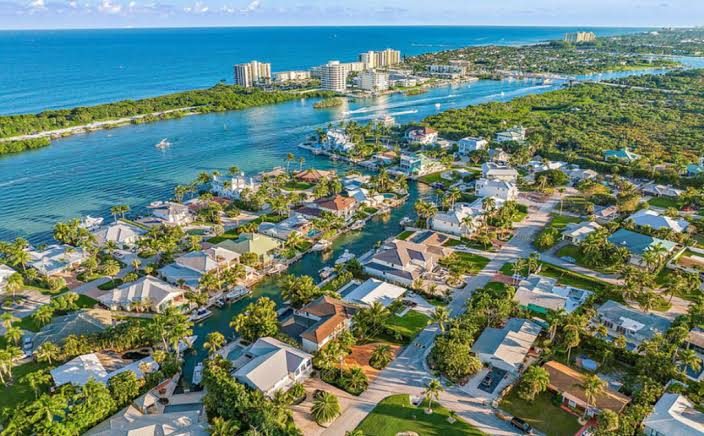
Buyer's Guide to Tequesta, FL: What to Know Before You Purchase
18 min read
Buyer's Guide to South Palm Beach, FL: What to Know Before You Purchase
19 min read