Is Buying New Construction Worth It in South Florida? An Honest 2026 Breakdown
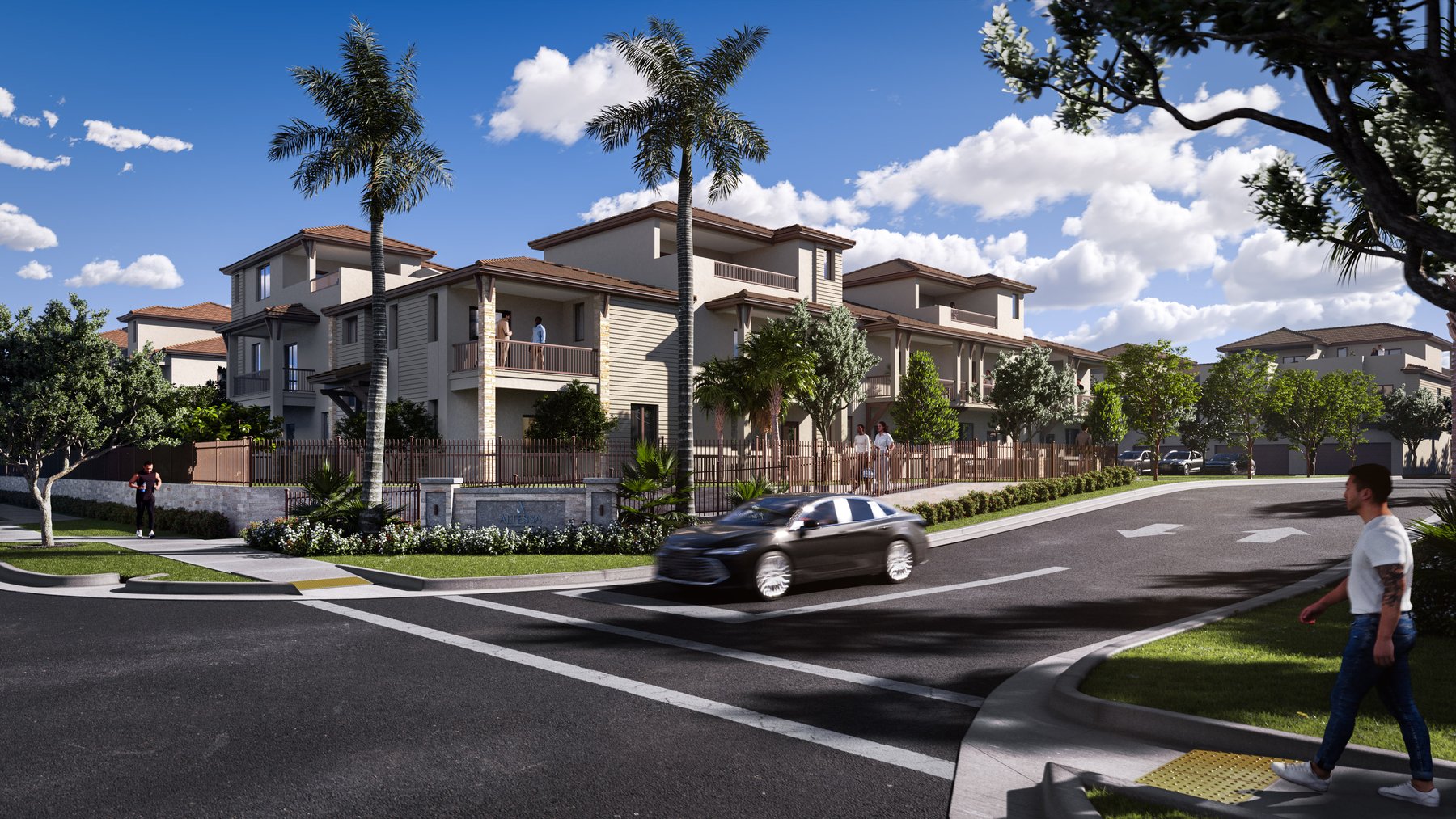
Good, small heredocs work. Let me count in chunks instead.Is buying new construction worth it in South Florida? An honest 2026 breakdown comes down to this: yes, for most buyers, new construction is worth it, but not for the reasons builders put in their brochures. The real value isn’t the quartz countertops or the model home smell. It’s newer building codes, better insurance terms, and a warranty that protects you from the exact repairs that eat resale buyers alive in year two. The real cost isn’t just the base price either. It’s the CDD fee your loan officer didn’t fully explain, the HOA dues that jump after the builder hands over control, and the lot premium that turned your “starting at” price into something $60,000 higher.
I’ve walked buyers through this decision across Broward, from Parkland to Coconut Creek to Cooper City, and the pattern is consistent. People who do the math upfront end up happy either way, new or resale. People who fall in love with a model home and skip the math end up surprised at closing, or worse, eighteen months later when the CDD bill shows up on their tax statement.
Here’s the real breakdown, not the sales pitch version.
The Short Answer: Is New Construction Worth It in South Florida in 2026?
For most buyers, yes, with three conditions attached.
New construction is worth it if you can afford the CDD and HOA fees on top of the mortgage payment, not instead of it. It’s worth it if you’re staying long enough to let the insurance and maintenance savings actually pay off (five-plus years, generally). And it’s worth it if you go in comparing the builder’s price to a resale home in the same school zone, not just comparing builders to each other.
Where new construction stops being worth it: if you need to be in a specific, already-built neighborhood right now, if you’re stretching to afford the base price and haven’t budgeted the CDD fee separately, or if you’re buying based on the model home instead of the actual lot and floor plan you’ll get.
The reality is new construction and resale aren’t competing products. They solve different problems. New construction solves “I want predictable maintenance costs and modern insurance rates.” Resale solves “I want an established neighborhood, mature trees, and no CDD fee.” Neither is automatically the smarter buy. It depends on what you’re optimizing for.
Right now, Broward, Miami-Dade, and Palm Beach are all sitting in balanced-to-seller-leaning conditions on single-family homes, which matters more than most buyers realize. It means builders still have some pricing power on new construction, so they’re leaning on incentives (rate buydowns, closing cost credits, upgrade packages) instead of cutting list prices outright. That’s a different negotiating posture than what you’ll find on the resale side right now, where sellers in some segments, especially condos, are more willing to come down on price directly. Knowing which lever each side is pulling changes how you negotiate.
New Construction vs. Resale: What’s Actually Different in 2026
Building Code Is the Real Dividing Line, Not the Age of the House
Florida’s building code changed meaningfully after Hurricane Andrew, then again after 2017, and Broward and Miami-Dade have some of the strictest wind-load and impact-window requirements in the country. A home built in 2023 or later is engineered to a completely different standard than one built in 1998. That’s not a builder talking point, that’s the actual code. It’s the single biggest reason new construction insures better than resale, which I’ll get into below.
It’s worth being specific about what actually changed, because “new code” is a vague phrase until you see it applied. Homes built under the current Florida Building Code in the wind-borne debris region (which covers all of Broward and Miami-Dade) require either impact-rated windows and doors or approved shutters on every opening, roof-to-wall connections rated for uplift, and secondary water barriers under the roof deck. A 1998 home in Coral Springs was built under an older code cycle that didn’t require any of that as standard. Retrofitting a 25-year-old house to match those standards, new impact windows throughout, a new roof to current wind ratings, can run $40,000 to $70,000 depending on the size of the house. That’s the real, dollar-for-dollar comparison buyers skip when they only look at list price.
Price Per Square Foot Isn’t the Whole Story
Resale in Broward’s family suburbs (Coral Springs, Cooper City, Plantation) often runs cheaper per square foot than new construction in the same zip code. But that resale price usually doesn’t include a new roof, updated electrical, or impact windows, all of which you’ll likely need to budget for within 5 to 10 years if the house doesn’t already have them. New construction bakes that cost into the price upfront. Resale defers it. Neither is wrong, but you need to compare apples to apples: new construction price vs. resale price plus the deferred capital repairs.
Here’s a simple way to run that math yourself. Take the resale listing price. Add a real number for anything the home is missing relative to current code: $18,000 to $28,000 for a full roof replacement depending on square footage, $12,000 to $25,000 for impact windows and doors throughout, and a few thousand more if the electrical panel is original. Now compare that adjusted total to the new construction price plus its first year of CDD and HOA fees. In a lot of Broward comparisons I’ve run for buyers, the gap narrows a lot faster than either the builder’s sales rep or the resale listing agent wants to admit.
Lot Selection and Layout Are Genuinely Different Games
In a resale purchase, you’re picking from what exists. In new construction, you’re picking from a site plan, which means lot premiums matter more than most buyers expect. A lot backing to preserve or water can add $20,000 to $50,000 over a standard interior lot in the same floor plan. Corner lots near community entrances or retention ponds sometimes get discounted for exactly that reason. If you’re touring a community like Marigold or Hanson Preserve in Cooper City, ask for the lot premium sheet before you fall for a specific floor plan, because the “starting at” price almost never applies to the lots buyers actually want.
Orientation matters too, and it’s the kind of detail a sales rep won’t bring up unless you ask. A west-facing lanai in South Florida means afternoon sun pouring directly into your pool deck and living room glass for a good chunk of the year. That’s not a dealbreaker, but it does affect your cooling bill and how much you actually use the pool area in July and August. Ask which direction the back of the house faces before you pick a lot, not after you’ve moved in and realized why the sales rep steered you there.
The Real Cost of “New”: CDD Fees, HOA Dues, and Builder Incentives
This is the section builders gloss over, and it’s the one that actually determines whether new construction is worth it for your budget.
CDD Fees: What They Are and What They Actually Cost
A Community Development District (CDD) is a special taxing district that financed the roads, water and sewer lines, and amenity center for the community before a single house was built. That debt gets passed to homeowners as a line item on your property tax bill, separate from your HOA dues. In Broward’s newer master-planned communities, CDD fees commonly run $2,000 to $6,000 a year depending on the size of the amenity package and how the debt was structured. That’s not a one-time fee. It’s an annual bill for as long as you own the home, split into a debt portion (which eventually pays off, often over 20 to 30 years) and an operations and maintenance portion (which does not go away).
Communities like Solterra by Lennar and Estates by Turnberry are good examples of why you need the actual CDD disclosure, not the builder’s verbal estimate. The number on the community’s CDD assessment roll (public record) is the real figure. Ask for it before you write an offer, not after.
To make this concrete: on a $550,000 new construction home with a $4,200 annual CDD fee, that’s an extra $350 a month on top of your mortgage, taxes, insurance, and HOA dues. Over a 10 year hold, that’s $42,000 before you factor in the O&M portion increasing with inflation. Buyers who compare “starting at $499,000” against a resale home at $520,000 without running that CDD math often end up paying more per month for the new build than the higher-priced resale, once you add it all up. That doesn’t mean new construction is a bad deal, it means the sticker price was never the real number to compare.
Not every new community carries a CDD. Smaller infill developments and some builder communities on land the developer already owned outright (no bond-financed infrastructure) skip the CDD structure entirely and roll those costs into a straightforward HOA. If avoiding a CDD is a priority, ask that question before you tour, it’ll save you time.
HOA Dues Tend to Rise After Builder Turnover
Builders often subsidize HOA dues during the initial sell-out phase to keep the community’s marketed monthly cost low. Once the builder turns control of the association over to the homeowners (usually once the community is 90%+ built out), dues frequently increase to reflect the actual cost of maintaining the clubhouse, pool, and landscaping. If a community’s HOA is currently $250 a month, ask what comparable, fully turned-over communities nearby are paying. That’s a better predictor of your real long-term cost than the current teaser rate.
A good way to stress-test this: find a community that broke ground five to eight years ago in the same corridor, one that’s already fully turned over to homeowner control, like an established phase near Parkland Royale or the earlier sections of Vineyards, and ask their HOA board or property manager what dues run today versus what they started at. That gap is your best real-world forecast, far more reliable than anything in the builder’s sales brochure.
Builder Incentives Are Real Money, But Read the Fine Print
Rate buydowns, closing cost credits, and free upgrade packages are genuinely valuable right now, builders are using them instead of cutting list prices to protect their comps. A 2/1 rate buydown or $15,000 in closing cost assistance can be worth more than a straight price reduction. The catch: most of these incentives require you to use the builder’s preferred lender and title company. That’s not automatically bad, but you should get a quote from an outside lender too, so you know what the incentive is actually worth versus what you’re giving up in loan terms.
Also ask what happens to the incentive if rates move before closing. Some builders lock the incentive to a specific lender program that can change between contract and closing, especially on homes still 6 to 9 months from completion. Get the incentive terms in writing, not just verbally from the sales office, and confirm whether it’s tied to closing by a specific date.
Insurance: Where New Construction Actually Wins
This is the strongest, most underrated argument for new construction in South Florida in 2026, and it’s not close.
Homeowners insurance in Broward, Miami-Dade, and Palm Beach has gotten harder to find and more expensive across the board, but the gap between new and old construction has widened. A home built to current code with impact windows, a hurricane-rated roof, and modern wind mitigation features typically qualifies for meaningfully lower premiums, and more importantly, more insurer options. Older homes with original 1990s or early-2000s roofs are increasingly landing in Citizens Property Insurance (the state’s insurer of last resort) because private carriers won’t touch them, or will, but at a steep price.
New construction gives you a wind mitigation report that actually reflects the current code, not a retrofit. That alone can shave hundreds of dollars a year off your premium compared to a resale home of similar size. Over a 10-year hold, that difference can offset a meaningful chunk of the CDD fee gap between new and resale.
To put real numbers on it: a 25-year-old, 2,200 square foot home in Coral Springs with an original roof and no impact windows can run $4,500 to $6,500 a year for wind and property coverage in this market, sometimes more depending on the carrier and roof age. A comparable new construction home in a community like Marigold with a current-code roof and impact glass throughout can land closer to $2,500 to $3,800 for the same coverage. That’s a swing of $2,000 or more a year, and it’s the piece of the “new vs. resale” math that most buyers never actually price out before making a decision.
The honest caveat: insurance savings on new construction don’t fully offset the CDD and HOA cost stack in every community. Run your own numbers. A local insurance agent who writes policies in both new and established Broward communities can get you real comparative quotes in a day, and it’s worth doing before you write an offer, not after.
A Real Buyer Scenario: Running the Numbers on Two $600,000 Options
Here’s how this plays out for an actual family, because the abstract math only means so much until you see it applied.
Say you’re relocating from out of state with two kids headed into elementary and middle school, and you’ve narrowed it to two options in the same general area: a new construction four-bedroom in a CDD community priced at $610,000, or a resale four-bedroom built in 2001 in an established, no-CDD neighborhood priced at $585,000.
On the new construction side: mortgage payment on $610,000 (assuming 20% down), plus an estimated $380 a month in combined CDD and HOA, plus an insurance estimate around $3,200 a year. The home needs nothing for the first several years beyond routine maintenance, and it’s covered by a builder’s warranty for the first year on workmanship and longer on structural items.
On the resale side: mortgage payment on $585,000, no CDD, HOA around $150 a month for an established, smaller community, but the roof is original from 2001 (24 years old) and the windows aren’t impact rated. Insurance quotes come back around $5,600 a year, and a local inspector flags the roof as needing replacement within 3 to 5 years, estimated at $22,000 for that square footage.
Run both out five years: the new construction home costs more per month upfront because of the CDD and HOA stack, but the resale home is likely to need a $22,000 roof replacement inside that window on top of paying roughly $2,400 more a year in insurance the entire time. Depending on exactly when that roof needs replacing, the total cost of ownership over five years often lands closer together than the sticker prices suggest, sometimes even favoring the new build. This is exactly the kind of side-by-side you should ask your agent to run before you decide, not after you’ve already picked a favorite.
Where New Construction Falls Short
I’m not going to sell you on new construction being perfect, because it isn’t.
You’re Buying Sight Unseen (Mostly)
Unless the home is a spec (already built or nearly finished), you’re buying from a floor plan and a model home, not the actual house you’ll live in. Finishes, lighting, and even room proportions can feel different in the real, unfurnished house than they did in the professionally staged model. Walk the community’s already-completed spec homes if any exist, not just the model.
Landscaping and Neighborhood Character Take Years
New communities look raw for the first few years. Trees are saplings, sod is thin, and the neighborhood hasn’t developed its rhythm yet. If you value mature landscaping and an established feel, that’s a real trade-off against a 15-year-old resale neighborhood in Coral Springs or Weston.
Construction Delays Are Still Common
Supply chain issues have eased since 2022, but permitting delays, especially for CDD infrastructure and utility hookups, still push closing dates. If you’re on a hard timeline (lease ending, kids starting a school year), ask the builder for their actual track record on that specific community, not their general company average.
You’re the First Owner to Find the Problems
New construction warranties (typically one year on workmanship, longer on structural items) cover a lot, but you’re also the one who finds the issues: the AC that’s undersized for the square footage, the drainage grading that pools water near the foundation, the tile that wasn’t set right. A resale home has usually had its early issues found and fixed by someone else already.
Construction Noise and Traffic During Build-Out
If you close early in a community’s development, expect years of construction traffic, dust, and noise from ongoing building on the lots around you. Larger master-planned developments can take 5 to 10 years to fully build out. Closing in phase one means you’re living in an active construction zone for a while, which is worth weighing against closing in a later phase where you pay more but move into a more finished neighborhood.
When New Construction Is the Smarter Buy (and When It Isn’t)
New construction wins when:
- You’re planning to stay 7+ years, long enough for insurance and low-maintenance savings to compound
- You want a specific floor plan (open concept, first-floor primary suite, three-car garage) that’s rare in the resale stock in that suburb
- You value predictable near-term maintenance costs over character and mature landscaping
- You’re moving from out of state and don’t have a home inspector network yet, a warranty reduces that risk
Resale wins when:
- You need to be in a specific, already-established school zone or neighborhood right now
- You want no CDD fee, full stop, that alone rules out most large-scale new communities in Broward
- You want mature trees, an established HOA with a track record, and neighbors who’ve been there a decade
- The resale home has already had its major systems (roof, AC, windows) updated within the last 5 to 10 years
If you’re weighing this specifically for a growing family relocating to Broward, the calculus often tilts toward new construction for the floor plan and school access, but it’s worth comparing directly against options like Weston, Florida, where new construction inventory is limited and carries a real premium over resale precisely because the city is largely built out.
How to Vet a Builder and Community Before You Sign
Pull the CDD Assessment Roll, Not Just the Sales Rep’s Number
The CDD district’s assessment roll is public record. It shows the actual annual debt and O&M assessment per lot. Ask your agent to pull it before you go under contract, not after.
Ask for the HOA’s Turnover Timeline
Find out what percentage of the community is built out and when the builder expects to turn the HOA board over to homeowners. That’s your best signal for when dues might increase.
Get an Independent Home Inspection Anyway
Yes, even on new construction. A third-party inspector who doesn’t work for the builder will catch grading, HVAC sizing, and workmanship issues before your one-year warranty walk-through, when it’s much easier to get them fixed.
Compare the Builder’s Incentive Against an Outside Lender
Run the numbers both ways. Sometimes the builder’s rate buydown wins. Sometimes a straight price negotiation with your own lender wins. You won’t know until you ask for both quotes.
Walk the Competing Resale Comps in the Same School Zone
Before committing to new construction, spend one afternoon touring resale homes in the same elementary school zone. It’s the fastest way to see exactly what you’re trading off, and what you’re paying for.
Ask the Builder for a References List, Not Just a Sales Pitch
A builder with a solid track record will connect you with homeowners who closed a year or two ago in that same community. Ask them directly about warranty responsiveness, whether the CDD and HOA numbers matched what they were told at contract, and whether they’d buy in that community again. Builders who hesitate to offer this are telling you something.
Bottom Line
Is buying new construction worth it in South Florida in 2026? For a buyer who budgets the CDD fee and HOA dues as real, permanent costs, who’s staying long enough to benefit from the insurance and maintenance advantages, and who compares the actual lot and floor plan against resale comps in the same school zone, yes, it’s a smart buy. For a buyer stretching to afford the base price who hasn’t priced in the extras, it can turn into a payment shock a year after closing.
The communities worth touring this year if you’re weighing this decision seriously include Marigold, Hanson Preserve in Cooper City, Estates by Turnberry, and Solterra by Lennar, each with a different CDD and HOA structure worth comparing side by side. If you want to widen the search further, communities like Cascata, Parkland Royale, Vineyards, Lotus Edge, Altessa, and Westview each carry their own fee structures and lot premiums worth running through the same math before you commit.
If you want the real numbers pulled for a specific community, CDD assessment roll, current HOA dues, and an honest resale comparison in the same school zone, send me the community name and I’ll break it down for you.

More articles you might like
Is Buying New Construction Worth It in the Fort Lauderdale Metro in 2026?
13 min readBuying a South Florida Condo in 2026: SIRS, Reserves, and What to Check First
7 min read
Best Neighborhoods in West Palm Beach: An Honest 2026 Breakdown
13 min readWest Palm Beach Schools: What Families Need to Know Before Buying
17 min read
Delray Beach Schools: What Families Need to Know Before Buying
14 min read