Doral Investment Property: Rental Market and Returns in 2026
If you are asking whether Doral still makes sense as a rental investment in 2026, the short answer is yes, but with real math behind it, not hype. Doral investment property in 2026 is producing gross cap rates mostly in the 3.5% to 5% range, driven by a renter pool tied to Miami International Airport, Carnival’s corporate campus, the Blue Lagoon office corridor, and a school district families specifically move to Doral for. It is not a market where you buy anything and win. It is a market where the right property, in the right submarket, with the right HOA structure, performs well, and the wrong one quietly bleeds cash every month.
I work with investors buying in Doral every month, and the questions are always the same: what does a unit actually rent for, what does the HOA or CDD really cost, and is new construction worth the premium over resale. Here is the full picture, with real numbers, not a sales pitch.
Doral Investment Property: Rental Market and Returns in 2026, the Numbers That Matter
Before you look at any specific building or community, understand the three inputs that decide whether a Doral rental works: purchase price, monthly carrying cost (HOA, taxes, insurance, and CDD if it applies), and achievable rent. Doral has drifted upward on all three over the past two years, so the math has gotten tighter than it was in 2022 and 2023.
As of 2026, here is roughly what rent looks like by property type in Doral:
- One-bedroom condo (Downtown Doral or NW Doral): $2,200 to $2,600 per month
- Two-bedroom condo or townhome: $2,900 to $3,500 per month
- Three-bedroom townhome: $3,500 to $4,300 per month
- Four-bedroom single-family home: $4,500 to $5,800 per month
Purchase prices vary just as widely. A townhome at Westview at Doral or a similar NW Doral community typically runs $550,000 to $750,000 depending on lot and finish level, while a unit in one of the newer luxury townhome projects near Downtown Doral, like Landmark Doral, starts closer to $700,000 and climbs past $1.1 million for larger floor plans. On the higher end, Canarias at Downtown Doral runs $900,000 to $2.1 million for single-family estates and luxury townhomes, which is a price point where rental cap rate alone rarely justifies the purchase. Those buyers are usually playing an appreciation and lifestyle game, not a cash flow game.
Run the simple version of the math on a $650,000 townhome renting for $3,800 a month: that is $45,600 a year in gross rent, or a 7.0% gross yield before you subtract HOA, taxes, insurance, property management, and vacancy. After those costs, most Doral townhomes net out to a 3.5% to 4.5% cap rate. That is the realistic range, not the number you see in an out-of-state investor’s spreadsheet before they’ve priced Florida insurance.
Why Rental Demand in Doral Holds Up
Doral’s renter demand is not speculative. It is anchored to actual employment and actual school enrollment, which is why the market has stayed resilient even as rents nationally have flattened.
The job base drives renters, not just buyers
Doral is home to Carnival Corporation’s global headquarters, a cluster of logistics and distribution companies along NW 25th Street and NW 41st Street, and the Blue Lagoon office corridor that sits just south of Doral proper along LeJeune Road. Add Miami International Airport, which employs tens of thousands directly and indirectly, and you get a renter base of relocating professionals, airline staff, and corporate transfers who need housing fast and often rent for a year or two before deciding whether to buy. That is your prime tenant pool: qualified, employed, and not looking to negotiate hard on rent because time matters more to them than saving $150 a month.
Families rent here specifically for the schools
This is the piece out-of-market investors miss. Doral’s public school options, including Downtown Doral Charter Elementary and the broader Doral Academy network, are strong enough that families will rent in Doral specifically to get their kids into these schools before they’re ready to buy. If you want a deeper look at why this matters for both buyers and renters, see Doral Schools: Why Families Move Here for Miami-Dade’s Best Public Education. A three or four-bedroom townhome or single-family home zoned for a strong Doral elementary school will rent faster and with less turnover than an equivalent unit in a neighboring suburb with average schools.
The Latin American relocation pipeline
Doral has one of the highest concentrations of Venezuelan, Colombian, and broader Latin American residents in Miami-Dade, and that population continues to bring new arrivals who rent before they buy, often paying multiple months up front. This is a real, ongoing demand source that isn’t going away, and it is part of why Downtown Doral’s walkable core stays occupied even when other Miami-Dade submarkets see softer leasing. For more on how this shapes daily life and demand in the area, see Life in Doral: Latin Culture, Golf, Dining, and What Day-to-Day Living Is Like.
HOA Fees, CDD Debt, and What They Actually Do to Your Return
This is where a lot of first-time Doral investors get surprised, and it’s the single biggest lever on your real cap rate. Doral is a newer, heavily-planned suburb, which means most communities carry either a substantial HOA, a CDD (Community Development District) assessment, or both.
HOA costs by property type
- Condo buildings in Downtown Doral: $500 to $900 per month, often including water, master insurance, and amenities like a pool, gym, and security
- Townhome communities (Westview, Park Central Doral, Landmark Doral): $350 to $650 per month
- Single-family gated communities (Modern Doral, Canarias): $400 to $800 per month, sometimes more with 24-hour guard gates
CDD assessments
A number of newer NW Doral communities were built with CDD financing to fund roads, drainage, and amenities, and that debt gets passed to the homeowner as a line item on the property tax bill, often $2,000 to $4,000 per year depending on the community and how much of the CDD bond has been paid down. This does not disappear when you rent the property out. It comes straight out of your net operating income every year, and it is often what turns an attractive-looking gross yield into a mediocre net yield. Before you buy, get the exact HOA budget and CDD payoff schedule, not an estimate from a listing agent. It is public record and it is worth the twenty minutes.
New Construction vs. Resale for Doral Investors
Both work, but they solve different problems, and conflating them is where a lot of investors lose money on assumptions.
The case for new construction
New construction in Doral, whether it is a townhome at Westview at Doral or a unit in one of the actively-selling communities covered in New Construction in Doral: What Is Available and What It Costs in 2026, comes with lower near-term maintenance costs, builder warranties, and often better energy efficiency, which matters in Florida’s insurance environment. New construction also tends to command a modest rent premium, roughly 5% to 8% over comparable resale units, because tenants pay for the newer finishes and updated systems. The tradeoff is you’re paying builder pricing, which usually prices in that premium and then some, so your entry cap rate is lower on day one.
The case for resale
Resale properties in established Doral communities, especially anything built between 2005 and 2018, often trade at a meaningful discount to new construction on a price-per-square-foot basis, and the HOA is already established and funded, so there’s less risk of a surprise special assessment for a brand-new amenity build-out. The tradeoff is you inherit whatever deferred maintenance the prior owner left behind, and older HVAC and roofing systems are exactly what Florida insurers are pricing aggressively against right now. If your resale target is over 15 years old, get a four-point inspection before you make an offer, because your insurance quote depends on it and it will materially change your carrying costs.
Best Doral Submarkets for Rental Property in 2026
Not all of Doral performs the same for investors. Here’s how the main areas break down.
Downtown Doral
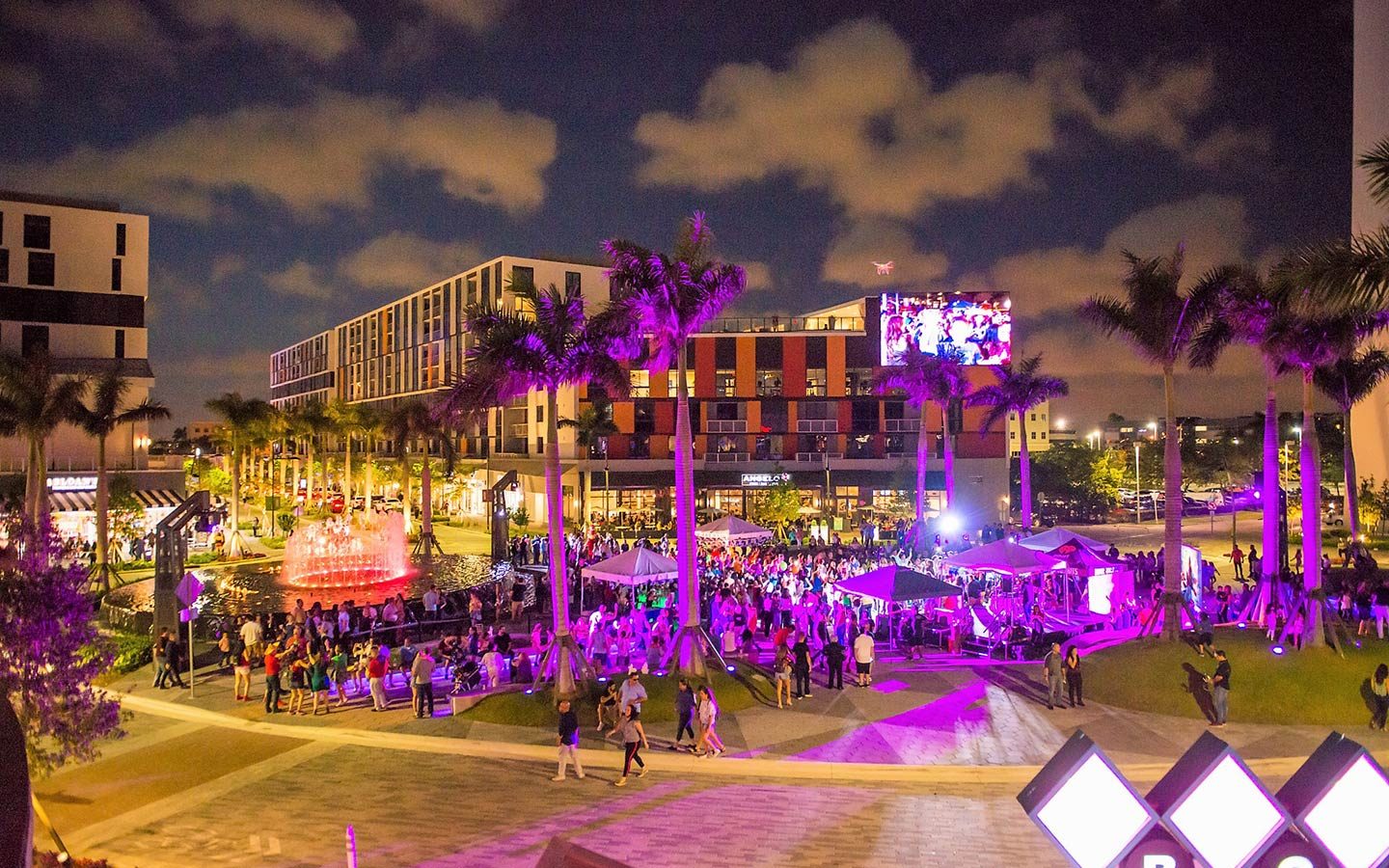
The walkable core, with CityPlace Doral’s shops and restaurants, is the strongest rental submarket in terms of tenant demand and lowest vacancy, because renters want to walk to dinner and not sit in traffic on the 836. Condos and townhomes here rent fastest, but purchase prices are also highest, which compresses cap rate. This is the submarket to choose if you want low vacancy risk over high yield. For a fuller breakdown of what’s available here versus the rest of Doral, see Doral Neighborhoods: Downtown Doral, Doral Isles, and Where to Live in 2026.
Doral Isles and NW Doral
These communities, largely single-family and townhome product built from the mid-2000s through today, offer better cap rates than Downtown Doral because purchase prices per square foot are lower while rents for 3 and 4-bedroom homes stay strong, particularly from the school-driven family renter pool. This is generally the better zone for cash flow-focused investors.
The 41st Street corridor
Closer to the logistics and distribution employment base, this area skews toward more affordable townhome and condo product, often in the $380,000 to $550,000 range, similar to Park Central Doral’s pricing. Rents are lower in absolute dollars but purchase prices are lower too, so the yield math can actually outperform the pricier Downtown core.
Short-Term Rental Rules: What You Need to Confirm Before You Buy
Doral is not Miami Beach or Fort Lauderdale when it comes to short-term rental flexibility. Most HOA-governed communities in Doral, whether condo, townhome, or single-family, restrict leases to a minimum of six months, and a meaningful number require a full one-year minimum lease term. This is written into the HOA’s governing documents, and it is enforced, because Doral’s HOAs are generally well-funded and active about protecting community character.
If your investment thesis depends on Airbnb-style short-term rental income, you have to pull the actual HOA rules for the specific building or community before you write an offer, not after closing. A listing agent telling you “I think short-term is fine” is not verification. Ask for the HOA’s rental policy in writing. The overwhelming majority of Doral investment property in 2026 is a long-term rental play, and you should underwrite it that way unless you’ve confirmed otherwise.
Doral vs. Other South Florida Investment Markets
Investors often ask how Doral stacks up against Weston, Kendall, or Pembroke Pines for rental property. The honest comparison: Doral wins on tenant demand density and rental speed because of the job base and airport proximity, but it often loses on HOA and CDD carrying costs compared to older, already-built-out suburbs where infrastructure debt has been paid down. Weston, for example, tends to have lower average HOA costs in its established communities and a renter pool that skews slightly more stable and long-tenured, though with less of Doral’s walkable, urban-adjacent appeal. For a direct side-by-side on lifestyle and value, read Doral vs. Weston: Which Western South Florida Suburb Makes More Sense?. Neither market is categorically better for investors. Doral rewards you with lower vacancy and faster leasing; Weston sometimes rewards you with a lower expense ratio.
Risks Worth Taking Seriously
Being direct about the downside matters as much as the upside pitch.
Insurance costs keep climbing
Florida property insurance has increased materially over the past three years, and Doral is not exempt. Budget conservatively, get a real quote before closing, not an estimate, and factor in that older resale properties will see the sharpest increases.
HOA special assessments
Newer communities occasionally levy special assessments for major repairs, roof replacement, or amenity upgrades, particularly in condo buildings now operating under Florida’s post-Surfside structural reserve requirements. Review the HOA’s reserve study before buying a condo. A building with underfunded reserves is a future assessment waiting to happen, and it will hit your return in a single year, not spread over time.
Appreciation has slowed from the 2020 to 2022 pace
Doral saw significant price appreciation coming out of the pandemic years. That pace has cooled into 2026, with prices in most Doral submarkets moving in the low single digits year over year rather than double digits. If your investment case depends on rapid appreciation rather than durable rental income, revisit the underlying assumptions. For where prices and conditions actually stand right now, see Doral Real Estate Market Update: Prices and Conditions in Mid-2026.
How to Run the Numbers Before You Make an Offer
Do this before you fall in love with a floor plan or a rendering:
- Pull the actual current rent comps for the specific unit type and community, not a citywide average.
- Get the exact HOA budget, reserve study, and any pending or past special assessments in writing.
- Confirm CDD debt balance and annual assessment amount if the community has one.
- Get a real homeowners insurance quote, not an estimate, before you’re under contract.
- Confirm the HOA’s minimum lease term and any rental cap (some HOAs limit what percentage of units in a building can be rented at one time).
- Calculate net cap rate, gross rent minus HOA, taxes, insurance, and a realistic vacancy allowance (one month per year is a fair assumption in most Doral submarkets), divided by purchase price.
If that net number lands below 3%, you are likely underwriting an appreciation play, not a cash flow play, and you should be honest with yourself about which one you’re actually buying.
Bottom Line
Doral investment property in 2026 works when you match the property type to your actual goal. If you want low vacancy and steady long-term tenant demand tied to real jobs and real schools, Downtown Doral and the surrounding NW Doral communities deliver that, at a cap rate in the 3.5% to 5% range once HOA and CDD costs are factored in honestly. If you’re chasing double-digit yield, Doral is not that market in 2026, and any pitch telling you otherwise isn’t accounting for real carrying costs.
If you’re weighing a specific property, whether it’s a resale townhome in Doral Isles or a new construction unit at a community like Westview at Doral, send me the address or the floor plan and I’ll run the actual comps, HOA numbers, and net cap rate with you before you make an offer. First-time investors and repeat buyers both get the same honest math, no exceptions.
More articles you might like
Is Westview at Doral Worth It? An Honest Look at Lennar's Doral Community
13 min readWestview at Doral in Doral: The New Construction Guide (Floor Plans, Pricing, What to Know)
14 min readWestview at Doral Review (2026): Prices, Floor Plans, HOA, CDD, and Who It's For
13 min readDoral vs Coral Gables: Two Very Different Versions of Miami-Dade Living
17 min readDoral vs. Weston: Which Western South Florida Suburb Makes More Sense?
13 min read