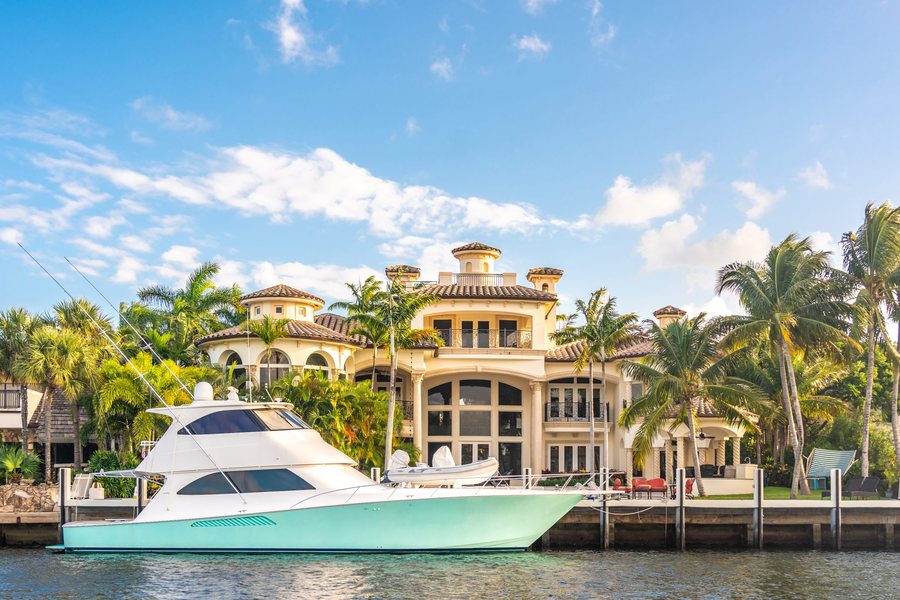
Deerfield Beach, Florida: The Complete Guide (2026)
Deerfield Beach, Florida Guide: Who This City Actually Fits
If you want beach access without paying Fort Lauderdale or Boca Raton prices, Deerfield Beach is one of the last places in this part of Broward County where that math still works. This Deerfield Beach, Florida guide breaks down what you’re actually buying into: the price reality by home type, the neighborhoods that matter, the schools, the commute, the tax and insurance numbers nobody puts on the listing sheet, and what’s happening with new construction as the city debates changing its skyline.
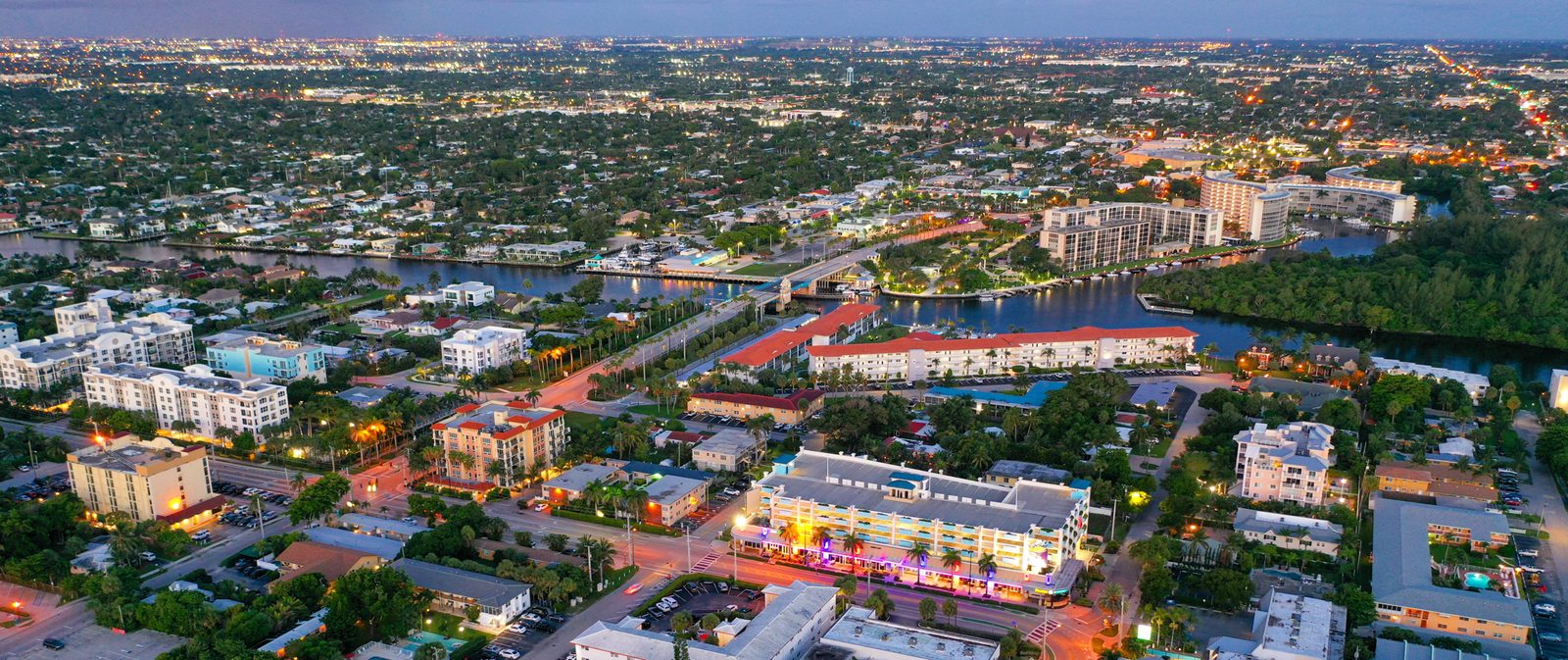
Deerfield Beach sits at the very top of Broward County, right against the Palm Beach County line at Hillsboro Boulevard. That location is the whole story. You get Broward’s lower cost structure (no separate Palm Beach County millage surprises) with proximity to everything Boca Raton offers: Town Center Mall, Mizner Park, and the Boca job corridor along Federal Highway and Yamato Road. It’s a city that’s been quietly absorbing buyers priced out of Boca and Fort Lauderdale for the last several years, and 2026 is no different.
The city breaks into two very different experiences. East of Federal Highway (US-1), you’re in the beach zone: the barrier island, the Intracoastal, the historic Deerfield Beach International Fishing Pier, and walkable Cove-area restaurants. West of Federal Highway, you’re in a suburban Broward neighborhood of golf communities, 55+ villages, and single-family subdivisions built mostly in the 1970s through 1990s. Buyers who don’t understand this split often end up disappointed. A retiree who tours Century Village expecting the walkable pier scene is going to be confused, and a young couple who buys a canal home in The Cove expecting a quiet, budget-friendly starter is going to be shocked by the price per square foot. Know which Deerfield Beach you’re buying before you write an offer.
Price Reality by Home Type
Numbers move month to month, but here’s the realistic 2026 range by product type so you can budget honestly instead of anchoring on a Zillow estimate that doesn’t reflect insurance and HOA reality.
Single-Family Homes
Standard single-family homes west of Federal Highway, in neighborhoods like Deer Creek and the areas surrounding Quiet Waters Park, typically run $450,000 to $750,000. Older homes on smaller lots without a pool sit at the low end. Renovated homes with a pool, updated roof, and impact windows push toward the top of that range or above it. A realistic scenario: a family relocating from the Midwest with a $550,000 budget can land a three or four bedroom home built in the 1980s or 1990s west of Federal Highway, often with a fenced yard and an older roof that will need a 4-point inspection before an insurer will write a policy. Add a newer roof and a pool, and that same budget starts competing for homes closer to $650,000. If you’re comparing this to what a similar buyer would pay in a newer Parkland or Coconut Creek community, it’s worth reading our First-Time Buyer’s Guide to Deerfield Beach, Florida (2026), which walks through starter-home budgets and loan realities specific to this market.
Condos and 55+ Communities
This is where Deerfield Beach becomes one of the most affordable coastal-adjacent cities in Broward. Century Village Deerfield Beach, the large 55+ active adult community, has co-op and condo units that can start in the $80,000 to $180,000 range. That price includes a maintenance fee, typically in the $300 to $600 a month range depending on unit size and building, that covers a lot: cable, water, exterior maintenance, and access to multiple clubhouses and pools. It’s not for everyone (age restrictions apply, and the fee structure needs a close read), but for retirees relocating from up north, it’s often the single best value in the county. One thing buyers miss: many of the units here are co-ops, not condos, which means financing is different. Expect cash purchases or association-specific financing rather than a standard FHA or VA loan, and expect a board interview as part of the approval process.
Beachfront and Near-Beach Condos
East of the Intracoastal, condo pricing changes entirely. Older, non-oceanfront buildings can still be found in the $200,000s to $400,000s. True oceanfront and near-oceanfront units run from the $500,000s past $1.5 million, depending on floor, view, and building age. HOA fees on beachfront buildings are meaningfully higher than inland Broward, often $700 to $1,500+ a month, because of insurance costs and structural reserve requirements post-Surfside. Florida’s condo safety law, which mandates milestone structural inspections and fully funded reserves for buildings three stories or taller once they hit 30 years old, has already triggered special assessments in some older Broward buildings. Before you write an offer on anything east of the Intracoastal, ask for the most recent reserve study and milestone inspection report, not just the HOA budget summary. That document tells you whether the fee you’re seeing today is the fee you’ll actually be paying in two years.
Townhomes and New Construction
Because Deerfield Beach is largely built out, brand-new townhome product is limited compared to newer-growth cities like Parkland or Coconut Creek. When new or newer-construction townhomes do come to market in the broader area, they tend to land in the $450,000 to $600,000 range, often running $280 to $320 per square foot, which is a real premium over the resale single-family stock west of Federal Highway. If new construction and low-maintenance living matter more to you than the specific city, it’s worth comparing against communities we’ve reviewed elsewhere in Broward, like Mainstreet in Coconut Creek or Altessa at Wilton Manors, both of which offer the newer-build experience Deerfield’s inventory mostly can’t.
Property Taxes, Insurance, and HOA Reality
This is the section most listing sheets skip, and it’s the one that actually determines your monthly payment. Deerfield Beach sits in Broward County, so you’re working with Broward’s millage rate, not Palm Beach County’s, which matters if you’re cross-shopping the two counties. Once you close, your property gets reassessed at the purchase price the following tax year, which means the tax bill you see on the listing (based on the current owner’s homesteaded, capped assessment) is almost never the number you’ll actually pay. Build your budget around the post-sale reassessed value, not the seller’s old bill.
Insurance is the bigger variable, and it’s the one most out-of-state buyers get wrong. The listing’s current insurance premium tells you almost nothing about what you’ll pay, because it reflects the seller’s policy, their claims history, and often a homestead discount that doesn’t transfer. Before you make an offer, especially on anything built before the 1990s or anything east of Federal Highway in a flood zone, get an actual insurance quote in hand. Flood zone matters enormously here: a home in Zone X pays a fraction of what a comparable home in Zone AE pays, and Deerfield’s barrier island sits largely in the higher-risk flood zones. Wind mitigation credits for a newer roof, impact windows, and hurricane shutters can meaningfully lower your premium, so ask sellers for their wind mitigation inspection report if they have one. Skipping this step is the single most common reason relocating buyers blow their monthly budget in the first year.
Neighborhoods to Know
The Cove
The Cove is Deerfield Beach’s Intracoastal waterfront neighborhood, and it’s the closest thing the city has to a “boater’s paradise” address. Homes here range from modest canal-front ranches to larger waterfront properties with private docks, and prices reflect the water access: $700,000 to well over $2 million for true deepwater lots. Not every canal in The Cove has ocean access without a fixed bridge, so if you’re buying specifically for a boat, confirm bridge clearance and no-wake zones before you fall in love with a dock. The Cove Shopping Center anchors the area with restaurants and everyday retail within walking distance for a lot of residents.
Century Village
Already mentioned on price, but it deserves its own note as a neighborhood: Century Village is essentially a self-contained city within the city, with its own theater, multiple pools, tennis and pickleball courts, a library, and shuttle service to shopping and medical appointments. It’s overwhelmingly a 55+ community and it’s one of the largest concentrations of that demographic in South Florida. If you’re relocating a parent or you’re retiring yourself and want built-in social infrastructure without a car, this is the neighborhood to tour first. Just know the buy-in process takes longer than a standard condo purchase, so build extra time into your closing timeline.
Deer Creek
Deer Creek is a golf course community west of Federal Highway with a mix of single-family homes and attached villas. It draws a mix of retirees and working buyers who want a quieter, more established feel than the newer western Broward suburbs. Homes here tend to sit in the $400,000s to $600,000s, with golf-course-view lots commanding a premium. Membership structure varies by section, some are bundled into the HOA fee and some are optional, so confirm which model applies to the specific home you’re looking at before you assume golf access is included.
The Beach Barrier Island
This is the walkable strip around the Deerfield Beach International Fishing Pier, Ocean Way, and NE 2nd Street. It’s a mix of condos, small motels being converted or redeveloped, and a handful of single-family homes. Several of the older motor lodges along this stretch have already changed hands in the last few years, a sign of where investor interest is pointed. This is the zone most affected by the height and redevelopment conversations happening right now (more on that below), so pricing here has more upside and more uncertainty than the inland neighborhoods.
Quiet Waters and Surrounding Suburbs
The area around Quiet Waters Park (a 430-plus acre county park with a lake, cable-ski park, mountain bike trails, and camping) is one of the more family-friendly pockets of the city. Homes here are mostly 1980s and 1990s single-family construction, priced similarly to Deer Creek, and popular with buyers who want proximity to the park’s trails and events without paying beachside prices. Families cross-shopping this area often end up looking at Coconut Creek and Margate too, both a short drive west, for a slightly newer housing stock at a similar price point.
Schools
Deerfield Beach is served by Broward County Public Schools. The core zoned schools include Deerfield Beach Elementary, Quiet Waters Elementary, and J.C. Mitchell Elementary at the elementary level, feeding into Deerfield Beach Middle School and Deerfield Beach High School. Deerfield Beach High is a large comprehensive high school with an International Baccalaureate program, which matters if you’re relocating a family that wants an IB track without leaving Broward for Palm Beach County. Broward County also runs a countywide school choice program, so families who don’t love their zoned assignment do have options to apply into other schools with available seats, it’s just worth understanding that process takes planning and isn’t guaranteed.
Families who want more school choice also look at charter options in neighboring Coconut Creek and Coral Springs, both a short drive west. If school ratings are your top filter and you’re open to trading a little beach proximity for a stronger zoned-school guarantee, it’s worth reading our Miramar, Florida: The Complete Guide (2026) for comparison, since Miramar’s school zoning conversation looks very different from Deerfield’s.
Commute and Location
This is Deerfield Beach’s real advantage. The city has direct access to both I-95 (exits at Hillsboro Boulevard/SR-810 and Sample Road) and Florida’s Turnpike, which puts most of Broward and southern Palm Beach County within a 30-minute reach.
Real drive-time benchmarks from central Deerfield Beach:
- Downtown Boca Raton: about 15 minutes north via Federal Highway or I-95
- Downtown Fort Lauderdale: about 25 minutes south via I-95
- Fort Lauderdale-Hollywood International Airport (FLL): about 25 to 30 minutes
- Boca Raton’s Yamato Road office corridor: about 15 to 20 minutes
- Coconut Creek and Coral Springs: 15 to 20 minutes west
For remote workers or hybrid employees who need occasional access to both the Fort Lauderdale and Boca job markets, Deerfield Beach is genuinely one of the better-positioned cities in the county. You’re not fully committed to either metro, and that flexibility shows up in resale demand. Buyers who don’t want to drive at all also have the Boca Raton Brightline station about 15 minutes north, giving car-free access south to Fort Lauderdale and Miami or north to Orlando, something almost no other Broward beach city offers this close to home.
Lifestyle and What Daily Life Looks Like
Deerfield Beach’s identity is built around three things: the pier, the park system, and a slower pace than its neighbors to the south.
The Deerfield Beach International Fishing Pier is the city’s anchor. It’s a working pier with a bait shop, oceanfront dining nearby, and a public beach that doesn’t feel as packed or commercialized as Fort Lauderdale Beach or Hollywood Beach. This is a real draw for buyers who want beach access without the tourist density.
Quiet Waters Park gives the city something most beach towns lack: a genuine outdoor recreation hub with a lake, cable-ski park, mountain bike trails, a splash park, and campsites. It’s a legitimate weekend destination, not just a strip of green space, and it regularly hosts community festivals and concerts that give the city a small-town feel most of coastal Broward has lost.
Dining and retail lean casual and local rather than luxury-branded. The Cove area and the downtown corridor along Hillsboro Boulevard have a growing mix of independent restaurants, and that’s part of a broader redevelopment push the city has been pursuing for years: revitalizing the historic downtown near Dixie Highway and NE 2nd Street with mixed-use buildings instead of the aging strip malls that have sat there for decades. The city’s Founders’ Day festival and regular pier-area events are worth building into a tour if you’re weighing lifestyle fit, not just price per square foot.
New Construction and What’s Actually Changing
Here’s the reality most generic guides won’t tell you: Deerfield Beach doesn’t have the kind of large master-planned new construction you’ll find in Parkland or Coconut Creek. There’s no equivalent to Cascata at MiraLago in Parkland or Saltgrass at Heron Bay inside Deerfield’s city limits, because the land simply isn’t there. The city is largely built out west of Federal Highway, so growth has to come from redevelopment rather than greenfield building.
That’s exactly what’s happening right now, and it’s the biggest story in Deerfield Beach real estate heading into 2026. City leaders are actively reconsidering the strict height limitations that have kept the beachfront low-rise for decades. Proposals on the table would allow buildings of 8 to 12 stories along the beach, a significant change from the current caps, aimed at addressing the broader South Florida housing shortage. This mirrors conversations already playing out across the region, where other South Florida cities are wrestling with the same tradeoff between preserving low-rise character and adding housing supply, and it puts Deerfield in a similar position to where Pompano Beach and Hollywood stood a decade ago before their own oceanfront corridors were rebuilt.
What this means for buyers and investors:
- Beachfront land and older low-rise condos become more valuable as redevelopment plays, since a taller allowable height increases what a developer can pay for the underlying lot.
- New oceanfront product, if approved, will price at a premium compared to the older buildings it replaces, similar to what’s happened in Pompano Beach and Hollywood over the past decade.
- Longtime residents are split, and this is a real local debate, not a rubber stamp. If you’re buying specifically for the current low-rise character of the beach, understand that character may not be permanent.
- Older low-rise condo owners should watch reserve and assessment obligations closely, since redevelopment pressure can accelerate decisions about whether an aging building gets renovated, sold to a developer, or assessed heavily to meet the newer structural reserve laws.
For buyers thinking in terms of appreciation, this is worth watching closely over the next 12 to 24 months. Early buyers in a neighborhood on the edge of a zoning shift often see the biggest upside, but there’s also real execution risk if the height changes stall in city hearings. This isn’t a guaranteed outcome, it’s a live policy fight, and you should treat it that way rather than as a done deal when you’re running your own numbers.
Relocating to Deerfield Beach From Out of State
If you’re moving here from out of state, the biggest budgeting mistake isn’t the purchase price, it’s assuming the seller’s current property tax and insurance numbers will carry over to you. They won’t. Florida’s homestead exemption and Save Our Homes assessment cap only apply to the owner who has them in place, and they don’t transfer to a buyer, even one moving in immediately. Your first full tax year will reflect the purchase price, not the seller’s capped assessment, so run your own numbers rather than trusting the listing’s tax line.
The same logic applies to insurance. Get a quote from a Florida-licensed agent before you go under contract, not after, especially on anything built before wind mitigation standards tightened or anything within a mile of the Intracoastal or ocean. A home that looks affordable on a national listing site can turn into a very different monthly payment once real Florida insurance and a realistic post-sale tax bill are layered in. This is exactly the trap that catches relocating buyers using a generic online mortgage calculator instead of local numbers, and it’s worth working through with an agent and lender who actually operate in Broward before you fall for a listing price that doesn’t tell the whole story.
Who Should Actually Buy in Deerfield Beach
Retirees and near-retirees get outsized value here, especially through Century Village, where the entry price and built-in amenities are hard to match anywhere else on the Broward coast.
First-time buyers priced out of Boca and Fort Lauderdale can still find single-family homes in the $450,000s west of Federal Highway, which is increasingly rare this close to the beach. Read the First-Time Buyer’s Guide to Deerfield Beach before you start touring, since financing a starter home here has its own quirks around insurance and older housing stock.
Boaters and waterfront buyers should be looking exclusively at The Cove, where deepwater access and Intracoastal proximity justify the premium over inland Broward pricing.
Remote and hybrid workers who need reasonable access to both the Fort Lauderdale and Boca Raton job markets, or who want Brightline access without living in either downtown, will find Deerfield’s location genuinely hard to beat for the price.
Downsizers moving from beachfront Boca or Fort Lauderdale who want to stay near the water without paying beachfront-Boca prices often land well in Deerfield’s near-beach condo stock, trading a little polish for real savings.
Buyers who want brand-new construction with modern floor plans and low-maintenance HOA living should widen their search to nearby cities. Deerfield Beach simply doesn’t have the current inventory to compete with newer product like Hanson Preserve in Cooper City or the townhome options at Mainstreet in Coconut Creek. That’s not a knock on Deerfield, it’s just a different kind of market, and knowing that upfront saves you a wasted weekend of showings.
The Bottom Line
Deerfield Beach is a value play with real upside, not a compromise. You’re trading brand-new construction and master-planned amenities for beach proximity, an established community feel, and price points that are genuinely hard to find this close to the ocean anywhere else in Broward. The city’s own debate over building heights tells you where things are headed: more density, more redevelopment dollars, and likely higher prices on the barrier island over the next several years. Layer in honest tax and insurance numbers before you commit, not the seller’s old bill, and you’ll budget this market accurately instead of getting surprised at closing.
If your priority is new construction and low-maintenance living, look west toward Coconut Creek, Parkland, or Cooper City. If your priority is beach access, a lower cost of entry than Boca or Fort Lauderdale, and a community that’s still figuring out what it wants to become, Deerfield Beach deserves a serious look right now, before the next round of redevelopment resets the pricing.


Watch: learn more
Go deeper with my South Florida Insider videos.

The Best Flex-Space Townhome in West Palm Beach: Pulte's Nautical Plan

Inside Everton's Latitude II Model: $458k New Homes In Palm Beach
The Best Flex-Space Townhome in West Palm Beach: Pulte's Nautical Plan
More articles you might like
First-Time Buyer's Guide to Deerfield Beach, Florida (2026): Budgets, Loans, and Starter Neighborhoods
18 min read
Hallandale Beach, Florida: The Complete Guide (2026)
18 min read
Is Avenir Worth It? An Honest Look at Multiple builders's Palm-Beach-Gardens Community
20 min readCost of Living in Palm Beach County in 2026: What Relocating Buyers Actually Pay
7 min read
How to Choose the Best Suburb in Palm Beach County for Your Family (2026)
17 min read