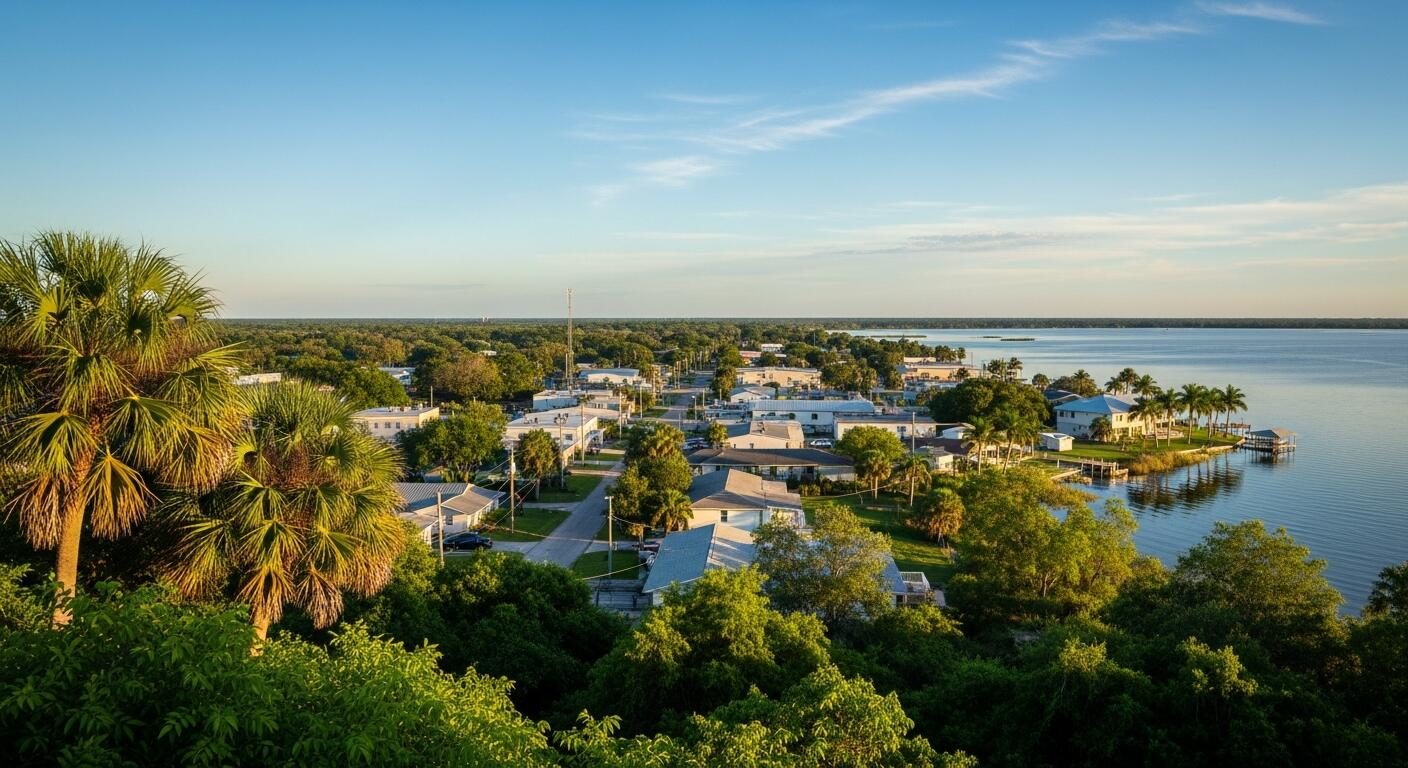
Buyer's Guide to Loxahatchee Groves, FL: What to Know Before You Purchase
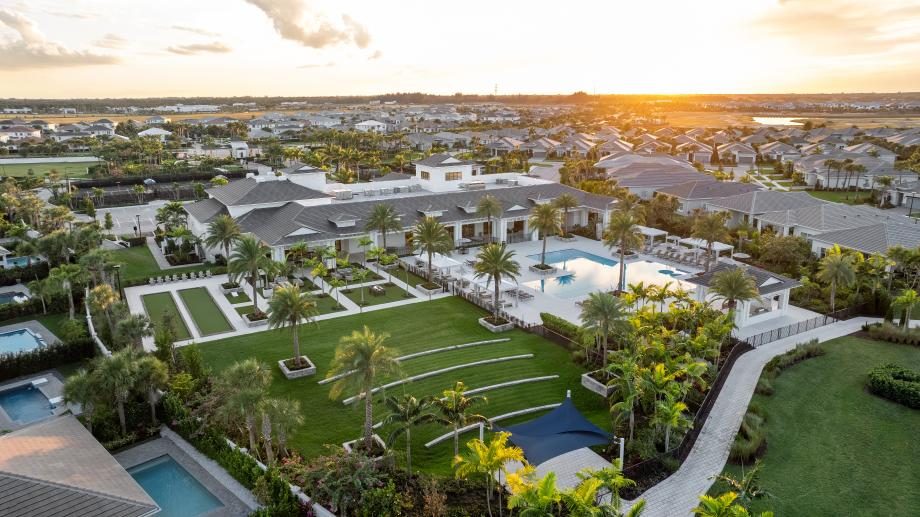
Loxahatchee Groves incorporated as its own town in 2006, carved out of unincorporated western Palm Beach County to protect its agricultural, low density character from the kind of suburban development that swallowed The Acreage and Royal Palm Beach. It sits west of Royal Palm Beach and just north of Wellington, roughly bordered by Southern Boulevard (SR 80) to the south and B Road and the Loxahatchee Groves canal system running through the middle. The 33470 zip code covers most of the town.
There is no downtown in the traditional sense. What you’ll find instead is a grid of dirt and limerock roads, canals, citrus groves that gave the area its name, and lots that run from just under an acre to five acres or more. It’s the town’s deliberate answer to the question of what happens after every other close in western suburb finishes building on quarter acre lots. For a fuller picture of where prices and inventory stand right now, our Loxahatchee Groves real estate market report for 2026 breaks down trend lines in more depth than this guide will.
If you’re building a buyer’s guide to Loxahatchee Groves, FL, what to know before you purchase starts with one fact that changes everything else: this is not a subdivision, it’s a town built around acreage. There’s no clubhouse, no HOA newsletter, no builder sales center on a corner lot. What you get instead is land, privacy, and a lifestyle that West Palm Beach, Wellington, and Royal Palm Beach can’t replicate anymore because they’ve already been built out. That trade off is exactly why some buyers love it and why others should look elsewhere.
This guide covers what your money actually buys in Loxahatchee Groves, how utilities and zoning work out here, what new construction realistically looks like, and the due diligence steps that matter more here than almost anywhere else in Palm Beach County. Read it before you tour, not after you’ve already fallen for a listing photo of a barn and a paddock at golden hour.
What Loxahatchee Groves Actually Is
The town covers roughly seventeen square miles and was home to fewer than ten thousand residents at incorporation, and it has grown slowly by design since. That’s the point. Where Royal Palm Beach and Wellington took agricultural land and rezoned it for platted subdivisions with sewer, water, and sidewalks, Loxahatchee Groves went the other way. Residents voted to incorporate specifically to control their own zoning and keep the town from being annexed into a neighbor that would have brought density with it.
The result is a patchwork of horse farms, citrus groves that are mostly gone now but still name the roads and the town itself, single family homes on acreage, and a small but real agricultural economy that includes nurseries and small scale farming operations. You’ll see roadside produce stands next to million dollar equestrian estates, and you’ll see 1970s block homes on a well and septic system two lots down from a newly built custom home with a six stall barn. That range is normal here. It’s not a sign of a transitioning neighborhood the way it might be in a more traditional suburb, it’s just how a town with minimum acreage zoning and no builder-driven uniformity looks.
Getting oriented matters because Loxahatchee Groves isn’t one thing. The northern half, closer to Okeechobee Boulevard, feels different from the southern half near Southern Boulevard, which feels different again from the eastern edge that borders Royal Palm Beach’s built out subdivisions. Drive the actual roads before you commit to a search radius. A map pin doesn’t tell you whether your daily drive is on paved county road or a limerock road that turns soft after a heavy rain.
What to Know Before You Purchase in Loxahatchee Groves, FL
Before you get attached to a listing photo of a pool and a barn, understand the three things that separate buying here from buying almost anywhere else in the county:
- You are very likely buying a well and a septic system, not city utilities. This affects financing, insurance, and your closing timeline.
- Your road may not be publicly maintained. Many interior roads are private, unpaved, or maintained through the Loxahatchee Groves Water Control District rather than the town or county.
- Zoning here protects agricultural use, which is the whole point. That’s good news if you want horses and bad news if you were hoping for sidewalks, streetlights, and a Publix five minutes away.
None of these are dealbreakers. They’re just facts that need to be priced into your offer and checked during due diligence, which we’ll walk through in detail below.
A fourth point worth adding, because it trips up buyers who are relocating from out of state more than anyone else: financing an acreage property with a well and septic system is not identical to financing a standard subdivision home. Some conventional lenders want additional documentation on the well and septic before clearing to close, and appraisers working in Loxahatchee Groves need to be comfortable with rural comparable sales, which are thinner on the ground than comps in a platted community. Ask your lender directly, before you write an offer, whether they’ve closed loans in Loxahatchee Groves specifically. Not every lender has, and the ones who haven’t tend to slow down right when you need speed the most.
Price Ranges: What Your Money Actually Buys
Pricing in Loxahatchee Groves tracks acreage and home condition more than square footage alone, which is different from how most South Florida buyers are used to shopping. A buyer coming from a coastal condo market has to unlearn price per square foot as the primary lens and start thinking in price per acre plus the condition and utility of whatever structures sit on that acre.
Under $600,000
At this level you’re typically looking at older ranch style homes on one to two acres, built in the 1980s or 1990s, often needing updates to the kitchen, roof, or well and septic systems. Some smaller parcels closer to Southern Boulevard fall into this range. These are entry points for buyers who want the acreage lifestyle and are willing to renovate.
A realistic buyer here is someone who currently owns a townhome in Royal Palm Beach or Wellington, has equity to put down, and wants land more than they want a finished product. Go in with a renovation budget already sketched out, because the sale price is rarely the full cost of ownership. A dated well pump, an aging drain field, and a roof past its insurable age can each add five figures before you’ve hung a single picture.
$600,000 to $1,000,000
This is the heart of the market. Expect three to five bedroom homes on one to three acres, many with a barn, a detached garage or workshop, or a fenced paddock already in place. Homes built in the 2000s and 2010s with updated kitchens and impact windows sit comfortably in this band. Buyers who want horse property without a full custom build spend most of their time shopping here.
This is also where competition is tightest. A well maintained four bedroom home on two acres with a two or three stall barn, updated systems, and a paved or well graded road tends to move quickly, sometimes with multiple offers, because it hits the sweet spot equestrian buyers and move up families both want. If you find one that checks those boxes and the due diligence comes back clean, don’t expect to negotiate hard on price. Expect to negotiate on repair credits and closing timeline instead.
$1,000,000 to $2,000,000+
At the top end you’re paying for larger acreage (three to five plus acres), newer or fully renovated homes, and equestrian infrastructure like multi-stall barns, riding rings, and irrigated pastures. Some of these properties are effectively small horse farms with a residence attached rather than the reverse. Custom built homes with high end finishes, guest houses, and detached apartments also land here.
Buyers at this level are frequently active competitors or trainers who work the Wellington equestrian circuit and want to live close enough to haul horses in fifteen to twenty minutes rather than boarding them off site. Others are simply buyers who sold a smaller coastal property, took the equity, and want the kind of acreage that doesn’t exist anywhere closer to the water. Either way, at this price point the barn, the ring footing, and the irrigation system deserve their own inspection, separate from the house inspection. A beautiful six stall barn with a failing footing base or an undersized electrical panel is not a cosmetic problem, it’s a functional one, and it should be treated with the same seriousness as a roof or an HVAC system.
For comparison, buyers cross shopping western Palm Beach County often look at Westlake’s newer master planned pricing or the acreage lifestyle covered in our Loxahatchee Groves market report to understand where the value gap sits between a built out community and raw acreage with a house on it.
Well Water, Septic, and the Loxahatchee Groves Water Control District
This is the section most out of town buyers underestimate, so read it carefully. If you take one thing from this entire guide, take this section.
Private wells
Almost every home in Loxahatchee Groves draws its water from a private well rather than a municipal system. Well water is generally reliable here, but it needs to be tested for bacteria, nitrates, and in some cases sulfur content before closing. A well pump and pressure tank have a working life, and replacing either isn’t cheap, so get the well inspected by a licensed contractor, not just visually checked by the home inspector.
Ask the seller for the age of the well itself, not just the pump. A well drilled in the 1980s that’s still on its original casing is a different conversation than one redrilled in the last decade. Water quality can also vary lot to lot depending on depth and proximity to agricultural runoff, so don’t assume a clean test on the house next door means anything about the one you’re buying. Test your specific well, every time, no exceptions.
Septic systems
Wastewater runs through individual septic systems rather than sewer lines. A septic inspection (sometimes called a “septic scope” or dye test) should be a non negotiable line item in your contract. Ask when the tank was last pumped, how old the drain field is, and whether the system was sized for the current number of bedrooms. An undersized or failing drain field is one of the most expensive surprises a buyer can inherit.
Here’s the scenario that catches buyers off guard: a home originally permitted as a three bedroom later gets a fourth bedroom added, whether through a permitted addition or an informal conversion of a den or office, but the septic system never gets upsized to match. The system functions fine day to day until it doesn’t, usually under heavier use than the seller ever put on it. Pull the permit history and compare the bedroom count on record against what you’re actually touring. If they don’t match, ask why, in writing, before you remove your inspection contingency.
The Water Control District
The Loxahatchee Groves Water Control District manages the canal network that drains the town and keeps low lying lots usable. Properties here typically pay a water control district assessment in addition to county property taxes. This assessment funds canal maintenance and drainage, which matters enormously during Florida’s wet season. Ask your agent or the title company to pull the district assessment history on any property you’re serious about, and understand that canal frontage can be an asset (irrigation, aesthetics) or a liability (erosion, fencing requirements) depending on the lot.
During Florida’s wet season, typically June through October, this drainage network is doing real work every day, not just sitting there as a line item on your tax bill. Walk a property you’re serious about after a heavy rain if you can, or at minimum ask the seller and neighbors how the lot handles standing water. A dry looking pasture in February can behave very differently in August, and that difference matters for pasture usability, driveway condition, and how comfortable you’ll be keeping horses or equipment on the land.
Roads
Some roads in Loxahatchee Groves are county or town maintained. Others are private, unpaved, or maintained collectively by adjoining property owners, sometimes without a formal maintenance agreement in place. Before you write an offer, find out who is responsible for grading and repairing the road your driveway connects to. This is a genuinely common source of dispute in rural Palm Beach County, and it’s fixable with a five minute records check, not a surprise you want at closing.
If your road is privately maintained, ask specifically how repairs have historically been funded. Some stretches operate on an informal handshake basis among neighbors, others have a documented cost sharing agreement, and a few have none of the above, meaning whoever cares most ends up paying most. None of these arrangements are automatically a problem, but you want to know which one you’re inheriting before you’re the new owner finding out the hard way after the next rainy season chews up the limerock.
Zoning, Livestock, and What You’re Allowed to Do With Your Land
Loxahatchee Groves is zoned primarily Agricultural Residential (AR), which is the legal foundation for everything that makes the town distinct.
- Horses and livestock: Permitted as of right on most lots, subject to setback and density rules tied to lot size. This is the town’s core identity and a major draw for buyers who ride, board horses, or compete on the Wellington circuit fifteen to twenty minutes south.
- Agricultural exemptions: Some larger parcels carry an agricultural tax exemption tied to bona fide agricultural use (citrus, pasture, etc.), which can meaningfully lower the property tax bill. Confirm during due diligence whether an exemption transfers or resets with a change of ownership and use.
- Accessory structures: Barns, riding rings, detached workshops, and guest houses are common and generally allowed, but each still requires permits through the town. Verify that any barn or addition you’re inheriting was permitted, not just built.
- RVs, commercial vehicles, and home businesses: Rules here are more permissive than in a typical HOA community but still regulated by the town’s land development code. If your plan involves running a business out of the property, storing commercial equipment, or keeping an RV long term, confirm it against current code before you buy, not after.
Buyers coming from an HOA community sometimes assume “no HOA” means no rules at all. That’s not accurate, and it’s worth correcting early. The town’s land development code still governs setbacks, structure permitting, and density, it’s just enforced through the municipal building department rather than a private homeowners association. The practical difference is that you won’t get a violation letter for parking a boat in your driveway, but you will still need a permit to add a barn, and the town will still enforce it if you skip that step.
If your priority is more structure and less DIY responsibility, it’s worth reading our honest comparison in Is Loxahatchee Groves a Good Place to Live?, which lays out the tradeoffs against nearby planned communities in plain terms.
New Construction and Custom Building in Loxahatchee Groves
There is no production builder rolling out cookie cutter phases in Loxahatchee Groves, and there won’t be. The town’s agricultural zoning and lot sizes make it structurally incompatible with the density that national builders need to pencil a community. If you want brand new construction here, you’re almost always looking at one of two paths:
- Buying a recently built custom home from a local builder who specializes in acreage properties, often with a barn or equestrian improvements already in place.
- Buying raw or lightly improved land and building custom, which means budgeting separately for a well, septic system, driveway, and often canal or drainage work before the house itself, on top of the build cost.
Custom building here takes longer than a production build in a platted subdivision, largely because permitting for wells, septic, and any agricultural improvements adds steps that a standard subdivision lot doesn’t require. Plan on the well and septic permitting and installation alone adding real time to your pre construction schedule, on top of the standard building permit process. Buyers who’ve built in a platted community before and expect a similar timeline here are consistently surprised by how much longer land prep takes when you’re starting from raw acreage instead of a finished, utility ready lot.
Land cost is also its own conversation. A raw one to two acre parcel without a well or septic already in place will price differently than an identical sized lot with utilities already installed, and that gap is easy to underestimate if you’re comparing listing prices without checking what’s actually been done to the land. Ask specifically whether a parcel has an existing well, septic, and cleared building pad before you assume the acreage price includes them.
Buyers who want the new construction experience without that timeline sometimes compare Loxahatchee Groves against a planned community like Westlake, where builders deliver on a schedule and utilities are already run to the lot. It’s a legitimate tradeoff to weigh: faster and more predictable in Westlake, more land and more privacy in Loxahatchee Groves.
Schools and Family Considerations
Loxahatchee Groves feeds into the western communities school zone, primarily Golden Grove Elementary, Osceola Creek Middle, and Seminole Ridge Community High School, the same cluster that serves much of The Acreage and parts of Royal Palm Beach. Families should confirm current zoning for a specific address directly with the Palm Beach County School District, since boundary lines shift and some parcels near the edges of town can zone differently than the interior.
Because the town has no downtown core, daily life for families runs through nearby Royal Palm Beach and Wellington for grocery stores, pediatricians, and after school activities. That’s a five to fifteen minute drive depending on where in Loxahatchee Groves you land, which is worth test driving at actual school pickup and rush hour times before you commit, not just on a quiet weekend showing.
Bus routes deserve a specific mention too. On unpaved or private roads, some families find the bus stop is a meaningful walk or drive from the house rather than curbside, especially on larger acreage parcels set back from the road. If your kids will ride the bus, ask where the actual stop is relative to your driveway before you assume it works the same way it did in a subdivision.
Families weighing Loxahatchee Groves against other western Palm Beach County suburbs should also look at our roundup of the best Palm Beach County suburbs for families relocating in 2026, which puts the acreage lifestyle side by side with more traditional planned communities.
Insurance and Ongoing Ownership Costs
Insurance is worth its own section because it changes the math on total cost of ownership more than most buyers expect. Homeowners insurance on a well and septic property, particularly one with an older roof or an outbuilding like a barn, can price differently than a comparable subdivision home with municipal utilities and a newer roof. Some carriers want documentation on the well and septic condition before they’ll write a policy at all, and barns or detached structures sometimes need to be scheduled separately.
Get quotes before you’re under contract, not after. This is worth repeating because it’s the single most common closing delay we see on rural Palm Beach County properties: a buyer waits until the loan is in underwriting to shop insurance, discovers the roof or the septic system creates a coverage problem, and now the closing date is at risk over something that could have been caught in week one.
Property taxes are the other piece. An agricultural exemption, where it applies, can meaningfully reduce the tax bill, but it’s tied to actual bona fide agricultural use, not just having pasture on the lot. If you’re not planning to keep the land in agricultural use, don’t count on the exemption carrying forward, and budget your taxes based on the non exempt rate until you know for certain.
The Due Diligence Checklist Before You Buy
This is the section to bookmark. Before you close on anything in Loxahatchee Groves, confirm each of these:
- Well water test for bacteria, nitrates, and mineral content, performed by a licensed water testing company, not just eyeballed.
- Septic inspection including a dye test, tank pump date, and drain field condition, matched against the actual bedroom count of the home.
- Water Control District assessment history and confirmation of what the assessment covers and whether it’s current.
- Road maintenance responsibility for your specific access road, in writing if possible.
- Flood zone determination through FEMA maps, since canal adjacent and low lying lots can carry different flood insurance requirements than you’d expect.
- Permit history on any barn, guest house, workshop, or addition, pulled from the town’s building department.
- Agricultural exemption status, if the listing advertises one, and whether it transfers or needs to be reapplied for.
- Zoning confirmation for your intended use, whether that’s horses, a home business, RV storage, or a future addition.
- Insurance quotes obtained before you’re under contract, since well, septic, and sometimes older roof conditions can affect both availability and cost of homeowners insurance.
- Utility easements and canal frontage rights, particularly for irrigation pumps or fencing near a canal bank.
Skipping any of these on a standard subdivision purchase is usually a minor risk. Skipping them in Loxahatchee Groves can mean inheriting a five figure septic replacement or a road dispute with a neighbor you didn’t know you had. Treat this list as a sequence, not a menu. Order the well and septic inspections early, since they take longer to schedule than a standard home inspection and their results can change how you negotiate everything else.
Who Loxahatchee Groves Is Right For
Loxahatchee Groves makes sense if you want land, privacy, and the ability to keep horses or run a small hobby farm without fighting an HOA board about it. It’s a strong fit for equestrian buyers who compete or train in Wellington, for buyers who want a workshop or detached space an HOA lot would never allow, and for anyone who has priced out true acreage closer to the coast and been priced out entirely.
It’s a weaker fit if you want walkability, new construction on a predictable builder timeline, sidewalks and streetlights, or the reassurance of a homeowners association handling road and drainage maintenance for you. Buyers in that camp are usually better served comparing options like West Palm Beach versus Palm Beach Gardens or Jupiter versus Palm Beach Gardens, both of which offer more built out infrastructure at the cost of the land and privacy Loxahatchee Groves specializes in.
There’s also a middle group worth naming directly: buyers who like the idea of acreage but aren’t sure they want the responsibility that comes with it. If that’s you, be honest with yourself before you write an offer. Owning a well and septic system, maintaining pasture, and potentially sharing responsibility for a private road is a different lifestyle than calling an HOA or the city when something breaks. It’s not harder, but it is different, and it rewards buyers who go in with eyes open over buyers who fall for the land and figure out the logistics later.
The Bottom Line
Loxahatchee Groves isn’t a community you buy into, it’s a lifestyle you commit to. The land is real, the privacy is real, and for horse owners and buyers tired of shrinking lot sizes, it’s one of the last places in eastern Palm Beach County where an acre or more is still attainable. But the well, the septic, the road maintenance, and the agricultural zoning aren’t footnotes, they’re the actual product you’re buying alongside the house. Get every item on the due diligence checklist done before you waive a contingency, and go in knowing exactly what you’re taking on.
If you want a second opinion on a specific Loxahatchee Groves address, including well and septic history, water control district assessments, or whether a barn was permitted, that’s the kind of digging worth doing before you write an offer, not after.

Watch: learn more
Go deeper with my South Florida Insider videos.
Solterra: Everything You Need to Know Before You Visit
Solterra: Everything You Need to Know Before You Visit
More articles you might like
Loxahatchee Groves, FL Real Estate Market 2026: Prices, Trends & What Buyers Should Expect
18 min readIs Loxahatchee Groves a Good Place to Live? Honest 2026 Review
16 min read
Buyer's Guide to Westlake, FL: What to Know Before You Purchase
13 min read
Buyer's Guide to Tequesta, FL: What to Know Before You Purchase
18 min read
Buyer's Guide to South Palm Beach, FL: What to Know Before You Purchase
19 min read