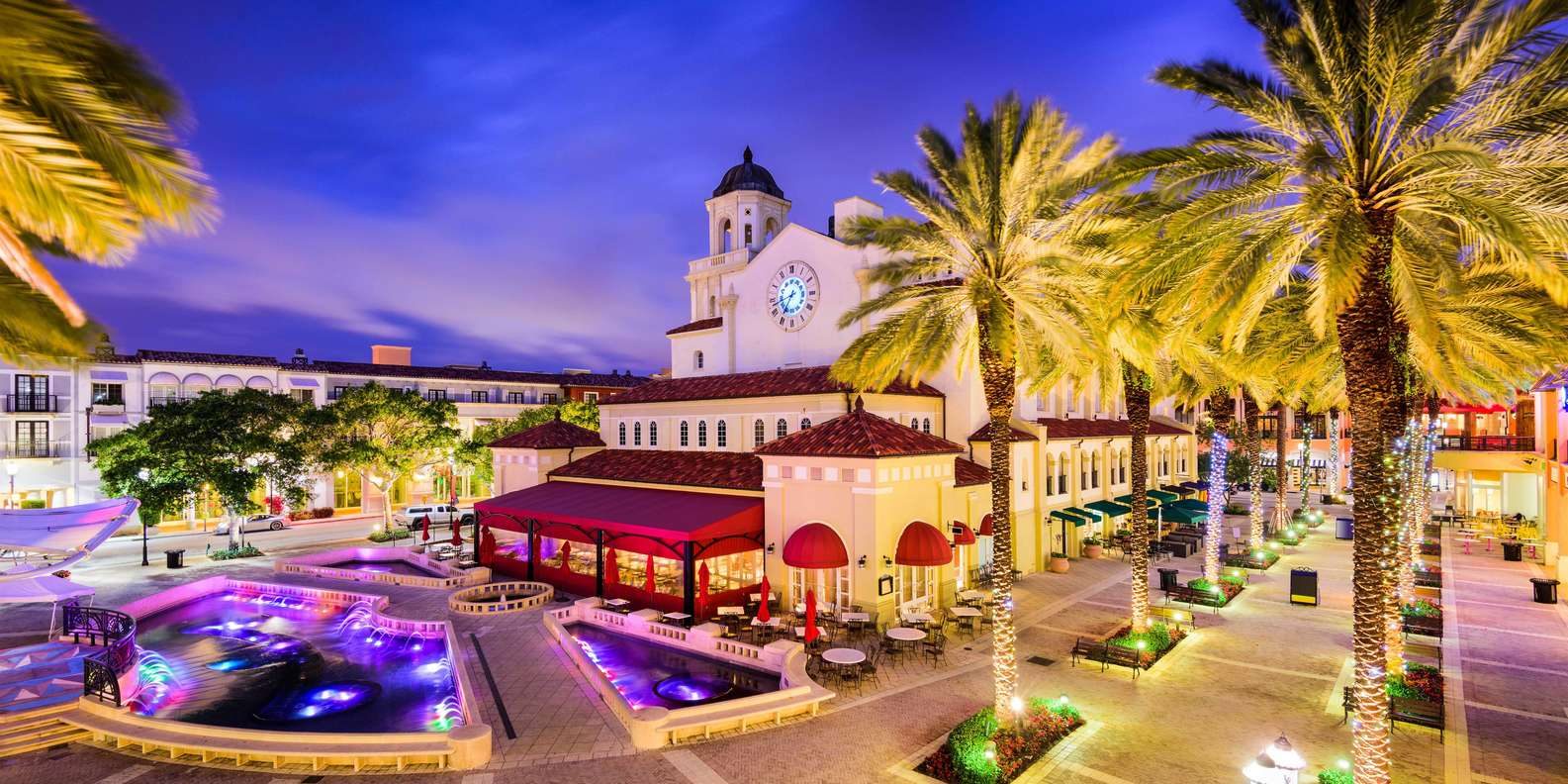
Cloud Lake, FL Real Estate Market 2026: Prices, Trends & What Buyers Should Expect
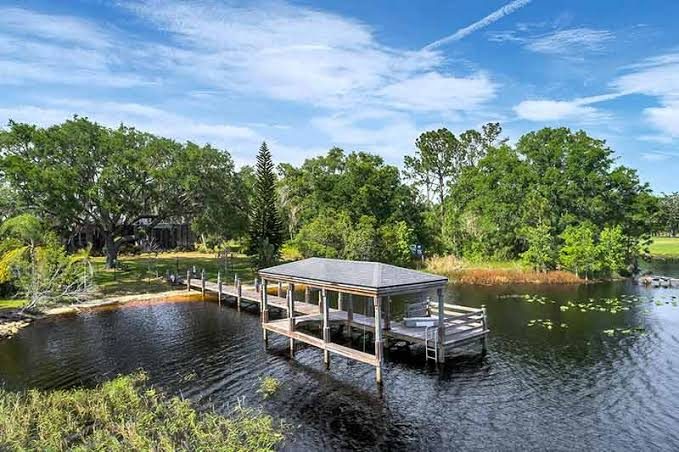
Cloud Lake, FL real estate market 2026 prices, trends, and what buyers should expect comes down to one thing most people searching for this town don’t realize going in: Cloud Lake barely has a “market” in the way West Palm Beach, Palm Springs, or Wellington do. It’s one of the smallest incorporated towns in Florida, tucked into Palm Beach County just west of downtown West Palm Beach, with roughly 70 homes total. In 2026, buyers should expect large lots, low turnover, a handful of sales a year at most, and prices that generally land between $450,000 and $750,000 depending on lot size, canal frontage, and how updated the home is. There is no new construction here, no builder inventory, and no HOA dictating your paint color. What you’re buying is scarcity and quiet, not square footage per dollar.
If you found this page searching for a typical suburban market report, complete with median price charts and month-over-month trend lines, I want to be upfront with you the way I’d be upfront with a client in my office: Cloud Lake doesn’t generate that kind of data. That’s not a dodge, it’s the actual story of this town, and understanding why is the first step to understanding whether Cloud Lake is even the right fit for you.
What Makes Cloud Lake Different From Everywhere Else in Palm Beach County
Cloud Lake was incorporated back in 1957, during the era when a handful of small residential enclaves in Palm Beach County chose to become their own towns rather than get absorbed into West Palm Beach or stay unincorporated. It sits off Haverhill Road, near the Congress Avenue corridor, close to John Prince Park and just a few minutes from I-95 and Florida’s Turnpike. Geographically, you’re surrounded by Palm Springs, Greenacres, and unincorporated West Palm Beach, but Cloud Lake operates as its own governing town.
What that means in practice: no commercial zoning, no strip malls, no apartment complexes creeping in. It’s purely residential, low density, and small enough that most people driving through wouldn’t clock it as a separate town from the surrounding area. The lots tend to be noticeably larger than what you’d find in a typical West Palm Beach or Palm Springs subdivision built in the same era, and several properties sit on or near canals.
This is the appeal for the right buyer: proximity to everything (downtown West Palm Beach, Palm Beach International Airport, I-95) with a genuinely quiet, low-traffic, low-density residential feel that’s becoming harder to find this close to the urban core of Palm Beach County.
Cloud Lake, FL Real Estate Market 2026: Prices, Trends & What Buyers Should Expect
Here’s the practical breakdown for anyone actually trying to buy here this year.
Pricing reality
Because so few homes trade hands in Cloud Lake in any given year, pricing has to be built from a combination of recent comparable sales inside the town and similar-lot properties in the immediately surrounding Palm Springs and West Palm Beach zip codes. Using that approach, realistic 2026 pricing looks like this:
- Older, unrenovated single-family homes on standard lots: roughly $450,000 to $550,000
- Updated or partially renovated homes: roughly $550,000 to $650,000
- Larger lots, canal frontage, or fully renovated homes: roughly $650,000 to $750,000+
Those are estimated ranges built from comparable sales, not a large statistical median, because Cloud Lake simply doesn’t produce enough annual transactions to generate one. If you’re comparing this to a media report that publishes a single “median home price” for Cloud Lake, treat that number skeptically. With this few sales, one $900,000 canal-front renovation or one $380,000 estate sale can swing a “median” wildly in either direction.
Trend direction
The broader trend across Palm Beach County’s inner-ring, close-to-West-Palm-Beach neighborhoods has been steady appreciation driven by relocation demand, limited resale inventory, and buyers getting priced out of Palm Beach Gardens and coastal West Palm Beach looking for value further inland but still close to I-95. Cloud Lake benefits from that same pressure. Because there’s effectively zero new supply possible (the town is built out, there’s no land for new construction), any increase in buyer demand runs directly into a fixed, tiny inventory. That’s a structural setup for price stability and slow appreciation, not for volatility in either direction.
What “inventory” actually looks like
Expect zero to three active listings in Cloud Lake at any given time, if that. This isn’t a market where you scroll a list of comparable options and pick your favorite. It’s a market where you set an alert, wait, and move fast and decisively when something in your range comes up. If you need to buy on a specific timeline, this constraint alone should factor heavily into whether Cloud Lake makes sense for you right now versus a nearby suburb with deeper inventory.
Why So Little Data Exists (And Why That’s the Honest Story)
I want to spend a section on this because most content about Cloud Lake either ignores the data problem or fakes precision it doesn’t have. With roughly 70 total homes in the town, and typical residential turnover rates, you’re looking at maybe two to five sales in Cloud Lake in a normal year. Some years, fewer.
That has real implications for you as a buyer:
- You can’t trust a single “average price” headline. A handful of sales, especially in a town this small, gets skewed hard by outliers.
- Appraisals can be tricky. Lenders pulling comps may need to reach outside the town limits into Palm Springs or unincorporated West Palm Beach to find enough recent, relevant sales, which can create friction in the financing process.
- You need a local set of eyes, not a Zillow estimate. Automated valuation models struggle with towns this small because they don’t have enough same-town data to weight properly. If you’re serious about Cloud Lake, get someone who tracks Palm Beach County new construction and resale patterns closely to pull real comps for you rather than relying on an algorithm.
This is the same honesty standard I try to bring to every Palm Beach County market breakdown, including the companion pieces on this town: the Buyer’s Guide to Cloud Lake, FL walks through the purchase process specifics, and the Is Cloud Lake a Good Place to Live? Honest 2026 Review covers day-to-day life here beyond the numbers.
Lot Sizes, Home Styles, and What You’re Actually Buying
Most Cloud Lake homes date from the mid-20th century, built during the town’s original development wave, with a mix of ranch-style single-family homes and some later infill. Lot sizes are the real differentiator here compared to nearby Palm Springs or Greenacres subdivisions built on standard 1970s-80s platted lots. Many Cloud Lake parcels run larger, some with direct canal access, giving a semi-rural feel despite being minutes from I-95.
What that means for your search:
- Renovation variance is high. Because turnover is so infrequent, you’ll find everything from fully original 1960s interiors to gut renovations, sometimes on the same block. There’s no consistent “builder standard” to expect, unlike a planned community.
- Lot value matters as much as house value. In a town this land-constrained, a smaller or dated house on a large canal lot can be a better long-term buy than a renovated house on a standard lot, especially if you plan to eventually update or expand.
- Get a real inspection, not a drive-by. Older housing stock in a market with almost no comparable recent sales means you can’t lean on “the market will tell you if something’s wrong.” Do your diligence the old-fashioned way.
If larger lots and low-density living are the actual draw for you, and you’re open to comparing towns with a similar profile, it’s worth also looking at Westlake, FL, a very different kind of small Palm Beach County town (planned and newly built versus legacy and built-out), to understand the tradeoff between Cloud Lake’s scarcity and Westlake’s new-construction predictability.
Location: Getting In and Out of Cloud Lake
Cloud Lake’s location is genuinely one of its strongest selling points, and it’s underappreciated because the town itself is so small that most buyers don’t discover it through a normal suburb search.
- I-95 and Florida’s Turnpike: both accessible within a few minutes, giving you fast north-south and east-west routing across the county
- Downtown West Palm Beach: roughly a 10 to 15 minute drive depending on traffic, putting Clematis Street, the waterfront, and the CityPlace/Rosemary district within easy reach
- Palm Beach International Airport (PBI): a short, direct drive, a real advantage if you fly often for work or have family visiting regularly
- John Prince Park: adjacent to the area, offering a golf course, lake, walking trails, and one of the larger county parks in this part of Palm Beach County
- Palm Beach State College and the Congress Avenue corridor: nearby for education and everyday retail/grocery needs, since Cloud Lake itself has none of that internally
The tradeoff is that Cloud Lake has no commercial services within the town. Every grocery run, every coffee, every gas fill-up happens outside the town limits in Palm Springs or West Palm Beach. For some buyers that’s a non-issue given the short drive. For others used to walkable retail, it’s worth weighing seriously.
Schools and Family Considerations
Cloud Lake is served by the Palm Beach County School District, with zoning determined by your specific address within the town, typically pulling from the Palm Springs/West Palm Beach cluster of campuses. Because the town is so small, there’s no dedicated “Cloud Lake school,” and families should verify current zoning directly with the district for any specific property before making an offer, since Palm Beach County periodically adjusts boundary lines.
If school-zone certainty and a broader range of family amenities within a planned neighborhood matter more to you than lot size and privacy, it’s worth comparing Cloud Lake against the broader field covered in Best Palm Beach County Suburbs for Families Relocating in 2026, which looks at towns with more built-in family infrastructure, parks, and newer school capacity.
HOA, Taxes, and Governance
This is where Cloud Lake genuinely stands apart from almost every other Palm Beach County residential town you’ll research. There is no traditional homeowners association and no CDD (Community Development District) assessment layered onto your tax bill. The town itself functions as the governing entity, meaning your fixed monthly costs are lower than what you’d pay in a planned community with amenity fees, gate maintenance, and reserve funding.
The flip side: no HOA also means no shared clubhouse, no community pool, no landscaping standard enforced across the block, and no pooled reserve fund for shared infrastructure. You’re trading amenities and uniformity for lower fixed costs and more personal control over your own property. For buyers coming from a heavily amenitized new-construction community, this can feel like a big shift. It’s the same tradeoff worth thinking through when comparing Cloud Lake to a fee-simple planned town like Westlake, where the Buyer’s Guide to Westlake, FL breaks down exactly what those HOA and CDD costs buy you.
Property taxes follow standard Palm Beach County millage rates plus the town’s own small municipal levy. Because home values here cluster in that $450,000 to $750,000 range, expect an annual tax bill roughly in line with any similarly valued home elsewhere in the county, adjusted for homestead exemption if it’s your primary residence.
How Cloud Lake Compares to Nearby Suburbs
If you’re cross-shopping, here’s the honest comparison:
Cloud Lake vs. Palm Springs: Palm Springs has significantly more inventory, more price variety, and more commercial infrastructure within town limits, but standard lot sizes and higher density. Cloud Lake wins on privacy and lot size, loses on selection and convenience.
Cloud Lake vs. unincorporated West Palm Beach (Haverhill/Congress corridor): similar location and drive times, but Cloud Lake’s incorporated status and small size mean tighter zoning control and no risk of commercial encroachment, which unincorporated pockets nearby don’t always guarantee long term.
Cloud Lake vs. Palm Beach Gardens or West Palm Beach proper: no comparison on amenities, walkability, or dining scene. If that’s what you’re after, look at the tradeoffs laid out in West Palm Beach vs Palm Beach Gardens: City Energy or Suburban Comfort?. Cloud Lake isn’t competing in that category. It’s competing on quiet, lot size, and proximity without the density.
Who Cloud Lake Actually Fits (Buyer Profiles)
Based on the structural realities above, Cloud Lake tends to make sense for:
- Buyers who value privacy and lot size over walkability and amenities. If your priority is space between you and your neighbor, plus room for a pool, a boat, or a workshop, this town delivers in a way denser Palm Beach County suburbs can’t.
- Relocators who need fast highway access but want to avoid dense subdivisions. The I-95/Turnpike proximity combined with low density is a rare combination this close to West Palm Beach.
- Patient buyers, not urgent ones. If you need to close within 60 days on a specific budget, Cloud Lake’s near-zero inventory works against you. If you can wait for the right property to surface, it works in your favor.
- Renovators comfortable buying older housing stock. Given the age of most homes here, buyers planning to update or rebuild will find more opportunity than buyers wanting turnkey move-in condition on day one.
Cloud Lake tends not to fit buyers who want a walkable town center, a resort-style HOA amenity package, new-construction warranties, or a fast, competitive multiple-offer buying process with lots of comparable listings to choose from.
What to Expect If You’re Trying to Buy Here in 2026
Practically speaking, here’s how to approach a Cloud Lake purchase this year:
- Set a listing alert and be patient. With so few active listings at any time, you need to be notified the moment something new comes up, not searching reactively once a week.
- Pre-qualify and be ready to move fast. When a Cloud Lake home does list, especially a renovated one or one with canal frontage, it won’t sit long given the scarcity. Have financing lined up before you start seriously looking.
- Budget for inspection and update costs. Given the age of the housing stock, factor renovation costs into your total budget rather than assuming the listed price is your final number.
- Work with someone who tracks Palm Beach County inventory closely. Because Cloud Lake produces so little public data, a real, current read on pricing requires someone actively watching this specific corner of the market, not a national real estate app’s estimate.
- Confirm school zoning and flood zone status for the specific address. Both can vary property to property given the town’s layout near canals and park land, and both affect your real cost of ownership.
The bottom line for Cloud Lake, FL real estate market 2026 prices, trends, and what buyers should expect: this is a scarcity market, not a volume market. You’re not choosing between ten similar listings and negotiating on price. You’re watching for the rare listing to appear and deciding quickly whether it’s the right fit. If large lots, low density, and fast highway access outweigh your need for amenities, retail convenience, and a wide selection of active inventory, Cloud Lake is worth the patience it requires. If you need more certainty and more options on a defined timeline, the surrounding Palm Beach County suburbs covered in our other guides will serve you better in 2026.
More articles you might like
Buyer's Guide to Cloud Lake, FL: What to Know Before You Purchase (2026)
13 min readIs Cloud Lake a Good Place to Live? Honest 2026 Review
13 min read
Coconut Creek Real Estate Market (2026): Prices, Trends, and What It Means for Buyers
18 min read
Weston Real Estate Market Update: Prices and Conditions in Mid-2026
13 min read
Westlake, FL Real Estate Market 2026: Prices, Trends & What Buyers Should Expect
13 min read