Boynton Beach, FL Real Estate Market 2026: Prices, Trends & What Buyers Should Expect
Boynton Beach, FL Real Estate Market 2026: Prices, Trends & What Buyers Should Expect
Here’s what you really need to know about the boynton beach fl real estate market 2026 prices trends and what buyers should expect: this is no longer the market it was in 2021 or 2022. Bidding wars over three-bedroom ranches are mostly gone. Inventory has loosened. Sellers are negotiating again. But prices haven’t crashed either, they’ve just stopped sprinting. Single-family resale homes are mostly changing hands between $375,000 and $650,000, condos and townhomes between $200,000 and $425,000, and new construction, almost all of it west of I-95 in gated 55+ communities, starts around $1.25 million. If you’re trying to figure out whether Boynton Beach still makes sense for you in 2026, the reality is it depends heavily on which Boynton Beach you’re actually buying into, because this city has at least four distinct submarkets that behave nothing like each other.
I work with buyers across Palm Beach County every week, and Boynton Beach is one of the places people underestimate the most. It gets lumped in with Delray Beach and Lake Worth as an afterthought, but it has its own identity: a working marina, a genuinely revitalized downtown, a massive stretch of 55+ gated communities out west, and pockets of older Florida neighborhoods that are quietly appreciating because they’re some of the last affordable ground east of the Turnpike. Let’s break down what’s actually happening here in 2026.
Where Boynton Beach Prices Actually Stand in 2026
Single-Family Homes
The bulk of Boynton Beach’s single-family resale inventory sits in the $375,000 to $650,000 range. That covers a lot of ground: 1970s and 1980s ranch homes in neighborhoods like Chapel Hill or Golfview Harbour on the lower end, and larger 2000s-era homes in communities like Canyon Trails or The Preserve at Bellaggio on the upper end. Homes needing a full renovation, older roofs, original kitchens, can still be found in the $325,000 to $375,000 range if you’re patient and willing to do the work. Move-in ready homes with updated kitchens and newer roofs in desirable school zones are routinely clearing $600,000 to $700,000 now.
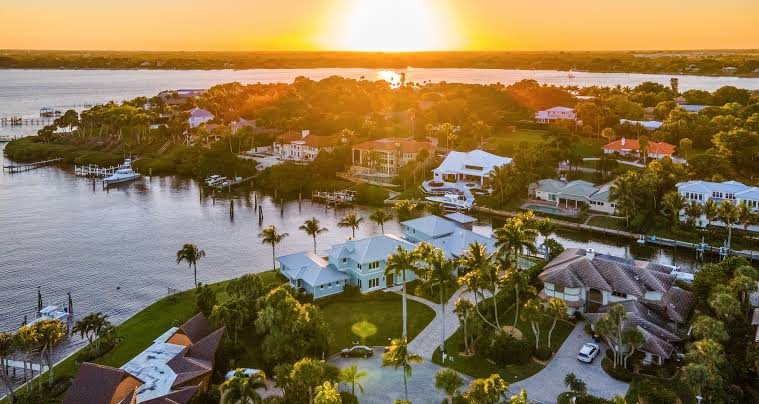
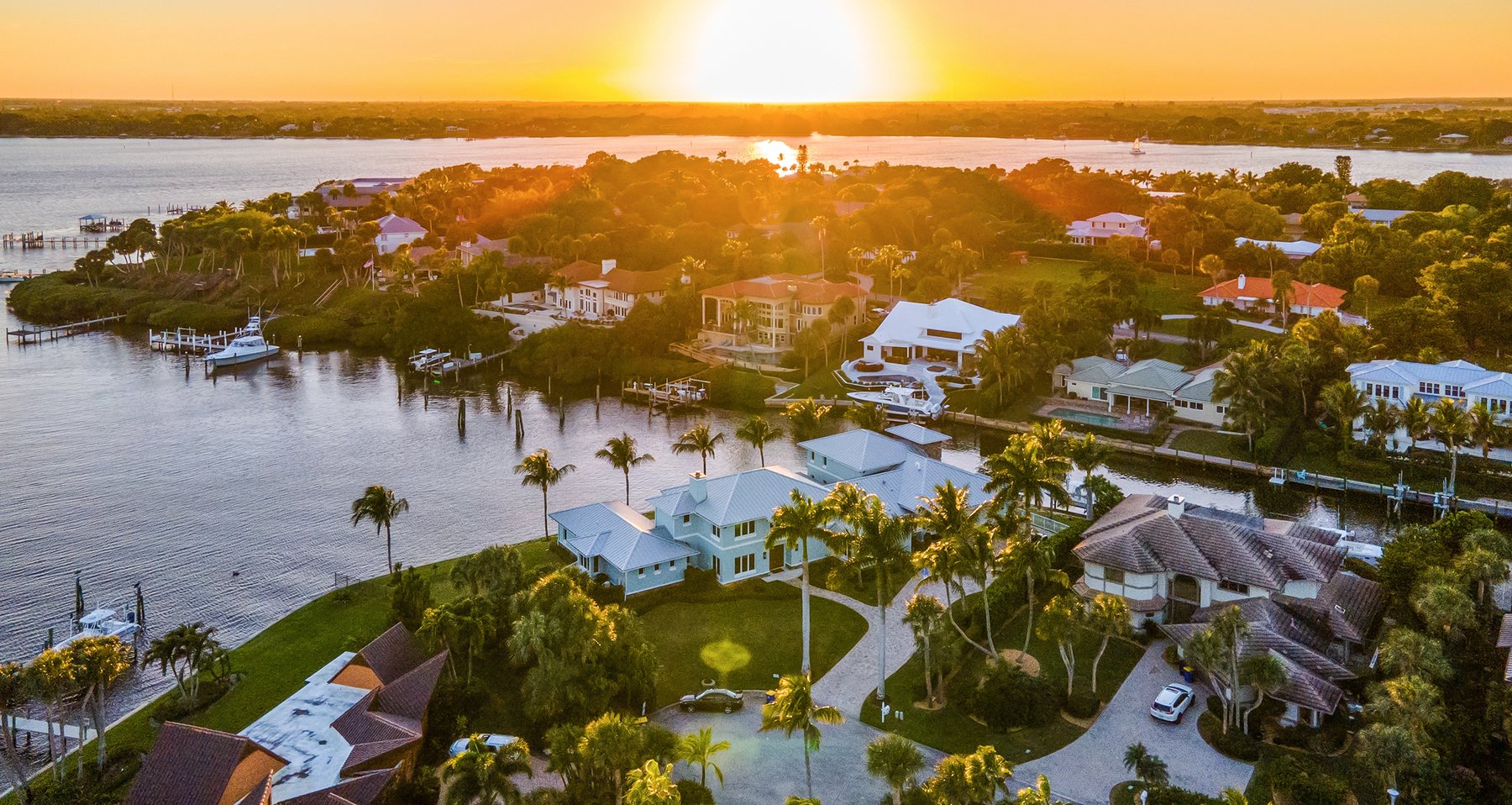
Waterfront changes the math entirely. Anything with direct Intracoastal or canal access with ocean egress starts around $900,000 and climbs well past $2 million for larger lots east of Federal Highway.
It helps to think about single-family Boynton Beach in three tiers. The first tier is the fixer stock: homes built between 1965 and 1985, mostly one-story, mostly on quarter-acre lots, mostly still on original terrazzo or 1990s tile under old carpet. These sell fastest to cash buyers and investors who plan to renovate and either flip or hold as a rental. The second tier is the updated mid-market home, the kind where a previous owner already replaced the roof, redid the kitchen, and swapped out the AC in the last five to eight years. That’s where most relocating families land, because it’s move-in ready without a 2022-style premium attached. The third tier is newer construction from the 2000s and 2010s inside communities like Canyon Trails, The Preserve at Bellaggio, or near Quantum Park, where you’re paying for concrete block construction to more recent hurricane codes, impact windows in many cases, and larger primary suites. Buyers who ask me “should I renovate or buy updated” almost always come out ahead financially buying updated in this market, because renovation costs and contractor availability in Palm Beach County haven’t gotten meaningfully cheaper even as home prices have leveled off.
Condos and Townhomes
This is where Boynton Beach still offers genuine value compared to Delray Beach or Boca Raton. Older 55+ condo buildings, think Village Royale on the Green or Palm Beach Leisureville, can still be found in the $150,000 to $225,000 range, though buyers need to look hard at HOA reserves and any pending Milestone Inspection or SIRS assessments given Florida’s post-Surfside condo laws. Newer townhome product in communities like Canyon Springs or the Renaissance Commons area runs $325,000 to $425,000. Renaissance Commons specifically, the mixed-use downtown-adjacent community, has held value well because residents can walk to restaurants and the movie theater, something almost nothing else in Boynton Beach offers.
The condo story here deserves more than a price range, because the financing side has gotten more complicated since 2023. Fannie Mae and Freddie Mac now flag buildings that haven’t completed milestone inspections or don’t have fully funded reserves, which means some of those cheap 55+ units you’ll see listed at $160,000 or $170,000 might not qualify for conventional financing at all until the association clears its paperwork. That’s not a reason to avoid them, some of those buildings are perfectly sound and well managed, but it is a reason to ask your lender to run the building through their condo approval process before you write an offer, not after you’re already under contract with an inspection clock running.
New Construction and 55+ Communities
Ground-up new construction inside the city of Boynton Beach itself is limited. Most of what buyers are calling “Boynton Beach new construction” is technically unincorporated Boynton Beach, west of the city line along the Lyons Road corridor. GL Homes’ Valencia Grand is the clearest example: a guard-gated 55+ single-family community with 704 homes planned, over 94% committed as of mid-2026, with base pricing starting around $1.5 million in recent listings (developer databases list starting points from $1,249,900 to $2,500,000 depending on floor plan and lot). It sits on Lyons Road north of Atlantic Avenue and features a heavily amenitized clubhouse with indoor pickleball, tennis, and a full-service restaurant. If you’re comparing new construction options across builders and price points nearby, it’s worth reading our Agave Boca new construction guide for a sense of how GL Homes and Toll Brothers pricing structures differ just a few miles south in Boca Raton.
If you’re priced out of Valencia Grand or don’t want the 55+ restriction, there isn’t much of an alternative inside Boynton Beach right now. Most working-age buyers looking for new construction end up widening their search to Lake Worth, Greenacres, or west toward Westlake, which is worth understanding on its own terms if new construction is your priority.
With Valencia Grand more than 94% committed, buyers who want in on that specific community are looking at resale within the community rather than new-build pricing directly from GL Homes on most floor plans. That resale layer inside an active adult community like this typically carries a premium over the builder’s original base price once a community is this far sold out, because buyers are paying for a finished, landscaped, fully amenitized neighborhood instead of waiting through 12 to 18 months of construction. If budget is the deciding factor and you don’t need Valencia Grand specifically, ask about earlier-phase 55+ product further west along State Road 7, where base pricing tends to run lower simply because those communities are earlier in their build-out and closer to active construction traffic.
The Corridors That Define Boynton Beach
Congress Avenue Corridor
Congress Avenue is Boynton Beach’s commercial spine, running north-south with easy access to Boynton Beach Boulevard, Woolbright Road, and Gateway Boulevard. Neighborhoods just east and west of Congress, like Sausalito Place and Nautica, tend to be solidly mid-market: $400,000 to $525,000 for three- and four-bedroom homes built in the 1990s and early 2000s. This corridor is popular with buyers who want quick access to I-95 without paying Intracoastal prices.
This is also the corridor most commuters ask me about directly, because it splits the difference between the beach and the Turnpike. A buyer working in downtown West Palm Beach or Boca Raton can be on I-95 in under five minutes from most Congress Avenue neighborhoods, which matters more than people expect once they’re actually living the commute instead of imagining it on a map.
Lyons Road and State Road 7 (West Boynton)
This is the growth corridor. Lyons Road, running north from Atlantic Avenue up through unincorporated Boynton Beach, is where nearly all the new gated development is happening, Valencia Grand chief among them. State Road 7 further west feeds into a similar band of 55+ and family-oriented gated communities. HOA fees out here run higher than east Boynton, often $400 to $700 a month, because they cover full landscaping, gate staffing, and resort-style amenities. Buyers need to underwrite that monthly number the same way they’d underwrite a mortgage payment.
Downtown and the Marina District
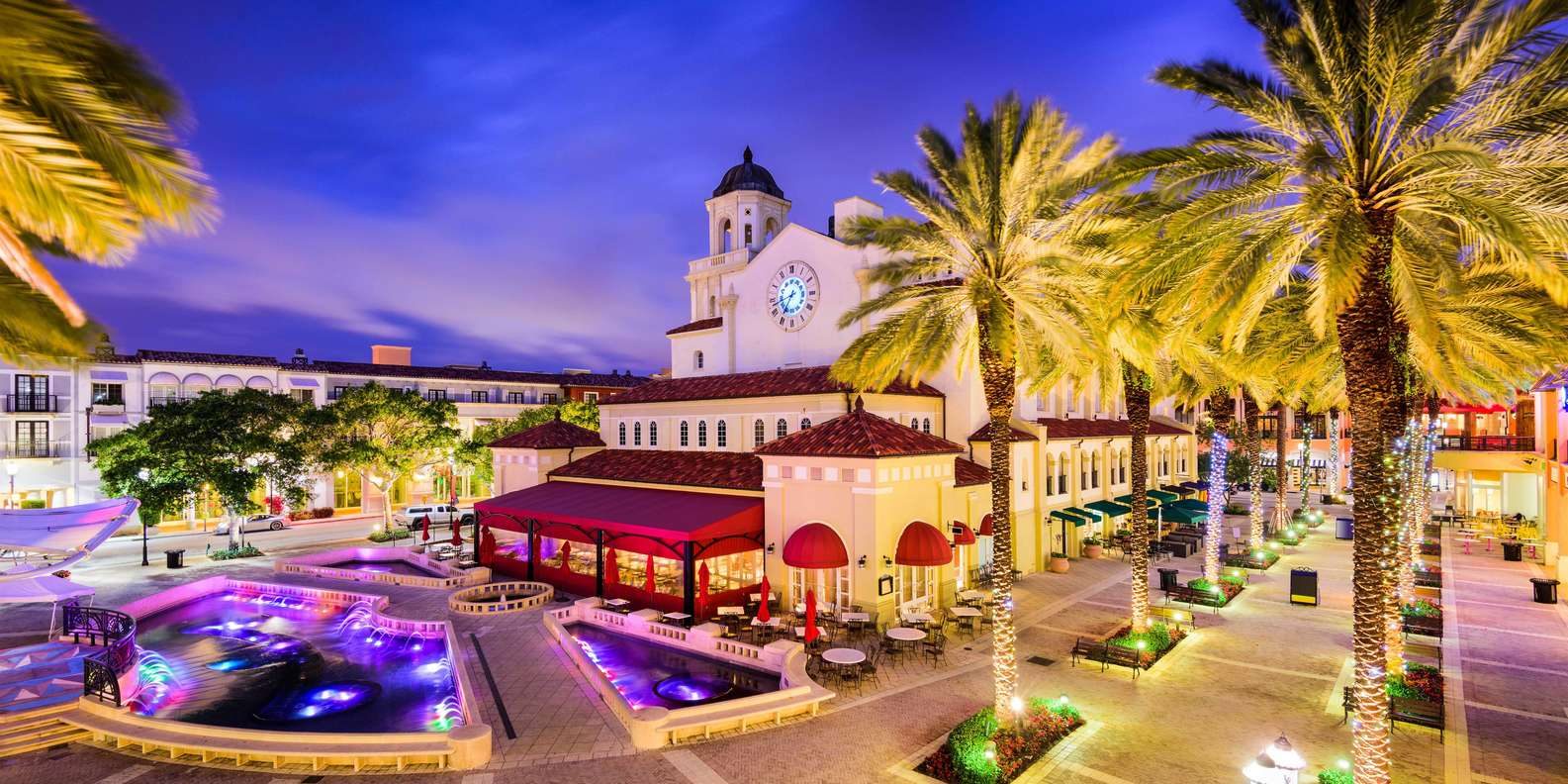
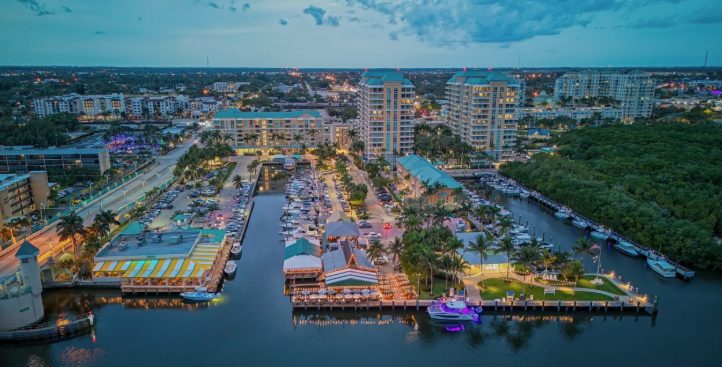
Boynton Beach’s downtown revitalization, anchored by the Boynton Harbor Marina, Ocean Avenue, and the Town Square civic complex, has been the biggest change to the city’s identity over the last five years. New mixed-use residential buildings near the marina put condo buyers within walking distance of restaurants and the water. This is the smallest submarket by unit count but the one seeing the most new interest from younger professionals and downsizers who want walkability without paying Delray Beach or West Palm Beach prices.
Town Square in particular changed how people talk about downtown Boynton Beach. Before that redevelopment, “downtown” mostly meant Ocean Avenue’s older commercial strip and not much else. Now it includes a library, a children’s museum, a hotel, and residential product that didn’t exist a decade ago. It’s still smaller and quieter than downtown Delray Beach, and it will be for years, but the trajectory is real, and buyers who bought early in that district have generally seen it hold value better than the city average.
East Boynton and Federal Highway
East of Federal Highway toward the Intracoastal, you’re in older, established neighborhoods with mature tree canopy and larger lots relative to home size. This is Boynton Beach’s most expensive ground on a per-square-foot basis, and it’s also the area where flood insurance costs matter most. Homes here that were built before current elevation standards can carry meaningfully higher insurance premiums than a comparable home two miles west, which is a detail buyers routinely miss until they’re deep into a contract.
What’s Driving the Market in 2026
Inventory Loosening After Years of Tight Supply
Palm Beach County broadly, and Boynton Beach specifically, has more active listings sitting on the market longer than at any point since 2019. Homes priced correctly for their condition are still moving in three to five weeks. Homes priced for the 2022 market are sitting for 90-plus days and eventually taking price cuts. That gap between well-priced and overpriced listings has widened, which means buyers who do their homework on comparable sales have more leverage to negotiate repairs, closing costs, and even price than they’ve had in years.
Insurance and HOA Costs Reshaping Buyer Math
This is the story most agents aren’t telling buyers plainly enough. Florida’s insurance market has stabilized somewhat since the worst of 2022 and 2023, but premiums in flood-prone or older-roof homes are still a meaningful part of the monthly payment, sometimes $250 to $450 a month on top of the mortgage. For condos, Florida’s Milestone Inspection and Structural Integrity Reserve Study (SIRS) requirements, passed after Surfside, mean older buildings are now required to fund real reserves. That’s good for building safety, but it means some of those “cheap” 1970s condo units in Boynton Beach carry special assessments buyers need to ask about before writing an offer, not after.
Rate Environment
Mortgage rates have come down off their 2023 peak but haven’t returned to 2021 territory, and most buyers should plan around rates in the mid-to-high 6% range rather than hoping for a return to 3%. That reality is part of why inventory has loosened: sellers who locked in low rates are less eager to sell and buy again, which keeps some supply off the market even as demand cools slightly.
Property Taxes and the Homestead Question
One number buyers consistently underestimate is property tax. Palm Beach County’s millage rate combined with city and school district taxes typically lands in the range of 1.8% to 2.2% of assessed value annually for a non-homesteaded property. That’s a meaningful line item on a $550,000 home, easily $9,000 to $12,000 a year before insurance is even added in. If you’re moving from a state with no income tax but also no property tax structure like this, or from a state where assessed value doesn’t reset on sale, this catches people off guard. Florida’s homestead exemption and Save Our Homes cap only apply once you close and file for homestead as your primary residence, so a seller’s current tax bill, especially if they’ve owned the home for 10 or 15 years, often has almost no relationship to what your bill will look like in year one. Always ask your agent or lender to run a new-buyer estimate rather than trusting the tax line shown on the listing.
Neighborhoods and Communities Worth Knowing
- Canyon Trails (west Boynton): Family-oriented gated community, homes generally $475,000 to $650,000, HOA around $300 to $400 a month covering common area landscaping and a community pool.
- Valencia Grand (unincorporated, Lyons Road): 55+ gated, GL Homes, from roughly $1.25 million, 704 homes planned, resort-style clubhouse with indoor pickleball and tennis.
- Renaissance Commons: Mixed-use downtown-adjacent townhomes and condos, walkable to shops and restaurants, $325,000 to $450,000.
- Hunters Run: Established country club community with golf, tennis, and social membership options, homes typically $350,000 to $600,000 plus mandatory club dues that buyers must budget for separately from HOA fees.
- Indian Spring: Semi-private golf community, older housing stock with larger lots, $375,000 to $525,000.
- Palm Beach Leisureville and Village Royale on the Green: Older 55+ condo and villa communities, entry-level pricing from $150,000 to $250,000, but buyers must review HOA financials and any SIRS-driven assessments carefully.
- Quantum Park area: Newer construction from the 2000s and 2010s near the business park, generally $450,000 to $600,000.
If you want the fuller neighborhood-by-neighborhood breakdown with more detail on which communities fit which buyer profile, our Buyer’s Guide to Boynton Beach goes deeper on that decision process.
Schools and Family Considerations
Boynton Beach falls within the School District of Palm Beach County, and zoning varies block by block, so buyers should always confirm current zoning through the district rather than assuming based on neighborhood name. Families targeting this area frequently look at Citrus Cove Elementary, Congress Middle School, and Park Vista Community High School or Boynton Beach High School depending on exact address. West Boynton communities near Lyons Road often zone toward newer schools that were built to serve the growth in that corridor. If school zoning is a top priority, verify the specific address before falling in love with a listing, boundaries shift and a home three streets over can zone differently.
Families relocating from out of state also ask about private and charter options, since Palm Beach County has a strong private school presence within a short drive of Boynton Beach. That’s a separate research track from public zoning and shouldn’t be assumed automatically, but it’s worth knowing it exists as a fallback if a specific public zone doesn’t work for your family’s needs.
Investment and Rental Considerations
Boynton Beach draws real interest from investors, and it’s worth being direct about where that math works and where it doesn’t in 2026. Single-family rentals in the $375,000 to $475,000 range, especially three-bedroom homes near Congress Avenue or in older east-side neighborhoods, tend to rent in the $2,600 to $3,200 a month range depending on condition and exact location. Run that against current mortgage rates, taxes, insurance, and HOA where applicable, and most single-family purchases at today’s prices are not cash-flow positive on a financed basis. They can still make sense as a longer-term equity play or for cash buyers, but if someone is pitching you Boynton Beach as an easy positive cash-flow rental on a 20% down conventional loan, run the actual numbers before you believe it.
Condos are a different conversation, and a more cautious one. Many of the older 55+ buildings in Boynton Beach restrict rentals entirely or cap lease terms at annual only, no seasonal or short-term rentals, so if your plan involves any kind of Airbnb or seasonal income, you need the association’s rental rules in writing before you close, not a verbal assurance from the listing agent. Renaissance Commons and some of the newer townhome product allow more flexible leasing and tend to attract investor buyers for that reason, but pricing there has already adjusted to reflect that demand.
How Boynton Beach Compares to Nearby Markets
Buyers cross-shopping Boynton Beach almost always cross-shop Delray Beach next door. Delray offers more walkability and a stronger downtown scene but at a real price premium, often 20% to 35% higher for comparable square footage. We break that comparison down directly in Delray Beach vs. Boynton Beach: Which Is the Better Buy in 2026.
For families weighing Boynton Beach against other Palm Beach County suburbs entirely, our roundup of the best Palm Beach County suburbs for families relocating in 2026 is a useful next step, since Boynton Beach is one option among several with genuinely different personalities.
Who Should (and Shouldn’t) Buy in Boynton Beach Right Now
Boynton Beach makes sense in 2026 for buyers who want more house for the money than Delray Beach or Boca Raton offers, who don’t need to be walking distance to the beach, and who are comfortable driving 10 to 15 minutes to reach Atlantic Avenue’s restaurant scene or the sand itself. It also makes sense for retirees and near-retirees who want resort-style 55+ living without paying Boca Raton prices for it.
It makes less sense for buyers who specifically want walkable beach proximity (look instead at Delray Beach or the barrier island communities), or for buyers chasing brand-new construction under $700,000, that product mostly doesn’t exist here anymore. For an honest look at the tradeoffs of actually living in Boynton Beach day to day, not just buying here, read our honest 2026 review of Boynton Beach.
To make this concrete, here’s how three common buyer profiles actually shake out here. A young family relocating from the Northeast with a $600,000 budget usually ends up choosing between an updated single-family home near Congress Avenue with a good elementary zone, or a slightly larger newer-construction home further west near Canyon Trails with a longer commute but a better HOA package. A retiring couple selling a paid-off home up north with proceeds around $1.3 million is often the exact Valencia Grand buyer GL Homes built that community for, trading a higher purchase price for zero deferred maintenance and a genuinely active social calendar. A cash-focused investor with $200,000 to work with is usually better served looking hard at Renaissance Commons or newer townhome product with flexible leasing than chasing an older 55+ condo that may restrict rentals outright.
What Buyers Should Expect: A Step-by-Step Framework
- Get pre-approved with a lender who knows Florida insurance realities. A generic pre-approval that doesn’t account for flood zone or condo assessment costs will fall apart mid-contract.
- Decide east or west first. East Boynton means walkability, older homes, and higher insurance. West Boynton means gated communities, higher HOA dues, and newer construction.
- Pull HOA and condo docs before you fall in love with a listing. Ask specifically about SIRS status, reserve funding, and any pending special assessments.
- Run the true monthly number, principal, interest, taxes, insurance, and HOA together, before comparing homes on list price alone.
- Use current days-on-market data as leverage. In this slower 2026 market, a home sitting 60-plus days is a home where you can negotiate repairs or closing cost credits, not just price.
- Confirm school zoning by exact address, not by neighborhood reputation.
- Ask about rental restrictions up front if investment potential matters to you. Some HOAs and condo associations cap or ban leasing entirely, and finding that out after closing is too late.
- Get a new-buyer property tax estimate, not the seller’s current bill. Save Our Homes caps reset at sale, and the difference can run into thousands of dollars a year.
Bottom Line
Boynton Beach in 2026 is a market in a healthier place than it’s been in years: prices have leveled off, inventory has grown, and buyers finally have room to negotiate instead of waiving every contingency to compete. The homework hasn’t gotten easier, insurance, HOA reserves, and exact zoning still require real diligence, but the pressure to make a rushed decision has eased. Make wise decisions, not fast ones. If you want a second set of eyes on a specific Boynton Beach listing or community before you write an offer, DM me “BOYNTON” and I’ll walk through the numbers with you directly.


Watch: learn more
Go deeper with my South Florida Insider videos.

The Best Flex-Space Townhome in West Palm Beach: Pulte's Nautical Plan
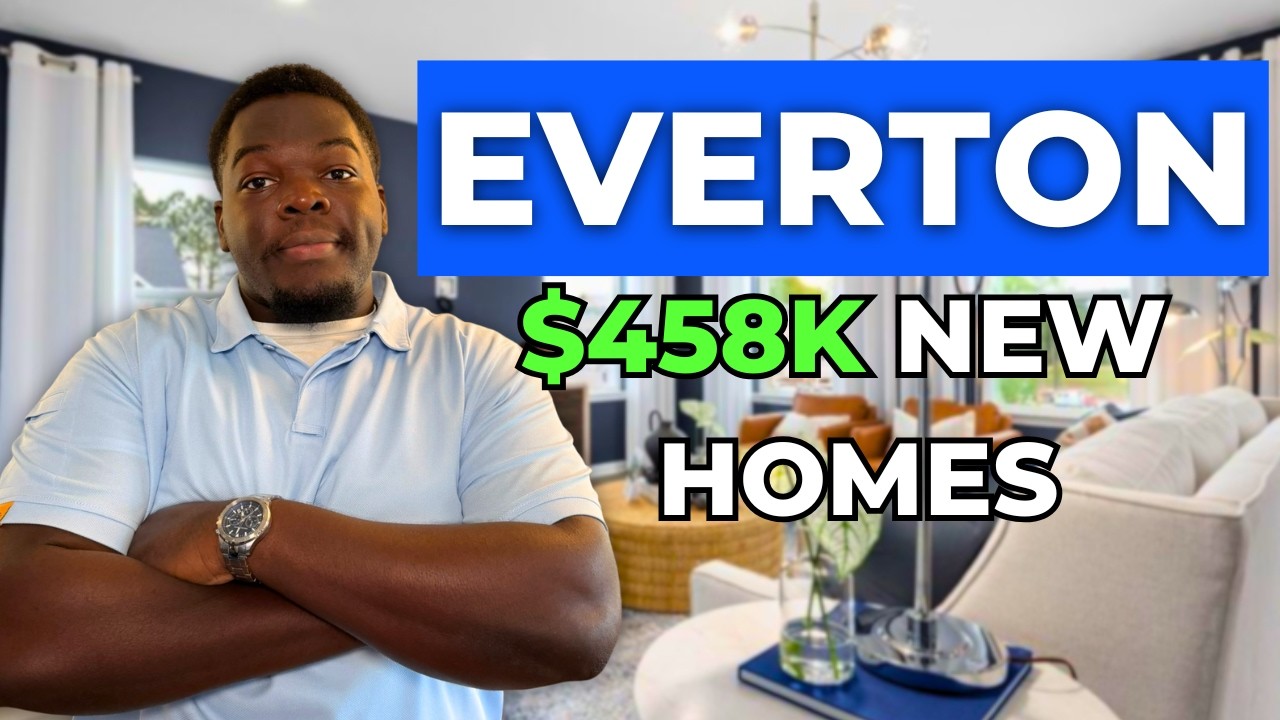
Inside Everton's Latitude II Model: $458k New Homes In Palm Beach
The Best Flex-Space Townhome in West Palm Beach: Pulte's Nautical Plan
More articles you might like
Buyer's Guide to Boynton Beach, FL: What to Know Before You Purchase
13 min readIs Boynton Beach a Good Place to Live? Honest 2026 Review
13 min read
Coconut Creek Real Estate Market (2026): Prices, Trends, and What It Means for Buyers
18 min read
Weston Real Estate Market Update: Prices and Conditions in Mid-2026
13 min read
Westlake, FL Real Estate Market 2026: Prices, Trends & What Buyers Should Expect
13 min read